
Why Some Viruses Never Really Leave: New Research on Lifelong Infections
Why Some Viruses Hide Inside Your Body for Life
Even the healthiest people are usually carrying hidden viruses in their bodies. A major new study, reported by ScienceAlert, helps explain why some of these viruses can lie low for decades, quietly evading our immune system and sometimes reawakening as disease later in life.
If you have ever had chickenpox, mono, or a cold sore, you are already living with a virus that decided to stay. That can sound scary, but understanding how and why this happens is the first step toward protecting your long-term health.
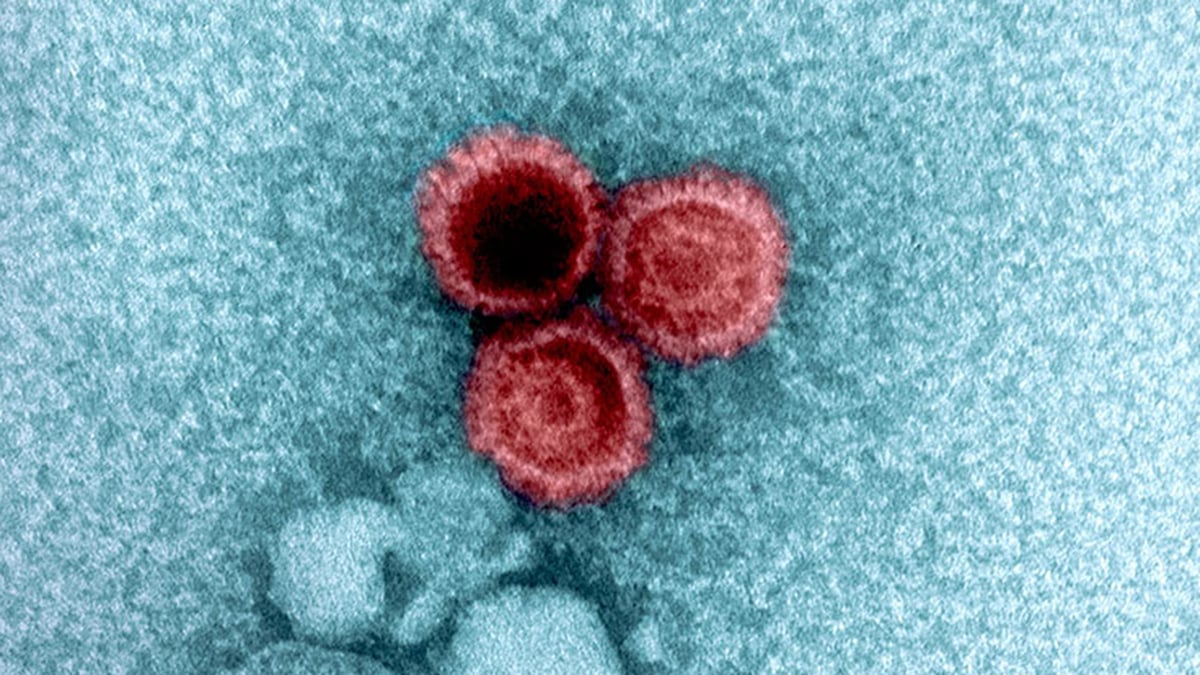
The Problem: Viruses That Move In and Never Move Out
The new “giant” study that ScienceAlert reports on analyzed huge datasets of people’s immune responses and viral footprints in the body. Researchers found that:
- Even healthy adults often carry multiple latent viruses at the same time.
- Some viruses can quietly integrate into or hide inside our cells, avoiding immune detection.
- This hidden “virome” can affect immune aging, inflammation, and disease risk later in life.
These viruses are not always causing obvious illness. Many of them flare only occasionally—or never at all—but they still shape how our immune system behaves.
“Latent viral infections are like background apps on your phone—most of the time you do not notice them, but they are always running and sometimes drain your battery.”
— Immunovirologist quoted in recent latent-virome research
What Is a Latent Virus, Exactly?
A latent virus is one that enters your body, infects cells, and then switches into a “sleep mode.” It is not gone, but it is also not actively making you sick. At any time, under the right conditions, it can wake up and start replicating again.
Some of the best-known lifelong or latent viruses include:
- Epstein–Barr virus (EBV) — causes mono and is linked with some cancers and autoimmune diseases.
- Herpes simplex virus (HSV-1/2) — causes cold sores or genital herpes.
- Varicella-zoster virus (VZV) — causes chickenpox, then can reactivate as shingles.
- Cytomegalovirus (CMV) — usually mild, but a powerful shaper of the aging immune system.
- Human herpesvirus-6 and 7 — childhood infections that may persist and affect immunity.

Inside the New “Giant” Study: What Researchers Found
While details will vary between studies, large-scale virome projects typically combine:
- Blood samples to detect antibodies against many viruses.
- Genetic and epigenetic data to see how viruses may alter our DNA or gene activity.
- Long-term health records to link hidden viral infections with later diseases.
According to the kind of findings summarized by ScienceAlert, such studies suggest:
- Some people’s immune systems are especially tolerant of certain viruses, allowing them to persist quietly.
- Other people mount a more aggressive response, which can clear the virus but also cause more inflammation or symptoms.
- Specific viral footprints are associated with higher risks of autoimmune disease, certain cancers, and faster immune aging.
This does not mean a single virus “causes” a complex disease on its own. Instead, it may act as one piece in a much larger puzzle that includes genes, lifestyle, and environmental exposures.
For further reading, see: Nature: Long-term effects of Epstein–Barr virus infection and NEJM review on chronic viral infections and immunity .
How Do Viruses Hide Inside Us for So Long?
To understand why some viruses never fully leave, it helps to see the tricks they use to evade our immune system. Research highlights a few main strategies:
1. Going Quiet Inside Our Cells
Viruses like EBV and herpes simplex can switch most of their genes “off,” producing very few proteins. Since our immune system mainly recognizes viral proteins, a quiet virus can slip under the radar.
2. Hiding in “Safe” Cell Types
Some viruses hide in cells that do not divide much or that the immune system is reluctant to destroy:
- Neurons for HSV and VZV (explaining cold sores and shingles recurrences).
- B cells and other immune cells for EBV and CMV.
3. Rewriting Immune Rules
Latent viruses can produce small molecules that:
- Block immune signaling.
- Change how infected cells show viral fragments on their surface.
- Alter local inflammation to their advantage.
How Lifelong Viruses Can Affect Your Health
Having a latent virus does not guarantee health problems. Many people never experience serious consequences. But large studies have linked certain latent viruses with:
- Autoimmune conditions such as multiple sclerosis (MS) in the case of EBV.
- Some cancers, including certain lymphomas and nasopharyngeal carcinoma.
- Accelerated “immunosenescence” — aging of the immune system, especially with CMV.
- Reactivation problems, like shingles after VZV or cold-sore flares with HSV.
These associations are often probabilistic, not absolute. For example, most people infected with EBV never get MS, but nearly all people with MS have evidence of past EBV infection. That suggests EBV is one necessary factor among many.
“Think of these viruses as long-term roommates. For most people, they are quiet and manageable. Problems arise when other stressors—like genetics, environment, or additional infections—turn a peaceful coexistence into conflict.”
— Clinician–researcher in viral immunology
A Real-World Story: When a “Sleeping” Virus Wakes Up
A 42-year-old teacher (we will call her Maria) had a bout of mono in college, likely from EBV. She recovered and did not think about it again for decades. In her late 30s and early 40s, under heavy work stress and poor sleep, she started noticing:
- Episodes of deep fatigue.
- Swollen glands during minor illnesses.
- Prolonged recovery after common colds.
Blood tests showed high levels of EBV antibodies, indicating past infection and possible intermittent reactivation, but no acute mono. Her physician explained that EBV likely remained in her B cells all along. With stress and poor sleep, her immune system may have given EBV more room to stir.
The care plan was not a magic antiviral pill; it focused on:
- Improving sleep hygiene to 7–8 hours per night.
- Stress management techniques like short daily walks and brief mindfulness sessions.
- Staying current on vaccines to avoid additional infectious burdens.
Over several months, her energy stabilized. The virus did not disappear, but by supporting her immune system, she reduced how much it affected her daily life.
Practical Ways to Protect Yourself from Lifelong Viruses
You cannot fully erase most latent viruses once they are established, but you can:
- Lower your risk of new lifelong infections.
- Support your immune system so existing latent viruses stay as quiet as possible.
1. Use Vaccines Where Available
- Vaccines cannot remove latent viruses you already have, but they can prevent or reduce severity of some infections.
- Talk with your clinician about:
- Shingles (zoster) vaccine if you are in an age or risk group where it is recommended.
- Routine vaccines (flu, COVID-19, HPV, etc.), which indirectly reduce the total infectious burden on your immune system.
2. Practice Safer Contact to Limit Viral Spread
- Use barrier methods (condoms, dental dams) to reduce exposure to HSV and other sexually transmitted viruses.
- Avoid sharing items that contact saliva during outbreaks (drinks, utensils, lip balm) if you or someone else has active cold sores or mono-like symptoms.
- Follow local infection-control guidance when caring for sick family members.
3. Support Your Immune System Daily
Evidence-based lifestyle factors that help your immune system manage latent viruses include:
- Consistent sleep (7–9 hours for most adults).
- Regular physical activity (even brisk walking 20–30 minutes most days).
- Nutrient-dense foods, especially:
- Colorful fruits and vegetables (antioxidants).
- Healthy fats like olive oil, nuts, and seeds.
- Sufficient protein to maintain muscle and immune cells.
- Stress management — chronic stress hormones can interfere with antiviral immunity.

4. Know When to Seek Medical Advice
You should talk with a healthcare professional if you notice:
- Unexplained fatigue that lasts for weeks.
- Frequent or severe viral outbreaks (e.g., shingles, cold sores, mono-like episodes).
- Night sweats, weight loss, or swollen lymph nodes without obvious cause.
Common Obstacles: Anxiety, Misinformation, and “Detox” Myths
Learning that you carry lifelong viruses can stir up worry and, unfortunately, expose you to a lot of misleading promises online. Some common pitfalls include:
- Miracle “virus detox” products that claim to cleanse your body of all infections. There is no scientific evidence for such total detoxes, and some products can be harmful.
- Extreme diets that severely restrict foods in the name of “starving viruses.” Over time, these can weaken, not strengthen, your immune system.
- Scanning for every possible virus with unvalidated tests, which can generate anxiety without clear treatment paths.
It is understandable to want a clean, simple fix. But with lifelong viruses, the most effective strategies are often modest, sustainable habits that support your immune system over years, not days.
“We do not yet have tools to erase every trace of latent viruses, but we do have powerful ways to shift the balance in favor of the host—through vaccines, targeted antivirals where appropriate, and strong baseline health.”
— Infectious disease specialist, academic medical center
What the Future May Hold: From EBV Vaccines to Precision Virome Care
The giant virome studies described in outlets like ScienceAlert are laying groundwork for:
- New vaccines against viruses such as EBV, which could one day reduce the burden of mono, some cancers, and possibly autoimmune conditions.
- Targeted antivirals that nudge certain latent viruses into safer states.
- Personalized immune profiles that show which viral footprints you carry and how they might influence disease risk.

These advances are promising but still emerging. It is important to be cautious about anyone claiming we already have a simple cure for all latent viruses. The science is moving quickly, but responsibly.
Moving Forward: Living Well with Your Invisible Viral Passengers
The new large-scale research highlighted by ScienceAlert does not mean we should fear our own bodies. Instead, it offers a more honest picture: we coexist with a whole community of viruses, most of which our immune system manages remarkably well.
Rather than chasing elimination, the most realistic and empowering goal right now is to:
- Prevent new lifelong infections when possible.
- Support a resilient immune system with daily habits.
- Work with healthcare professionals when symptoms suggest a virus is causing real trouble.
You do not need to be perfect to make a difference. Choosing a bit more sleep, gentler stress management, or one healthier meal today all contributes to the quiet work your immune system does every moment—keeping those hidden viruses in their place.
Your next step: pick one small, realistic change—better sleep, a daily walk, or scheduling a checkup—and commit to it for the next two weeks. Let your immune system feel the support.
