
Why the Right to Repair Wave Is Reshaping Mainstream Tech Hardware
In this deep dive, we explore why it’s surging now, how hardware and software design choices shape repairability, what new regulations actually require, and how this movement could change the future of smartphones, laptops, farm equipment, and more.
The “right to repair” is the principle that consumers and independent repair shops should be able to diagnose, fix, and upgrade their own devices without facing unreasonable legal, technical, or financial barriers. Over the last few years—and especially by 2025–2026—it has evolved from a specialist topic into a mainstream policy and business story, covered regularly by outlets like Wired, The Verge, and Ars Technica.
Right to repair sits at the intersection of consumer rights, competition law, environmental sustainability, and digital ownership. Legislative changes in the United States, European Union, and other regions are forcing manufacturers of phones, laptops, tractors, and even medical devices to rethink sealed designs and restrictive software locks. At the same time, viral teardown videos and repairability scores are shaping what tech‑savvy buyers expect from new hardware.

Mission Overview: What the Right to Repair Movement Wants
At its core, the right to repair movement aims to restore practical ownership over the hardware we buy. That mission is often summarized by repair advocates like iFixit’s CEO Kyle Wiens:
“If you bought it, you should own it—really own it. That means you can open it, tinker with it, and fix it without being treated like a criminal.”
Concretely, most right to repair coalitions—such as the Repair Association in the U.S. and the Right to Repair Europe campaign—tend to push for a similar set of goals:
- Access to official spare parts at fair, non‑discriminatory prices.
- Access to service manuals, diagnostic software, and calibration tools.
- Design practices that favor modular, non‑destructive disassembly.
- Limits on software or firmware locks that prevent the use of third‑party or reused parts.
- Transparent repairability information (labels or scores) at the point of sale.
The movement doesn’t argue that every user should repair their own phone. Instead, it insists that those who want to repair—or who depend on local repair professionals—should not be blocked by deliberate design decisions or legal threats.
Why It’s Surging Now: Law, Policy, and Public Backlash
Several forces have converged to push right to repair into the spotlight of mainstream hardware coverage.
1. Legislative Momentum Across Sectors
From 2021 onward, dozens of right to repair bills were introduced across U.S. states and in national and regional legislatures worldwide. By 2025–2026, multiple laws are in force or being phased in that directly touch consumer tech:
- U.S. state laws: States like New York, Minnesota, and Colorado have passed digital fair repair or agricultural equipment repair laws that cover smartphones, laptops, and farm machinery, requiring manufacturers to provide parts, tools, and documentation.
- European Union initiatives: The EU has adopted and proposed “right to repair” measures under its Circular Economy Action Plan, including repairability requirements and labels for certain product categories.
- Global signals: Similar debates are unfolding in the UK, Australia, and Canada, often referencing EU and U.S. precedents.
Tech policy outlets like Wired, Recode, and Ars Technica have been unpacking what these laws require: which devices are in scope, how quickly parts must be made available, and what constitutes “reasonable” prices for tools and documentation.
2. High‑Profile Manufacturer Shifts
Major tech brands—especially large smartphone, laptop, and gaming console makers—have launched self‑service repair portals and official parts stores. While their completeness and pricing have been criticized, they are still a fundamental shift from the days when opening your device voided your warranty by default.
Coverage from The Verge, Engadget, and TechRadar tends to emphasize:
- Which models are actually supported.
- Whether pricing makes self‑repair economically sensible.
- How easy the repair procedure is for a reasonably skilled user.
- What limitations (like parts pairing) still exist.
3. Viral Teardowns and Repairability Scores
On YouTube, channels like iFixit and JerryRigEverything routinely generate millions of views by disassembling new phones, laptops, game consoles, and wearables within days of launch.
These videos, often combined with numerical repairability scores, turn what used to be hidden engineering details—like how much glue vs. screws were used—into headline‑worthy news. Devices with extremely low repairability scores now routinely face public and media backlash, adding reputational pressure on manufacturers.
Technology: Design Choices That Make or Break Repairability
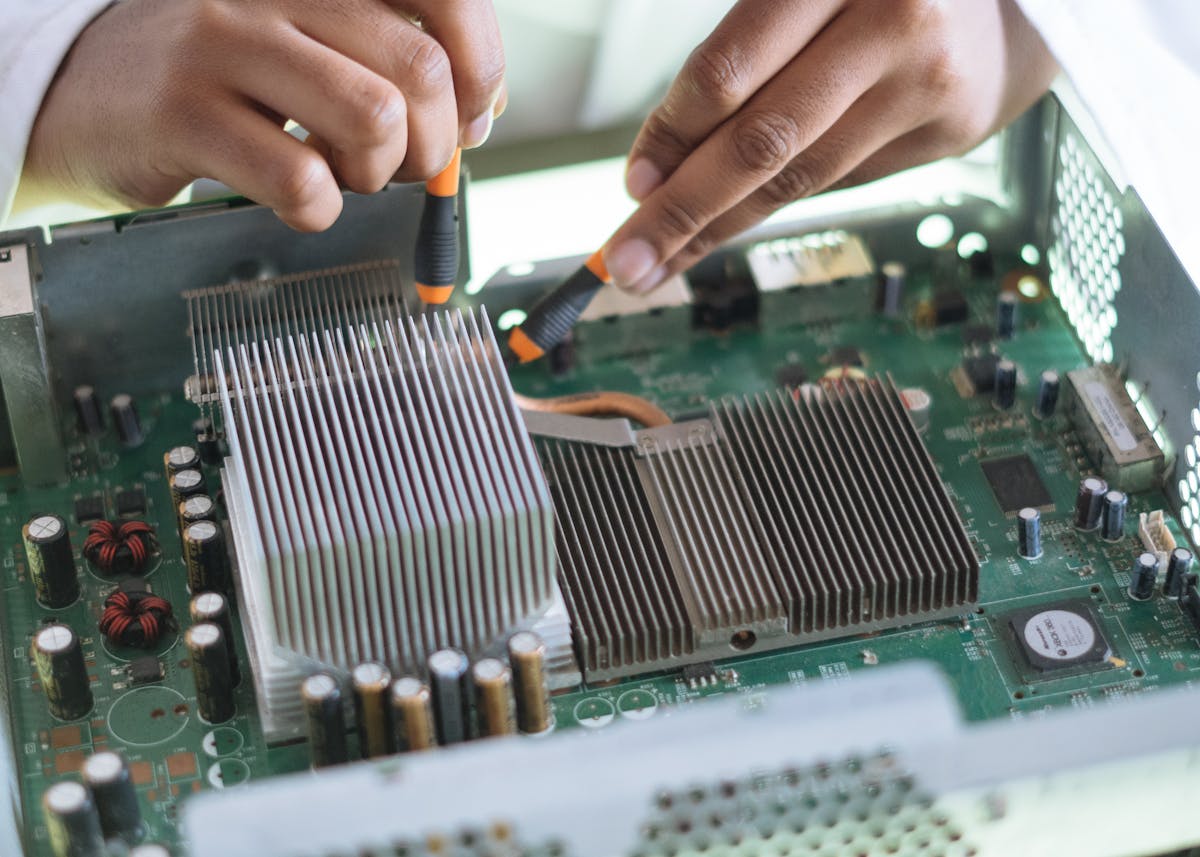
Under the hood, right to repair debates are fundamentally about engineering trade‑offs. Choices about fasteners, adhesives, connectors, and firmware policies directly determine whether a device is survivable or disposable.
Hardware Design: Glue, Screws, and Modularity
Reviewers at Ars Technica and TechRadar increasingly discuss repairability alongside performance and battery life. Some of the design factors they focus on include:
- Fastening methods: Screws (especially standard Phillips or Torx) make disassembly predictable and reversible. Excessive use of strong adhesives, welded seams, or plastic clips makes repairs fragile, risky, or impossible without specialized tools.
- Battery accessibility: Is the battery secured with removable pull‑tabs and minimal adhesive, or is it buried under cables and soldered shields? Easily replaceable batteries are central to both user convenience and e‑waste reduction.
- Modular vs. soldered components: Sockets for storage (M.2 SSDs), RAM, or wireless modules dramatically extend a device’s effective life. By contrast, soldered‑down memory and storage turn minor failures into total write‑offs.
- Proprietary screws and parts: Exotic screw heads or non‑standard connectors serve little practical purpose beyond discouraging DIY repair and independent technicians.
These design patterns directly influence a device’s repairability score and long‑term total cost of ownership. Even mainstream brands now find themselves compared not only on performance benchmarks, but also on how easily users can replace a broken display or worn‑out battery.
Software Locks and Parts Pairing
Even when hardware is physically accessible, software can quietly lock down repair options. Engineers and security professionals on communities like Hacker News frequently analyze how:
- Parts pairing ties replaceable components (like screens, batteries, cameras, and Face ID modules) cryptographically to the device’s motherboard, requiring proprietary calibration tools or online authorization.
- Firmware locks can disable or throttle devices that detect “unauthorized” components or block access to diagnostic menus unless a manufacturer server approves the repair.
- DRM and secure boot mechanisms restrict bootloaders or operating system modifications, limiting the ability to run alternative firmware or extend life through community‑maintained software.
These approaches are often justified on security, safety, or intellectual property grounds. Advocates argue that they can and should be designed in ways that preserve repairability—for example, by allowing cryptographic attestation without locking out legitimate third‑party parts and independent technicians.
Scientific and Environmental Significance
Right to repair is not just a consumer story. It is deeply entwined with environmental science, lifecycle analysis, and climate policy.
E‑Waste and Lifecycle Impacts
The UN’s Global E‑waste Monitor estimates that tens of millions of metric tons of electronic waste are generated annually, much of it from short‑lived consumer electronics. Manufacturing new devices consumes energy, rare earth elements, and water, and generates greenhouse gases and pollution along complex global supply chains.
Wired and The Verge have repeatedly highlighted a key insight from lifecycle assessment research: extending product lifespans by even a few years often has a larger environmental benefit than marginal efficiency gains. In other words, keeping your phone for five or six years—via repairs and upgrades—can beat buying a slightly more energy‑efficient device every two or three years.
“The greenest device is the one you already own—especially if it’s designed to be repaired instead of replaced.” — Common refrain in sustainability and repair policy papers.
Digital Inclusion and Rural Communities
In many rural or remote regions, shipping devices to an authorized service center is costly and slow. Articles from Recode and The Next Web have profiled communities where local independent repair shops:
- Provide essential connectivity by keeping phones and laptops functional.
- Offer more affordable repair options than distant brand‑name centers.
- Serve as informal training grounds for technical skills and entrepreneurship.
When manufacturers restrict parts or documentation to “authorized” partners, they can unintentionally—or sometimes quite intentionally—undermine these local service ecosystems, effectively imposing a tax on low‑income and rural users who can least afford downtime.
Milestones: How Right to Repair Went Mainstream
The rise of right to repair can be tracked through a series of high‑visibility milestones covered widely by tech and mainstream media.
Key Milestones and Trends
- High‑profile agricultural disputes: Farmers in the U.S. and elsewhere publicly clashed with tractor manufacturers over proprietary diagnostic tools and firmware locks, making right to repair a national political talking point.
- Public commitments by big tech brands: Companies announced self‑service repair programs and broader access to manuals, often after years of pressure from organizations like iFixit and the Repair Association.
- Legislative first‑movers: The first digital device repair laws created concrete precedents for how “reasonable” access to parts and documentation might be defined and enforced.
- EU repairability labels and scoring: The EU’s exploration of standardized repairability labels pushed manufacturers to treat repairability as a competitive spec rather than an afterthought.
- Viral backlash to unrepairable designs: Devices scoring 0/10 or 1/10 on repairability scales drew considerable criticism, incentivizing modest but real design improvements in subsequent generations.
Together, these milestones have turned right to repair into a persistent storyline rather than an occasional activism flare‑up.

Why Tech Readers and Power Users Care
For the Hacker News, Ars Technica, and Reddit /r/hardware audiences, right to repair crystallizes deeper questions about autonomy and ownership in a highly networked, DRM‑heavy world.
Ownership vs. Licensing
Increasingly, buying hardware resembles purchasing a license rather than an object. End user license agreements (EULAs), firmware locks, and tied cloud services can dictate:
- What operating system you may run.
- Which parts or accessories are “allowed.”
- What happens if the vendor discontinues cloud services or remote activation keys.
Right to repair advocates see hardware repair rights as a gateway to broader recognition of digital property rights: if you truly own a device, you should be able to open it, fix it, and run software of your choice—within safety and legal bounds.
Repairability as a Buying Criterion
As more reviews include teardown information and repairability scores, tech‑savvy consumers are beginning to weigh:
- Repairability alongside CPU/GPU benchmarks.
- Battery replaceability alongside runtime estimates.
- Parts availability alongside price and features.
This shift nudges manufacturers towards more modular, serviceable designs—especially in laptops, gaming devices, and productivity‑oriented hardware where users expect multi‑year lifespans.
Precedent for Interoperability and Open Standards
Wins in right to repair also set cultural and legal precedents for:
- Open or at least documented hardware and software interfaces.
- Interoperability between devices and ecosystems.
- Flexibility in running alternative firmware or operating systems.
That, in turn, feeds into parallel debates about open standards, app sideloading, and competition policy in platform ecosystems.
Practical Guidance: How Consumers Can Support Right to Repair
While much of the conversation unfolds at the policy and corporate level, individual users can still make meaningful choices.
Choose Repairable Devices
Before buying new hardware, consider:
- Search for teardown or repairability reviews of the specific model.
- Check whether batteries and storage are replaceable or upgradeable.
- Look for manufacturers that publish manuals and sell parts directly.
For example, some laptop lines are explicitly designed for repair and upgrades and have been praised by reviewers and sustainability advocates for modularity and transparent documentation.
Basic Repair and Maintenance Skills
Many common fixes—like battery, storage, or fan replacements—are accessible to careful beginners, provided they use proper tools and follow reliable guides.
A high‑quality electronics toolkit dramatically reduces the risk of damage. A widely recommended option among hobbyists and professionals is the iFixit Pro Tech Toolkit , which includes precision screwdrivers, spudgers, tweezers, and opening picks designed for modern gadgets.
Support Independent Repair
When a device breaks, getting a quote from a reputable local repair shop:
- Often costs less than an official service center.
- Keeps devices and materials in circulation longer.
- Supports local technical jobs and apprenticeships.
You can also follow and support organizations like iFixit, the Repair Association, and Repair.eu, which publish guides, policy analyses, and calls to action.
Challenges and Open Questions
Despite notable progress, the right to repair movement faces technical, legal, and economic challenges.
Balancing Security and Repairability
Some software locks do serve legitimate goals—such as preventing stolen phones from being reactivated or ensuring that critical safety features (airbags, medical devices, industrial control systems) are not tampered with by unqualified parties.
Policymakers and engineers must therefore:
- Design secure authentication mechanisms that don’t block legitimate repairs.
- Define which safety‑critical components need stricter controls.
- Ensure that anti‑theft tools and remote locks do not inadvertently criminalize repair.
Economic Incentives and Business Models
Some manufacturers rely heavily on service revenue and frequent upgrade cycles. Right to repair threatens those models, potentially forcing:
- More durable designs and longer software support windows.
- New revenue streams, such as high‑quality official parts and extended warranties based on repair, not replacement.
- Greater competition from third‑party repair networks.
The resistance is not purely ideological; it is also about margins and market control. That is why competition authorities and regulators increasingly see right to repair as part of broader antitrust and consumer protection efforts.
Global Enforcement and Loopholes
Even strong laws can be weakened by vague language or slow enforcement. Key open questions include:
- How to define “reasonable” pricing for parts and tools.
- How to prevent manufacturers from complying on paper while undermining repair in practice (e.g., by using excessively fragile parts).
- How to ensure that rules keep pace with emerging product categories like AR headsets or smart appliances.

Conclusion: From Niche Cause to Core Tech Metric
Right to repair has evolved from a niche activist cause into a mainstream metric by which hardware is judged. For reviewers, it is now common to list:
- Repairability scores alongside performance benchmarks.
- Battery and storage replaceability in spec sheets.
- Parts availability and warranty repair policies in buying guides.
For policymakers, right to repair is part of a wider toolkit to tackle e‑waste, strengthen consumer protection, and encourage more sustainable product lifecycles. For manufacturers, it is both a regulatory constraint and an opportunity to differentiate based on longevity and transparency.
And for everyday users, it is a reminder that the devices they rely on—phones, laptops, tractors, medical equipment—should not be black boxes controlled entirely by distant companies. As the movement gains ground, the definition of “owning” technology may shift decisively back towards users and communities who can understand, fix, and improve the tools they depend on.
Further Reading, Media, and Resources
To explore right to repair in more depth, the following resources provide accessible and technically detailed coverage:
- iFixit – Right to Repair Hub: Campaign information, teardown guides, and repairability scores.
- Repair.org – Stand Up for Your Right to Repair: Policy news and advocacy updates in the U.S.
- Right to Repair Europe – News: EU‑focused campaign updates and policy analysis.
- Wired – Right to Repair Coverage: Investigative pieces connecting repair to climate and policy.
- YouTube – “The Right to Repair Movement” Explainers: Video overviews of the technical and political issues.
References / Sources
Selected public sources and ongoing coverage relevant to right to repair in consumer tech hardware:
- https://www.wired.com/tag/right-to-repair/
- https://www.theverge.com/right-to-repair
- https://arstechnica.com/tag/right-to-repair/
- https://www.repair.org
- https://repair.eu
- Representative Hacker News discussions on right to repair
- UN Global E‑waste Monitor (latest edition)
These sources are updated frequently and provide a good starting point for tracking legal changes, manufacturer policies, and technical debates as the right to repair wave continues to reshape mainstream tech hardware.
