
Why Right-to-Repair Is Reshaping Tech: Device Longevity, Sealed Gadgets, and the Fight for True Ownership
Mission Overview: From Niche Cause to Mainstream Tech Policy
Over the past decade, right-to-repair has evolved from a small advocacy campaign into a central fault line in technology policy. Once limited to independent repair shops and tinkerers, it is now a recurring topic across outlets such as Ars Technica, The Verge, Wired, and TechRadar.
At its core, the movement asks a deceptively simple question: if you buy a phone, laptop, tractor, or medical device, do you truly own it—or are you merely licensing a bundle of locked-down hardware and software that can be taken away, degraded, or rendered obsolete at the manufacturer’s discretion?
The debate spans:
- Smartphones, tablets, and laptops
- Game consoles and consumer electronics
- Agricultural machinery such as modern tractors
- Hospital equipment and other critical medical devices
- Household appliances, e‑bikes, and smart home gear
“If you can’t fix it, you don’t own it.” — Kyle Wiens, co-founder of iFixit and prominent right-to-repair advocate
New Laws, Regulations, and the Global Policy Landscape
The current surge in attention is driven largely by legislation and regulatory pressure. Multiple jurisdictions have introduced rules requiring manufacturers to provide spare parts, documentation, and diagnostic tools on fair terms.
Key Legislative and Regulatory Trends
- United States
Since 2021, several U.S. states have adopted or advanced right-to-repair laws covering consumer electronics, appliances, and in some cases agricultural equipment. The Federal Trade Commission (FTC) has also signaled stronger enforcement against “unlawful repair restrictions,” citing anticompetitive behavior and consumer harm. - European Union
The EU has become a global leader in device longevity policy, pushing rules that:- Require minimum software and security update periods for phones and tablets.
- Mandate spare parts availability for several years after a product’s release.
- Set design rules that make batteries and key components more accessible.
- United Kingdom, Canada, and Others
The UK has implemented repairability requirements for certain appliances and is considering broader rules for electronics. Canada and Australia are actively debating similar frameworks, with parliamentary committees taking testimony from repair advocates and manufacturer representatives.
Tech journalists closely track each new bill, court decision, and enforcement action, often highlighting the gap between ambitious policy rhetoric and what actually appears in final legal text.
Manufacturer Policy Shifts: Genuine Progress or PR?
Rising public pressure has pushed major device makers to adjust their repair policies. Some of the most closely scrutinized moves include:
- Self-service repair programs for smartphones and laptops.
- Extended support windows for operating system and security updates.
- Partnerships with third‑party repair networks and certified local shops.
- More modular, repair‑friendly designs for select product lines.
Reviewers and policy analysts often ask three questions:
- Is the program affordable, or are parts priced so high that repair is uneconomical?
- Do consumers and independent shops receive the same quality parts and documentation as manufacturer service centers?
- Are software locks and component pairing removed—or merely rebranded as “authorized repair” requirements?
“If a self‑repair program requires you to rent a 30‑kilogram toolkit and spend hours pairing every part to the motherboard, it’s compliance on paper, not in practice.”
Tech outlets frequently compare manufacturer claims with teardown data from communities like iFixit and detailed discussions on Hacker News, where engineers analyze firmware behavior, lockout mechanisms, and hidden service menus.
Environmental Stakes: E‑Waste, Carbon, and Device Longevity
Right-to-repair is deeply entangled with the environmental and climate conversation. Short upgrade cycles and sealed designs feed the world’s rapidly growing mountain of electronic waste (e‑waste), which already amounts to tens of millions of tonnes per year.
Why Repairability Is a Climate Issue
- Embodied carbon: A large fraction of a device’s lifetime emissions comes from manufacturing, not day‑to‑day use. Extending device life by even 2–3 years can significantly reduce its per‑year carbon footprint.
- Material recovery limits: Recycling can capture some precious metals, but many materials are lost or down‑cycled. Repair keeps the entire device in use instead of relying on imperfect recycling.
- Global waste disparities: A substantial portion of discarded devices from wealthy regions are shipped to lower‑income countries, where informal recycling often exposes workers and communities to toxic substances.
Outlets like Wired and The Next Web increasingly frame sealed, disposable tech as incompatible with credible sustainability commitments. Investors and sustainability analysts now scrutinize manufacturers’ repairability records alongside their climate pledges.
Consumer Frustration and the Backlash Against Sealed Tech
Social media is rich with stories of users being told they need a full device replacement for a trivial fault—a cracked camera lens, a slightly bent pin, or a worn battery. These cases resonate because they collide directly with common‑sense expectations of fairness and ownership.
Common Pain Points
- High out‑of‑warranty repair quotes that are close to the price of a new device.
- Refusal to repair devices with unrelated cosmetic damage.
- Diagnostic fees charged even when the manufacturer declines to perform a repair.
- Loss of data or cloud‑linked content when devices are swapped instead of fixed.
YouTube channels focused on repair and teardowns—such as Louis Rossmann’s board‑level repair videos or iFixit’s teardown series—have become powerful educational tools. They show that many “unrepairable” devices are fixable with skill, tools, and information that are often withheld from the general public.
“The more people see what’s inside their devices, the less plausible it becomes to claim that everything is ‘too complex’ for repair.”
Software Locks, DRM, and the Question of True Ownership
Modern devices are as much software platforms as hardware objects. That makes right-to-repair inseparable from issues like digital rights management (DRM), firmware locks, and cloud‑based activation systems.
How Software Can Block Hardware Repair
- Component pairing: Replacement parts (e.g., screens, batteries, cameras) must be “paired” with the device using proprietary service tools; otherwise, features may break or warning messages appear.
- Locked diagnostics: Full diagnostic suites are often restricted to authorized centers, leaving independent shops with incomplete tools and guesswork.
- Firmware whitelists: Devices may reject third‑party or refurbished components at the firmware level, even if they are technically compatible.
- Cloud dependencies: Some product features stop working entirely if a vendor shuts down servers, even when the hardware is fully functional.
These practices raise profound ownership questions. If a nominally “purchased” device can be downgraded, bricked, or limited remotely, users are effectively renting functionality from manufacturers, often without clear, informed consent.
Legal scholars and policy experts argue that consumer protection, antitrust, and copyright law must adapt to prevent software‑based workarounds from undermining the spirit of new right‑to‑repair rules.
Design Trade‑offs: Thin, Sealed, and Water‑Resistant vs. Repairable
Manufacturers often defend sealed designs by pointing to user demands for thin devices, long battery life, and water resistance. There are real engineering trade‑offs, but the tension is not always as stark as it is portrayed.
Key Design Dimensions
- Ingress protection (IP ratings)
High water‑ and dust‑resistance can be compatible with repair, but it usually requires better gaskets and modular seals instead of permanent adhesives. - Thickness and weight
A few extra tenths of a millimeter can be enough to allow for standardized screws, modular batteries, or interposer boards that make component replacement easier. - Manufacturing cost and complexity
Designing for repair can increase upfront engineering time but may reduce warranty costs and returns over the product’s life.
Repairability scores from groups like iFixit and assessments in reviews by outlets such as The Verge are making these trade‑offs more visible. Consumers are starting to ask not only “How thin is it?” but also “How fixable is it?” and “How long will it be supported?”
Technology Enablers: Tools, Parts, and Repair‑Friendly Design
Behind the policy debates lies a practical question: what technologies and design approaches actually make modern devices repairable?
Repair‑Friendly Design Principles
- Use standard screws and fasteners instead of glues and permanent rivets.
- Make batteries accessible with pull tabs and limited adhesive.
- Modularize high‑failure components (ports, buttons, speakers, cameras).
- Label connectors and publish exploded diagrams to guide disassembly.
- Provide software tools that allow safe calibration of key components after replacement.
Tools and Skills for Modern Electronics Repair
For enthusiasts and professionals, a capable bench often includes:
- Precision driver kits and spudgers for safe opening.
- ESD‑safe work surfaces and wrist straps.
- Microscope and hot‑air station for board‑level repairs.
- Multimeters and logic analyzers for diagnostics.
For individuals who want to start doing their own basic repairs on phones and laptops, high‑quality kits such as the iFixit Pro Tech Toolkit can be a practical investment. It brings together precision bits, spudgers, tweezers, and opening tools specifically tuned for consumer electronics.
Scientific and Societal Significance of Longer‑Lived Devices
While right-to-repair is often framed as a consumer rights issue, it also has broader scientific and societal implications.
Data, Research, and Infrastructure
- Scientific instruments: Labs depend on stable hardware and predictable maintenance over long timelines. Proprietary lock‑ins and forced upgrades can disrupt experiments, increase costs, and complicate reproducibility.
- Critical infrastructure: Hospitals, utilities, and transportation systems rely on embedded electronics with expected lifetimes measured in decades. If vendors discontinue support or block third‑party repair, essential services may be exposed to avoidable risk.
- Open science: Open‑hardware designs and accessible repair documentation allow researchers in lower‑resource settings to build and maintain their own equipment, broadening global participation in science.
“When key tools become black boxes, both science and society lose visibility and control over the systems they increasingly depend on.”
Milestones in the Right‑to‑Repair Movement
The path from fringe idea to mainstream policy has been marked by several notable milestones.
Key Milestones and Turning Points
- Early automotive right‑to‑repair laws
In the 2010s, U.S. states passed laws requiring car manufacturers to provide independent garages with the same diagnostic data as franchised dealers, demonstrating that such frameworks can work in complex, safety‑critical domains. - Farm equipment controversies
High‑profile disputes between farmers and agricultural equipment manufacturers over software‑locked tractors galvanized public opinion and drew media attention to software‑based repair restrictions. - Consumer electronics advocacy
Organizations like the U.S. PIRG Right to Repair campaign and The Repair Association broadened the scope from cars to phones, tablets, and beyond. - Major platform shifts
When large smartphone and laptop manufacturers launched self‑repair or independent repair programs, it signaled that repairability concerns could no longer be ignored, even if early implementations were imperfect.
Challenges and Counterarguments
Despite growing support, right-to-repair still faces substantial technical, legal, and economic challenges.
Manufacturer Concerns
- Security and privacy: Opening up diagnostics and firmware could expose attack surfaces if not carefully designed.
- Safety and liability: Manufacturers worry about being blamed for injuries or failures caused by improperly performed repairs.
- Intellectual property: Service manuals and diagnostic tools may contain proprietary know‑how that companies are reluctant to share.
Responses from Advocates and Experts
- Security and safety concerns can be addressed through:
- Strong authentication for critical firmware changes.
- Clear labeling and documentation of safe repair procedures.
- Certification programs for independent technicians, analogous to existing standards in automotive and aviation maintenance.
- IP worries can be mitigated by:
- Licensing frameworks that provide necessary documentation without disclosing trade secrets beyond what is needed for repair.
- Standards bodies that define interoperable diagnostic interfaces.
A recurring concern is that poorly drafted right-to-repair laws might either create loopholes (allowing “compliance on paper” only) or overreach in ways that genuinely harm security. This underscores the need for nuanced, technically informed policymaking.
Practical Tips: Choosing and Caring for Repairable, Long‑Lived Devices
Even while policy evolves, individual users can make choices that extend device life and reduce unnecessary waste.
Before You Buy
- Look for published repairability scores and teardown reports.
- Check how long the manufacturer promises to deliver OS and security updates.
- Favor products with user‑replaceable or easily accessible batteries.
- Search for local independent repair shops that support the brand or device category.
After You Buy
- Use high‑quality cases and screen protectors where appropriate to prevent avoidable damage.
- Practice good battery hygiene: avoid chronic deep discharges and excessive heat.
- Back up data regularly so that if repair or replacement becomes necessary, data loss is minimized.
- Consider learning basic maintenance and repair tasks using reputable guides and tools.
For those who want to safely experiment with electronics repair, a good companion to a tool kit is a reliable multimeter such as the Fluke 117 Electricians True RMS Multimeter, which is widely trusted in both hobbyist and professional environments.
Media, Community, and Technical Discourse
The right-to-repair movement is amplified not just by laws and lawsuits, but by a vibrant information ecosystem.
- Tech journalism: In‑depth reporting and analysis from outlets like Ars Technica and Wired expose the practical impact of restrictive repair policies and highlight innovative design alternatives.
- Online communities: Hacker News, Reddit’s repair‑focused subreddits, and specialized forums host detailed technical discussions on firmware, calibration procedures, and hardware modifications.
- Social media campaigns: Short videos on platforms like YouTube, TikTok, and Instagram demonstrate repairs, share teardown insights, and document anti‑repair practices, often going viral.
This ecosystem does more than vent frustration—it crowdsources knowledge, designs workarounds, and educates policymakers who may not have deep technical backgrounds.
Visualizing the Right‑to‑Repair Landscape
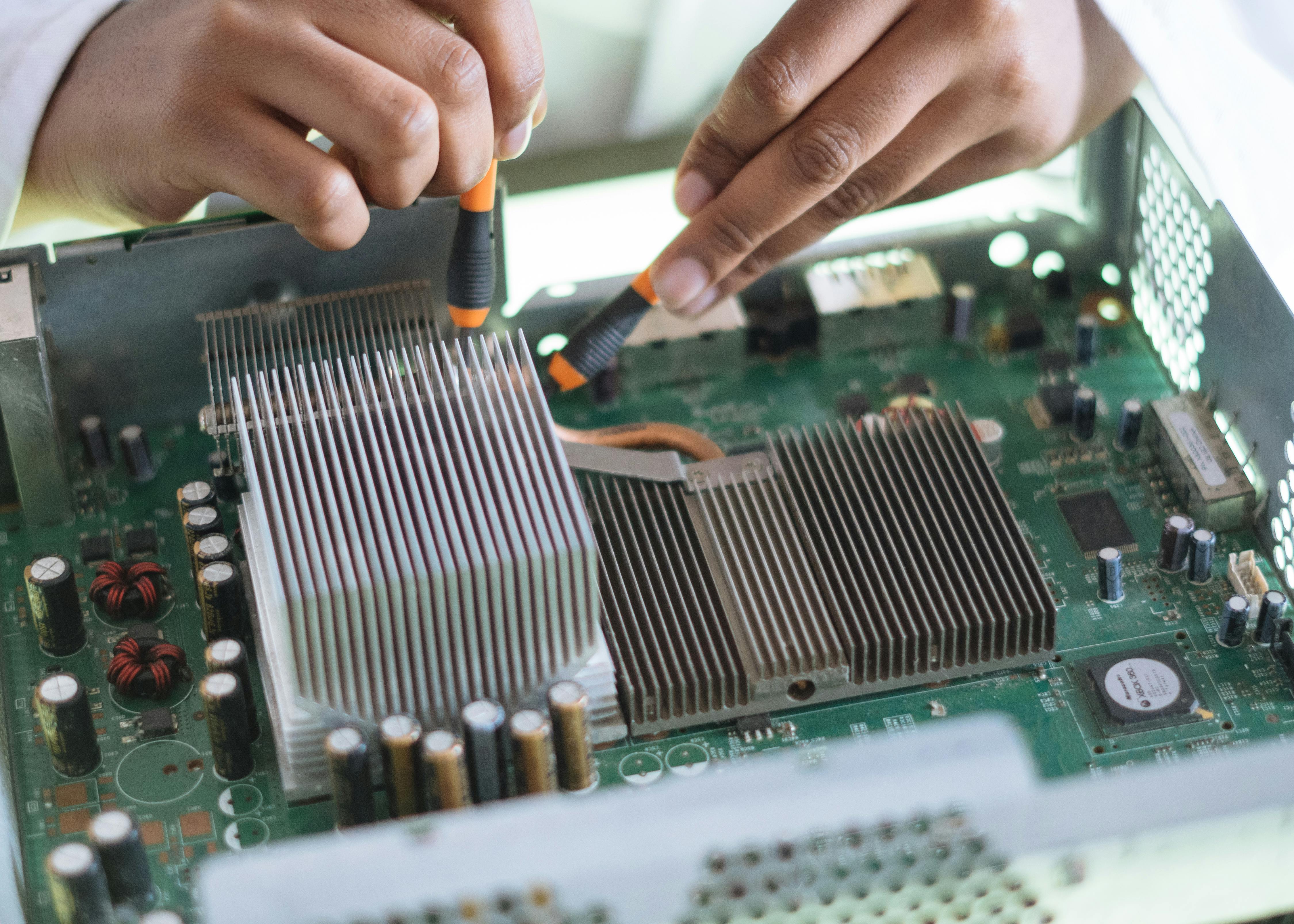
Images of disassembled devices, repair benches, and e‑waste sites offer a tangible view of what is often an abstract policy debate.


Conclusion: Redefining Ownership in a Connected World
Right-to-repair is no longer a fringe concern; it is a central test of how we balance innovation, security, sustainability, and consumer autonomy. The movement’s rise reflects a broader shift in expectations: people increasingly want devices that last, can be fixed locally, and do not become e‑waste after a minor fault or a few years without updates.
The most constructive path forward is not a simplistic “open everything” or “lock everything” stance, but a technically grounded compromise: devices designed for repair where it is safe and practical; clear, enforceable rules that prevent anti‑competitive lock‑ins; and a robust ecosystem of documentation, tools, and independent expertise.
Over the next decade, the outcome of this debate will shape more than our gadgets. It will influence how we think about ownership, resource use, digital rights, and the resilience of the systems our societies depend on. In that sense, right-to-repair is not just about fixing broken screens—it is about fixing the broken incentives that make disposable technology seem normal.
Further Learning and Actions You Can Take
For readers who want to dive deeper or get involved, there are several concrete steps you can take.
Learn More
- Read long‑form coverage on Wired, Ars Technica, and The Verge’s right-to-repair hub.
- Watch teardown and repair tutorials on channels like iFixit and Louis Rossmann.
- Explore policy analysis and updates from organizations such as The Repair Association and U.S. PIRG.
Advocate and Participate
- Support local repair shops and makerspaces that teach repair skills.
- Contact your local representatives about right-to-repair legislation in your region.
- When buying new devices, let manufacturers know that repairability and long‑term support influence your purchasing decisions.
References / Sources
Selected sources and further reading:
- iFixit – Teardowns, repair guides, and repairability scores
- The Verge – Right-to-repair topic hub
- Wired – Right-to-repair coverage
- Ars Technica – Gadgets & right-to-repair reporting
- The Repair Association – Policy and advocacy
- U.S. PIRG – Right-to-repair campaign
- Hacker News – Technical discussions on firmware, repair, and security
- UNEP / Global E‑waste Monitor – Global e‑waste statistics
