
Why Right-to-Repair Is Reshaping Tech: Device Longevity, E‑Waste, and the Backlash Against Sealed Gadgets
Once a fringe issue championed by tinkerers, farmers, and a few policy wonks, right‑to‑repair is now a permanent fixture in tech headlines, YouTube teardowns, and legislative hearings from Washington, D.C. to Brussels. As smartphones, laptops, game consoles, and even tractors have become harder and more expensive to fix, consumers and regulators are pushing back against sealed designs, glued‑in batteries, and software locks.
Today, device longevity and repairability are emerging as a new axis of competition alongside camera quality, CPU benchmarks, and industrial design. Major outlets such as Ars Technica, The Verge, Wired, Engadget, and TechRadar now routinely discuss repairability scores, parts availability, and software support windows in their reviews. Meanwhile, companies from Apple and Samsung to John Deere are under pressure to open up their ecosystems—or at least appear to.
This article examines the current state of right‑to‑repair as of 2026, including its legislative momentum, the real engineering constraints, the environmental and economic stakes, and the security and IP arguments manufacturers raise. It also looks at practical implications for consumers deciding what to buy, when to repair, and how to extend the life of their technology.
Mission Overview: What Is Right‑to‑Repair and Why It Matters
At its core, right‑to‑repair is about agency: if you buy a product, do you truly own it—hardware and software—or are you leasing a tightly controlled platform from the manufacturer? Advocates argue that ownership should include:
- The legal right to open, diagnose, and repair your device without voiding essential protections.
- Access to spare parts, repair manuals, and diagnostic tools on reasonable terms.
- The freedom to use independent repair shops instead of only authorized service centers.
- Designs that enable replacement of key components like batteries, displays, and storage.
“If you can’t fix it, you don’t really own it. You’re just renting it from the company that sold it to you.”
For manufacturers, the stakes are equally high. Opening devices to repair can reduce revenue from in‑house service, complicate security models, and constrain industrial design. Yet failure to adapt risks regulatory penalties, reputational damage, and lost sales as repairability becomes part of mainstream purchasing criteria.
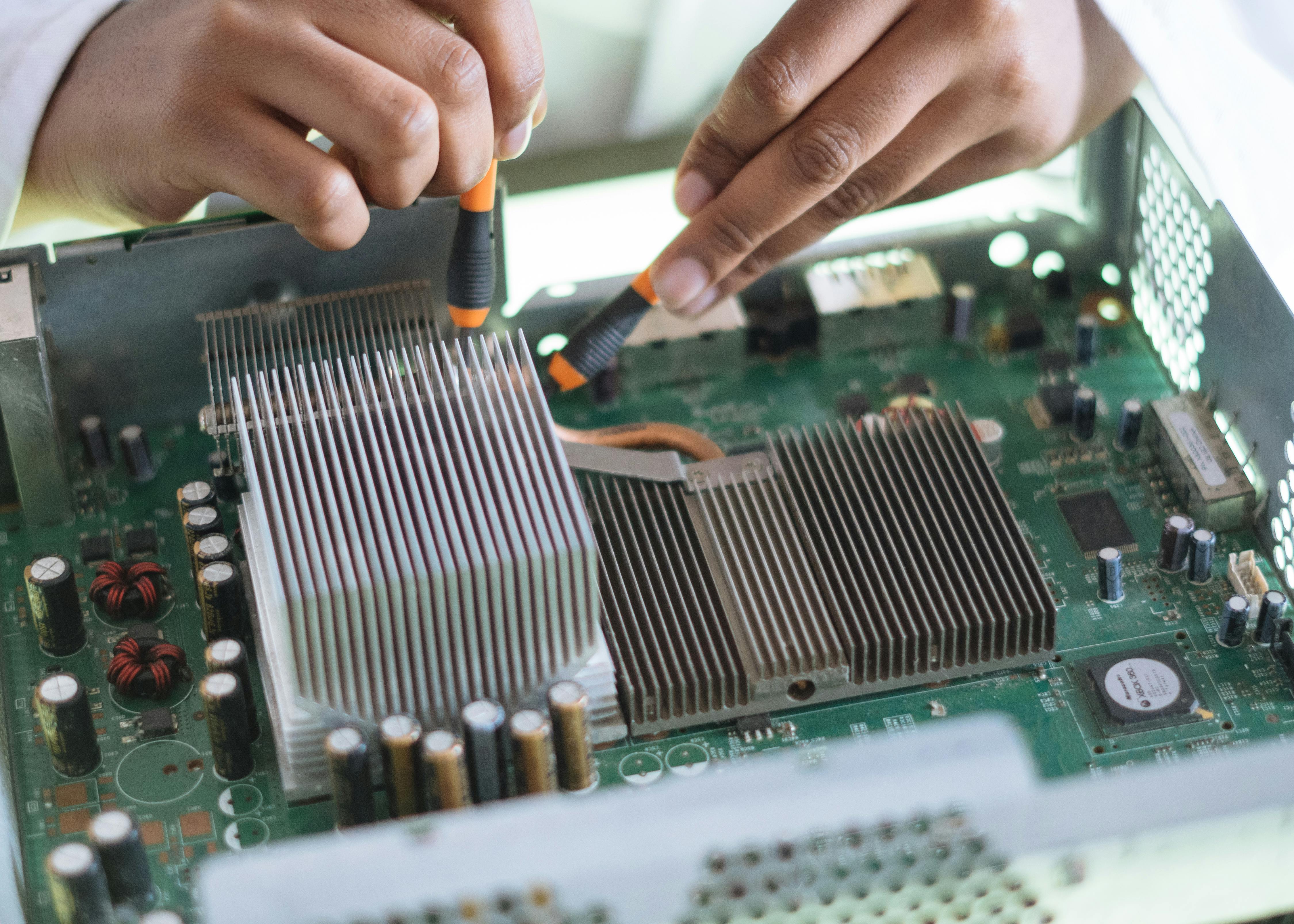
The Visual Landscape of Sealed vs. Repairable Devices


Legislative Momentum: From Fringe Bills to Global Policy
Over the past few years, right‑to‑repair initiatives have moved from symbolic bills to enforceable statutes in multiple jurisdictions. The landscape in 2025–2026 features a patchwork of laws but a clear trend: regulators are expecting longer support, more repairable designs, and less restrictive software controls.
Key legislative developments
- United States – State‑level consumer electronics laws
Several states—including New York, Minnesota, and California—have passed digital right‑to‑repair measures that require manufacturers to provide:- Spare parts and tools to consumers and independent shops.
- Electronic service manuals and diagnostic software.
- Comparable terms for third‑party and authorized repair outlets.
- European Union – Ecodesign and circular‑economy regulations
The EU has been especially aggressive, with measures that:- Set minimum periods for spare‑parts availability and software updates.
- Mandate user‑replaceable or at least easily serviceable batteries in many devices.
- Introduce energy‑label style repairability indices for consumer products.
- Agricultural and heavy equipment
Farmers’ struggles with locked‑down tractors from companies like John Deere have led to additional scrutiny. Some U.S. states and countries are targeting agricultural equipment specifically, requiring:- Access to diagnostic codes and calibration tools.
- The ability to replace certain components without dealer intervention.
“Repairability is fast becoming a regulatory obligation rather than a voluntary design feature.”
Tech companies have responded with a mix of lobbying and adaptation. Some have pushed to narrow definitions or carve out exemptions, while others have launched self‑service repair programs or partnered with independent repair chains to get ahead of regulations and shape how they are interpreted.
Technology and Design Trade‑offs: Why Are Gadgets So Hard to Fix?
Critics often assume that unrepairable devices are simply the result of anti‑consumer design. While business incentives do play a role, there are genuine engineering tensions between sleek, durable hardware and highly modular, repair‑friendly construction.
Thinness, weight, and structural integrity
Modern smartphones and laptops pack high‑density batteries, multiple antennas, advanced camera modules, and powerful SoCs into millimeter‑thin chassis. Design teams face several constraints:
- Mechanical rigidity: Unibody designs and adhesive‑bonded structures can improve stiffness and drop performance but make disassembly difficult.
- Component stacking: Stacked PCBs and integrated camera housings save space but reduce modularity.
- Thermal management: Direct contact between components and chassis, plus custom vapor chambers, may rely on precisely applied thermal paste and pads that are hard to reassemble.
Water resistance vs. serviceability
High IP ratings (e.g., IP68 for dust and water resistance) are now marketing must‑haves for flagship phones. Achieving these ratings often requires:
- Gaskets and adhesive seals around seams and buttons.
- Glued‑in displays and back panels to reduce entry points for water.
- Fewer removable covers or ports.
Each of these decisions makes it harder to open a device without damaging it or compromising its seals. Some manufacturers are experimenting with reusable gaskets and modular seals, but these are still edge‑case designs, not yet industry‑wide defaults.
Integration and soldered components
To maximize performance and minimize size and cost, designers increasingly rely on:
- System‑on‑chip (SoC) integration, which collapses CPU, GPU, and often RAM into one package.
- Soldered SSDs and RAM in laptops, improving performance per watt and reliability but eliminating upgrades.
- Custom flex cables and proprietary connectors that reduce assembly complexity yet frustrate third‑party repairs.
“There is no free lunch in hardware design. Every extra millimeter of thickness buys you modularity, battery, or both—but marketing rarely wants that millimeter.”
Organizations like iFixit attempt to quantify these trade‑offs with repairability scores, which are increasingly cited by review outlets. A high score typically rewards:
- Use of standard screws instead of proprietary ones.
- Modular subassemblies for battery, display, and ports.
- Availability of official parts and documentation.
As these scores gain visibility, they put pressure on manufacturers to rethink certain design decisions—especially in mid‑range and professional devices where longevity matters most.
Environmental and Economic Significance: E‑Waste, Carbon, and Your Wallet
E‑waste is among the fastest‑growing waste streams globally, with tens of millions of metric tons generated each year. When devices are designed to be discarded after a few years—and repairs are prohibitively expensive—consumers, municipalities, and the planet pay the price.
Environmental stakes
- Embodied carbon: Most of a device’s lifetime carbon footprint is emitted during manufacturing, not use. Extending a smartphone’s life from three to five years can significantly reduce its annualized carbon impact.
- Toxic materials: Electronics contain heavy metals and complex plastics that are difficult to recycle safely and efficiently, especially in low‑regulation environments.
- Resource depletion: Rare earth elements, cobalt, and other critical minerals are energy‑intensive to extract and refine.
“The greenest smartphone is the one you already own.”
Economic impacts on consumers and small businesses
The financial side of right‑to‑repair is rarely neutral:
- High out‑of‑warranty repair costs push consumers toward premature replacement.
- Independent repair shops provide local jobs and more affordable services but struggle when parts and documentation are restricted.
- Lifetime device cost can drop significantly when batteries, storage, or screens are replaceable, especially for professional users.
For many, the ability to replace a battery for $50–$100 instead of buying a $1,000 phone every 2–3 years is not just environmentally sensible but economically necessary.
Security, Safety, and IP: The Manufacturers’ Counter‑Arguments
Device makers rarely frame their resistance to broad right‑to‑repair laws as purely financial. Instead, they highlight potential risks in three major domains: security, safety, and intellectual property.
Security and trust models
Modern devices rely on hardware‑backed security features such as secure enclaves, trusted platform modules (TPMs), and cryptographically paired components. Manufacturers argue that:
- Unauthorized repairs could introduce malicious hardware capable of tampering with secure boot or data encryption.
- Parts pairing (e.g., cryptographically binding a display or Touch ID sensor to a specific device) helps prevent stolen parts markets and ensures calibration integrity.
- Opening access to full diagnostic tools could reveal attack surfaces used to compromise devices.
Security researchers counter that these risks can be managed via properly audited protocols, user consent flows, and limited‑scope tools rather than blanket restrictions.
Safety and reliability
High‑energy lithium‑ion batteries and complex power systems can be dangerous when mishandled. Manufacturers emphasize:
- The risk of fires or chemical leaks from improperly installed or low‑quality components.
- Liability concerns if third‑party repairs cause harm.
- Performance issues (e.g., inaccurate sensors, degraded waterproofing) after non‑authorized repairs.
Regulators and standards bodies are exploring ways to address these through certification of independent repairers, part quality standards, and clear labelling rather than outright prohibitions.
Intellectual property and trade secrets
Detailed service manuals and diagnostic tools can reveal proprietary designs or algorithms. Companies claim this:
- Makes it easier for competitors to copy innovations.
- Can expose DRM or watermarking mechanisms used for content protection.
Many right‑to‑repair proposals explicitly exempt DRM circumvention and limit the scope of disclosed information. The legal balance between IP protection and practical repair rights remains an active area of policy debate.
Milestones and Market Responses: Self‑Service Repair, Modular Designs, and Repair Scores
As media scrutiny and regulatory pressure intensified, several large manufacturers have introduced partial concessions and experimental programs.
Self‑service repair programs
Some major smartphone and laptop makers have launched online portals where consumers can:
- Order official parts such as displays, batteries, and cameras.
- Rent or buy specialized toolkits.
- Access step‑by‑step repair guides.
Critics argue that prices often remain high and coverage limited to a subset of regions and models. Still, these initiatives signal that companies recognize repairability as a reputational and regulatory pressure point.
Modular and repair‑first products
A small but growing segment of the market explicitly advertises repairability and modularity as core features. Notable examples include:
- Framework Laptop series: A modular notebook line where users can easily replace the mainboard, ports, battery, keyboard, and even the display. It has been widely covered by outlets like Ars Technica and The Verge.
- Fairphone smartphones: Designed for easy repair and ethically sourced materials, with user‑replaceable modules for the camera, battery, and ports.
These projects prove that consumer‑friendly, high‑performance devices can still prioritize repairability, though they currently occupy niche segments compared to mainstream flagships.
Repairability scores in reviews and marketing
iFixit and, in some regions, government‑backed indexes now provide standardized repair scores. Tech reviewers routinely mention:
- How easy it is to open a device and reach key components.
- Availability and pricing of original or equivalent parts.
- Official documentation and software support timelines.
Over time, this feedback loop is nudging mainstream brands to improve at least basic aspects such as battery replacement and display servicing, particularly in business‑class and education‑focused devices.
Practical Tools and Gear: Building Your Own Repair and Longevity Toolkit
For technically inclined users, modest investments in tools and accessories can significantly extend device lifespans and enable safe, at‑home repairs once warranties expire.
Essential repair tools
A good starter kit typically includes:
- Precision screwdrivers (Torx, pentalobe, Phillips, tri‑point).
- Plastic spudgers and opening picks.
- Anti‑static wrist strap and mat.
- Magnetic project mat for tracking screws.
- Fine‑tip tweezers and a small suction cup.
Many enthusiasts use comprehensive kits such as the iFixit Pro Tech Toolkit, which bundles most of these items in a portable case and is widely recommended in DIY communities.
Protective gear to prevent repairs in the first place
The cheapest repair is the one you never need. Two categories pay off quickly:
- Rugged, drop‑tested phone cases that absorb impact and protect camera lenses. For example, a durable case from well‑regarded brands can dramatically lower the risk of shattered glass or bent frames.
- High‑quality screen protectors that guard against scratches and minor drops, and are far cheaper to replace than a full display. Popular multi‑pack tempered glass sets for flagship phones on Amazon illustrate this point clearly.
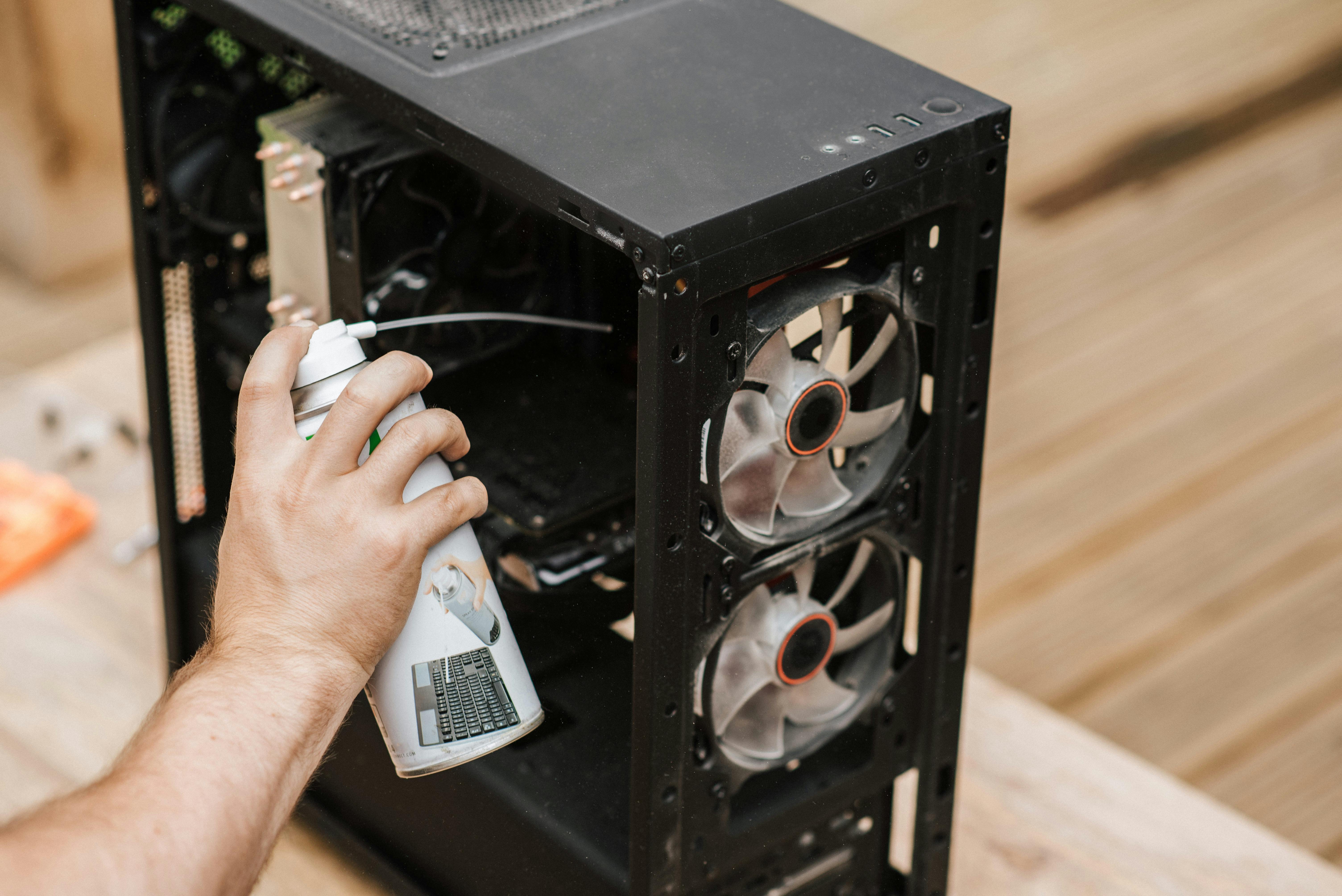
For laptops, padded sleeves, proper ventilation (avoiding soft surfaces that block fans), and occasional internal dust cleaning can add years of usable life.
Why It’s Trending Now: Media, Social Networks, and Deadlines
Right‑to‑repair has benefited from a perfect storm of visibility, timing, and consumer frustration.
Viral teardowns and influencer coverage
YouTube channels specializing in teardowns, repairs, and refurbishment have turned what used to be obscure technical work into highly watchable content. Detailed teardown videos from creators like smartphone teardown channels and educational explainers from Marques Brownlee (MKBHD) have:
- Shown exactly how glued and soldered modern hardware can be.
- Highlighted repair‑friendly design choices when they appear.
- Framed repairability as part of the story, not just specs.
On Reddit and Hacker News, threads dissecting repair scores, EU regulations, and personal repair experiences frequently climb to the front page, amplifying awareness among enthusiasts and professionals alike.
Regulatory deadlines and OEM roadmaps
EU deadlines for replaceable batteries, repairability indices, and minimum software support windows have forced brands to publicly commit to timelines. Tech media and consumer groups track:
- Which models receive longer security updates.
- How quickly manufacturers publish manuals or open parts portals.
- Whether announced policies apply globally or only to select markets.
As these milestones hit, coverage spikes, reinforcing the topic’s visibility and incentivizing competitors to match or surpass each other’s commitments.
Consumer fatigue with disposable tech
After more than a decade of annual upgrade cycles, many users feel diminishing returns from new models—and rising annoyance at broken screens, swollen batteries, or throttled performance nudging them toward replacements.
In response, some buyers now:
- Keep phones for 4–6 years instead of 2–3.
- Seek laptops with user‑serviceable RAM and storage.
- Research parts availability and repair guides before purchase.
Challenges Ahead: Aligning Incentives, Design, and Policy
Despite notable progress, transforming the broader tech ecosystem into one that defaults to longevity and repairability faces multiple challenges.
Fragmented regulations and loopholes
Different jurisdictions define key terms—like “reasonable access,” “security risk,” and “equivalent parts”—in different ways. This results in:
- Inconsistent consumer rights across borders.
- Legal uncertainty for manufacturers and independent repairers.
- Opportunities to comply minimally in letter but not in spirit.
Design culture and marketing inertia
Product teams are often judged on launch‑cycle metrics: thinness, weight, benchmarks, and first‑year sales. Repairability metrics and 5‑year reliability are still secondary KPIs in many organizations. Shifting this mindset requires:
- Executive‑level buy‑in to measure and reward longevity.
- Cross‑functional collaboration between sustainability, design, and engineering teams.
- Customer‑facing storytelling that celebrates longevity rather than only novelty.
Skill gaps and safe repair ecosystems
As devices grow more complex, safe, high‑quality repair requires training. Building a robust ecosystem means:
- Accessible vocational programs and certifications for electronics repair.
- Clear documentation and genuine parts availability.
- Consumer education on when DIY is appropriate and when professional repair is safer.
Smart Buying and Maintenance: A Consumer Checklist
Even as policy debates continue, individual buyers can meaningfully influence the market and extend their devices’ lifespans through smarter choices.
Before you buy
- Check repairability scores and teardown reports.
Look at resources like iFixit, YouTube teardowns, and detailed reviews on TechRadar and The Verge. - Confirm software support timelines.
Many manufacturers now publish how many years of security and OS updates you can expect. Favor devices with 5+ years of updates where possible. - Look for modular features.
Replaceable batteries, accessible storage, and standard screws are strong positive indicators.
After you buy
- Apply a high‑quality case and screen protector early.
- Avoid exposing devices to extreme heat or moisture.
- Use surge protectors and avoid cheap, unverified charging bricks.
- Back up regularly so that, if repair fails, data is still safe.
When something breaks, compare:
- Official repair costs vs. independent shops vs. DIY.
- Environmental and financial cost of replacing vs. repairing.
- Upgrade benefits—are you solving a real limitation or just chasing novelty?
Conclusion: From Disposable Gadgets to Durable Digital Infrastructure
Right‑to‑repair is no longer just about fixing cracked phone screens. It is part of a broader shift in how we think about our relationship with technology—from disposable consumer goods to critical, long‑lived infrastructure embedded in every aspect of life, from communication and entertainment to agriculture and healthcare.
As regulators continue to legislate, engineers refine designs, and consumers reward longevity with their wallets, we are likely to see:
- Clearer labelling of device lifespan, repairability, and support horizons.
- More modular and serviceable designs, at least in certain market segments.
- Growth in professional and community‑based repair ecosystems.
The backlash against sealed gadgets is not a rejection of innovation but a demand that innovation account for ownership, sustainability, and fairness. Devices that are powerful, beautiful, secure—and fixable—are not only possible; they are steadily becoming an expectation.
Additional Resources and Further Reading
To dive deeper into the technical, legal, and practical sides of right‑to‑repair, explore the following resources:
- iFixit – Right‑to‑Repair Hub for campaign updates and repair guides.
- U.S. Public Interest Research Group (Repair.org) for legislative tracking in the United States.
- EU E‑waste and Circular Economy pages for policy documents and ecodesign initiatives.
- Sustainability coverage from Wired and The Next Web for environmental and economic context.
- Educational repair and teardown videos on YouTube for step‑by‑step examples.
If you are considering your next major tech purchase, it can be useful to keep a simple note or spreadsheet tracking models you are interested in, their official support windows, and any available repair scores. Over time, this small habit can save significant money, reduce your environmental footprint, and send a clear market signal: the age of sealed, disposable gadgets is ending, and durable, repairable technology is the future.
References / Sources
- https://www.ifixit.com
- https://www.repair.org
- https://arstechnica.com/gadgets
- https://www.theverge.com/tech
- https://www.wired.com/tag/right-to-repair
- https://environment.ec.europa.eu/topics/waste-and-recycling/electrical-and-electronic-waste_en
- https://www.eea.europa.eu/publications
- https://thenextweb.com/tag/right-to-repair
- https://news.ycombinator.com
