
Why Mammoth Lakes Is Still on Alert After a Deadly Hantavirus Outbreak
Nearly a year after three sudden deaths from hantavirus in Mammoth Lakes, many people still feel uneasy about visiting cabins, ski condos, or high-country trails in the Eastern Sierra.
If you’ve ever opened a rarely used cabin or walked into a storage shed and seen rodent droppings, you’ve probably wondered, “Is this safe?” The tragedy in Mammoth Lakes in early 2025 – where three people died from hantavirus pulmonary syndrome (HPS), a rare but often deadly lung infection – made that question feel painfully real for residents and visitors alike.
This page walks you through what happened, what we now understand about hantavirus, and, most importantly, how to protect yourself and your family. The aim isn’t to scare you away from the outdoors or from Mammoth Lakes, but to give you clear, evidence-based steps so you can make informed, calm decisions.

What Happened in Mammoth Lakes – And Why It Matters
In the first few months of 2025, Mammoth Lakes – a beloved ski and mountain town in California’s Eastern Sierra – experienced what local officials described as an “unprecedented” health threat. Three adults died from hantavirus pulmonary syndrome after likely exposure to infected rodent droppings or urine. For a community that thrives on tourism, the news was shocking and deeply personal.
Local health departments, lodging operators, and residents responded quickly. Cabins and condos were inspected, cleaning protocols were upgraded, and public health messaging was stepped up. Nearly a year later, the town remains vigilant: warning signs, detailed cleaning instructions, and rodent-control efforts are now part of daily life rather than a short-lived reaction.
“Hantavirus is rare, but when it strikes, it can be devastating. Our goal isn’t to cause panic, but to empower people with knowledge so they can enjoy the mountains safely.”
— Imagined summary of guidance consistent with CDC-style messaging
What happened in Mammoth Lakes is relevant far beyond the Eastern Sierra. Similar rodent-borne risks exist across the Western United States, parts of Canada, and other regions worldwide where wild rodents live close to people and vacation properties.
Understanding Hantavirus and Hantavirus Pulmonary Syndrome
Hantavirus is a family of viruses carried mainly by rodents. In the United States, the most common strain that causes severe lung illness is called Sin Nombre virus, primarily carried by the deer mouse. When someone talks about hantavirus in the context of Mammoth Lakes or the Sierra Nevada, this is usually what they mean.
When hantavirus infects people, it can cause hantavirus pulmonary syndrome (HPS), a serious respiratory illness. Early symptoms often look like the flu – which is one reason it can be so dangerous.
- Early symptoms (first 1–4 days): fever, fatigue, muscle aches, sometimes headache, nausea, or stomach pain.
- Later symptoms: coughing and shortness of breath as the lungs fill with fluid.
- Timeline: symptoms usually begin 1–8 weeks after exposure, based on CDC and prior outbreak reports.
HPS is rare but can be fatal. Historically, U.S. case fatality rates have been around 30–40% in published CDC summaries. That’s why public health authorities treat even a handful of local cases as a serious event.

How Hantavirus Spreads: Clearing Up Common Myths
One of the most important lessons from Mammoth Lakes is that risk is tied to exposure, not panic headlines. Understanding how hantavirus spreads helps you focus on what matters and ignore what doesn’t.
Main ways hantavirus can spread
- Inhaling contaminated dust
When dried rodent urine, droppings, or nesting materials are disturbed – for example by sweeping or vacuuming – tiny particles can become airborne and inhaled. - Direct contact
Touching rodent urine, droppings, or nesting materials and then touching your mouth, nose, or eyes can pose a risk, especially if you have small cuts. - Bites (rare)
Rodent bites can transmit the virus, but this appears to be an uncommon route according to historic case reports.
What does not typically spread hantavirus?
- Casual contact with an infected person (e.g., talking, sharing a room).
- Swimming pools or treated municipal drinking water.
- Briefly walking through an area where rodents live, with no obvious droppings or enclosed dust.
“Human-to-human transmission of Sin Nombre virus has not been demonstrated in the United States.”
— Paraphrased from CDC hantavirus guidance
This is a key reason experts emphasize safe cleaning and rodent control in cabins, garages, and outbuildings — not avoiding entire regions or communities.
How Mammoth Lakes Is Responding: From Emergency to Ongoing Vigilance
After the 2025 deaths, Mammoth Lakes and surrounding Mono County took a layered approach to reduce hantavirus risk. Much of what they implemented is relevant to any mountain town or rural community.
- Public education: Signs, online resources, and local media explained how hantavirus spreads and how to clean rodent-contaminated areas safely.
- Stricter cleaning protocols: Lodging operators and property managers were encouraged to adopt CDC-style disinfection procedures between guests and after long closures.
- Rodent control efforts: Many property owners sealed entry points, removed outdoor clutter, and worked with pest-control professionals.
- Healthcare alertness: Local clinicians were reminded to consider HPS in patients with severe respiratory illness and rodent exposure.
From conversations and case descriptions in similar outbreaks, some residents described a period of intense anxiety followed by a more balanced, informed vigilance as clear guidance became available.

Step-by-Step: How to Safely Clean Rodent Droppings and Nests
One of the biggest practical lessons from prior hantavirus outbreaks is that the way you clean matters. A quick, dry sweep can stir up infectious dust; a slow, damp approach can dramatically reduce risk.
Before you start: Assess and ventilate
- Open doors and windows for at least 30 minutes to air out the space, staying out of the room during that time if possible.
- Look for signs of heavy infestation (large amounts of droppings, strong odor, extensive nesting). In that case, consider hiring professional cleaners with protective equipment.
What you’ll need
- Disposable gloves (rubber, latex, or nitrile).
- Household disinfectant or a fresh bleach solution (e.g., 1 part bleach to 10 parts water).
- Paper towels or disposable rags.
- Trash bags you can seal tightly.
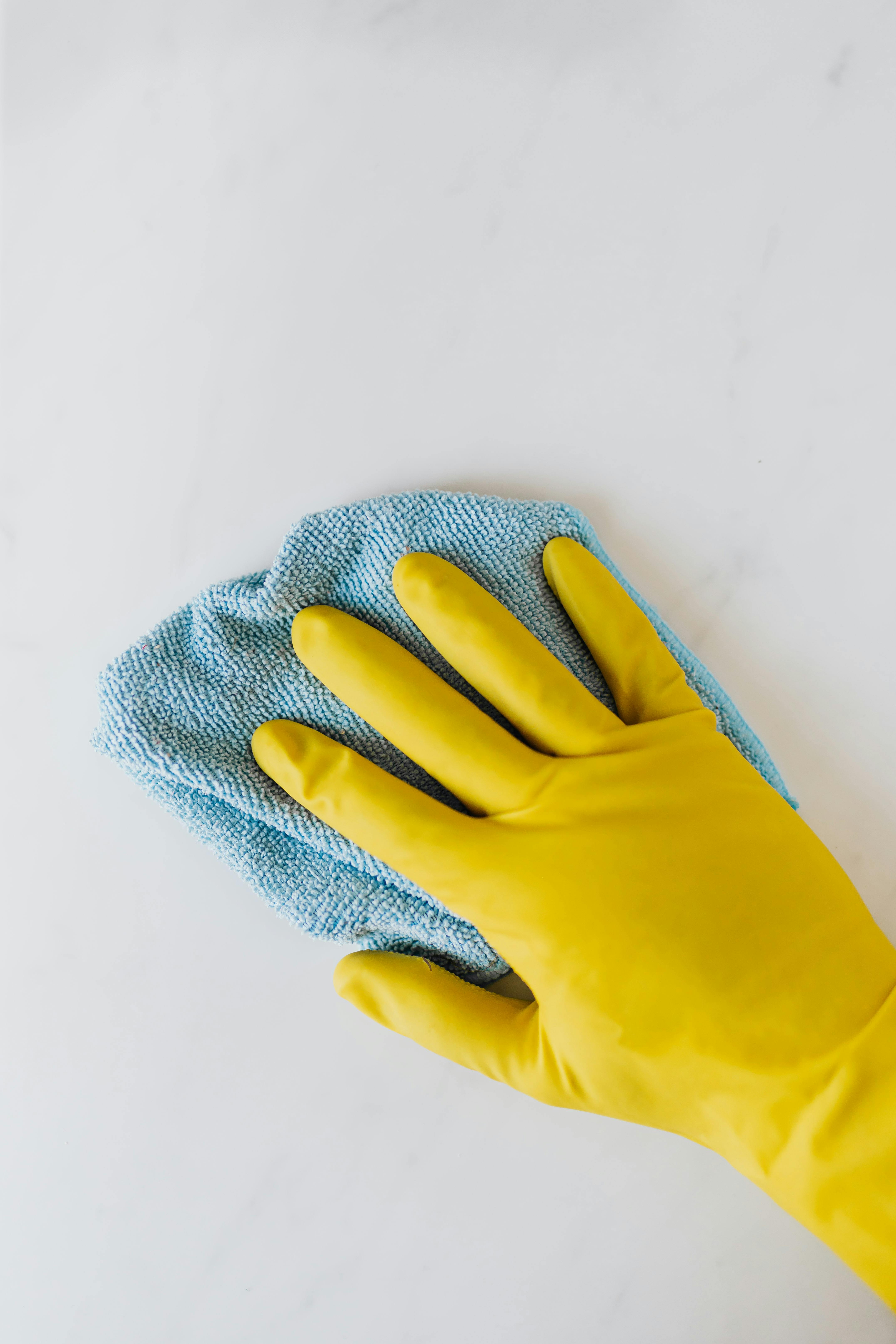
Safe cleaning steps (adapted from CDC-style guidance)
- Put on gloves before you touch any contaminated surfaces.
- Do not sweep or vacuum dry droppings, urine, or nests.
- Thoroughly spray droppings, nest materials, and contaminated areas with disinfectant until very damp. Let sit for at least 5 minutes (or follow product instructions).
- Wipe up the material with paper towels and place them directly into a trash bag.
- Disinfect surrounding surfaces (floors, countertops, cabinet shelves) with more disinfectant.
- Seal the trash bag, then place it in a second bag if possible and seal again.
- Remove gloves and wash hands thoroughly with soap and water.
Rodent-Proofing Your Cabin, Condo, or Home
Preventing rodents from moving in is one of the most effective ways to lower hantavirus risk. This is where many Mammoth Lakes property owners have focused their long-term efforts.
1. Seal entry points
- Inspect around pipes, vents, foundations, and rooflines for gaps larger than 1/4 inch.
- Seal holes with steel wool plus caulk, or metal flashing — rodents can easily chew through foam alone.
- Repair broken screens, door sweeps, and weather stripping.
2. Remove food sources
- Store pantry items in metal, glass, or heavy plastic containers with tight lids.
- Clean up crumbs and spills promptly; avoid leaving pet food out overnight.
- Secure outdoor trash cans with tight-fitting lids; avoid bags left on decks or porches.
3. Tidy up nesting sites
- Reduce clutter in garages, sheds, and under decks where rodents like to nest.
- Stack firewood at least 12 inches off the ground and several feet from structures.
- Trim vegetation and ground cover away from building foundations.

Visiting Mammoth Lakes or Similar Mountain Towns: How to Stay Safe
For most visitors, the risk of hantavirus during a trip to Mammoth Lakes or similar destinations is low, especially if you’re staying in accommodations with modern cleaning and good rodent control. Still, it’s reasonable to take a few simple precautions.
Before your trip
- Check recent updates from the local health department and tourism board.
- Ask your lodging provider about their rodent control and cleaning protocols, especially for long-vacant units.
- Consider bringing disposable gloves and disinfectant wipes if you’ll be opening garages, sheds, or older cabins.
During your stay
- On arrival, visually scan for droppings, strong urine odors, or extensive nesting materials in corners, under sinks, and in closets.
- If you see heavy contamination, contact the property manager immediately and avoid cleaning it yourself.
- Keep food sealed, trash contained, and doors closed when not in use.
Outdoor activities
- Hiking, skiing, and general outdoor activities are considered low risk when you’re not disturbing rodent nests in enclosed spaces.
- Avoid sleeping or placing gear directly on areas with visible rodent droppings.
When to Seek Medical Care and What to Tell Your Doctor
Because early hantavirus symptoms can look like many other illnesses, it’s crucial to connect symptoms with possible rodent exposure when you talk to a healthcare provider.
Call a clinician or urgent care if you:
- Develop fever, fatigue, or muscle aches within a few weeks of significant rodent exposure (e.g., cleaning a heavily contaminated cabin).
- Notice worsening cough or shortness of breath after such exposure.
Seek emergency care (call emergency services) if you:
- Have sudden, severe difficulty breathing.
- Feel faint, confused, or have chest pain along with breathing problems.
When you arrive, clearly mention:
- Where you’ve been (e.g., “I was in Mammoth Lakes last week”).
- What you did (e.g., “I cleaned a cabin with lots of mouse droppings”).
- When symptoms began relative to that exposure.
Early recognition and supportive hospital care have been associated with better outcomes in HPS, according to published case series. Prompt evaluation truly matters.
What the Science Says: Balancing Risk and Reality
Since the first recognized U.S. hantavirus outbreak in the early 1990s, public health agencies have learned a lot about how this virus behaves. The picture that emerges is sobering but not hopeless.
- Hantavirus exposure is not new — deer mice and similar rodents have long lived near people in Western North America.
- Confirmed human cases remain rare compared with the vast number of people who spend time in rodent-inhabited areas.
- Severe disease is serious, with high fatality rates once HPS develops, underscoring the importance of prevention and early care.
- Evidence-based precautions work — outbreaks linked to cabins, mines, or other specific settings have been controlled by improving cleaning and rodent-proofing, not by abandoning entire regions.

As of early 2026, there is no widely available vaccine or specific antiviral cure for HPS. Management focuses on intensive supportive care in hospital settings. That makes basic prevention — like the steps you’ve seen in this guide — even more valuable.
Moving Forward: Staying Informed Without Living in Fear
The losses in Mammoth Lakes were heartbreaking, and they shook many people’s sense of safety in a place they love. Yet the community’s response — more education, better cleaning, stronger rodent control — offers a practical roadmap for anyone who lives, works, or vacations in mountain towns.
You don’t have to choose between enjoying the outdoors and protecting your health. By understanding how hantavirus spreads and taking a few deliberate steps, you can reduce your risk substantially while still skiing, hiking, or relaxing by the fire.
Your next steps:
- Save or print a simple hantavirus safety checklist for your cabin or condo.
- Talk with your family or travel group about safe cleaning and food storage before your next trip.
- Stay connected with trustworthy sources — like your local health department and the CDC — for updates.
With knowledge, a bit of planning, and respect for the environments we visit, mountain towns like Mammoth Lakes can remain places of healing, adventure, and connection — not sources of constant worry.
