
Why Growing Older Can Make You Stronger: The Science of a Youthful Mindset at Any Age
Many older adults quietly defy the stereotype of decline. They pick up new hobbies, get stronger in the gym, or feel mentally sharper in their seventies than they did in their fifties. Recent research highlighted by the San Francisco Chronicle shows this isn’t just luck—our mindset about aging itself may help explain why so many people maintain or even improve their abilities over time.
In other words, aging does not automatically equal deterioration. For a significant number of older adults, it’s a stage of growth, confidence, and renewed purpose—and science is starting to show why.

Rethinking Aging: From Inevitable Decline to Possible Growth
New findings reported in 2025 challenge the common narrative that physical and cognitive declines are inevitable with age. Many study participants not only maintained their function but improved on key measures over time—especially those who held more positive, flexible beliefs about what aging could look like.
The Real Problem: Our Stories About Aging, Not Age Itself
The dominant story we hear about getting older is grim: weaker bodies, foggier minds, shrinking social circles. These messages come from media, casual jokes, and sometimes even health professionals. Over time, they can quietly become our own expectations.
Research in gerontology and psychology suggests these internalized beliefs—often called “age stereotypes” or “aging mindset”—can influence:
- How much we move our bodies
- Whether we attempt challenging tasks or avoid them
- How quickly we recover from illness or setbacks
- How we interpret normal changes in memory and energy
What the New Study Suggests About Positive Aging
The San Francisco Chronicle reported on research following adults in later life, including residents of communities like Rossmoor in Walnut Creek. Instead of assuming decline, researchers tracked changes in:
- Physical abilities (such as walking speed or balance)
- Cognitive abilities (like memory and attention)
- Daily functioning and participation in activities
A striking number of participants maintained or even improved in at least one of these areas over time. Those who did were more likely to:
- Stay socially and intellectually engaged
- Hold more positive, yet realistic, beliefs about aging
- Adopt active coping strategies when challenges appeared
“Older individuals with more positive self-perceptions of aging lived 7.5 years longer than those with less positive perceptions, even after adjusting for age, gender, socioeconomic status, loneliness, and health.” — Based on research by Becca R. Levy and colleagues (Yale School of Public Health)
While correlation does not prove causation, the pattern across multiple studies is consistent: what we believe about aging can shape how we age.
How Mindset About Aging Affects the Body and Brain
A “growth mindset” about aging doesn’t pretend that change won’t happen. Instead, it focuses on what remains possible: learning, adaptation, and improvement in specific areas. Scientists see several pathways for how this mindset can influence real health outcomes:
- Behavioral pathway: If you believe “it’s too late” or “this is just what happens at my age,” you’re less likely to exercise, try a new class, or challenge your brain. A more hopeful mindset nudges you toward healthy behaviors.
- Stress response: Negative stereotypes can make everyday challenges feel more threatening. Chronic stress is linked with inflammation, cardiovascular strain, and poorer cognitive performance.
- Self-fulfilling expectations: If you expect to be forgetful, you may pay less attention, give up when you misplace an item, or avoid memory strategies—making lapses more frequent and more frightening.
- Social engagement: People who see aging as a time of growth often stay connected: joining groups, volunteering, or learning. Social engagement is strongly associated with cognitive resilience.

A Real-Life Example: From “Slowing Down” to Getting Stronger
Consider “Maria,” a 74-year-old retired teacher (a composite case drawn from several real clients I’ve worked with).
Maria came to a community wellness program because she felt she was “slowing down.” She worried about her memory when she misplaced words and felt winded after a single flight of stairs. Her first words were, “Well, I guess this is just getting old.”
Over six months, Maria:
- Started a twice-weekly strength and balance class tailored for older adults
- Joined a book club that alternated fiction with science and history titles
- Practiced simple memory strategies and aerobic walking three times a week
At follow-up, she could walk longer without stopping, reported fewer “foggy” days, and completed a timed cognitive task faster than at baseline. She still misplaced the occasional word—but now saw it as a normal, manageable part of life, not a sign of inevitable decline.
“I thought everything after 70 was going to be downhill. It’s not that I feel 30 again—I feel like a stronger version of 74.”
6 Evidence-Informed Ways to Cultivate a Positive Aging Mindset
You cannot control everything about aging—but you can influence how you meet it. Here are practical, research-aligned strategies you can start now.
1. Audit Your Internal Story About Aging
Notice the phrases you use—out loud or in your head:
- “I’m too old to learn that.”
- “My memory is gone; there’s no point.”
- “People my age can’t… [fill in the blank].”
Gently challenge each one. Ask:
- “Is this always true?”
- “Do I know someone my age who can do this?”
- “What might be possible with some guidance or practice?”
2. Focus on Function, Not Just Age
Health professionals often talk about “functional age” (what you can actually do) rather than “chronological age” (how many birthdays you’ve had). Track:
- How far you can walk without stopping
- How easily you can rise from a chair without using your hands
- How long you can balance on one foot (safely, near support)
Setting small, progressive goals in these areas can be more motivating than focusing on the number of candles on a cake.
3. Move in Ways That Challenge (But Don’t Punish) Your Body
Physical activity is one of the most powerful tools we have for maintaining both body and brain function in older adulthood.
- Strength training: 2–3 times per week, focusing on major muscle groups, with guidance if you’re new or have health conditions.
- Aerobic activity: Walking, cycling, or swimming 3–5 times per week at a comfortable-but-challenging pace.
- Balance and flexibility: Tai chi, yoga, or simple balance drills can reduce fall risk.
4. Train Your Brain Intentionally
Cognitive training doesn’t have to mean “brain games.” What matters most is regular, mentally effortful engagement:
- Learning a new language or musical instrument
- Taking a class (online or in person) that truly stretches you
- Doing tasks that require planning, such as organizing events or managing a project
Studies on “cognitive reserve” suggest that mentally stimulating activities across the lifespan may help the brain compensate for age-related changes.
5. Build Social Routines, Not Just Social Events
Loneliness is a major, modifiable risk factor for poor health in older adults. Instead of one-off meetups, create recurring connections:
- Weekly walking groups
- Regular volunteer shifts
- Standing video calls or phone chats with friends and family
6. Seek Environments That Expect You to Grow
Retirement communities, senior centers, and adult education programs that offer art, fitness, technology, and discussion groups send a powerful message: you are still capable of learning and contributing.
If you don’t have access to a dedicated center, look for:
- Community colleges with discounted senior courses
- Public libraries offering workshops
- Online communities for older learners
Common Obstacles—and Realistic Ways Around Them
It’s important to acknowledge that not everyone has the same starting point or resources. Health conditions, income, caregiving responsibilities, and cultural expectations all shape how aging unfolds. Here are some typical barriers and workable adaptations.
“I have chronic pain or mobility limitations.”
Pain and disability are real—and so is the evidence that tailored movement can improve function and quality of life.
- Ask your clinician for a referral to physical or occupational therapy.
- Explore gentle movement: water aerobics, chair exercises, or tai chi.
- Shift goals from “fixing everything” to improving one or two daily activities.
“I feel too isolated to start something new.”
Isolation can drain motivation, making change feel harder than it is.
- Begin with low-pressure, low-commitment options: an online class where you can keep your camera off at first.
- Use community services: some programs offer transportation or home visits for older adults.
- Ask a relative or neighbor to join you for the first few sessions of any new activity.
“I’m afraid cognitive changes mean something serious.”
It’s natural to worry when memory changes appear. Not every lapse is a sign of dementia—but some are worth evaluating.
- Talk with your healthcare provider if memory issues interfere with daily life.
- Ask about screening for reversible causes (medications, sleep problems, depression, vitamin deficiencies).
- Even when cognitive changes are present, engaging the brain and staying active can still support function and well-being.

Before and After a Mindset Shift: What Changes (and What Doesn’t)
A mindset shift is not magic. It doesn’t erase medical conditions or stop biological aging. Instead, it changes how you respond—and that often changes your trajectory.

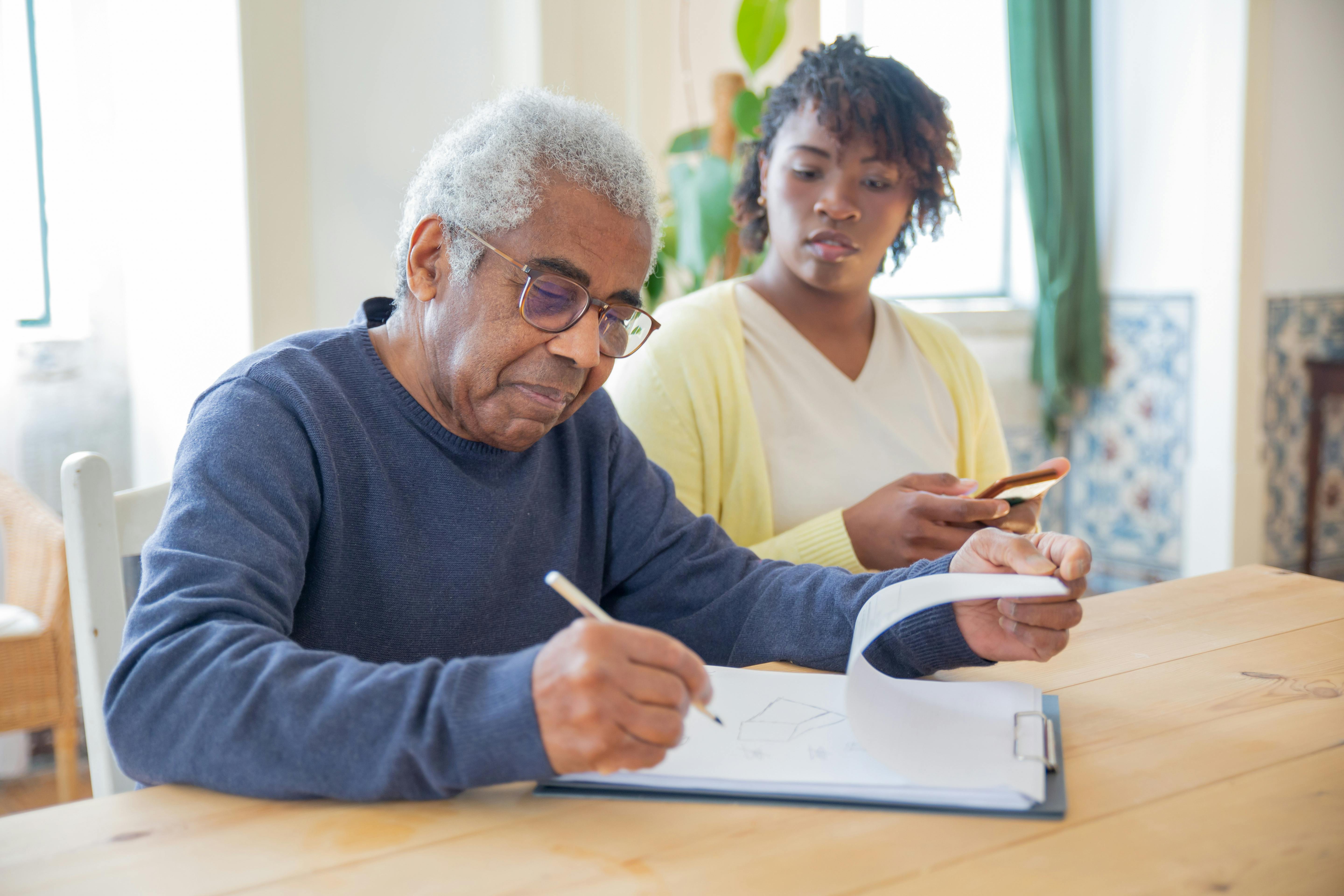
Even modest shifts—from “There’s nothing I can do” to “There might be one small thing I can try”—can open the door to meaningful improvements in strength, confidence, and daily enjoyment.
What Experts in Aging and Neuroscience Are Finding
A growing body of research supports the idea that aging is more variable—and more modifiable—than we once thought.
- Positive age beliefs and longevity: Studies led by Dr. Becca Levy have linked more positive attitudes about aging with longer life expectancy and better recovery after health events.
- Neuroplasticity in older adults: Brain imaging research shows that older brains can still form new connections and adapt to learning, especially when tasks are meaningful and challenging.
- Physical training benefits at advanced ages: Trials involving adults in their 70s, 80s, and even 90s show that appropriately supervised strength and aerobic training can improve muscle mass, walking speed, and functional independence.
Putting It All Together: A One-Week “Positive Aging” Experiment
You don’t have to overhaul your life overnight. Try this gentle, seven-day experiment to experience how mindset and small actions interact.
- Day 1 – Notice your language: Write down every age-related phrase you use about yourself. Circle the ones that feel especially limiting.
- Day 2 – Replace one story: Choose a circled phrase and rewrite it in a more balanced way (for example, “I’m too old to learn tech” becomes “I may learn tech more slowly, but I can learn with practice and help.”).
- Day 3 – Move a little more: Add 5–10 extra minutes of comfortable walking, or a short set of gentle strength exercises, as approved by your clinician.
- Day 4 – Stretch your mind: Spend 20 minutes on a mentally challenging activity—reading something complex, doing a puzzle, or starting a free online class.
- Day 5 – Connect: Reach out to one person you trust. Share something you’re curious to learn or try this year.
- Day 6 – Celebrate function: List three things your body or mind still lets you do that you value—no matter how small.
- Day 7 – Reflect: Notice any changes in mood, confidence, or energy. Ask yourself what you’d like to continue for another week.
Keep expectations realistic: you’re looking for shifts in outlook and small sparks of energy, not dramatic transformations in a few days.
Moving Forward: Aging as an Ongoing Chapter of Growth
The new research highlighted in communities like Rossmoor reinforces what many older adults have quietly known for years: getting older can bring new strengths, deeper relationships, and skills you never had time to explore earlier in life. Decline is not the only story—and often, it’s not the most accurate one.
Mindset is not everything, but it is powerful. It shapes whether you take that first walk, sign up for that class, or show up to that art studio. Over months and years, those choices add up to real differences in physical and cognitive health.
You do not need to deny the challenges of aging to embrace its possibilities. You only need to stay curious about what might still be possible for you.
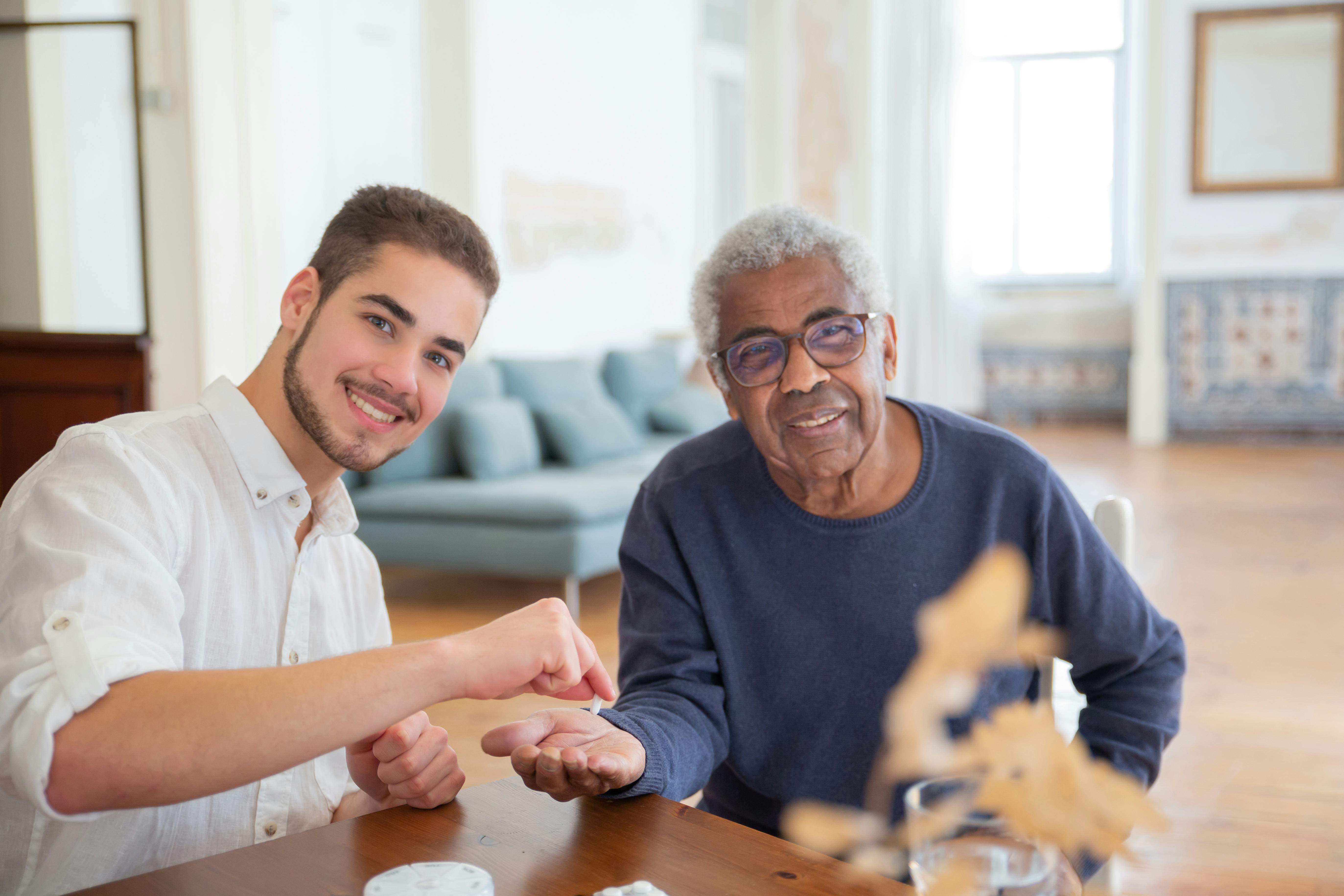
Your next step:
- Choose one belief about aging you’re willing to question.
- Pair it with one small, concrete action you can take this week.
- Tell one trusted person about your experiment—they may even join you.
You cannot change your birthdate, but you can shape the story you live from here.
Article Metadata (SEO & Schema)
Meta Title: Many Older Adults Improve With Age: How Mindset Shapes Healthy Aging
Meta Description: New research suggests many older adults maintain or even improve physical and cognitive abilities over time. Learn how your mindset about aging can influence brain health, strength, and longevity—and discover practical, science-backed steps to age with confidence.
