
Why Future’s Latest Custody Drama With Brittni Mealy Is Bigger Than Just Celebrity Gossip
Future, Brittni Mealy, and the Custody Clash Putting Hip‑Hop Fatherhood on Trial
Rapper Future is back in the headlines as his ex, entrepreneur and influencer Brittni Mealy, reportedly asks a court to throw him in jail for allegedly failing to comply with a court order involving their 12-year-old son, Prince. Beyond the shock-value of a possible jail demand, the story taps into long‑running questions about Future’s public reputation, the pressures of co‑parenting in the spotlight, and how family disputes get weaponized in celebrity culture.
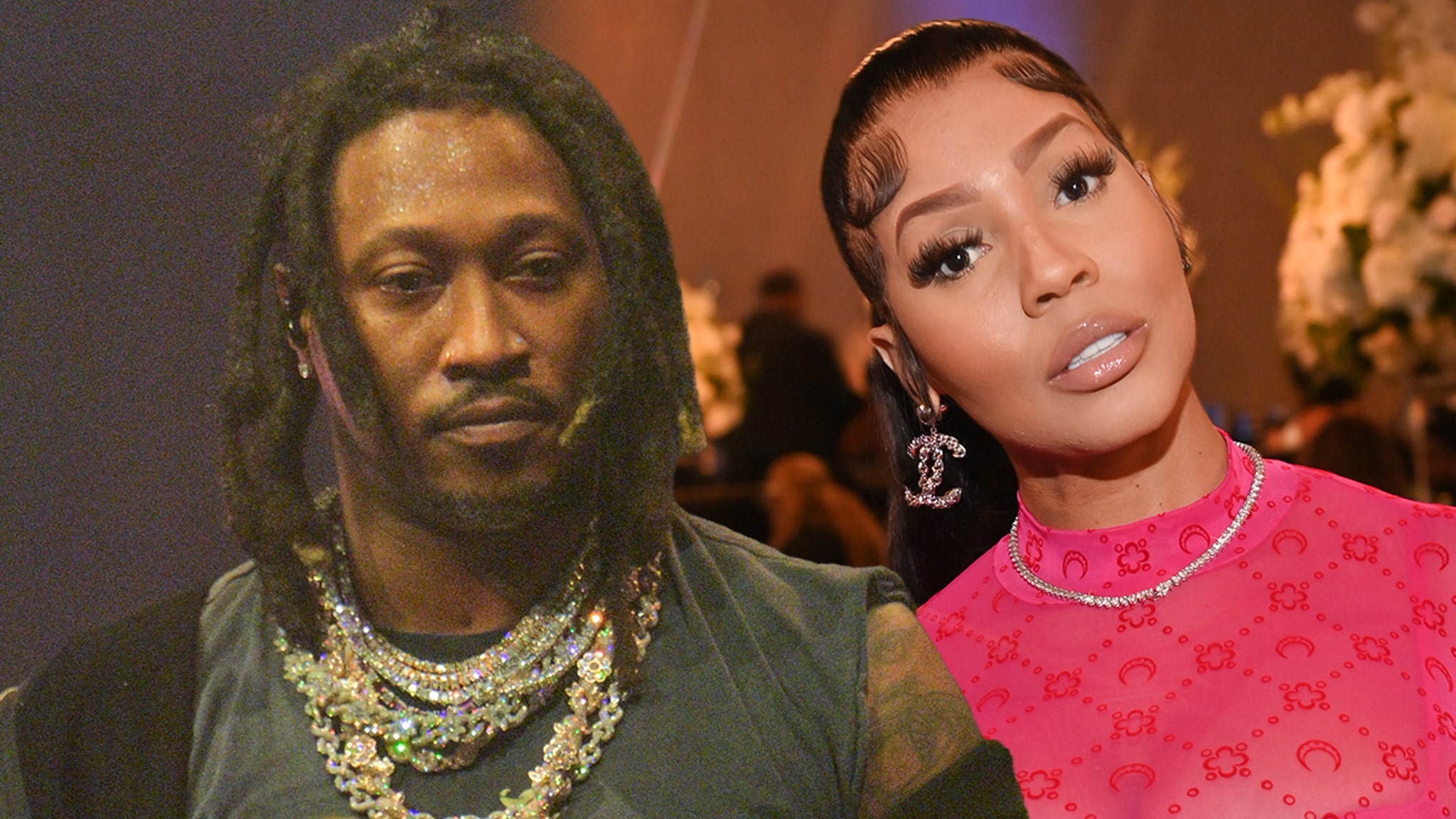
How We Got Here: Future, Brittni Mealy, and Their Son Prince
Future (Nayvadius Wilburn) and Brittni Mealy have been publicly linked for over a decade. Their son, Prince, is now 12, which means this co‑parenting arrangement has existed through multiple phases of Future’s career—from mixtape cult favorite to chart‑topping mainstream star.
Mealy, who has built her own profile as a business owner and social media personality, has previously spoken about the challenges of co‑parenting with a high‑profile artist whose schedule—and lifestyle—don’t always align with traditional family rhythms. Future, for his part, has long leaned into a persona that blurs the line between vulnerable father and emotionally distant playboy, a contradiction that often plays out in his lyrics.
What the Latest Court Dispute Is Reportedly About
According to reporting highlighted by TMZ, Mealy is accusing Future of failing to comply with a court order related to their son Prince. The explosive part is her reported request: that the court jail Future for this alleged non‑compliance. In family law, that’s not as wild as it sounds—judges can and do use the threat of jail, via contempt of court, to enforce orders involving child support, visitation, or other parenting obligations.
The specific terms of the court order have not been fully detailed in public at the time of writing, and much of what’s circulating comes through entertainment‑news framing. That means:
- Key legal filings may be sealed or partially redacted because they involve a minor.
- Public commentary is based on excerpts, summaries, and attorney statements rather than full dockets.
- The narrative is already being shaped as “Future vs. baby mama” instead of “two parents in a complex legal process.”
“Rapper Future’s ex-girlfriend, Brittni Mealy, demanded he be thrown behind bars for failing to comply with a court order over their 12-year-old son, Prince…”
The rhetoric—“thrown behind bars”—is designed to be viral. It also oversimplifies what’s frequently a slow, bureaucratic, and highly technical process in family court.
Hip‑Hop, Fatherhood, and Why This Story Hits a Nerve
Future isn’t just any rapper; he’s a cornerstone of 2010s trap and emo‑rap, with a catalog built on themes of heartbreak, self‑destruction, and complicated relationships. The image of Future as the emotionally unavailable anti‑hero has become a meme template—“toxic Future” as shorthand for messy dating behavior.
When a custody battle like this goes public, it folds neatly into that existing mythos, whether or not the details support it. Social media doesn’t wait for court transcripts: timelines react with jokes, call‑outs, and thinkpieces about:
- Hip‑hop’s long‑standing anxieties about Black fatherhood and responsibility.
- The stereotype of the “deadbeat rapper” who can afford luxury but not stability.
- The way women attached to male stars are flattened into “baby mama” narratives.

Mealy’s request reportedly asks the system to hold Future accountable in a language it understands: legal enforcement, not subtweets. Whether or not jail time is ever seriously on the table, the symbolism is loud—this isn’t just a private disagreement; it’s a plea for institutional backup.
TMZ, Clickable Drama, and the Ethics of Reporting on Kids
Whenever a site like TMZ is involved, it’s worth pausing to ask who benefits from the way the story is told. The article foregrounds Mealy’s call for jail, emphasizes the age of Prince, and underscores Future’s celebrity—all elements engineered for maximum engagement.
But there’s an invisible character in all of this: the child at the center. A 12‑year‑old doesn’t get a vote in how their parents’ fight is framed for millions of strangers, yet their name and family dynamics are now part of the permanent digital record. For media outlets, the line between public interest and public curiosity is thin, and celebrity‑adjacent kids often end up collateral damage.
Coverage like this also interacts with algorithmic bias: stories about Future’s alleged failures travel faster than stories about quiet, functional co‑parenting. Outrage monetizes more efficiently than nuance.
Future’s Brand vs. Real‑Life Responsibility
Future’s music has always flirted with the idea that he’s both self‑aware and self‑sabotaging. Tracks like “Mask Off” and “Hardest Thing” toggle between confession and bravado, suggesting a man who knows his flaws but is too deep in the lifestyle to course‑correct easily.
That duality becomes a liability when real‑world obligations, especially involving children, enter the public sphere. Even if the legal reality is more mundane—missed paperwork, scheduling conflicts, disputed interpretations of an order—the narrative snaps into place: the man who raps about chaos can’t manage his family life either.

Fans are split. Some see the situation as proof that Future’s off‑mic life matches the toxicity of his lyrics. Others argue that we don’t know enough to judge and that private family disputes shouldn’t be litigated on social media. Both reactions reveal how heavily we project onto artists whose only obligation to us, technically, is to make music.
Brittni Mealy’s Position: Mother, Brand, and Public Figure
Mealy isn’t just a footnote in Future’s story; she’s built her own brand through fashion, lifestyle content, and digital entrepreneurship. That means she, too, lives at the intersection of personal life and public persona. Her reported push for serious legal consequences can be read three ways at once:
- As a mother drawing a hard line on consistency, support, or respect for court orders.
- As a public figure who knows that being perceived as passive or silent can be weaponized against her.
- As a woman in hip‑hop orbit navigating a culture that often dismisses women’s grievances as clout‑chasing.
It’s notable that when women tied to male rappers take legal action, the discourse usually shifts from the specifics of the case to their alleged motives: attention, money, revenge. Rarely is the default assumption simply, “She wants stability for her kid.”

Industry Insight: Why Labels and Brands Pay Attention
From an industry perspective, a story like this is a risk‑management problem as much as it is a human drama. Future is not only an artist; he’s a business unit. Labels, streaming platforms, and brand partners all track whether legal trouble is:
- Short‑term tabloid noise, or
- The kind of sustained controversy that can impact touring, endorsements, or long‑term catalog value.
Family‑law disputes don’t usually trigger the kind of backlash associated with violent crime, hate speech, or major financial scandals. But they can chip away at an artist’s relatability, particularly when fans are already debating their personal ethics.
What This Story Gets Right—and What It Misses
Evaluating this as a piece of entertainment news, there are clear strengths and weak spots:
- Strengths
- It surfaces a real legal conflict involving a high‑profile artist that genuinely affects a child’s life.
- It highlights ongoing tensions in Future and Mealy’s co‑parenting dynamic that fans have only seen in fragments.
- It reflects broader cultural anxieties about accountability and fatherhood in hip‑hop.
- Weaknesses
- The framing leans heavily on sensationalism (“thrown behind bars”) without much nuance about family law.
- Prince’s privacy is a secondary concern at best, despite him being the one most affected.
- It risks flattening Mealy into a one‑note antagonist rather than a full person with her own pressures and stakes.

How to Follow the Story Without Feeding the Noise
If you’re interested in how this plays out, there are ways to stay informed without turning a family’s struggle into pure spectacle:
- Seek updates from outlets that provide legal context, not just spicy quotes.
- Remember that court filings don’t always capture the full emotional reality of co‑parenting.
- Be cautious about memes and clips that target the child or either parent personally; the algorithm rewards cruelty, but you don’t have to.
This doesn’t mean disengaging entirely—public scrutiny can sometimes pressure powerful people to honor their responsibilities. It does mean recognizing the difference between accountability and entertainment.
The Bigger Picture: Beyond One Courtroom, Beyond One Rapper
Future and Brittni Mealy’s latest legal clash is more than a gossip item; it’s a snapshot of how fame, gender dynamics, and the American family‑court system intersect in real time. Whether or not a judge ever seriously entertains the idea of jailing Future over alleged non‑compliance, the message from Mealy is clear: she’s willing to use every tool available to secure what she believes is right for their son.
For hip‑hop, the story continues a long conversation about what responsibility looks like when your art is built on your flaws. For fans, it’s a reminder that the people behind the music are navigating systems and relationships that don’t fit neatly into a hook or a headline. The real test won’t be how viral this case goes—it’ll be what Future, Mealy, and the courts actually do next, long after the trending topic moves on.
