
Why Everyone’s Talking About the Protein‑First Diet (And How to Make It Delicious)
The “protein‑first” diet has exploded across TikTok, YouTube, and podcasts, and for once the trend is built on genuinely solid nutrition principles: prioritize protein, pair it with fiber‑rich carbs and healthy fats, and let that combination keep you full, energized, and strong. Instead of rigid rules, it’s a flexible, high‑protein, high‑satiety way of eating that slides beautifully into busy lives and gym schedules.
To bring this idea from theory to your plate, we’re making a High‑Protein Power Bowl—a colorful, customizable bowl built around lean protein, hearty whole grains, and roasted vegetables. Think juicy, well‑seasoned chicken (or tofu), fluffy quinoa, caramelized veggies, and a creamy yogurt‑tahini drizzle that perfumes the kitchen with warm spices. It’s perfect for meal prep, weeknight dinners, or a post‑workout lunch that actually keeps you satisfied for hours.
Quick Recipe Summary (High-Protein Power Bowl)
This protein‑first bowl recipe is designed for high satiety, balanced macros, and adaptability—ideal for those following a high‑protein diet in 2025–2026.
Prep Time:
Cook Time:
Total Time:
Servings: 4 bowls
Difficulty: Easy–Moderate
Diet: High‑Protein, High‑Satiety, Gluten‑Free optional
High-Protein Power Bowl Gallery
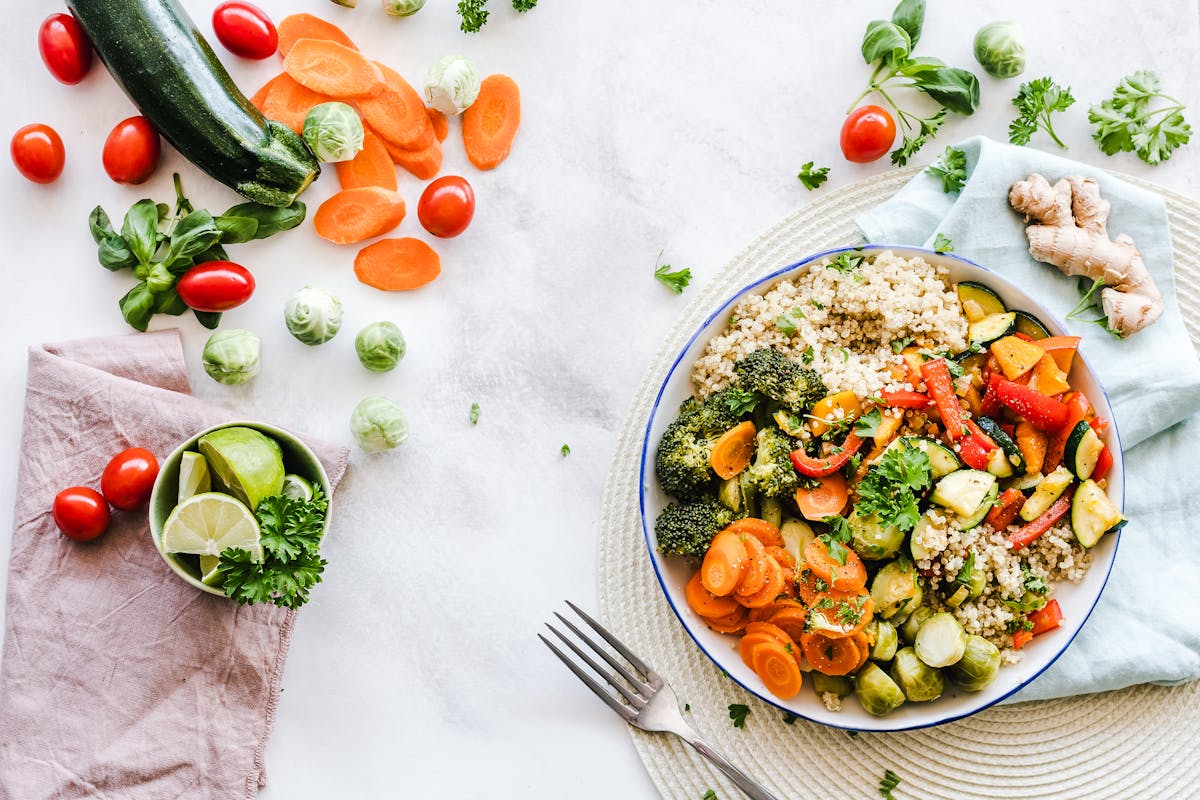
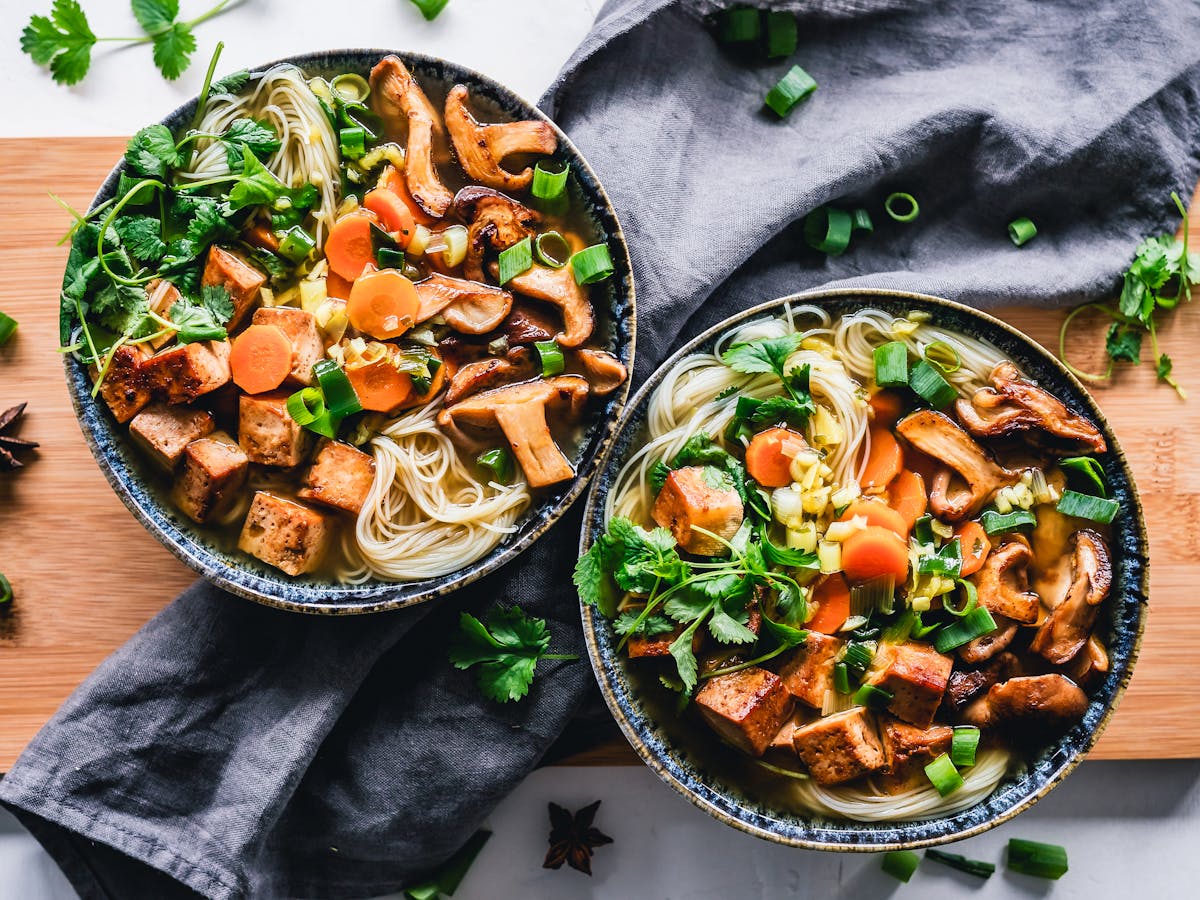
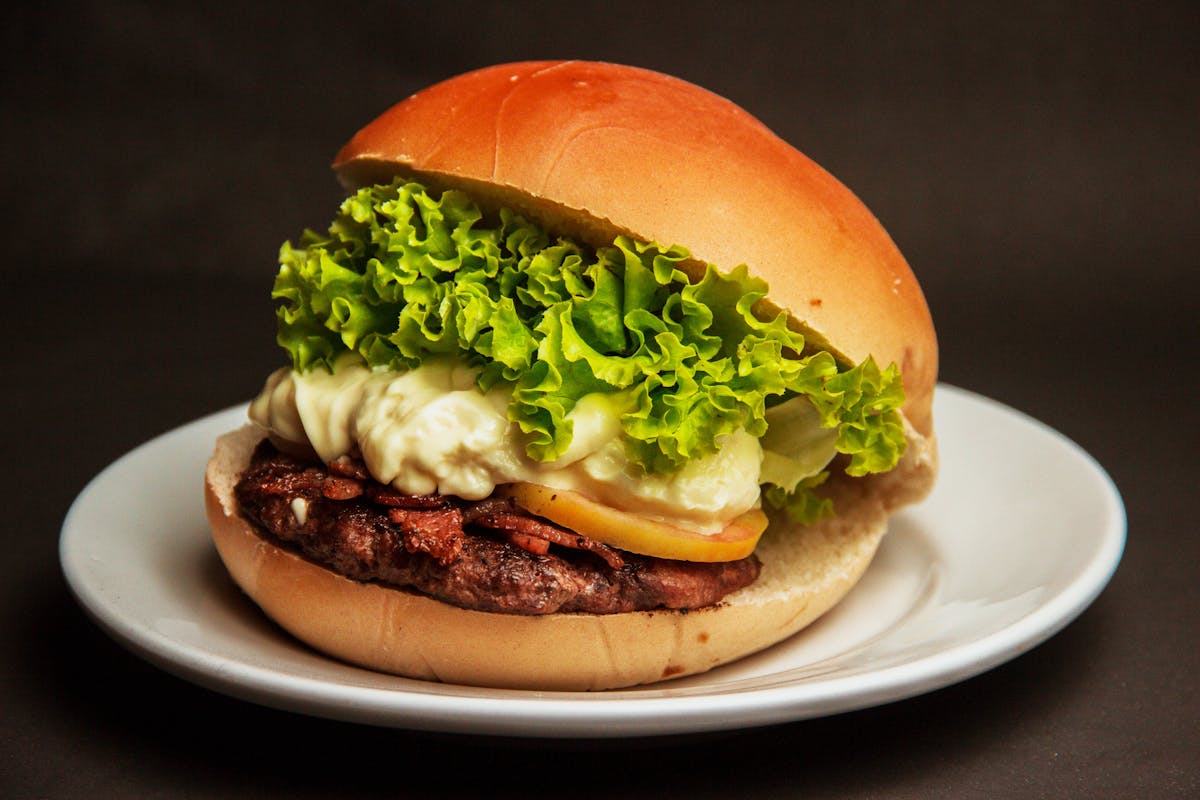
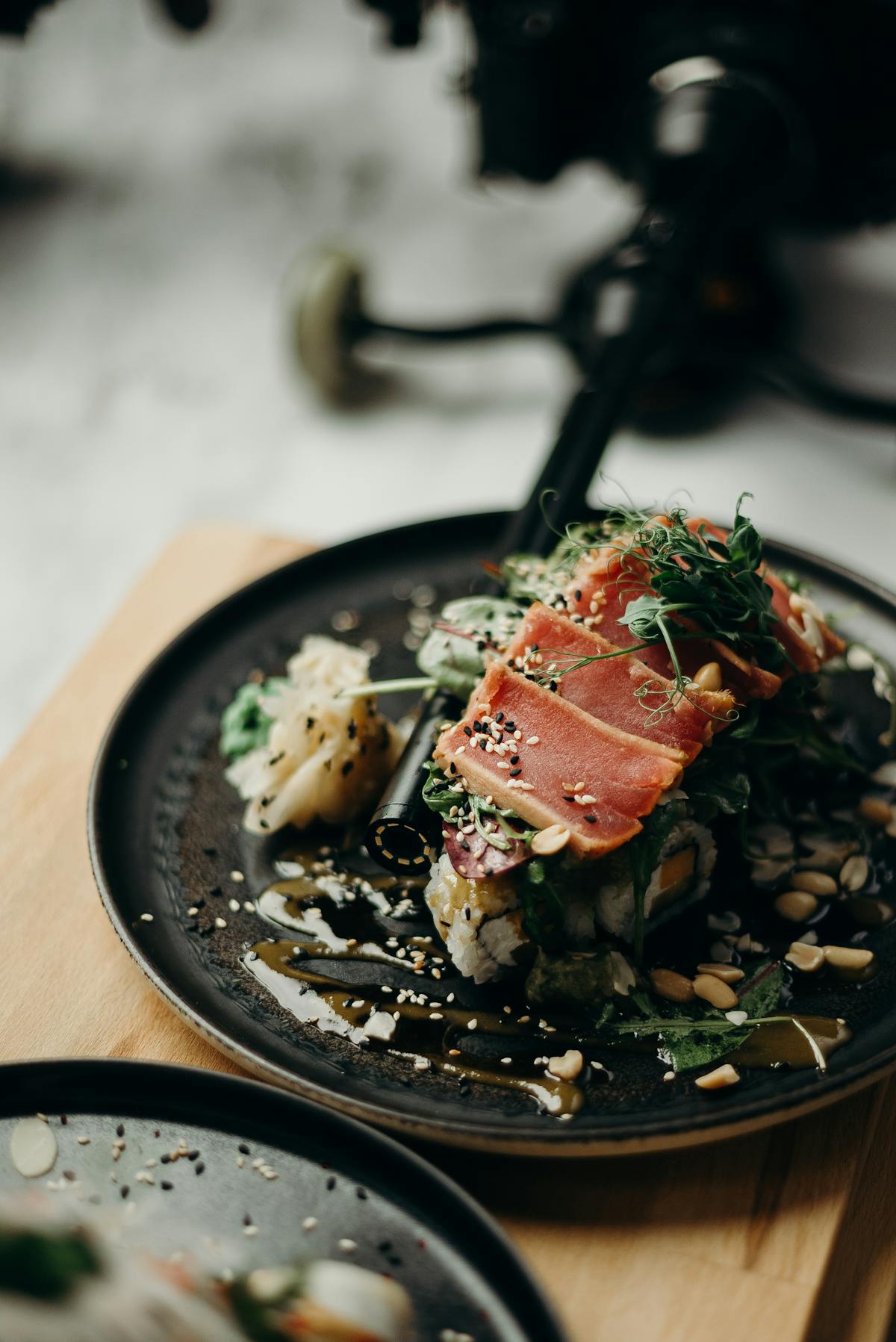
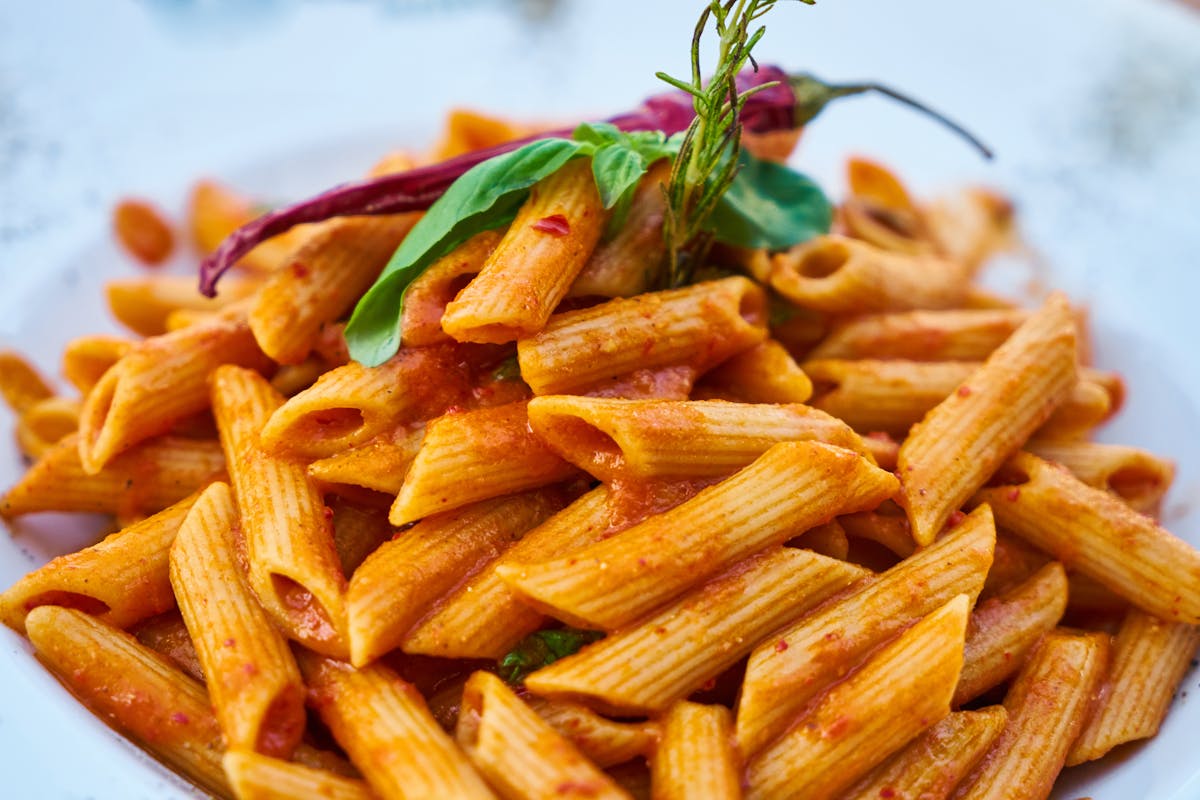
These images show how a protein‑first meal can be both nourishing and beautiful—vibrant colors, plenty of texture, and generous portions of protein at the center of the plate.
What Is the Protein-First Diet?
The protein‑first diet isn’t a strict plan like keto or paleo; it’s a simple framework that’s become one of the most visible nutrition trends in –. The idea is wonderfully straightforward:
- Start every meal by choosing a substantial protein source.
- Add fiber‑rich carbohydrates like fruits, vegetables, beans, or whole grains.
- Round things out with healthy fats for flavor, hormone health, and extra satiety.
Fitness creators and evidence‑based dietitians on TikTok, YouTube, and long‑form podcasts love this approach because it’s easy to explain, easy to follow, and backed by research on satiety and muscle maintenance.
Why the Protein-First Trend Took Off in 2025–2026
On social media feeds packed with diet drama, the protein‑first message feels refreshingly sane. It dovetails perfectly with the surge in resistance training content and “strong not skinny” culture:
- Weight management: People notice that high‑protein meals keep them full longer, making a calorie deficit much more bearable.
- Muscle & longevity: There’s rising awareness that muscle mass is a key predictor of healthy aging, so pairing lifting clips with high‑protein “what I eat in a day” videos just makes sense.
- Simplicity: “Prioritize protein, mostly whole foods, don’t overthink the rest” is a relief compared to macro spreadsheets and elimination diets.
On many 2025–2026 health podcasts, dietitians describe protein‑first eating as “old science, new branding”—taking long‑standing evidence about protein and packaging it into a practical, social‑media‑friendly habit.
Protein-First in Real Life: A Day of Eating
Here’s how a protein‑first day might look, with each meal centered on a satisfyingly hearty protein:
- Breakfast: Thick Greek yogurt swirled with berries and a sprinkle of nuts, or soft‑scrambled eggs on high‑fiber toast.
Creamy, tangy, lightly sweet—your first protein anchor of the day. - Lunch: Chicken, tofu, or lentil‑based bowls with crunchy vegetables and whole grains.
This is exactly where our High‑Protein Power Bowl fits in. - Dinner: Fish, lean meat, or tempeh alongside a mountain of non‑starchy vegetables and a moderate amount of potatoes, quinoa, or beans.
- Snacks: Cottage cheese with fruit, a balanced protein shake, edamame, jerky, or hummus with crisp vegetables.
The key is that protein is the star, not the afterthought.
High-Protein Power Bowl Recipe (Protein-First, High-Satiety)
Think of this bowl as your protein‑first blueprint: choose your protein, pile on vegetables, add a base of whole grains or beans, and finish with a punchy sauce and healthy fat. It’s endlessly customizable and meal‑prep friendly.
Ingredients
For the Protein
- 600 g boneless, skinless chicken breast, cut into strips (or firm tofu for a vegan option)
- 1 tbsp olive oil
- 1 tsp fine sea salt
- 1/2 tsp freshly ground black pepper
- 1 tsp smoked paprika
- 1 tsp garlic powder
- 1/2 tsp ground cumin
- Juice of 1/2 lemon (about 1 tbsp)
For the Grain & Veggie Base
- 1 cup (190 g) dry quinoa, rinsed (or brown rice for a heartier option)
- 2 cups (480 ml) low‑sodium broth or water
- 1 medium broccoli head, cut into small florets
- 1 medium red bell pepper, sliced
- 1 medium zucchini, sliced into half‑moons
- 1 small red onion, sliced
- 1 tbsp olive oil
- 1/2 tsp salt, plus more to taste
- 1/4 tsp black pepper
For the Creamy High-Protein Sauce
- 3/4 cup (180 g) plain Greek yogurt (2% or 0%)
- 1 tbsp tahini or smooth peanut butter
- 1 small garlic clove, finely grated or minced
- 1–2 tbsp lemon juice, to taste
- 2–3 tbsp water, to thin as needed
- 1/4 tsp salt, or to taste
- Pinch of smoked paprika or chili flakes (optional)
To Finish the Bowls
- 1 large avocado, sliced (optional but delicious healthy fat)
- 1 cup canned chickpeas, rinsed and drained (optional extra protein and fiber)
- Fresh herbs such as parsley or cilantro, chopped
- Lemon wedges, for serving
Equipment Needed
- Large mixing bowl for marinating protein
- Medium saucepan with lid for cooking quinoa or rice
- Large baking sheet for roasting vegetables
- Large skillet or grill pan for cooking chicken or tofu
- Sharp knife and cutting board
- Small bowl and whisk for sauce
- Meal prep containers or bowls for serving
Step-by-Step Cooking Instructions
- Marinate the protein.
In a large bowl, combine olive oil, salt, pepper, smoked paprika, garlic powder, cumin, and lemon juice.
Add chicken strips (or tofu cubes) and toss until evenly coated.
Let sit for at least 10–15 minutes while you prepare everything else. Longer marinating (up to 1 hour in the fridge) deepens the flavor. - Cook the quinoa or grain base.
Rinse quinoa under cold water in a fine‑mesh sieve.
Add to a saucepan with broth or water and a pinch of salt. Bring to a boil, then reduce to a low simmer, cover, and cook for 15 minutes.
Turn off the heat and let stand, covered, for 5 minutes. Fluff with a fork. - Prepare and roast the vegetables.
Preheat the oven to 200°C (400°F).
On a large baking sheet, toss broccoli florets, bell pepper slices, zucchini, and red onion with olive oil, salt, and pepper.
Spread in a single layer and roast for 18–22 minutes, stirring once halfway through, until tender and lightly caramelized on the edges. - Cook the chicken or tofu.
Heat a large skillet or grill pan over medium‑high heat. Lightly oil if needed.
Add marinated chicken in a single layer. Cook 4–6 minutes per side, until golden brown and cooked through (internal temperature 74°C / 165°F).
For tofu, cook 3–4 minutes per side until crisp and browned.
Transfer to a plate and let rest for a few minutes before slicing. - Make the creamy high‑protein sauce.
In a small bowl, whisk together Greek yogurt, tahini, garlic, lemon juice, salt, and a pinch of smoked paprika or chili flakes if using.
Add water 1 tablespoon at a time until the sauce is thick but pourable. Taste and adjust seasoning—more lemon for brightness, more salt for depth. - Assemble the protein-first bowls.
Divide cooked quinoa among 4 bowls or meal‑prep containers.
Top each with a generous portion of chicken or tofu, a big scoop of roasted vegetables, a handful of chickpeas (if using), and avocado slices.
Drizzle with the yogurt‑tahini sauce and scatter fresh herbs over the top. - Season and serve.
Finish with a squeeze of lemon over each bowl. Taste and add a pinch more salt, pepper, or chili flakes if desired.
Serve warm, or let cool completely before sealing for meal prep.
High-Protein, High-Satiety Nutrition Notes
Exact nutrition will vary based on your portions and substitutions, but each bowl is roughly in the range of:
- Protein: ~35–45 g (more if you add extra chickpeas or tofu)
- Carbohydrates: Mostly from quinoa, vegetables, and chickpeas—fiber‑rich and slow‑digesting
- Fats: From olive oil, avocado, tahini, and the protein itself—focusing on unsaturated fats
This balance supports the protein‑first goal: hitting a robust protein target while still getting plenty of fiber, micronutrients, and satisfying fats.
Dietary Adaptations & Substitutions
- Vegan Protein-First Bowl: Use firm tofu or tempeh, swap Greek yogurt for unsweetened coconut or soy yogurt, and add extra chickpeas or edamame.
- Lower-Carb Version: Replace quinoa with lightly sautéed or roasted cauliflower rice and double the non‑starchy vegetables.
- Higher-Calorie, Muscle-Gain Version: Increase grains by 50–75%, add an extra drizzle of olive oil or a spoonful of nut butter to the sauce, and keep protein portions generous.
- Dairy-Free: Use a thick plant‑based yogurt in place of Greek yogurt, or blend silken tofu with lemon and tahini for a similar creamy effect.
Storage & Reheating Guidelines
Protein‑first bowls are ideal for meal prep and busy weeks.
- Fridge: Store assembled (without avocado) in airtight containers for up to 4 days.
- Sauce: Keep separately in a small jar or container; it thickens in the fridge, so thin with a splash of water if needed.
- Avocado: Add fresh just before eating to keep it bright and creamy.
Reheating:
- Warm quinoa, protein, and vegetables together in the microwave (1–2 minutes) or in a covered skillet over low heat with a splash of water.
- Add sauce and avocado after reheating to preserve creaminess and freshness.
- This bowl also tastes great cold, straight from the fridge—perfect for work lunches.
Serving Suggestions & Complementary Dishes
To build out a full protein‑first, high‑satiety day of eating, pair this bowl with:
- Breakfast: Greek yogurt parfait with berries and nuts, or veggie omelet with high‑fiber toast.
- Snack: Cottage cheese with cucumber and cherry tomatoes, or a balanced protein smoothie.
- Side salad: Simple leafy greens with lemon, olive oil, and pumpkin seeds for extra crunch and magnesium.
- Evening snack (if needed): A small bowl of edamame or hummus with raw vegetables instead of chips.
With these simple pieces, you can create an entire day that aligns with the protein‑first diet—without weighing, measuring, or obsessing over every macro.
Nuances, Myths & Balanced Protein-First Eating
As with any trend, the protein‑first diet comes with questions and occasional confusion. Many credible voices are focusing on these nuances:
- Protein quality matters: Whole‑food proteins (fish, eggs, poultry, lean meat, tofu, tempeh, beans, lentils) are favored over ultra‑processed “high‑protein” snacks and bars.
- Kidney health myths: In people with healthy kidneys, current research does not support the idea that higher protein intakes cause harm. Those with existing kidney disease, however, should follow medical advice and may require lower protein.
- Don’t forget plants & fats: Protein‑first does not mean “protein only.” Fruits, vegetables, whole grains, and healthy fats are still crucial for fiber, vitamins, minerals, and hormonal health.
Bringing Protein-First Cooking into Your Kitchen
The magic of the protein‑first diet is its flexibility. Once you master a bowl like this, you can remix it endlessly—swap chicken for salmon, quinoa for barley, roasted broccoli for grilled asparagus, yogurt‑tahini for salsa‑yogurt or herby cottage cheese.
Trust your senses: listen for that gentle sizzle as your protein hits the pan, breathe in the nutty aroma of toasting grains, and enjoy the contrast of hot, savory components against cool, creamy sauce. With each protein‑anchored meal, you’re not just following a trend—you’re building a way of eating that supports strength, satiety, and long‑term health.
