
Why California’s Rising Mpox Cases Matter Now—and How to Protect Yourself
Mpox Is Rising Again in California: What You Need to Know Now
California health officials are raising concern after the weekly average of mpox cases has more than doubled in recent weeks. For many in the LGBTQ+ community—especially gay and bisexual men—this sounds uncomfortably familiar to the 2022 surge. The state’s message is clear: if you’re at higher risk, now is the time to get vaccinated and refresh your prevention plan, not to panic, but to be prepared.
What’s Happening With Mpox in California?
The California Department of Public Health (CDPH) reports that the weekly average of mpox cases has more than doubled compared with previous weeks. While total case numbers remain far below the peak of 2022, this trend is enough to worry officials because it signals that:
- Transmission is actively occurring in certain networks, especially sexual networks of gay and bisexual men.
- Vaccine coverage has stalled, and some people who are eligible have not completed the recommended doses.
- People may be less cautious now that mpox is no longer in daily headlines.
CDPH is strongly encouraging at-risk individuals to get vaccinated or complete their vaccine series. Local health departments in major cities such as San Francisco, Los Angeles, and others are also ramping up outreach.
Who Is Most at Risk Right Now?
While anyone can get mpox, current data from California, the CDC, and global health agencies show that cases are concentrated in specific communities and networks. Health departments are focusing on:
- Gay, bisexual, and other men who have sex with men.
- Transgender and non-binary people who have sex with men.
- People with multiple sexual partners or anonymous partners.
- People who attend sex-on-premises venues, large parties, or events with close physical contact.
- People living with HIV, especially if not virally suppressed or with low CD4 counts.
Importantly, being in one of these groups does not mean you will get mpox—it simply reflects where the virus is currently spreading most efficiently. Public health messaging is targeting behaviors and networks, not identities.
“We’re not trying to stigmatize anyone. We’re trying to be honest about where the risk is highest so we can protect the people most affected.”
— Infectious disease physician advising a California county health department
Recognizing Mpox Symptoms Early
Early recognition can limit spread and get you treatment sooner. Mpox symptoms typically appear 5–21 days after exposure. Not everyone experiences all symptoms, and the order can vary, but common signs include:
- Flu-like symptoms: fever, chills, headache, muscle aches, fatigue.
- Swollen lymph nodes: particularly in the neck, armpits, or groin.
- Rash or lesions: can appear on the face, genitals, anus, hands, feet, or other body parts. Lesions may be:
- Pimples, blisters, or sores that may be painful or itchy.
- Sometimes only a few spots; in other cases, more widespread.
Mpox Vaccination: Who Should Get It and How It Helps
The main vaccine used against mpox in the U.S., including California, is the JYNNEOS (MVA-BN) vaccine. Evidence from the 2022–2024 outbreaks shows that vaccinated people had:
- Lower risk of getting mpox compared with unvaccinated people.
- Milder illness if they did become infected.
Protection is strongest after two doses, usually given at least 28 days apart. Many people received just one dose during the 2022 surge, so health officials now stress completing the series.
Who is currently recommended to get vaccinated?
Guidelines may vary slightly by county, but CDPH and CDC generally recommend mpox vaccination for:
- Gay, bisexual, and other men who have sex with men who have multiple or anonymous partners.
- Transgender, non-binary, or gender-diverse people who have sex with men.
- Sex workers and people who have sex in exchange for goods, services, or housing.
- People who attend venues or events with close, often anonymous sexual contact.
- People who had a known exposure to someone with mpox (post-exposure vaccination).
- Laboratory workers and certain healthcare workers with potential occupational exposure.
Practical Steps to Protect Yourself and Your Community
You don’t need to put your life on hold, but some targeted actions can significantly cut your risk, especially during periods of rising cases.
1. Get vaccinated (or finish your second dose)
- Check eligibility and locations: Visit your county health department website, CDPH’s mpox page, or call your clinic or LGBTQ+ health center.
- Schedule both doses: Put both appointments in your calendar 28–35 days apart.
- Keep your records: Save photos of your vaccine card or digital record.
2. Adjust sexual and social behavior during surges
Even temporary changes can make a big difference when cases rise:
- Consider reducing your number of new or anonymous sex partners.
- Have more open conversations about symptoms before hooking up.
- Avoid direct contact with rashes or sores, even if they’re “probably just irritation.”
- Use condoms and barriers for oral, anal, and vaginal sex—not perfect protection, but helpful as part of a broader strategy.
3. If you have symptoms, pause close contact
- Stay home and avoid close, skin-to-skin contact until you can be evaluated.
- Cover lesions with clothing or bandages if you must be around others.
- Let recent partners know if you’re being tested for mpox so they can watch for symptoms.
Common Obstacles—and How People Are Overcoming Them
Even with rising mpox cases, it’s understandable to feel tired of public health warnings. Several common barriers keep people from getting vaccinated or tested:
“I’m worried about being judged.”
Many people fear stigma—from providers, family, or partners—when seeking mpox care.
In 2023, a 29-year-old man in Los Angeles shared that he delayed getting his first mpox shot because he didn’t want clinic staff to make assumptions about his sex life. After his local LGBTQ+ center hosted a “no-questions-asked” vaccine event with music and peer counselors, he finally went. He later said the event made him feel “seen, not judged.”
- Seek out LGBTQ+-affirming clinics and community health centers.
- Bring a friend for mutual support.
- Remember: providers vaccinate for many infections; this is routine preventive care, not a moral judgment.
“I thought the outbreak was over.”
Media attention has faded, but mpox hasn’t disappeared. Like COVID-19, mpox appears to be moving into a pattern of periodic flare-ups, particularly when immunity wanes and behavior patterns change.
“I’m not sure how much the vaccine really helps.”
Studies from the 2022–2024 outbreaks, including analyses by the CDC and international partners, found that mpox incidence was significantly lower among people who received two doses of JYNNEOS. While protection isn’t absolute, vaccinated people who did get infected tended to have fewer lesions and were less likely to be hospitalized.
What the Science Says (Without the Jargon)
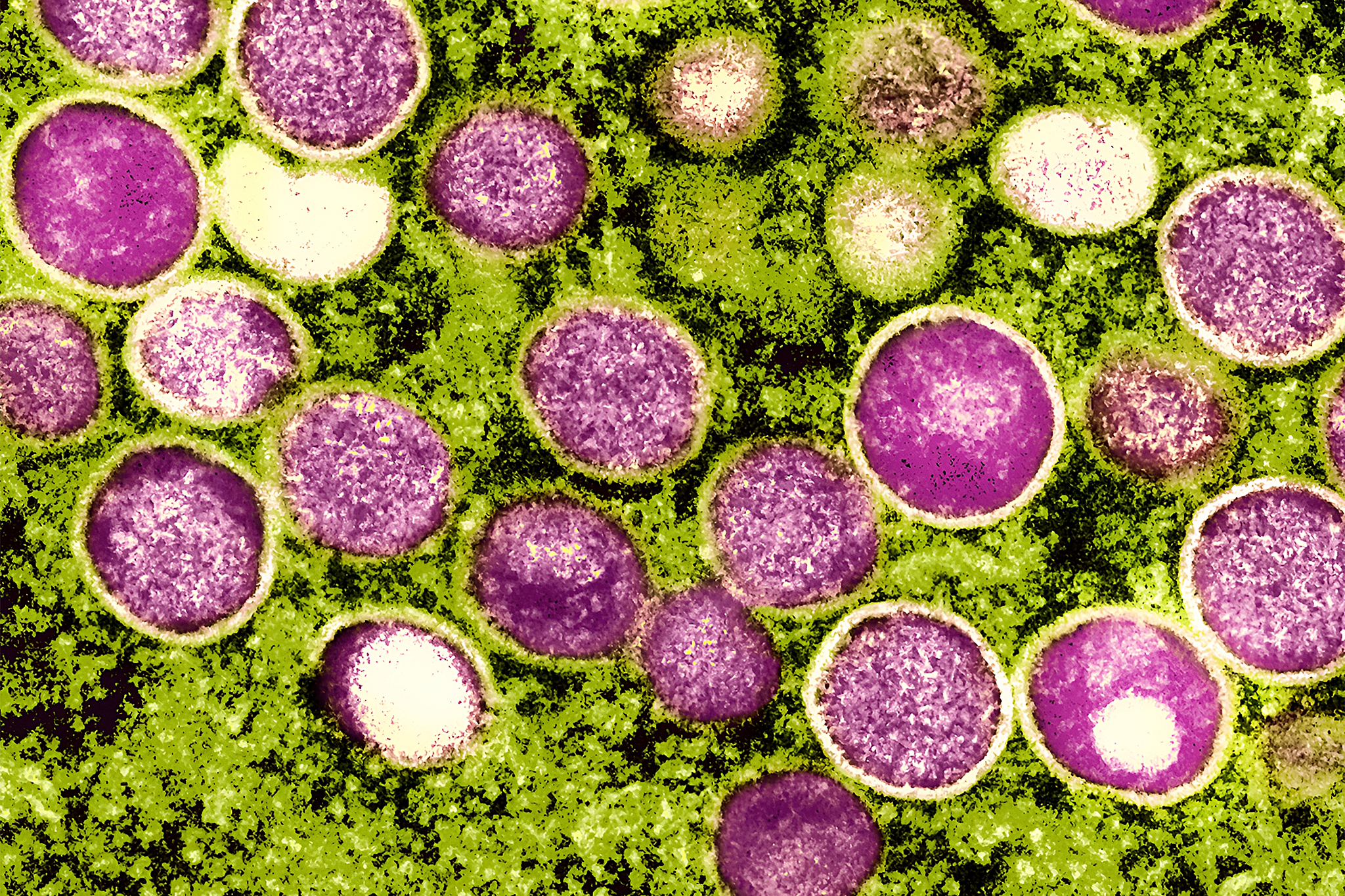
Mpox is caused by an orthopoxvirus related to smallpox but generally less severe. Most current cases are due to the Clade IIb variant that spread globally starting in 2022.
- Transmission: Primarily through close, often intimate contact—skin-to-skin, oral/anal/vaginal sex, kissing, and prolonged face-to-face contact with respiratory secretions. It can also spread through contaminated materials such as bedding, though this appears to be less common.
- Infectious period: People are considered infectious from symptom onset until all lesions have scabbed, fallen off, and new skin has formed—often 2–4 weeks.
- Severity: Most people recover at home, but severe disease is more likely in people with weakened immune systems, including some people with advanced or untreated HIV.
Treatment is mainly supportive (pain control, preventing secondary infections). In selected high-risk cases, antivirals such as tecovirimat (TPOXX) may be used under appropriate protocols.
Community Matters: Small Choices, Big Impact
One of the most powerful lessons from the 2022 mpox outbreak is how quickly case numbers dropped when at-risk communities took action—getting vaccinated, talking openly about risk, and temporarily changing behavior. That impact was driven not by fear, but by solidarity.
If you’re part of a higher-risk network, your choices don’t just protect you; they also protect your partners, friends, and anyone in your community who might have less robust immune defenses.

What You Can Do Today
Rising mpox cases in California are a signal—not to panic, but to act thoughtfully. You can:
- Check your vaccine status and book your first or second dose if you’re eligible.
- Scan your calendar for upcoming events where close contact is likely and consider how you might reduce risk.
- Talk to one friend today about mpox—share accurate information and encourage them to protect themselves.
- Bookmark your local health department’s mpox page so you can stay current as recommendations evolve.
Public health is rarely about dramatic heroics. It’s about everyday people making informed, compassionate choices. Mpox is a serious infection, but with vaccination, awareness, and community care, California has the tools to keep this latest uptick from becoming something bigger.
If you live in California and think you might be at risk, consider this your nudge: reach out to your clinic, check your eligibility, and take that next step toward protection—for yourself and for the people you care about.
