
Why a Blocked Covid Vaccine Study Is Making Headlines—and What It Means for You
US health officials nix publication of a study on Covid vaccine effectiveness
By Health Policy Desk |
Public Health Insights
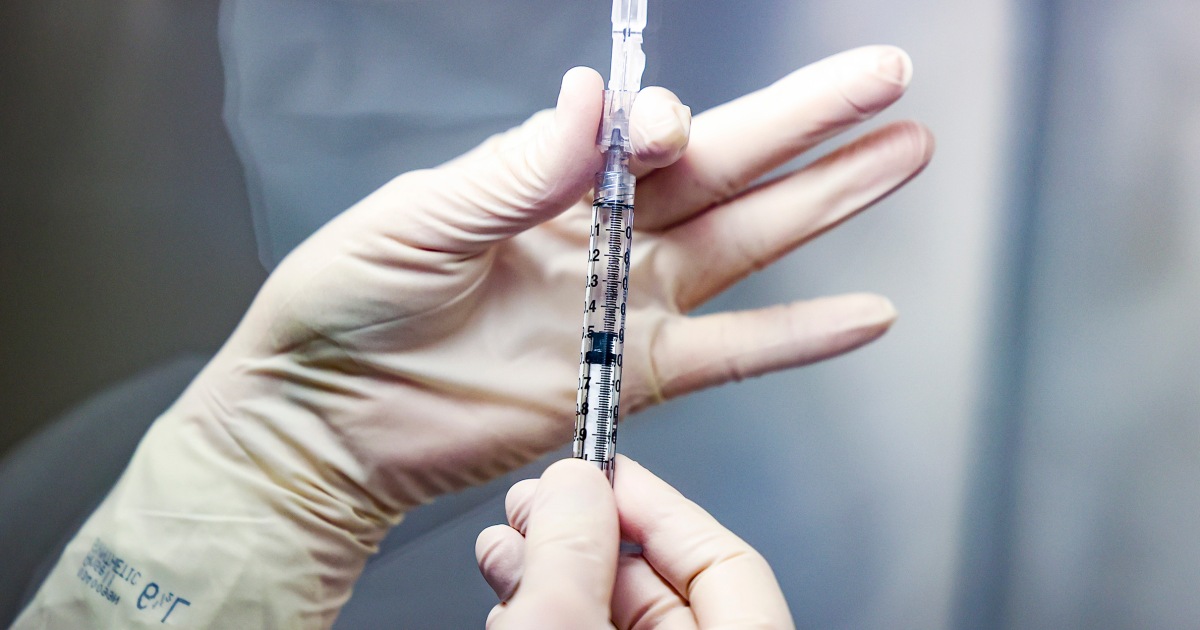
When news breaks that U.S. health officials stopped a study from being published on how well Covid-19 vaccines prevent hospitalizations in adults, it’s natural to feel uneasy. Many people are already tired, confused, or skeptical about changing guidance—and a blocked study can sound like proof that someone is “hiding the truth.”
In this article, we’ll walk through what this kind of decision typically means, how it fits into the bigger picture of Covid vaccine effectiveness, and—most importantly—how you can make calm, informed choices about vaccination even when headlines feel alarming.
What reportedly happened with the Covid vaccine effectiveness study?
According to reporting by NBC News, U.S. health officials stopped the publication of a study examining whether Covid-19 vaccines were still preventing adults from becoming sick enough to require hospitalization. The study was reportedly intended to help answer a crucial question: Are current vaccines still doing their main job—keeping people out of the hospital?
The details of the unpublished manuscript, including exact methods and results, have not been fully released to the public as of now. That means we do not have complete, peer-reviewed data to analyze directly. However, this kind of situation raises reasonable concerns about:
- Scientific transparency and public trust
- How decisions are made about which data get shared
- How to interpret vaccine effectiveness in the real world
“In a pandemic, trust is as important as the vaccine itself. People don’t just need protection; they need to feel confident that the information they’re given is complete and candid.”
— Public health ethicist, quoted in recent policy discussions
Why Covid vaccine effectiveness studies matter so much
Since late 2020, billions of Covid-19 vaccine doses have been given worldwide. Early randomized clinical trials showed high protection against symptomatic infection and, more importantly, against severe disease and death.
Over time, however, several factors have changed:
- The virus evolved. New variants (like Omicron and its sublineages) became better at escaping prior immunity.
- Immunity waned. Protection against infection and some protection against hospitalization declines over months.
- Boosters and updated vaccines were introduced. That makes the picture more complex—who got what dose, and when?
Because of this, ongoing vaccine effectiveness studies—especially those focused on hospitalization and death—are crucial. They help answer questions like:
- How well are current vaccines working in older adults, immunocompromised people, and those with chronic conditions?
- Is a booster dose still delaying or preventing hospitalization?
- Are there early signs that a new variant is undermining protection?
When studies are blocked: transparency, politics, and public trust
Stopping a study from being published can sometimes be appropriate—for example, if serious flaws are found in methods or data integrity. But when communication isn’t clear, people understandably worry that results are being suppressed for political or image reasons.
We don’t yet have full clarity on why this particular Covid vaccine study was halted. Historically, however, reasons might include:
- Methodological concerns (for example, biased sampling or misclassified outcomes)
- Incomplete data that could easily be misinterpreted out of context
- Need for additional review by independent scientists and statisticians
The problem is that in an already polarized environment, a lack of transparent explanation can look like a cover‑up, even when experts are actually trying to avoid misleading the public with flawed data.
“Withholding data can be as damaging as misreporting it. If there are limitations, the answer is to explain them clearly—not to bury the findings.”
— Epidemiologist commenting on pandemic data practices
For many people, this tension is personal. I’ve heard from patients who say things like, “I’m not against vaccines—but I’m against being misled.” That’s a completely valid stance, and it’s exactly why data transparency matters.
What the broader evidence shows about Covid vaccine effectiveness
While the blocked study is concerning from a transparency standpoint, it’s important not to base your entire view of Covid vaccines on a single, unpublished analysis. We have a large body of published, peer‑reviewed research from:
- U.S. Centers for Disease Control and Prevention (CDC)
- New England Journal of Medicine (NEJM)
- World Health Organization (WHO)
- Various national health agencies and academic groups worldwide
Across multiple studies, a few patterns have consistently emerged:
- Strong initial protection against hospitalization and death. Especially in the months following primary vaccination or a booster.
- Waning protection over time. Effectiveness against severe disease decreases but generally remains meaningful, particularly in younger or healthier adults.
- Boosters restore protection. Updated vaccine formulations (targeting recent variants) tend to restore and extend protection against severe outcomes.
The exact percentages (for example, “X% effective at preventing hospitalization”) vary by:
- Age group and underlying conditions
- Which variant is circulating
- How long it has been since the last dose
How to interpret news about blocked or conflicting Covid studies
It’s frustrating when headlines seem to say one thing while officials say another. Here’s a simple, practical approach to help you navigate stories about Covid vaccine data:

- Check the source.
Is the story based on:
- A peer‑reviewed journal article?
- A preprint (not yet peer‑reviewed)?
- Anonymous leaks or internal documents?
Peer‑reviewed research from reputable journals generally deserves more weight than leaked summaries without methods or data tables.
- Look for expert commentary, not just headlines.
See how independent epidemiologists, statisticians, and infectious disease physicians interpret the findings. Reliable organizations often provide balanced summaries that acknowledge limitations.
- Separate “Is there a transparency problem?” from “Do vaccines work?”
You can be critical of how data are handled and still recognize that the bulk of existing evidence points toward meaningful benefits from vaccination—especially for high‑risk groups.
- Ask: what does this mean for my risk?
Your age, health conditions, prior infections, and exposure risk all matter. A 27‑year‑old marathon runner and a 78‑year‑old with heart disease face very different risk–benefit calculations.
A real‑world example: balancing skepticism with self‑protection
Consider “Mark,” a 62‑year‑old with type 2 diabetes. He’s not anti‑vaccine—he got his initial Covid doses in 2021—but over the past two years he’s grown frustrated with shifting recommendations. When he heard that U.S. officials blocked a vaccine effectiveness study, his reaction was: “If they’re hiding data, why should I trust them with another booster?”
In a discussion with his clinician, they walked through:
- Mark’s personal risk: older age, diabetes, and occasional travel for work
- The broader evidence that updated boosters reduce hospitalization risk for people like him
- The limitations and politicization of pandemic data—and how that understandably eroded his trust
Together, they agreed on a plan: he would get the current season’s updated vaccine but also keep an eye on how future data transparency is handled. The decision wasn’t about blind trust; it was about weighing imperfect information in a way that favored his long‑term health.
Common concerns about Covid vaccines—and how to work through them
News of a blocked study can amplify worries that were already there. Some of the most common concerns include:
- “I’m worried about long‑term side effects.”
- “I’ve already had Covid—do I still need a shot?”
- “I don’t trust the agencies making these decisions.”
Here are some practical, evidence‑informed ways to approach these obstacles:
- Ask for clear, specific numbers.
When talking with a clinician, ask: “For someone like me, how much does vaccination lower my chance of hospitalization this year?” Framing it in terms of absolute risk reduction can make the decision more tangible.
- Consider hybrid immunity.
Having had Covid plus being vaccinated (“hybrid immunity”) generally gives stronger, more durable protection than infection alone, based on multiple studies published in high‑quality journals. Your clinician can help you understand how recent your infection was and how that factors into timing any additional doses.
- Differentiate between vaccine policy and vaccine science.
You may disagree with how agencies communicate or decide on mandates, while still recognizing that the underlying immunology and clinical outcomes data support vaccination for many people.
- Use multiple trusted sources.
Don’t rely on a single agency or media outlet. Look for convergence of evidence across independent institutions, such as:
- National health services in different countries
- Academic research groups
- Professional societies (e.g., infectious disease or cardiology associations)
How vaccine effectiveness is usually measured: a quick visual overview

Although each study has its own design, most vaccine effectiveness research follows a similar logic:
- Define the outcome.
For example, “hospitalized with confirmed Covid-19 infection.”
- Compare groups.
Researchers compare the rate of that outcome in vaccinated vs. unvaccinated (or differently vaccinated) people.
- Adjust for confounders.
Using statistical models to account for age, comorbidities, prior infection, and other factors that might affect risk.
- Estimate effectiveness.
Vaccine effectiveness is often expressed as a percentage reduction in risk—for example, “a 60% lower risk of hospitalization compared to unvaccinated adults.”
Covid hospitalizations before and after widespread vaccination: a big‑picture look

While many factors influence hospitalization trends (including prior infection, better treatments, and changes in behavior), large‑scale data from multiple countries show a consistent pattern:
- Early in the pandemic, surges in cases were closely followed by surges in hospitalizations and deaths.
- After vaccines were rolled out—particularly among older adults—the link between cases and severe outcomes weakened.
- Subsequent waves saw many infections, but comparatively fewer hospitalizations and deaths in highly vaccinated populations.
These “before and after” patterns are not proof on their own; they’re supported by more rigorous individual‑level studies. But they do align with the idea that vaccination has played a central role in reducing the worst outcomes of Covid-19, even as immunity wanes and variants evolve.
Practical steps you can take right now
You can’t control whether a federal agency stops a study from being published—but you can take concrete steps to protect your health while staying thoughtfully skeptical.
- 1. Schedule a personalized risk review.
Book time with your primary care clinician or a trusted specialist to talk specifically about your Covid risk and vaccine options this year. Bring your questions, including any about transparency or safety.
- 2. Keep an eye on updated guidance—without doom‑scrolling.
Set a reminder to check credible sources (like CDC, WHO, or your country’s health agency) once a month rather than daily. This helps you stay informed without being overwhelmed.
- 3. Layer your protection.
Vaccination is one layer of defense. Others include improved ventilation, high‑quality masks in high‑risk settings, rapid testing before visiting vulnerable people, and staying home when sick.
- 4. Focus on overall health.
Managing chronic conditions, getting enough sleep, staying active, and not smoking all reduce your risk of severe respiratory infections in general, including Covid-19.
- 5. Advocate for transparency.
It’s reasonable to expect public agencies to explain when and why they halt publication of studies. You can support organizations and policies that push for open data, while still making health decisions based on the best available evidence today.
Staying grounded when the science and politics feel messy
Hearing that U.S. health officials blocked a Covid vaccine effectiveness study can feel like another crack in an already fragile trust. That reaction is completely understandable. At the same time, when you zoom out and look at the broader body of evidence—not just a single unpublished report—the story remains fairly consistent: Covid vaccines, especially updated doses for those at higher risk, continue to meaningfully reduce the chance of severe illness and hospitalization.
You don’t have to unquestioningly accept every guideline, nor do you have to reject vaccination outright to express concern about transparency. There is space for a middle path: asking hard questions, demanding better communication, and still choosing the protections that, based on the weight of science, are most likely to keep you and your loved ones out of the hospital.
Your next step: set aside 15 minutes this week to:
- Review your current Covid vaccination status and last infection date
- Write down your top three questions or worries about vaccines
- Share that list with your healthcare provider and ask for a candid, personalized discussion
In an environment where not every study sees the light of day, thoughtful, one‑on‑one conversations—and a commitment to looking at the full weight of the evidence—are some of the most powerful tools you have.
