
When Your Dog Gets the Same Cancer: How One Woman and Her Pup Faced Breast Cancer Together
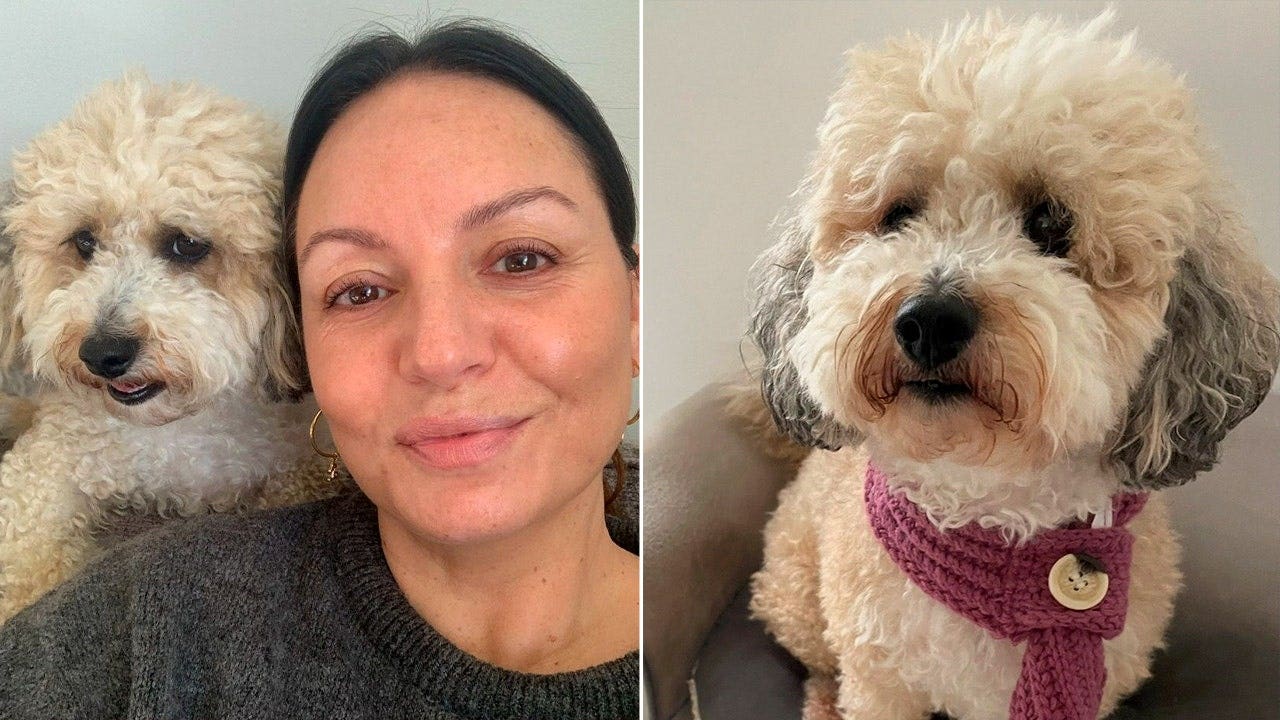
When Vickie Doogan was recovering from breast cancer, she brought home a dog, Dolly, hoping for a bit of comfort and company. Years later, Vickie learned that Dolly had developed the very same disease. Both underwent mastectomies, both went through recovery side by side, and their story has moved thousands of people who know what it’s like to stare down a cancer diagnosis and wonder what comes next.
If you’re navigating breast cancer—or supporting someone who is—this real-life story offers more than just a “feel-good” moment. It shows how emotional support, especially from animals, can play a meaningful role alongside medical treatment, and what practical steps you can take to protect both your health and your pet’s.
Below, we’ll explore what happened in Vickie and Dolly’s case, what science says about pets and cancer, and how to use these insights to better care for yourself and your animals—without false promises or miracle claims.
A Shared Diagnosis: Vickie and Dolly’s Unusual Cancer Journey
According to recent coverage from Fox News in April 2026, 52‑year‑old Vickie Doogan from England adopted her dog Dolly during her own breast cancer recovery. Like many survivors, she was looking for emotional support, a reason to get out of bed, and something joyful to focus on between medical appointments.
Years later, Vickie noticed a worrying change in Dolly: a lump near her mammary area. A veterinary exam confirmed what she feared—Dolly had developed mammary (breast) cancer. In an uncanny parallel, Dolly went on to have a mastectomy, just as Vickie had.
“When Dolly got the same diagnosis, it felt surreal and terrifying,” Vickie shared. “But we’d already beaten this once—together. I wasn’t going to let her face it alone.”
While this kind of mirrored diagnosis is unusual and emotionally intense, it shines a spotlight on two important realities:
- Breast and mammary cancers are common in both humans and unspayed female dogs.
- Pets can become powerful emotional anchors during and after cancer treatment.
Can Dogs Really Get the “Same” Cancer as Humans?
Dogs can and do develop cancers that resemble human breast cancer, known as canine mammary tumors. According to veterinary oncology research, mammary tumors are among the most common cancers in unspayed female dogs. While your dog doesn’t “catch” cancer from you (or vice versa), there are shared risk factors:
- Hormonal influences: Estrogen and progesterone play a role in both human and canine mammary cancers.
- Age: Risk increases with age in both species.
- Genetics: Certain dog breeds and human families have higher risk profiles.
On the human side, organizations like the World Health Organization (WHO) and the American Cancer Society consistently report that early detection and evidence‑based treatment significantly improve outcomes for breast cancer. The same principle holds in veterinary medicine: early identification of mammary tumors gives dogs a much better chance at longer, better‑quality lives.
How Pets Support People Through Cancer: What Research Shows
Vickie’s decision to adopt Dolly during breast cancer treatment aligns with what many studies have found: companion animals can offer meaningful emotional support during serious illness.

Research on animal‑assisted interventions suggests several potential benefits for people with cancer:
- Reduced perceived stress and anxiety: Petting a dog has been associated with lower cortisol (a stress hormone) in some studies.
- Less loneliness: Regular interaction with a pet can help counter isolation, especially during long recovery periods.
- More routine and gentle movement: Going for short walks or feeding and grooming a pet encourages light physical activity, when medically appropriate.
- Emotional grounding: Pets respond to you without judgment—they don’t care if you’ve lost your hair, gained weight from steroids, or feel exhausted.
“Animals don’t replace medical treatment, but they can be a meaningful part of a patient’s support system,” notes many psycho‑oncology experts in reviews of animal‑assisted therapy.
Protecting Your Dog’s Health: Practical Steps to Reduce Mammary Cancer Risk
Dolly’s diagnosis is a reminder that while we can’t control everything, there are concrete steps that can reduce cancer risk in dogs—especially female dogs.
1. Discuss Spaying with Your Veterinarian
Multiple veterinary studies suggest that spaying a female dog before her first or second heat significantly lowers the risk of mammary tumors. The exact timing and risks vary by breed and individual health, so:
- Ask your vet about the best age for spaying your dog.
- Discuss breed‑specific considerations and long‑term health trade‑offs.
2. Perform Regular At‑Home Checks
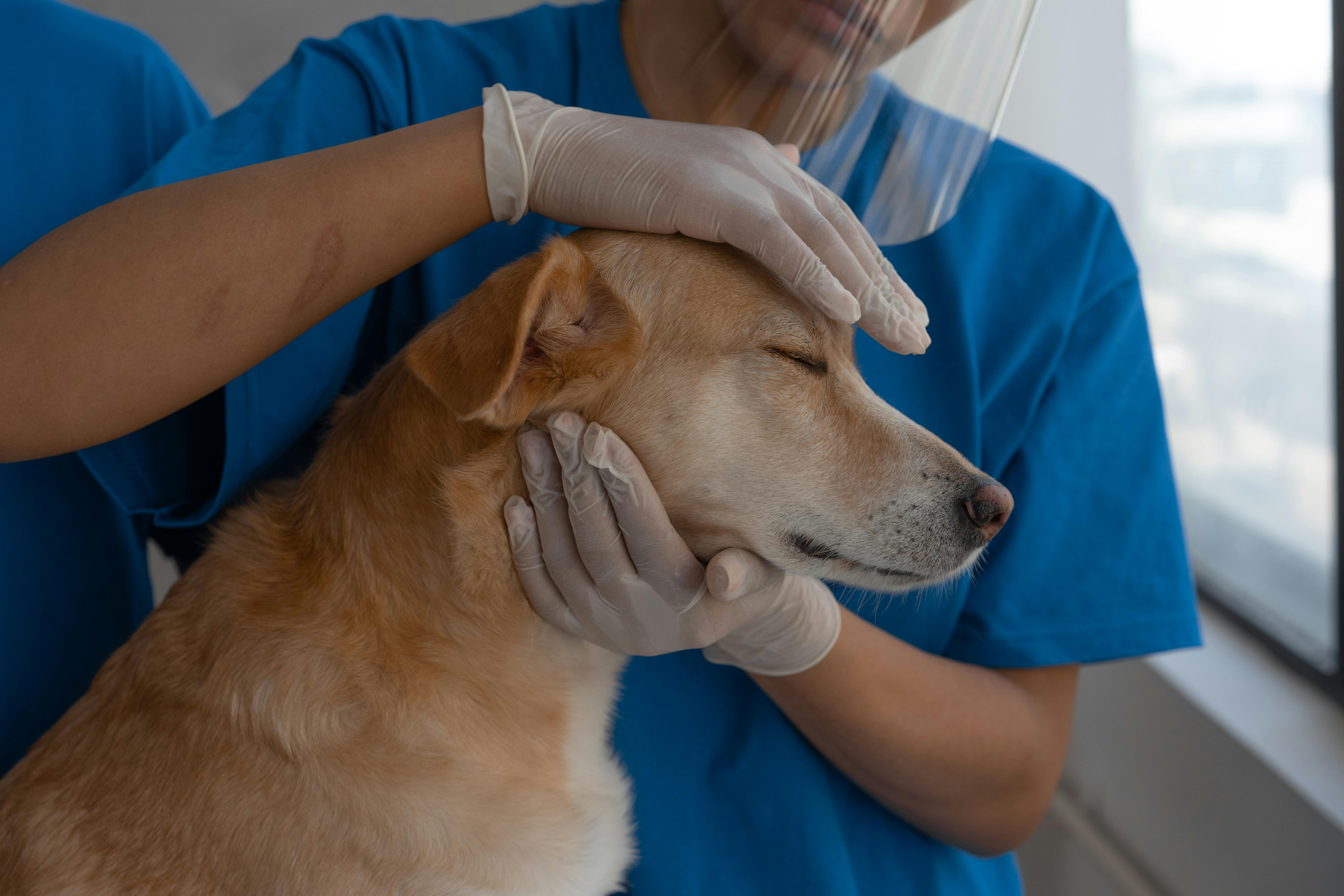
Just as people are encouraged to be familiar with their own breasts, you can regularly—and gently—check your dog’s mammary area:
- With clean hands, run your fingers along the chain of mammary glands from chest to groin.
- Feel for lumps, thickening, or changes on one side compared to the other.
- Watch for redness, discharge, or signs of pain.
If you notice anything unusual, book a vet appointment promptly. Early evaluation doesn’t guarantee a benign outcome, but it often leads to simpler, more effective treatment options.
3. Keep Up with Preventive Vet Care
Annual (or semi‑annual for older dogs) check‑ups allow your veterinarian to:
- Perform a full physical exam, including the mammary chain.
- Monitor weight, which may influence overall cancer risk.
- Track any changes over time and decide if imaging or biopsy is needed.
Caring for Yourself While Caring for a Sick Pet
If you’re dealing with your own health challenges and your pet becomes ill, it can feel overwhelming. Vickie described Dolly’s cancer diagnosis as a kind of emotional “flashback” to her own battle—something many survivors and caregivers can relate to.
1. Acknowledge That It’s a Lot
It’s normal to feel:
- Guilt (for not noticing sooner)
- Fear (of “reliving” cancer)
- Anger (that your pet is suffering)
These reactions don’t mean you’re weak; they mean you care deeply.
2. Share the Load
If possible, ask for help with:
- Transporting your pet to vet appointments
- Administering medications or post‑surgery wound care
- Covering appointments if you’re too unwell to attend
3. Build a Dual‑Support System
Consider these options:
- A human cancer support group (online or local)
- Pet‑loss or pet‑illness support communities
- Counseling with a therapist familiar with chronic illness or grief

Quick Checklist: Staying Proactive About Breast Health (Yours and Your Dog’s)
Every situation is different, but many health organizations and veterinary bodies agree on these broad, evidence‑informed steps. Always adapt them with your own doctors’ advice.
For You
- Attend recommended screenings (mammograms, clinical breast exams).
- Talk to your doctor about your personal and family risk.
- Be familiar with how your breasts normally look and feel.
- Seek prompt evaluation for any new lump, skin change, or nipple discharge.
- Follow evidence‑based treatment plans; ask questions if you’re unsure.
For Your Dog
- Discuss spaying and timing with your veterinarian.
- Schedule regular wellness exams, especially for older or intact females.
- Check your dog’s mammary area monthly for lumps or changes.
- Keep a record of any findings to share with your vet.
- Follow through with recommended diagnostics and treatments.
Common Obstacles—and How to Navigate Them Without Burning Out
“I Can’t Afford All This Care”
Cancer treatment, human or veterinary, can be expensive. While there’s no simple fix, you can:
- Ask your vet about treatment alternatives and cost ranges.
- Inquire about payment plans or charitable funds in your area.
- Consider pet insurance for future pets, ideally before serious illness develops.
“I’m Afraid to Get Attached Again”
After experiencing serious illness—yours or your pet’s—it’s natural to feel wary of deepening bonds. Remember that:
- Attachment is what makes the good days meaningful, not just the hard ones painful.
- It’s okay to acknowledge fear and still choose connection.
- Talking with a therapist can help you process these conflicting feelings.
A Realistic Kind of Hope: Moving Forward After a Shared Battle
Vickie and Dolly’s story doesn’t offer a fairy‑tale cure—but it does offer something more grounded: the reminder that love, routine, and companionship can help carry us through some of the darkest stretches of illness.
If you’re in the middle of your own cancer journey (or supporting someone else), you don’t have to do everything perfectly. You don’t have to be endlessly positive. You just have to keep taking the next right, small step—for yourself and for the creatures who share your life.
Today, that step might be:
- Scheduling an overdue screening or follow‑up appointment.
- Booking a wellness exam for your dog.
- Simply sitting with your pet, taking a few deep breaths, and letting yourself feel supported.
You’re not alone in this. Your story—like Vickie and Dolly’s—is still being written, one day and one decision at a time.
