
Ultra‑Processed Foods Under Fire: Why Cooking With Real Ingredients Feels So Good
Ultra‑Processed Foods Under Fire: Cooking Your Way Back to Real Food
Ultra‑processed foods have become the new “villain” in modern diets, blamed for rising obesity, metabolic disease, and a general sense that we’re always hungry yet never truly satisfied. At the same time, cooks around the world are rediscovering the quiet joy of simple, minimally processed ingredients—bowls of steaming beans, roasted vegetables, oats, and plain yogurt dressed up at home instead of sweetened in a factory.
If you’ve seen “no UPF” or “unprocessed week” challenges on social media and wondered what it all means—or how to actually eat this way without giving up pleasure—you’re in the right place. Let’s unpack the science, the trends, and most importantly, the delicious, practical ways you can move toward a less‑processed, deeply satisfying way of eating.

What Are Ultra‑Processed Foods (UPFs)?
“Ultra‑processed foods” come from the NOVA classification system, which groups foods by how they’re made—from minimally processed (like fresh apples or dry lentils) to ultra‑processed (like cheese puffs, sugary breakfast cereals, and many fast‑food items).
Ultra‑processed foods are typically:
- Industrial formulations made mostly from refined starches, added sugars, refined oils, and protein isolates.
- Packed with additives for texture, color, shelf life, and “hyper‑palatability” (think emulsifiers, sweeteners, flavor enhancers).
- Often soft, low‑fiber, and easy to overeat very quickly.
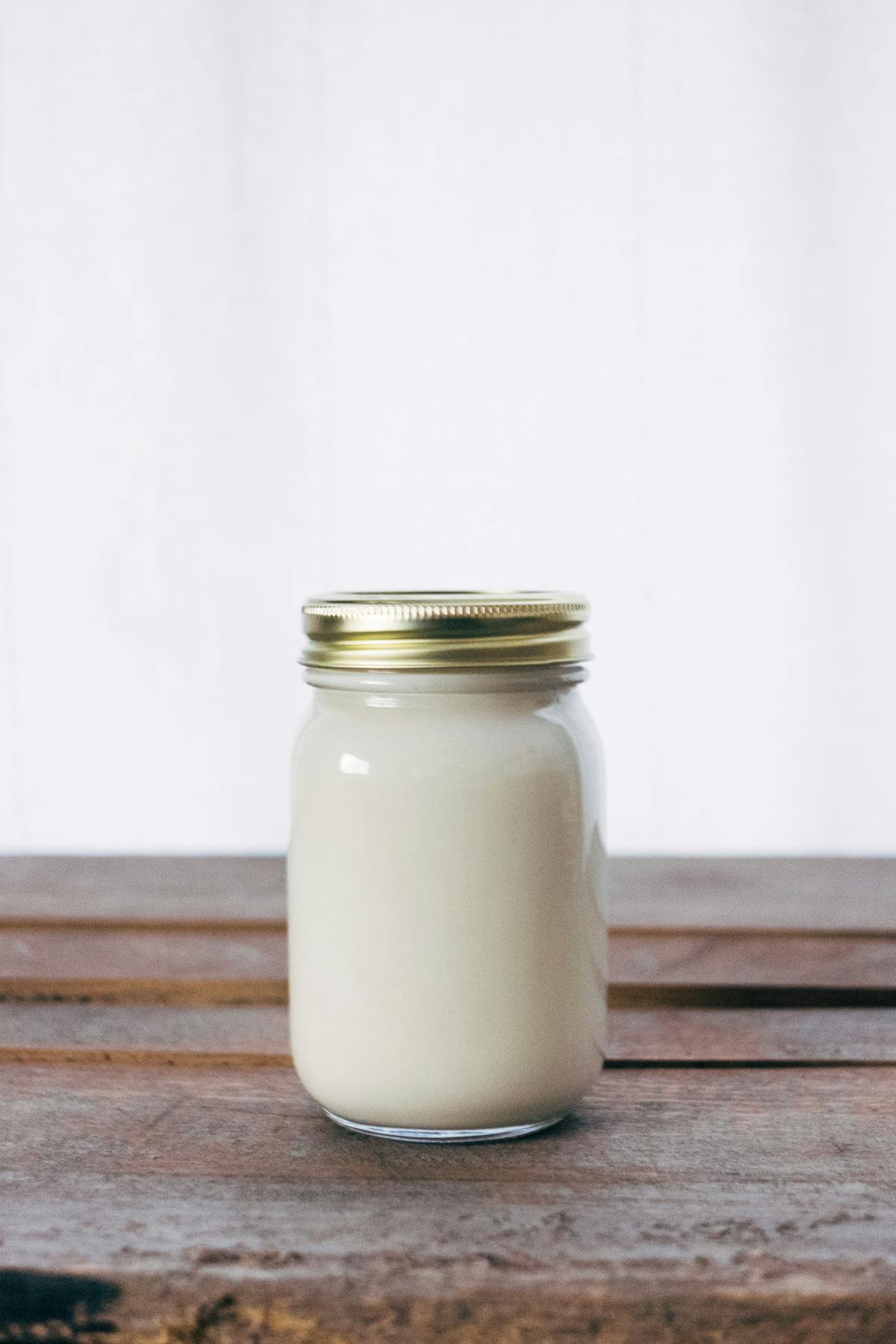
In other words, they’re usually not just “bread” or “yogurt”—they’re sweetened, flavored, and engineered products that barely resemble the original grain or milk they came from.
Why Ultra‑Processed Foods Are Under Fire in 2025–2026
The recent backlash against UPFs didn’t appear out of nowhere. Over the past couple of years, a swirl of controlled feeding studies, documentaries, and viral threads on platforms like TikTok, YouTube, and X (Twitter) have zeroed in on how these foods affect appetite, metabolism, and long‑term health.
In carefully controlled research where people are offered unlimited ultra‑processed meals versus minimally processed meals, participants tend to:
- Eat significantly more calories without trying to.
- Gain weight more easily on UPF‑heavy diets.
- Report feeling less full, even when calorie counts are similar.
Scientists suspect this is due to a combination of hyper‑palatable flavor profiles, low fiber, soft textures that go down quickly, and possibly the way certain additives and refined ingredients interact with our hunger signals.
“The more your diet is built from recognizable, minimally processed ingredients, the better your odds of getting a nutrient‑dense, naturally satisfying eating pattern.”
For many people, this offers a refreshing alternative to decades of confusing “low‑fat” versus “low‑carb” wars: instead of obsessing over single nutrients, they focus on food quality and structure.
From TikTok to the Kitchen: “Unprocessed Challenges” and NOVA‑Labeled Hauls
Social media has turned the NOVA system and ultra‑processed food debate into a daily conversation. Grocery haul videos now come with labels like “NOVA 1–2 only,” and “What I Eat in a Day” creators proudly showcase minimally processed meals.
Popular trends include:
- “Unprocessed week” and “30‑day no UPF challenges” where participants ditch packaged snacks and sweet drinks in favor of whole foods.
- Label‑reading tutorials teaching viewers to scan ingredient lists for emulsifiers, sweeteners, colorings, and seed oils.
- “Ingredient minimalism”—celebrating short ingredient lists and single‑ingredient staples like oats, plain yogurt, beans, and frozen vegetables.
As a result, more home cooks are asking: How can I make this at home with simple ingredients?
That question is the heartbeat of this new, less‑processed food movement.
Not All Processing Is Bad: Embracing “Helpful” Processed Foods
One crucial nuance often lost in the noise: processing itself is not the enemy. In many kitchens—and especially in budget‑conscious or time‑pressed households—certain processed foods are life‑savers, nutritionally and practically.
Some examples of “good processing” that fit beautifully into a healthful diet:
- Frozen vegetables and fruit — picked at peak ripeness and quickly frozen, often more nutrient‑dense than produce that’s been traveling for days.
- Canned beans and tomatoes — convenient, fiber‑rich, and ideal for hearty stews, chilis, and pasta sauces.
- Pasteurized dairy like plain milk and yogurt — safer to drink, often fortified with vitamin D or calcium.
- Whole‑grain breads or tortillas with short ingredient lists — practical carriers for vegetables, eggs, and beans.
These foods still count as minimally or moderately processed and make cooking from scratch feel achievable on a busy Tuesday night.
Building a Less‑Processed Eating Pattern: What It Actually Looks Like
When you zoom out from single products and think in terms of meals, the pattern emerging from the UPF conversation is beautifully simple: build meals around recognizable ingredients, and use packaged helpers strategically.
A typical less‑processed day might feature:
- Breakfast: Rolled oats simmered with water or milk, topped with sliced banana, peanut butter, and a sprinkle of cinnamon instead of a sugary cereal.
- Lunch: A bowl of mixed greens, canned beans, chopped veggies, olive oil, lemon, and a handful of nuts instead of a fast‑food combo.
- Snack: Plain yogurt with berries and honey, or an apple with almonds instead of packaged cookies.
- Dinner: Roasted vegetables, lentils or chicken, and whole‑grain rice or potatoes instead of a frozen breaded entrée.
Nothing fancy—just real food, seasoned well, with textures that encourage you to chew, savor, and truly feel when you’ve had enough.
Featured Recipe: Warm “Unprocessed Power Bowl” (High‑Fiber, UPF‑Light)
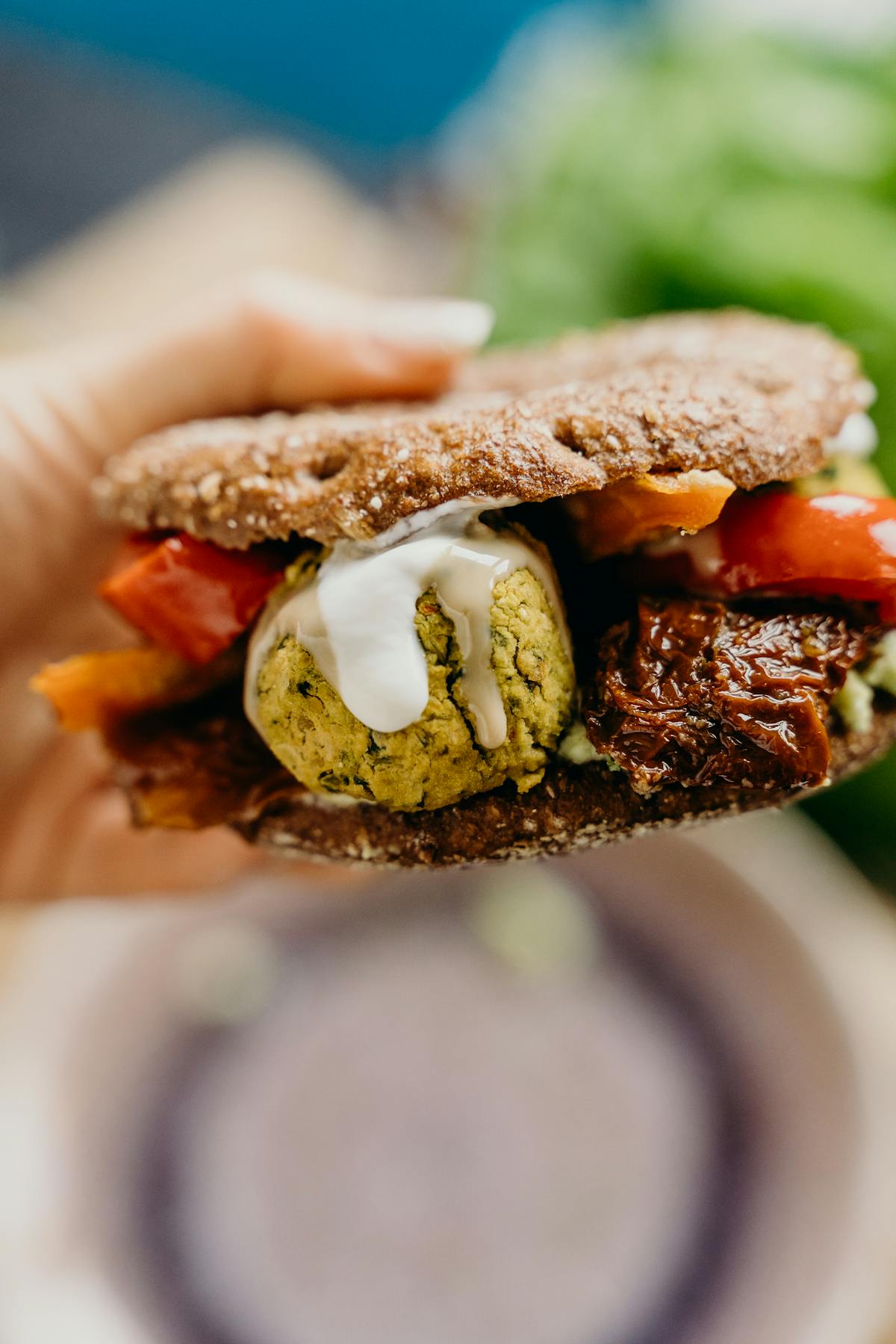
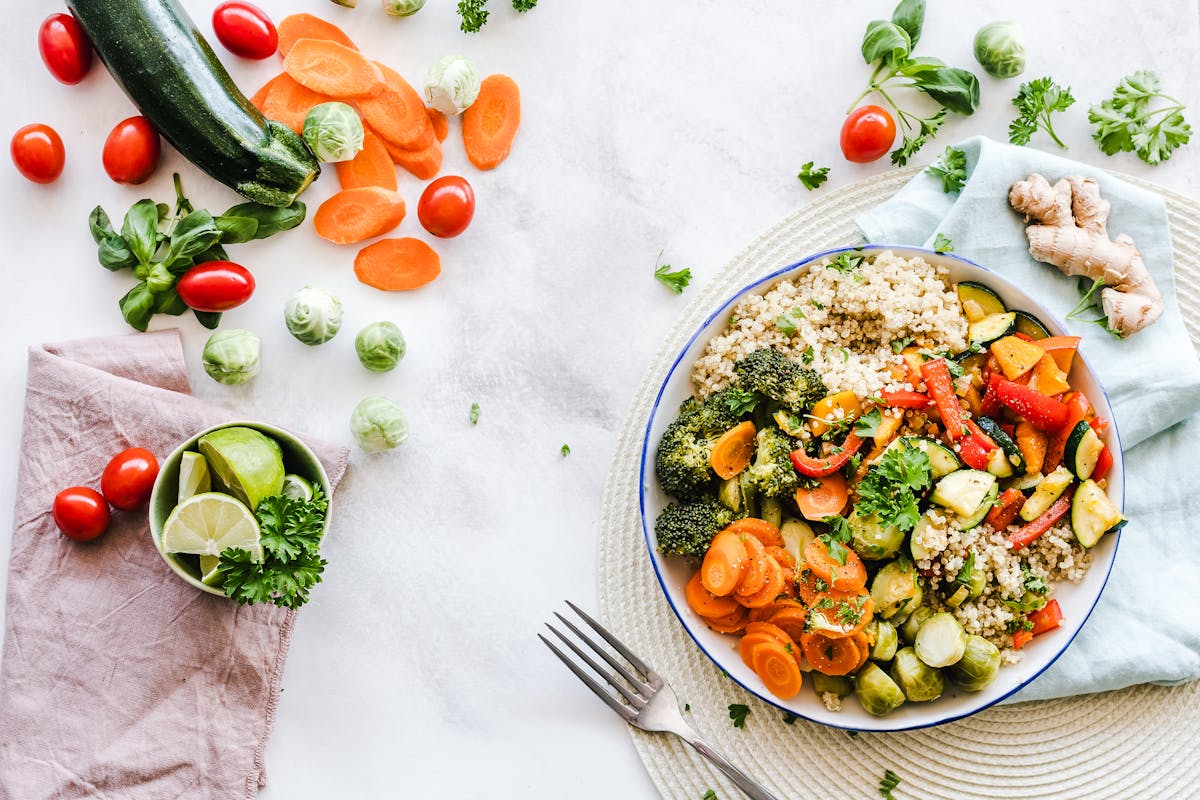
To bring all of this to life, here’s a cozy, ultra‑satisfying recipe you can customize endlessly. It leans on minimally processed staples—beans, whole grains, vegetables—and just a few simple seasonings. The result is a bowl with layers of color, texture, and aroma that feels restaurant‑worthy but is utterly weeknight‑friendly.
This warm bowl is everything UPF‑light cooking aims for: nutty grains at the base, juicy vegetables and creamy beans in the middle, a silky avocado crown, and a bright, garlicky dressing to wake everything up. Every bite offers contrast—soft and crunchy, tangy and earthy, warm and cool.
Recipe Snapshot
- Prep Time: 20 minutes
- Cook Time: 25 minutes
- Total Time: ~45 minutes
- Servings: 4 bowls
- Difficulty: Easy (great for beginners)
- Dietary: Naturally vegetarian, easily vegan and gluten‑free
Ingredients
For the bowl:
- 1 cup (185 g) dry brown rice or quinoa, rinsed
- 2 cups (480 ml) water or low‑sodium vegetable broth
- 1 tablespoon olive oil
- 1 small red onion, thinly sliced
- 2 cloves garlic, minced
- 2 cups chopped vegetables (e.g., bell pepper, zucchini, broccoli, carrots)
- 1 can (15 oz / 400 g) beans, drained and rinsed (chickpeas, black beans, or lentils)
- 1 teaspoon ground cumin
- 1 teaspoon smoked or sweet paprika
- 1/2 teaspoon fine sea salt, plus more to taste
- 1/4 teaspoon black pepper
- 2 cups fresh greens (spinach, kale, or arugula), roughly chopped
- 1 ripe avocado, sliced
- 1/4 cup toasted nuts or seeds (pumpkin seeds, sunflower seeds, or chopped almonds)
- Fresh herbs for garnish (parsley, cilantro, or basil)
For the lemon‑garlic dressing:
- 3 tablespoons extra‑virgin olive oil
- 2 tablespoons fresh lemon juice
- 1 teaspoon Dijon mustard (optional; pick a brand with a short ingredient list)
- 1 small clove garlic, finely grated or minced
- 1/4 teaspoon sea salt
- Freshly ground black pepper, to taste
Equipment Needed
- Medium saucepan with lid
- Large skillet or sauté pan
- Cutting board and sharp knife
- Wooden spoon or spatula
- Small jar or bowl for dressing
- Measuring cups and spoons
- Four serving bowls
Step‑by‑Step Instructions
Cook the grain base.
In a medium saucepan, combine the rinsed brown rice or quinoa with the water or broth. Bring to a gentle boil over medium‑high heat, then reduce the heat to low, cover, and simmer:- Quinoa: about 15 minutes
- Brown rice: about 25 minutes
When the liquid is absorbed and the grains are tender, turn off the heat and let sit, covered, for 5 minutes. Fluff with a fork.
Sauté the aromatics.
While the grains cook, warm 1 tablespoon of olive oil in a large skillet over medium heat. Add the sliced red onion and cook, stirring occasionally, until soft and lightly golden, about 5–7 minutes. The kitchen should smell sweet and savory as the onions caramelize.Add garlic and vegetables.
Stir in the minced garlic and cook for about 30 seconds, just until fragrant—avoid browning it. Add your chopped vegetables and a pinch of salt. Sauté, stirring now and then, until they’re bright, tender, and still a little crisp, about 5–8 minutes depending on the mix.Stir in beans and spices.
Add the rinsed beans to the skillet along with the cumin, paprika, 1/2 teaspoon salt, and 1/4 teaspoon black pepper. Toss everything together and cook for 2–3 minutes, until the beans are warmed through and coated in spices. Taste and adjust seasoning.Wilt the greens.
Add the chopped greens on top of the hot mixture. Gently fold them in until just wilted and vivid green, 1–2 minutes. Remove from heat so they stay fresh and vibrant.Whisk the lemon‑garlic dressing.
In a small jar or bowl, combine olive oil, lemon juice, Dijon mustard (if using), grated garlic, salt, and a few grinds of black pepper. Whisk or shake until the dressing looks creamy and slightly thickened. Taste—a good dressing should be bright, pleasantly salty, and garlicky but not harsh.Assemble the bowls.
Divide the fluffy grains among four bowls. Spoon the warm bean and vegetable mixture over each portion. Fan a few avocado slices on top of each bowl, then drizzle with the lemon‑garlic dressing.Finish and enjoy.
Sprinkle each bowl with toasted nuts or seeds and a handful of chopped fresh herbs. Take a moment to notice the colors and aromas before digging in—this is real, nourishing food you’ve built from simple building blocks.
Storage, Meal Prep, and Reheating
This bowl is a meal‑prep dream and fits beautifully into a less‑processed weekly rhythm.
- Storage: Keep the grain and bean‑vegetable mixture in an airtight container in the fridge for up to 4 days. Store dressing and avocado separately.
- Reheating: Reheat the grains and bean‑veggie mix together in a skillet over low heat with a splash of water or broth, or in the microwave in short bursts, stirring until just warm.
- Serving later: Add fresh avocado, herbs, and dressing right before eating to keep everything bright and creamy.

Serving Ideas and Complementary Dishes
To turn this “Unprocessed Power Bowl” into a full spread, pair it with other minimally processed sides and drinks:
- Citrus‑tossed salad: Mixed greens, orange segments, and walnuts with a simple olive oil and vinegar dressing.
- Roasted root vegetables: Carrots, sweet potatoes, and beets roasted with olive oil, salt, and thyme.
- Simple fruit dessert: Sliced fruit with a spoonful of plain yogurt and a drizzle of honey.
- Drinks: Sparkling water with lemon or herbs, or unsweetened tea instead of sodas or energy drinks.
These combinations hit all the notes of comfort food—warm, fragrant, and deeply satisfying—without leaning on ultra‑processed convenience items.
A Gentle, Real‑World Approach to Cutting Back on UPFs
The new wave of UPF awareness can feel energizing—but it can also feel overwhelming if you think you have to overhaul everything overnight. You don’t. Meaningful change can be as small as:
- Swapping one sugary drink each day for water or unsweetened tea.
- Replacing your usual packaged snack with fruit, nuts, or yogurt a few times a week.
- Cooking one extra meal at home using mostly NOVA 1–3 ingredients.
Every time you stir a pot of beans, simmer a pan of oats, or chop vegetables for a simple sauté, you’re nudging your diet away from ultra‑processed foods and toward something more nourishing, flavorful, and satisfying.
Let your kitchen be a place of curiosity, not perfection. Taste as you go, season boldly, and celebrate each small, delicious step you take away from ultra‑processed convenience and back toward real food.
