
U2’s ‘Easter Lily’: Inside the Band’s Bold Second 2026 EP and Their Reunion With Brian Eno
U2’s Easter Lily EP: Resurrection Rock and a Brian Eno Reunion
U2 continue their unexpected 2026 hot streak with Easter Lily, a six-track EP arriving just weeks after Days of Ash, their Ash Wednesday release. Framed around Easter’s symbolism of death, grief, and renewal—and featuring a fresh collaboration with sonic architect Brian Eno—this latest project feels like a deliberate, two-part liturgical cycle for a band that’s always flirted with spirituality, spectacle, and reinvention.
Where Days of Ash leaned into Lenten austerity and introspection, Easter Lily moves toward light, layering hymnal textures over the widescreen rock that made U2 a stadium staple. It’s also their second EP in as many months, a release pattern that suggests the band has finally figured out how to live in the streaming era without diluting their sense of occasion.

From Days of Ash to Easter Lily: A Two-Part 2026 Concept
The release strategy here is not subtle. Days of Ash dropped on Ash Wednesday, historically a day of penance and reflection. Easter Lily follows in time for Easter, a celebration of rebirth in the Christian calendar. For a band that once made an entire tour feel like a televised mass, the liturgical structuring tracks.
U2 have long spun spiritual and political threads into their work—from War and The Joshua Tree to the late-era experiments of No Line on the Horizon. What’s notable in 2026 isn’t that they’re returning to religious imagery; it’s that they’re doing so in a short-form, episodic format that feels more aligned with playlists and seasonal drops than the classic “album cycle.”
In industry terms, this two-EP approach also hedges risk: U2 can test textures and themes across a pair of tight, streaming-friendly releases rather than betting everything on one large, possibly unwieldy album. It’s a savvy move for a legacy act often accused of overstatement.
Brian Eno Returns: Atmosphere, Texture, and the Sound of Belief
The marquee news for longtime fans is the renewed collaboration with Brian Eno, who helped shape U2’s most ambitious work—from the Berlin experiments of Achtung Baby to the meditative drift of No Line on the Horizon. His presence on Easter Lily isn’t just nostalgia; it’s a recalibration of the band’s sonic identity.
“With U2, you’re not just making records—you’re building a place for people to inhabit for an hour or two.”
That long-standing Eno philosophy is felt across Easter Lily. Guitars smear into reverb-drenched halos, bass lines move like slow tides, and Bono’s vocals are often set back in the mix, more supplicant than sermonizer. The EP doesn’t chase chart trends so much as it revisits U2’s ambient curiosity in a more compact, focused way.

In a rock landscape where even legacy acts are tempted toward TikTok-friendly maximalism, the restraint of Eno’s approach feels almost radical. Easter Lily sounds big, but it rarely sounds busy.
Inside the Tracks: Symbolism, Liturgy, and Stadium-Size Doubt
Pitchfork’s early notes on the EP emphasize its six-track structure, which plays like a mini-suite rather than a loose collection. While full track details are still emerging, the broad strokes point to a blend of scriptural imagery, political unease, and personal doubt.
- Title track “Easter Lily” (as reported) leans on the flower’s dual symbolism of purity and mourning, pairing chiming guitar lines with a steady, processional drum pattern.
- The Eno-assisted cut reportedly toys with layered choral pads and field recordings, more meditation than anthem.
- A mid-EP rocker nods to U2’s War era, but with a 2020s sense of geopolitical fatigue rather than righteous fury.
Lyrically, Bono is in familiar territory—questioning institutions, flirting with doubt, still reaching for the big chorus that sounds like a prayer half-shouted into the void. The difference here is the scale; on an EP, those gestures feel more concentrated, less weighed down by filler.
How Easter Lily Fits into U2’s 2020s Reinvention
U2 spent the early 2020s in a kind of identity limbo: heritage act, Vegas spectacle, occasional political commentator. The EP pairing of Days of Ash and Easter Lily reads like a partial answer to the question of what a modern U2 release should look like in the streaming age.

Critically, these EPs allow U2 to be conceptual without being ponderous. They can lean into liturgical theming and Eno’s atmosphere while keeping runtimes lean and replayable. For a band sometimes accused of bloat, that’s no minor evolution.
“They’re not trying to be the biggest band in the world anymore—they’re trying to be the most meaningful version of themselves that still makes sense in 2026.”
The real question is whether this EP model becomes U2’s new normal—seasonal drops, focused themes, and occasional high-profile collaborator—or simply a two-part experiment built around one cleverly symbolic calendar hook.
Strengths, Weaknesses, and the Question of Late-Career Relevance
Easter Lily isn’t a radical reinvention, but it is a thoughtful late-career adjustment. It showcases a band willing to interrogate their own grandiosity without fully abandoning it.
- What works:
- A cohesive, seasonal concept that pairs naturally with Days of Ash.
- Eno’s production, which favors mood and space over bombast.
- Bono’s more restrained vocal approach, which suits the contemplative tone.
- What doesn’t fully land:
- Some lyrics still reach for broad, universal statements that can feel vague in 2026’s hyper-specific cultural climate.
- Listeners craving a full-blown arena-rock reset may find the EP’s slow-burn pacing a touch too meditative.
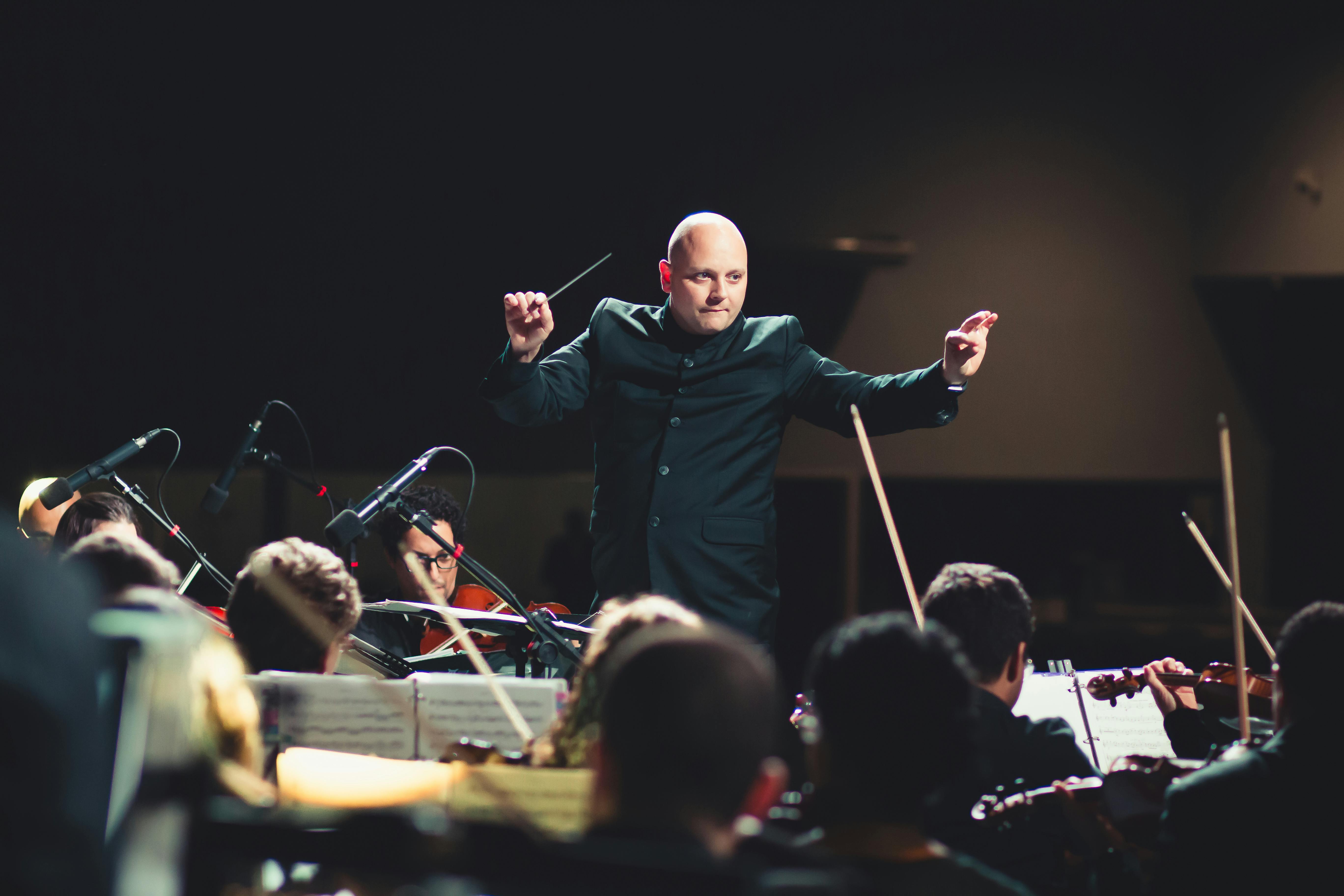
Still, measured against the expectations for a band four decades in, Easter Lily feels surprisingly present-tense—less a museum piece than an argument for why U2 still belongs in today’s release radar.
Cultural Context: Faith, Politics, and Streaming-Era Rock
In 2026, overt spiritual language in mainstream rock can feel either refreshingly earnest or dangerously kitschy. U2 walks that tightrope with more self-awareness than they had in their youth. The pairing of Days of Ash and Easter Lily quietly acknowledges a world that’s both exhausted by institutions and still hungry for meaning.
Thematically, the EP sits alongside recent projects by artists who also blend doubt and devotion—think Nick Cave’s later records or the more reflective edges of Coldplay—though U2’s approach remains uniquely arena-scaled. These aren’t bedroom hymns; they’re built for crowds, even when they’re whisper-quiet by the band’s standards.

Where to Hear Easter Lily and See More
As with Days of Ash, Easter Lily is rolling out across major streaming platforms—Spotify, Apple Music, and Tidal—as well as U2’s official channels. Expect lyric videos and possibly a live-in-studio performance clip to surface around Easter weekend, in keeping with the project’s thematic framing.
For credits, additional context, and evolving critical reception, you can keep an eye on:
- Pitchfork’s U2 hub for reviews and news.
- IMDb’s music credits section for film/TV placements featuring tracks from the EP.
- U2’s official site for tour updates and official statements.

An official EP trailer or visualizer is likely to appear on U2’s YouTube channel, echoing the moody, monochrome visuals that accompanied Days of Ash.
Final Verdict: A Quietly Ambitious Late-Career Chapter
Easter Lily doesn’t try to re-stage the world-conquering drama of The Joshua Tree or Achtung Baby, and that’s precisely its strength. Instead, U2 offers a compact, thematically unified EP that pairs spiritual imagery with a measured sense of sonic adventure, buoyed by Brian Eno’s return to the fold. Taken together with Days of Ash, it sketches a band still willing to wrestle with belief, relevance, and form in real time.
Graded on the legacy-act curve, this is one of U2’s most coherent and self-aware 21st-century statements—not a revelation, but a genuine renewal.
Staff Critic
Published by Indie Culture Review
Whether U2 keeps following the church calendar or not, Easter Lily suggests they’ve finally found a modern format that suits them: short, seasonal, and serious about meaning without pretending to have all the answers.
