This One-Pan MIND Diet Salmon & Berry Bowl Is Your New Favorite Brain-Boosting Dinner
One-Pan MIND Diet Salmon, Berry & Farro Bowl (Brain-Healthy Dinner)
The MIND diet—short for Mediterranean‑DASH Intervention for Neurodegenerative Delay—has become a star in the world of brain‑healthy eating. This recipe turns its core ideas into a deeply satisfying, one‑pan salmon, berry & farro bowl: golden, olive‑oil roasted salmon, nutty whole grains, garlicky greens, juicy blueberries, and crunchy walnuts all in one colorful, comforting dish. It’s designed for real weeknights, not perfection—flexible, flavorful, and friendly whether you’re a brand‑new home cook or a seasoned food lover thinking about long‑term brain health.
You’ll taste the Mediterranean influence in the extra‑virgin olive oil, fish, and whole grains, and the DASH‑style focus in the emphasis on vegetables and low sodium. Most importantly, it celebrates what you add to your plate—leafy greens, berries, nuts, and fish—rather than what you cut out. This is food for better memory, sharper focus, and sheer eating pleasure.
The MIND Diet in Everyday Cooking
The MIND diet blends the heart‑healthy Mediterranean pattern with the blood‑pressure‑friendly DASH diet, with a special focus on brain health and dementia prevention. Instead of strict rules, it nudges you towards delicious, nutrient‑dense foods that support vascular and neurological health:
- Leafy greens most days of the week
- Other colorful vegetables daily
- Berries several times per week (especially blueberries and strawberries)
- Nuts and seeds as regular snacks or meal toppers
- Whole grains as daily staples
- Fish, especially fatty fish like salmon, at least once per week
- Poultry instead of red or processed meats most of the time
- Olive oil as your primary added fat
- Limited butter, cheese, sweets, fried foods, and fast food
Observational research suggests that people who closely follow the MIND diet tend to have slower cognitive decline and a lower risk of Alzheimer’s disease. While this doesn’t prove cause and effect, it fits beautifully with what we know about cardiovascular and metabolic health—and it’s a refreshingly flexible, realistic way to eat.
Recipe Structured Data (SEO & Accessibility)
The following structured data helps search engines understand this recipe and can improve visibility for people searching for brain‑healthy MIND diet dinners.
Ingredients for MIND Diet Salmon, Berry & Farro Bowls
These amounts make 4 generous bowls. Everything is flexible—swap grains or greens based on what you love or have on hand.
Whole Grain Base
- 1 cup uncooked farro (or quinoa, brown rice, or barley)
- 2 1/2 cups low‑sodium vegetable or chicken broth (or water)
Salmon & Greens
- 4 (4–6 ounce / 115–170 g) salmon fillets, skin‑on if possible
- 2 tablespoons extra‑virgin olive oil, plus more for drizzling
- 1 teaspoon fine sea salt, divided (or to taste)
- 1/2 teaspoon freshly ground black pepper, divided
- 1 teaspoon garlic powder or 2 cloves fresh garlic, minced
- 1 teaspoon dried oregano or thyme
- 4 cups loosely packed baby spinach or chopped kale
Brain‑Boosting Toppings
- 1 cup fresh blueberries (or halved strawberries)
- 1/2 cup chopped walnuts (or almonds, hazelnuts)
- 1 small lemon, zested and juiced
- 2 tablespoons chopped fresh parsley (optional)
- 1 tablespoon balsamic vinegar (optional drizzle)
- Red pepper flakes to taste (optional)
Equipment You’ll Need
- Medium saucepan with lid (for grains)
- Large rimmed baking sheet or roasting pan
- Parchment paper (for easy cleanup)
- Cutting board and sharp knife
- Small mixing bowl (for dressing)
- Measuring cups and spoons

Step‑by‑Step Cooking Instructions

- Cook the whole grain base.
Rinse the farro under cool water in a fine‑mesh strainer until the water runs mostly clear.
Add the farro and broth to a medium saucepan. Bring to a boil over medium‑high heat, then reduce to a steady simmer, cover, and cook until the grains are tender but still pleasantly chewy, about 20–25 minutes.
If any liquid remains, drain it off. Cover to keep warm and set aside. - Preheat the oven & season the salmon.
Preheat your oven to 400°F (200°C). Line a large rimmed baking sheet with parchment paper for easy cleanup.
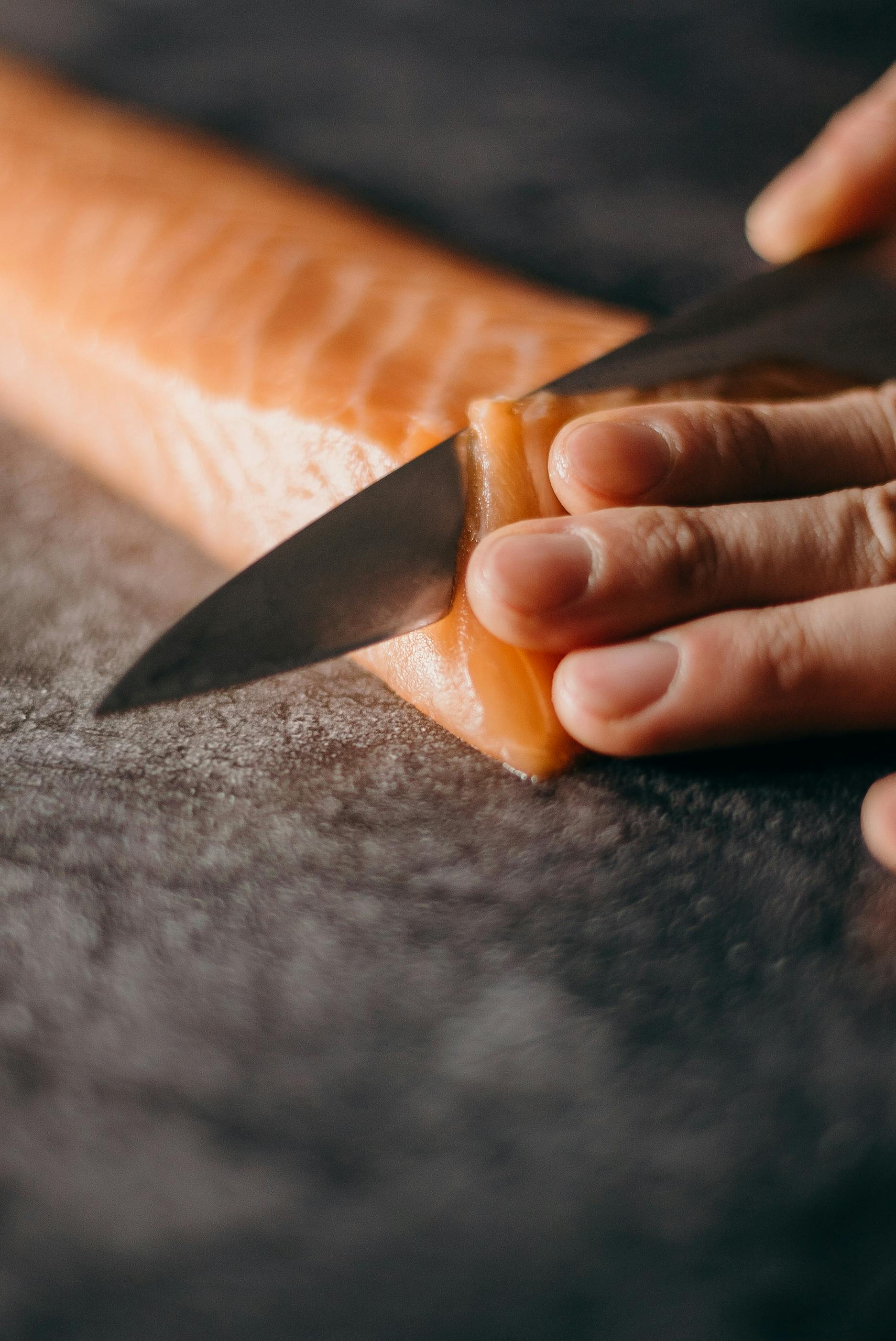
Pat the salmon fillets dry on both sides with paper towels—this helps them roast instead of steam.
Rub the salmon with 1 tablespoon olive oil, then sprinkle evenly with 1/2 teaspoon salt, 1/4 teaspoon pepper, garlic, and dried herbs. Let the seasoned salmon rest at room temperature for about 10 minutes while you prep the greens. - Prep and roast the greens.
In a medium bowl, toss the spinach or kale with the remaining 1 tablespoon olive oil and a pinch each of salt and pepper.
Arrange the salmon fillets skin‑side down on one side of the lined baking sheet. Spread the greens on the other side in an even layer.
Roast for 10–12 minutes, until the salmon flakes easily with a fork and the greens are wilted with crisped edges. Thicker fillets may need an extra minute or two—avoid overcooking to keep the salmon moist. - Prepare your brain‑healthy toppings.
While the salmon roasts, rinse and gently pat dry the blueberries (or other berries).
Roughly chop the walnuts so you get a mix of small and slightly larger pieces for crunch.
Zest the lemon with a fine grater, then cut it in half and juice it into a small bowl, catching any seeds.
Whisk the lemon juice with a drizzle of olive oil and the balsamic vinegar if using. Taste and adjust—add more lemon for brightness or a pinch of salt if needed. - Assemble your MIND diet salmon bowls.
Fluff the warm farro with a fork and divide it among 4 bowls.
Top each with a generous scoop of roasted greens and one salmon fillet.
Scatter berries and chopped walnuts over each bowl for sweet pops of flavor and satisfying crunch.
Spoon the lemon dressing over the top, then finish with lemon zest, parsley, and a pinch of red pepper flakes if you like gentle heat.
Serve immediately, breathing in the aroma of warm grains, roasted salmon, herbs, and citrus.
Variations & Dietary Adaptations
The beauty of MIND diet recipes is their flexibility. Use this bowl as a template and play:
Make It Vegetarian or Vegan
- Swap salmon for roasted chickpeas (tossed in olive oil, smoked paprika, and garlic) or marinated tofu.
- Use vegetable broth for the grains.
- Finish with a drizzle of tahini instead of balsamic if you like extra creaminess.
Gluten‑Free Brain‑Healthy Bowl
- Use quinoa, brown rice, or millet in place of farro.
- Check that your broth is certified gluten‑free.
Low‑Sodium Adjustments
- Use no‑salt‑added broth and season mostly with lemon, herbs, and garlic.
- Add salt only at the table, tasting first—you may find you need much less than you expect.
Storage, Meal Prep & Reheating
This MIND diet bowl is meal‑prep friendly and holds up beautifully for a few days with a little strategy.
How to Store
- Grains: Store cooked farro in an airtight container in the fridge for up to 4 days.
- Salmon: Store cooked salmon separately in a shallow, airtight container for up to 3 days.
- Greens & toppings: Keep roasted greens and berries in separate containers; walnuts can be stored at room temperature in a sealed jar.
- Dressing: Lemon dressing keeps well in a small jar in the fridge for 3–4 days; shake before using.
Reheating Tips
- Grains & greens: Reheat gently in the microwave with a splash of water, or warm in a covered skillet over low heat.
- Salmon: To keep it from drying out, reheat at 275°F (135°C) in the oven for about 8–10 minutes, or warm very briefly in the microwave at 50% power.
- Add berries and walnuts after reheating, just before serving, to keep them fresh and crunchy.
Serving Suggestions & Brain‑Healthy Pairings
This bowl is a complete MIND‑inspired meal on its own, but you can round it out with simple sides and sips:
- Start with a simple mixed‑leaf salad dressed in olive oil and lemon for even more greens.
- Serve with a side of steamed broccoli or Brussels sprouts for extra fiber and phytonutrients.
- Pair with sparkling water splashed with pomegranate or tart cherry juice for a polyphenol‑rich drink.
- Finish the meal with a small bowl of mixed berries and a sprinkle of dark chocolate shavings (70%+ cocoa) if you’d like something sweet.
Eating for brain health isn’t about a single superfood—it’s about the pattern of your plate over weeks, months, and years. This MIND diet bowl is one delicious piece of that bigger, nourishing picture.
Why MIND Diet Recipes Are Trending Now
From podcasts and YouTube channels to TikTok creators and healthy aging blogs, the MIND diet is showing up everywhere. As more people think not just about lifespan but brainspan—how sharp and clear they’ll feel over decades—meals like this salmon, berry & farro bowl feel both exciting and comforting.
Instead of extreme rules, the MIND pattern encourages everyday swaps you can live with:
- Butter → olive oil
- Fried foods → roasted or sautéed in olive oil
- Refined grains → whole grains like farro, quinoa, and brown rice
- Sugary desserts → berries and fruit‑forward treats
- Red & processed meat → fish and poultry more often
This bowl mirrors the MIND pattern in a way that feels completely at home on a busy Tuesday evening. You’re not “on a diet”—you’re simply building a plate that loves your brain back.