
This One 2026 Health Book Could Quiet the Noise and Transform Your Daily Energy
The Must-Read Life-Changing Book to Supercharge Your Health in 2026
In a year crowded with wellness advice, apps, hacks, and viral “miracle” supplements, it’s hard to know what actually works. That’s exactly why one concise, evidence-led book is getting so much attention in 2026: it doesn’t promise perfection—it offers a practical path to feeling and functioning better, starting from where you are right now.
This article walks you through the core ideas of that book, translates the science into everyday language, and gives you realistic steps you can start using today. No crash diets, no all-or-nothing workout plans—just small, strategic changes backed by research.

Why This 2026 Health Book Stands Out in a Noisy Wellness World
The core problem the book addresses is simple: information overload. Most of us know we “should” sleep more, move more, and eat better—but:
- Advice is often extreme or contradictory.
- We’re busy, stressed, and short on time.
- Many wellness trends are driven more by marketing than by evidence.
What makes this book different, as reported by the Iowa Park Leader, is its focus on doing the few things that matter most, consistently. Rather than chasing the latest biohack, it leans on high-quality research from fields like lifestyle medicine, sleep science, and behavioral psychology and distills that into simple routines.
“It’s not about doing everything; it’s about doing the right few things so reliably that your body can finally catch its breath and start to repair.”
— Featured in the Iowa Park Leader’s review of the book
The goal is not a “perfect” body; it’s better daily functioning: steadier energy, clearer thinking, deeper sleep, and lower risk over time of chronic illness.
The Book’s Core Framework: Four Pillars of Everyday Health
The structure of the book—and this article—revolves around four interlocking pillars that are consistently supported by research:
- Sleep that actually restores you.
- Movement that fits into real life.
- Food that nudges your biology in the right direction.
- Mindset & stress that support—not sabotage—your efforts.
Let’s break down how the book turns each pillar into small, doable steps you can implement in 2026, even with a packed schedule and a very human tendency to get off track sometimes.

Pillar 1: Sleep—The Foundation of Your 2026 Health Reset
The book starts with sleep for a reason: without it, everything else feels harder. Modern research consistently shows that getting roughly 7–9 hours of quality sleep is linked with better mood, sharper thinking, healthier metabolism, and reduced risk of chronic conditions such as heart disease and type 2 diabetes.[1]
Yet many of us treat sleep as optional—especially in a culture that glorifies productivity and late-night scrolling. The book reframes sleep as your most powerful daily recovery tool.
Key strategies from the book
- Set a “reverse alarm.” Instead of just an alarm to wake up, you set one to start winding down about 60–90 minutes before bed.
- Protect a sleep window. You choose a consistent 8–9 hour window most nights—even if sleep is a bit patchy at first, your body learns the rhythm.
- Dim the evening “noise.” That includes bright screens, heavy news, and intense email threads where possible.
A real-world example
One reader anecdote shared in the Iowa Park Leader’s coverage described a parent who shifted their bedtime just 30 minutes earlier and began using a “no emails after 9 p.m.” rule. Within three weeks, they reported steadier energy in the late afternoon and fewer sugar cravings—without changing anything else yet.
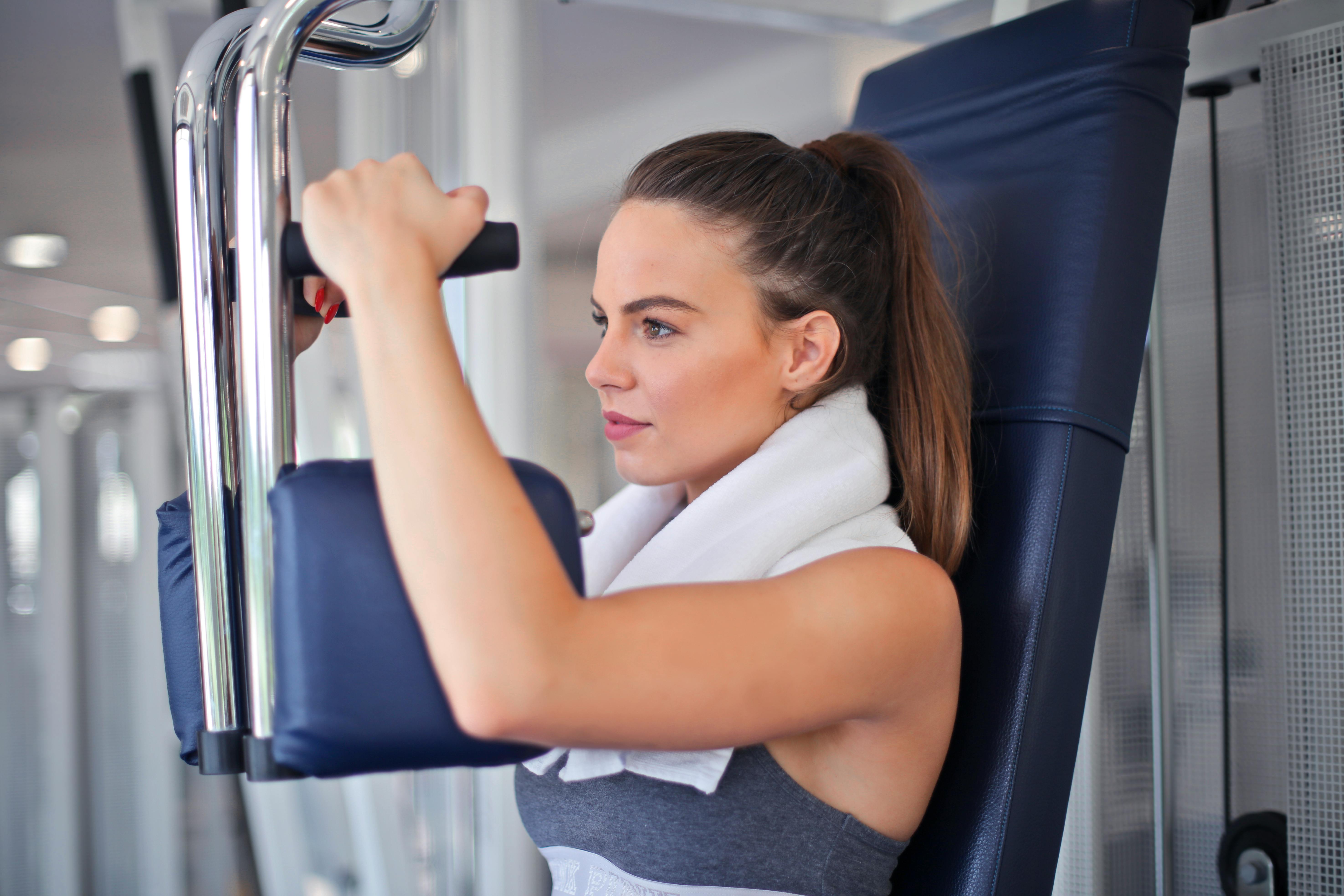
Pillar 2: Movement—Exercise That Fits a Busy 2026 Life
The book is refreshingly honest about exercise: the best workout is the one you’ll actually do most days, not the perfect plan you abandon in week two.
Current guidelines from organizations like the World Health Organization still recommend around 150–300 minutes per week of moderate activity, or 75–150 minutes of vigorous activity, plus muscle-strengthening on 2+ days per week.[2]
How the book makes this doable
- Micro-movement “snacks.” Three 10-minute brisk walks scattered through the day still count and can be easier to fit into a busy 2026 schedule than a single 30-minute block.
- Strength in simple forms. Using bodyweight moves—like squats against a chair, wall push-ups, or step-ups—two or three times a week to build muscle and protect long-term mobility.
- “Anchor habits.” Pairing movement with existing routines (e.g., doing a short routine right after your morning coffee or during a midday break).
Overcoming common obstacles
- “I don’t have time.” The book suggests starting with 5 minutes a day. Often, that tiny start helps build momentum.
- “I hate the gym.” Walking, cycling, dancing, gardening, or playing with kids all count as movement.
- “I’m starting from zero.” The emphasis is on gradual progress—especially if you have joint pain or medical conditions, you are encouraged to talk with your doctor and scale intensity appropriately.
Pillar 3: Food—Simple Nutrition Wins, Not Restrictive Diets
Nutrition is where many health books overpromise. This 2026 standout takes a different route: it avoids fad diets and instead leans on patterns seen in long-lived populations, such as Mediterranean-style and plant-forward eating.[3]
Its message: you don’t need the perfect diet; you need a generally better pattern, most of the time.
Core nutrition principles highlighted
- Add before you subtract. Focus first on adding vegetables, fruits, and protein rather than obsessing over elimination.
- Prioritize protein and fiber. They help you feel fuller and support muscle and metabolic health.
- Reduce ultra-processed foods gradually. Especially sugary drinks and constant snacking from bags and boxes.
- Plan “automatic wins.” Repeatable breakfasts and lunches (like oats with fruit and nuts, or a simple grain–protein–vegetable bowl) reduce daily decision fatigue.

A simple “better, not perfect” plate
One practical tactic from the book:
- Fill about half your plate with vegetables or fruit.
- Use a quarter for protein (beans, fish, eggs, lean meats, tofu, etc.).
- Use the last quarter for whole grains or starchy foods (brown rice, quinoa, potatoes, whole-grain pasta).
You don’t have to eat this way at every meal, but hitting this pattern more often than not can steadily shift your health in the right direction over 2026.
Pillar 4: Mindset & Stress—The Missing Link in Most Health Plans
Many people blame themselves for “lack of willpower,” but research shows that environment, stress levels, and self-talk play huge roles in whether habits stick. The book directly addresses this by weaving in tools from behavioral psychology and mindfulness.
Key mindset shifts recommended
- Progress over perfection. One off-plan meal or missed workout is a data point, not a failure. The next decision is always the most important one.
- Reduce “all-or-nothing” thinking. Even a 5-minute walk, a single serving of vegetables, or turning in 15 minutes earlier all count.
- Stress management as a core habit. Short, regular practices—like 3 deep breaths before meals or a 5-minute evening reflection—are favored over trying to overhaul your life in one go.
“People don’t stick with health changes because they’re weak; they struggle because their goals were designed for a perfect day instead of a real one.”
— Expert insight referenced alongside the book’s principles
The book does not claim that stress can be “fixed” overnight. Instead, it encourages experimenting with small, repeatable practices and noticing which ones genuinely help you feel a bit more grounded.
A Realistic “Before and After”: What Changes Can Look Like Over 3–6 Months
The phrase “life-changing” can be overused. The Iowa Park Leader’s coverage of the book is careful not to claim miracles—but it does share stories of meaningful, everyday changes readers have noticed after applying the book’s ideas for several months.

A composite case study
Consider “Alex,” a composite of several reader experiences described in media coverage:
- Before: 5–6 hours of broken sleep, skipping breakfast, sedentary workdays, and evening screen time until midnight.
- After 3–6 months:
- Consistent 7–7.5 hour sleep window most nights.
- 10–15 minutes of morning walking 5 days a week.
- Simple, repeatable breakfasts and lunches with more protein and fiber.
- Short breathing practice when work stress spikes.
Alex didn’t become a totally different person, but reported:
- Steadier afternoon energy.
- Less brain fog at work.
- Feeling more “in control” of daily choices.
These outcomes are consistent with current evidence on the benefits of gradual lifestyle changes, though results always vary by individual.
How to Apply the Book’s Ideas: A Practical 4-Week Starter Plan
You don’t need to read the entire book before acting. One of its strengths is how easy it is to start small. Here’s a simple way to translate its guidance into a four-week experiment:
Week 1: Sleep first
- Choose a realistic bedtime and wake time you can keep on most days.
- Set a “wind-down” alarm 60 minutes before bed.
- Pick one calming activity for that last hour (dim lights, light reading, gentle stretching).
Week 2: Add movement “snacks”
- Insert one 5–10 minute brisk walk into your day.
- On two days, add a very short strength routine (e.g., 2–3 sets of bodyweight squats and wall push-ups).
Week 3: Simplify your meals
- Pick a simple, balanced breakfast and repeat it on weekdays.
- Add at least one serving of vegetables or fruit to lunch and dinner.
- Swap one sugary drink or snack for water, herbal tea, or a whole-food snack.
Week 4: Support your mindset
- Take 3 slow breaths before one meal each day.
- At night, jot down one small health win from the day—even if it’s just “I walked for 5 minutes.”
- Notice and gently challenge “all-or-nothing” thoughts when they appear.
Common Obstacles—and How the Book Helps You Navigate Them
The Iowa Park Leader’s review notes that one of the most appreciated aspects of the book is its honesty about setbacks. It expects you to have busy weeks, stressful days, and times when your motivation dips.
Obstacle 1: “I fall off the wagon, then quit.”
The book encourages viewing each day as independent. Yesterday’s choices don’t decide today’s. A missed workout or late-night snack doesn’t undo your efforts—it’s just part of the pattern of being human.
Obstacle 2: “I don’t know who to trust.”
To combat misinformation, the book references well-regarded sources such as:
- Centers for Disease Control and Prevention (CDC)
- World Health Organization (WHO)
- Peer-reviewed medical journals
- Leading academic institutions
Obstacle 3: “I get overwhelmed by changing too much.”
The book repeatedly reinforces the idea of choosing one habit per pillar at a time. You’re invited to scale changes to the smallest version you can reliably keep, then build from there.
The Science Behind the Advice: Why These Habits Matter
While the book is written for everyday readers, its core guidance aligns with current health research:
- Sleep: Insufficient sleep has been linked to higher risk of obesity, diabetes, cardiovascular disease, and impaired immune function.[4]
- Movement: Regular physical activity helps reduce risk of many chronic diseases and supports mental health.[5]
- Nutrition: Diets rich in whole plant foods and healthy fats are consistently associated with better cardiovascular and metabolic health.[6]
- Stress & mindset: Chronic stress can affect immune function, blood pressure, and mental health; even brief, regular stress-reduction practices can help some people feel and function better.[7]
None of these habits guarantee specific outcomes for any individual, but together they form a strong foundation for improving your odds of better health over time.
Where to Go From Here: Making 2026 the Year You Simplify Your Health
If you’re feeling worn out by ever-changing wellness trends, the health book highlighted by the Iowa Park Leader offers something much more sustainable: focus on the fundamentals, done consistently, in a way that fits real life.
You don’t need to overhaul everything tonight. Instead, you might:
- Choose a sleep window for the next week.
- Schedule one 10-minute walk into your calendar tomorrow.
- Add one serving of vegetables or fruit to today’s meals.
- Pause for three slow breaths before you open your next email.
These are small moves—but over weeks and months, they can be deeply life-changing in how you feel day to day.
Your next step: pick one pillar and one tiny habit from this article to try for the next seven days. Treat it as an experiment, not a test—and notice what begins to shift.
