
The Strokes Turn Coachella Into a Political Flashpoint With Fiery Anti‑War Finale
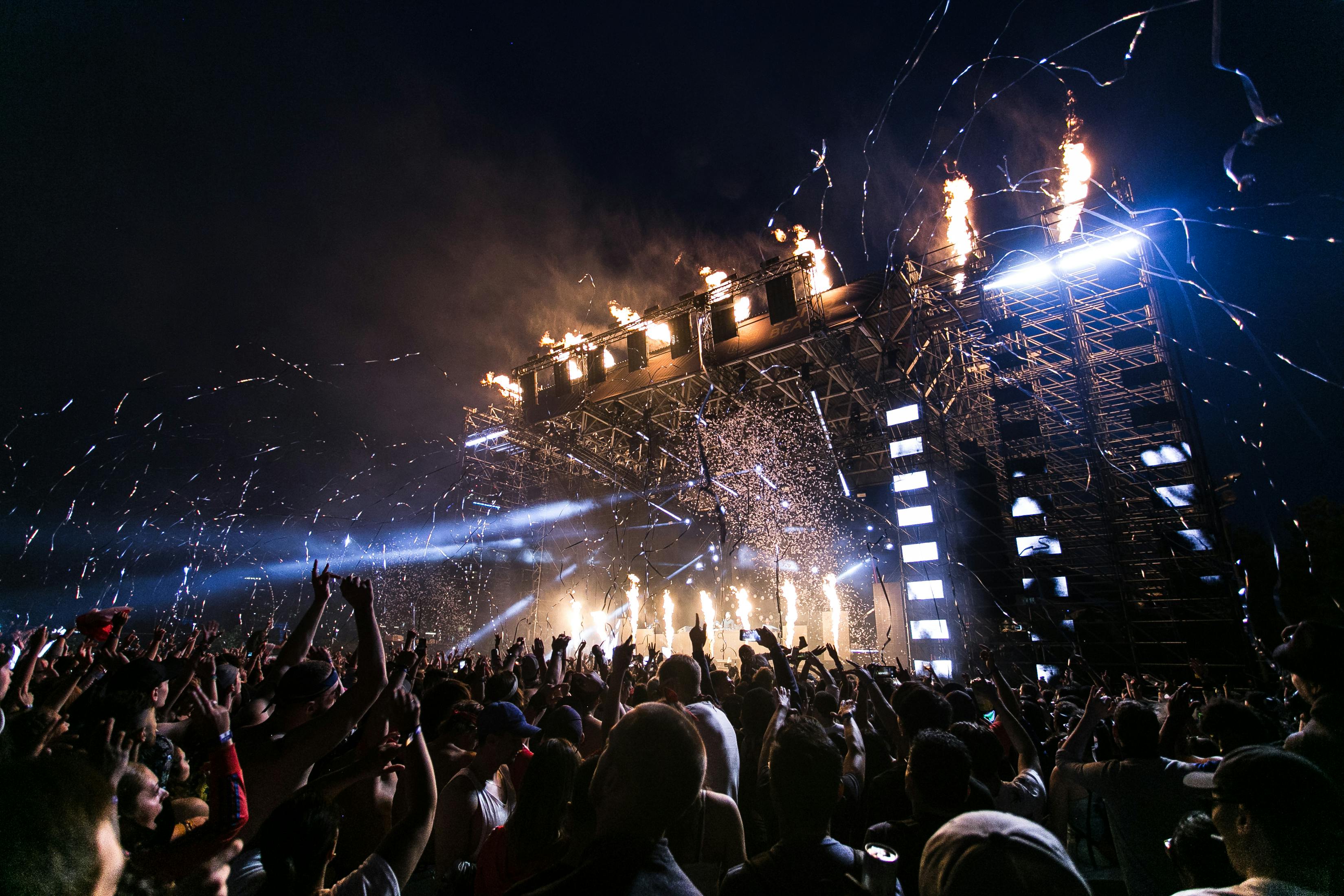
At Coachella 2026, The Strokes didn’t just headline a festival; they set off a cultural flashbang. Closing their set with a searing video condemning US and Israeli bombings in Iran and Gaza—while Julian Casablancas repeated the question, “What side are you standing on?”—the New York indie legends turned the Empire Polo Club into an arena for anti-war protest and ethical discomfort.
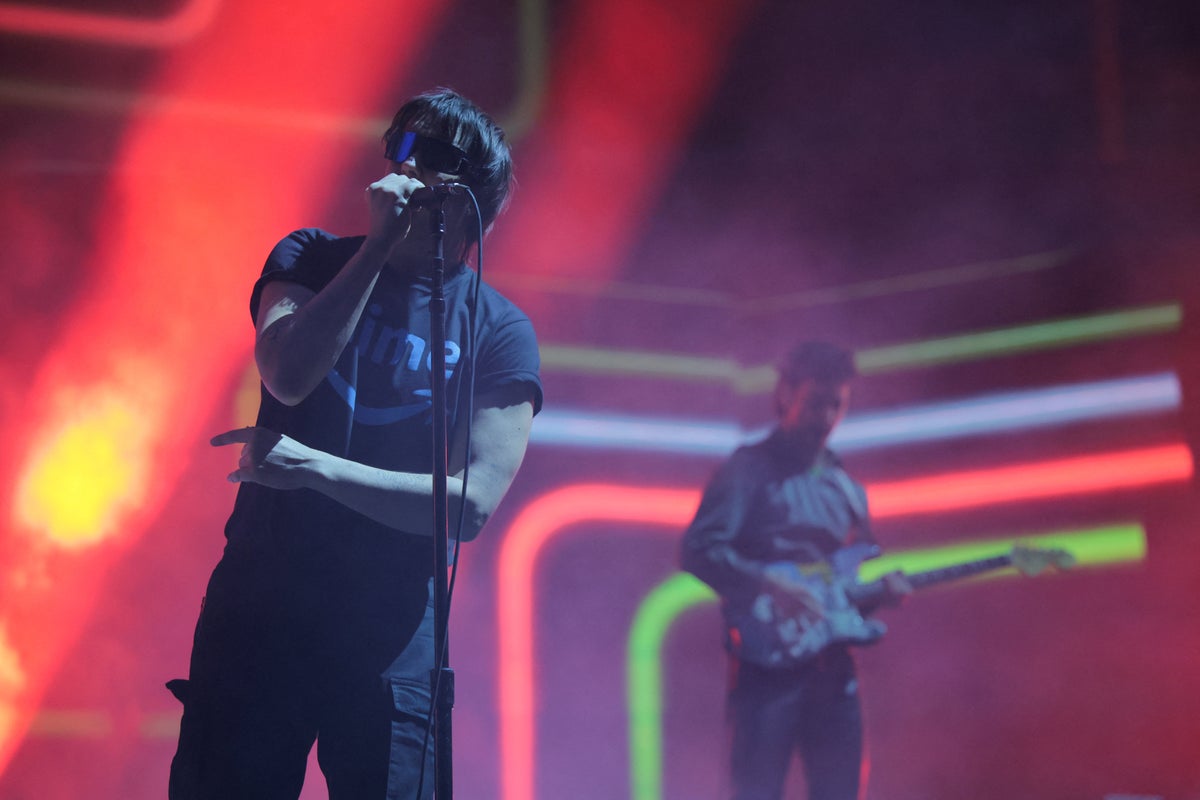
The Strokes’ Coachella 2026 Set Becomes a Political Event
In a festival ecosystem that often treats politics as bad vibes, the band’s decision to end with graphic footage of bombings and a blunt anti-war message instantly positioned their Coachella performance as one of the most divisive—and culturally significant—sets in recent memory.
Background: The Strokes, Coachella, and a New Era of Protest Music
The Strokes have always been avatars of early‑2000s cool: detached, stylish, and more interested in ennui than explicit activism. Their breakout album Is This It arrived in 2001 as a soundtrack to downtown hedonism, not protest marches. Even as peers like Rage Against the Machine and System of a Down wore politics on their sleeves, The Strokes largely kept their commentary coded and personal.
Coachella, for its part, has long been a barometer of pop culture’s center of gravity. When Beyoncé turned it into “Beychella” in 2018, she reframed the festival as a platform for Black cultural history. When Rage reunited there in earlier years, it reminded audiences that live music could still sound like dissent. The Strokes’ 2026 appearance fits into that lineage, but with a twist: anti-war messaging amid a deeply polarized global conversation about Gaza, Iran, and Western power.
- Band legacy: From New York guitar revivalists to elder statesmen of indie rock.
- Festival context: Coachella as a megaphone for both pop spectacle and political statements.
- Global moment: Heightened scrutiny of US foreign policy and Israel’s military actions.
What Actually Happened During The Strokes’ Coachella Finale?
According to reporting from The Independent and fan accounts circulating on social media, the band closed their Coachella set with a stark, confrontational video. The screen reportedly showed violent imagery of bombings in both Iran and Gaza, explicitly condemning US and Israeli military actions while framing the scenes as part of a broader anti-war statement.
“What side are you standing on? What side are you standing on?”
— Julian Casablancas, repeatedly, over the video montage
This wasn’t subtle. It broke from the familiar “thoughts and prayers” boilerplate that artists sometimes deploy and instead pushed the crowd into an uncomfortable binary. For a band that built its image on nonchalance, the intensity of the moment landed like a slap.
Analysis: Protest, Spectacle, and the Ethics of “Picking a Side”
There are two overlapping conversations here: the content of the message (condemning bombings and civilian deaths) and the way it was delivered (a high‑impact, emotionally charged video at a massive pop culture event).
1. Anti-war messaging in a polarized landscape
On its face, condemning bombings that harm civilians is a broadly humanist position. Yet in the current political climate, even explicitly anti-war statements get interpreted through partisan or nationalist lenses, especially when they mention specific states such as the US or Israel. The Strokes’ decision to name those powers makes the statement less abstract and more indicting, inviting both praise for moral clarity and criticism for perceived bias or simplification.
2. “What side are you on?” as a festival call‑out
Casablancas’s repeated line echoes a long lineage of protest music chants, from union songs to civil rights marches. Used at Coachella, it hits differently: affluent crowds, expensive tickets, a festival deeply interwoven with corporate sponsorship. The prompt risks feeling accusatory but also forces an uncomfortable question:
- Is being at Coachella a form of looking away from global crises?
- Can a luxury festival meaningfully host radical political speech without neutralizing it?
- Does the gesture become another piece of content in the outrage economy?
3. The line between raising awareness and exploiting trauma
One of the most sensitive aspects is the use of violent footage itself. Graphic depictions of bombings and devastation can humanize distant conflicts, but they can also retraumatize people whose families and communities are directly affected. The ethical question is whether such images, in a festival setting, invite informed engagement—or reduce suffering to background visuals.
Fan, Media, and Industry Reactions: Polarization in Real Time
Early reactions reported by outlets like The Independent and amplified across social platforms describe a crowd split between electrified support, visible discomfort, and outright anger. Some fans praised the band for “finally using their platform” and breaking from festival apathy. Others questioned whether a brief visual statement at the end of a set can be anything more than symbolic.
- Supportive takes: Applauding an unambiguous call against civilian bombings and an insistence on moral engagement.
- Critical takes: Accusations of oversimplifying complex geopolitics, or alienating fans seeking an escape.
- Industry chatter: Quiet speculation about whether festivals will pressure artists to avoid overtly political visuals that name specific states.
“If you’re going to stand on the biggest stages in the world, it’s dishonest to pretend the world isn’t on fire.”
— A common sentiment among supportive critics and commentators
Where This Fits in the History of Political Statements at Festivals
The Strokes’ Coachella finale joins a long list of artists using festival stages to confront war, state violence, or systemic injustice. From John Lennon’s Vietnam‑era activism to modern-day performances in support of climate action or reproductive rights, music history is full of moments when entertainment collided with geopolitics.
What feels new here is the specific constellation: a legacy New York rock band, a mega‑festival known as much for influencers as for music, and a hyper‑networked online audience ready to litigate foreign policy in the quote‑tweets of a grainy festival clip.
- Woodstock & Vietnam: The era when mass gatherings and anti‑war sentiment became closely linked.
- Rage & nu‑metal era: Explicitly political bands using festivals to attack US foreign policy and corporate power.
- Beyoncé at Coachella: Reframing the festival as a site of Black historical and cultural assertion.
- The Strokes in 2026: Mainstream indie stepping into explicit commentary on Gaza, Iran, and Western militarism.
Strengths and Weaknesses of The Strokes’ Coachella Statement
Where the gesture lands powerfully
- Moral clarity: A clear anti‑bombing, anti‑civilian‑casualty stance in a moment when many high‑profile acts avoid specifics.
- Use of platform: Leveraging a gigantic stage and global livestream to highlight war and human suffering instead of more brand tie‑ins.
- Artistic risk: Risking backlash, boycotts, or political blowback to make a point rather than maintaining a safe nostalgia act image.
Where it becomes more complicated
- Binary framing: “What side are you standing on?” can flatten genuinely complex geopolitical and ethical questions into a yes/no reaction.
- Potential for trauma: Graphic images may be incredibly painful for people directly affected by the conflicts, especially in a party context.
- Follow‑through: Without sustained engagement—benefit shows, advocacy partnerships, or resource sharing—the moment risks becoming a viral clip more than a long‑term stance.
None of these tensions invalidate the band’s choice, but they do underline how fraught political art has become in the streaming era, when every second of a performance doubles as potentially extractive content.
What This Means for The Strokes—and for Future Festival Politics
For The Strokes, the Coachella 2026 set marks a pivot point. Whether they like it or not, they have stepped into the realm of explicitly political artists. Fans and critics will be watching to see if this moment is followed by more sustained advocacy in interviews, music videos, or touring partnerships—or if it remains a singular flash of outrage.
For Coachella and similar festivals, the episode raises bigger structural questions: Will organizers quietly discourage future acts from airing similarly targeted messages? Or are we entering a new period in which political risk‑taking is once again part of headlining a major stage?
Either way, the image of Julian Casablancas asking tens of thousands of fans, “What side are you standing on?” as footage of real‑world violence plays behind him is now part of the canon of modern protest imagery. It’s messy, uncomfortable, and imperfect—but in a culture that often prefers numbness, that might be precisely why it matters.

Review Summary: The Strokes’ Coachella 2026 Anti‑War Finale
The Strokes Live at Coachella 2026 – Rating: 4/5
As a piece of live music theater, The Strokes’ decision to end Coachella 2026 with a fiery anti‑war video condemning US and Israeli bombings in Iran and Gaza was bold, jolting, and undeniably memorable. Musically, the set leaned on a well‑honed catalog; politically, the finale pushed them into far riskier territory. The gesture’s ethical complexity—its binary framing and use of violent imagery—prevents it from being an unqualified triumph, but it succeeds in yanking a pleasure‑drunk festival crowd into the moral turbulence of the present.
Staff Critic
For additional reporting and context, see The Strokes Coachella coverage on The Independent and the band’s profile on IMDb.
