
The Silent Rise of Fungal Superbugs: Why Scientists Are Sounding the Alarm
Why Scientists Are Nervous About Fungi—and What That Means for You
If you’ve ever had athlete’s foot, a yeast infection, or a stubborn nail fungus, you already know fungi can be irritating. But behind these everyday annoyances, scientists are increasingly worried about a quieter, more serious issue: some fungi are evolving into “superbugs” that our current medications can’t easily stop.
While headlines often focus on antibiotic-resistant bacteria and new viral outbreaks, drug‑resistant fungi have been rising in hospitals, nursing homes, and communities worldwide. Researchers interviewed by outlets like NPR warn that we’ve underestimated fungi for too long—and that our limited tools to treat them are under growing pressure.

This doesn’t mean everyone should panic. It does mean it’s time to understand the risks, support smart public‑health strategies, and take simple steps in everyday life to lower your own chances of serious fungal infection.
The Quiet Threat: Why Fungal Infections Are Getting More Attention
Fungi are everywhere—on our skin, in the soil, on plants, and in the air. Most are harmless; some are even helpful (think bread, cheese, and certain medicines). The concern is a relatively small group of fungal species that can:
- Cause serious infections in people with weakened immune systems
- Survive for long periods on surfaces in hospitals and care facilities
- Develop resistance to the limited antifungal drugs we have
- Spread rapidly across regions and even continents
“We’ve put enormous resources into tracking and treating bacteria and viruses. Fungi have been the overlooked sibling—until they started showing us how dangerous they can be when drug resistance takes off.”
Public‑health agencies like the U.S. Centers for Disease Control and Prevention (CDC) now list several drug‑resistant fungi among their top urgent or serious threats. NPR’s reporting highlights that experts are worried we’re not moving quickly enough to build better defenses.
Fungi vs. Bacteria and Viruses: What Makes Them So Tricky?
To understand why scientists are nervous, it helps to compare fungi with bacteria and viruses.
1. Fungi are more like us than bacteria are
Bacteria are very different from human cells, which makes them easier targets for antibiotics. Fungi, on the other hand, are eukaryotes—cellularly more similar to humans. That means:
- Drugs that kill fungi can more easily harm human cells too.
- We have a narrower “therapeutic window” before side effects set in.
- Developing new antifungal drugs is scientifically harder and slower.
2. Limited antifungal drug classes
Modern medicine has dozens of antibiotic classes, but only a few major antifungal classes, such as:
- Azoles (e.g., fluconazole)
- Echinocandins (e.g., caspofungin)
- Polyenes (e.g., amphotericin B)
When fungi become resistant to one or more of these, doctors quickly run out of safe, effective options—especially for people who are critically ill.
3. Environmental and agricultural pressures
Some of the same types of antifungal chemicals used to protect crops are chemically similar to drugs used in humans. Overuse in agriculture can push fungi in the environment to evolve resistance, which can then show up in human infections.
Real-World Examples: From Yeast Infections to Deadly Superbugs
Not all fungal infections are equal. Many are manageable at home or with routine medical care, but a growing subset can be life‑threatening.
Common, usually mild fungal infections
- Yeast infections (e.g., vaginal candidiasis)
- Athlete’s foot and jock itch
- Ringworm (a skin fungus, despite the name)
- Fungal nail infections
These can be uncomfortable and sometimes persistent, but they’re rarely dangerous in otherwise healthy people and often respond to over‑the‑counter treatments or short courses of prescription medication.
Serious and emerging fungal threats
Scientists and public‑health agencies are especially focused on invasive and drug‑resistant infections like:
- Candida auris: An emerging multidrug‑resistant yeast that can cause severe bloodstream and wound infections, especially in hospitals.
- Invasive aspergillosis: A lung infection caused by Aspergillus molds, primarily affecting people with weakened immune systems.
- Cryptococcal meningitis: A serious infection of the brain and spinal cord, more common in people with advanced HIV or other immune compromise.

“Candida auris has shown us how quickly a fungus can appear, spread globally, and develop resistance to multiple drugs. It’s a warning sign that we need better surveillance and more treatment options.”
While the average healthy person has a low day‑to‑day risk of these severe infections, they become a serious concern in intensive‑care units, long‑term care facilities, and for people whose immune systems are suppressed by illness or treatment.
How Fungi Develop Drug Resistance
Just like bacteria, fungi evolve. Each time fungal cells are exposed to antifungal drugs, there’s a chance that:
- A random mutation will allow some cells to survive the drug.
- Those survivors multiply, passing on resistant traits.
- Over time, entire strains become harder to treat.
Common drivers of antifungal resistance
- Overuse or misuse of antifungal medications in humans—such as unnecessary prescriptions or not completing a treatment course.
- Widespread agricultural use of fungicides that are similar to medical antifungals, putting constant pressure on environmental fungi to adapt.
- Infection control gaps in healthcare settings, where resistant strains can spread between vulnerable patients.

Who Is Most at Risk From Dangerous Fungal Infections?
Fungal infections can affect anyone, but severe, life‑threatening cases are far more common in people with weakened immune systems or serious underlying conditions.
- Patients in intensive‑care units or on ventilators
- People undergoing chemotherapy or radiation
- Individuals who have received organ or stem‑cell transplants
- People with advanced HIV infection
- People with uncontrolled diabetes or severe lung disease
- Elderly individuals in long‑term care facilities
For these groups, a fungal infection that might be minor in a healthy person can become invasive—spreading from the skin or lungs into the bloodstream or vital organs.
“In our ICU, resistant fungal infections can be the difference between a patient recovering smoothly and facing a prolonged, complicated hospital stay.”
This is why healthcare workers and scientists are pushing for better surveillance, faster diagnostics, and more robust infection‑control measures—especially in settings that care for medically fragile patients.
What You Can Do: Practical Steps to Lower Your Risk
You can’t (and shouldn’t) try to avoid all fungi—that would be impossible. But you can reduce your risk of problematic infections and help slow the rise of resistance with a few everyday habits.
1. Protect your skin and nails
- Keep skin clean and dry, especially in skin folds and between toes.
- Wear flip‑flops or sandals in locker rooms, pool areas, and communal showers.
- Change out of damp workout clothes and socks promptly.
- Trim nails straight across and keep tools clean.
2. Use antifungal medications wisely
- Consult a healthcare professional if an infection is new, severe, recurrent, or not improving with over‑the‑counter care.
- Follow dosing instructions carefully—don’t stop treatment early just because symptoms improve.
- Avoid sharing prescription creams or pills with others.
3. Support your overall immune health
A stronger immune system makes it easier for your body to keep fungi in check. Evidence‑based strategies include:
- Managing chronic conditions like diabetes with your medical team’s guidance.
- Getting recommended vaccines, which can prevent respiratory infections that might otherwise create openings for fungi.
- Prioritizing sleep, balanced nutrition, and regular physical activity.

What Health Systems and Scientists Are Doing About It
While individuals can take protective steps, controlling drug‑resistant fungi requires coordinated action in healthcare, agriculture, and research. NPR’s reporting and recent scientific reviews highlight several priorities.
1. Stronger surveillance and diagnostics
- Tracking where resistant fungi are emerging and how they spread.
- Developing faster lab tests so doctors can identify the right drug sooner.
- Sharing data across regions and countries to spot trends early.
2. Improved infection control
- Rigorous cleaning protocols in hospitals and long‑term care facilities.
- Isolating patients with certain resistant infections when appropriate.
- Hand hygiene and protective equipment for staff and visitors.
3. Research into new treatments and vaccines
Scientists are working on:
- New antifungal drug classes with different targets.
- Combination therapies (using more than one drug together).
- Potential vaccines for high‑risk groups against specific fungi.

Common Obstacles—and How We Can Overcome Them
Addressing drug‑resistant fungi isn’t just a scientific puzzle; it’s also a social and economic challenge. Several obstacles keep coming up in expert discussions.
1. Limited public awareness
Many people have never heard of drug‑resistant fungi like Candida auris, or they assume all fungal infections are minor. That can delay diagnosis and treatment.
What helps: Clear public communication—like the coverage you might hear on NPR—can empower people to seek care early without creating unnecessary fear.
2. Economic barriers to new drugs
Developing antifungals is expensive, and resistant infections are still relatively rare compared to common conditions. That can make it hard for new drugs to attract investment and reach the market quickly.
What helps: Policies that support antimicrobial innovation, public‑private partnerships, and global funding initiatives focused on drug‑resistant pathogens.
3. Stigma and discomfort discussing symptoms
Conditions like vaginal yeast infections, fungal rashes, or toenail fungus can feel embarrassing to talk about. Some people wait months or years before seeking care.
What helps: Normalizing these conversations and framing fungal infections as medical issues—nothing to be ashamed of—can lead to earlier, more effective treatment.
A Brief Case Example: When a “Minor” Infection Isn’t So Minor
Consider a patient in their late 60s recovering from abdominal surgery in a hospital. They have diabetes and are on several medications that affect their immune system. Initially, everything seems to be going well—until they develop a fever that doesn’t respond to broad‑spectrum antibiotics.
After further testing, doctors identify a bloodstream infection caused by a resistant Candida species. Treatment now requires:
- Intravenous antifungal drugs with careful monitoring for side effects.
- Meticulous review of catheters and lines that might harbor the fungus.
- Additional days—or even weeks—in the hospital.
In this scenario, early recognition of fungal infection, rapid diagnostic testing, and strict infection‑control practices are crucial. It’s a real‑world example of why scientists are urging health systems to take fungi as seriously as other major pathogens.
Before and After: Infection Control in Action
Many hospitals have seen dramatic changes after tightening their approach to fungal infections.
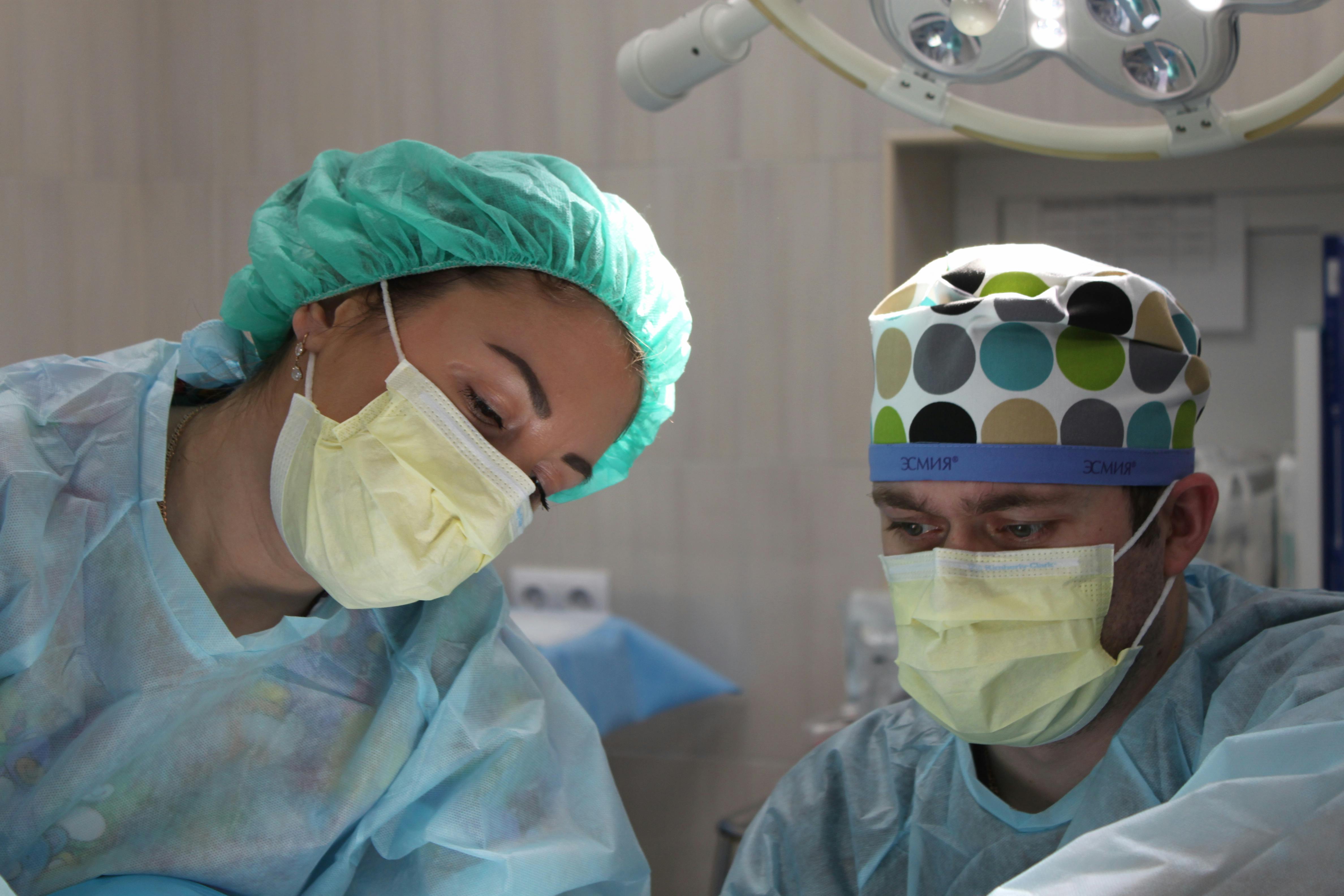
- Before: Fungal infections identified late, limited screening, inconsistent cleaning practices, and sporadic staff training.
- After: Routine screening for high‑risk patients, standardized cleaning of high‑touch surfaces, real‑time alerts from lab systems, and regular education for staff.
Facilities that implemented these changes have reported fewer outbreaks, faster containment when resistant fungi are detected, and better outcomes for vulnerable patients.
Staying Informed Without Becoming Overwhelmed
Drug‑resistant fungi are a serious, evolving challenge—but they’re not a reason to live in fear. For most healthy people, the practical steps are straightforward: pay attention to your body, practice good hygiene, manage chronic conditions with your care team, and seek medical advice when infections don’t behave as expected.
For scientists, clinicians, and public‑health leaders, fungi are a wake‑up call: we can’t afford to overlook an entire kingdom of organisms when we think about infectious disease threats. The more we invest now in surveillance, research, and sensible drug use, the better prepared we’ll be.
If this topic is new to you, you’ve already taken a meaningful first step by learning about it. Staying curious—and asking informed questions of your healthcare providers and policymakers—helps keep fungal threats on the radar where they belong.
Next step: Look over your own risk factors, notice any recurring infections you may have ignored, and bring them up at your next medical visit. Early, thoughtful action is one of the most powerful tools we have against emerging fungal superbugs.
Further Reading and Trusted Resources
For updated information on fungal infections and drug resistance, see:
