
The Gut-Friendly Parasite Rule: Why Worms Only Help on a High-Fiber Diet
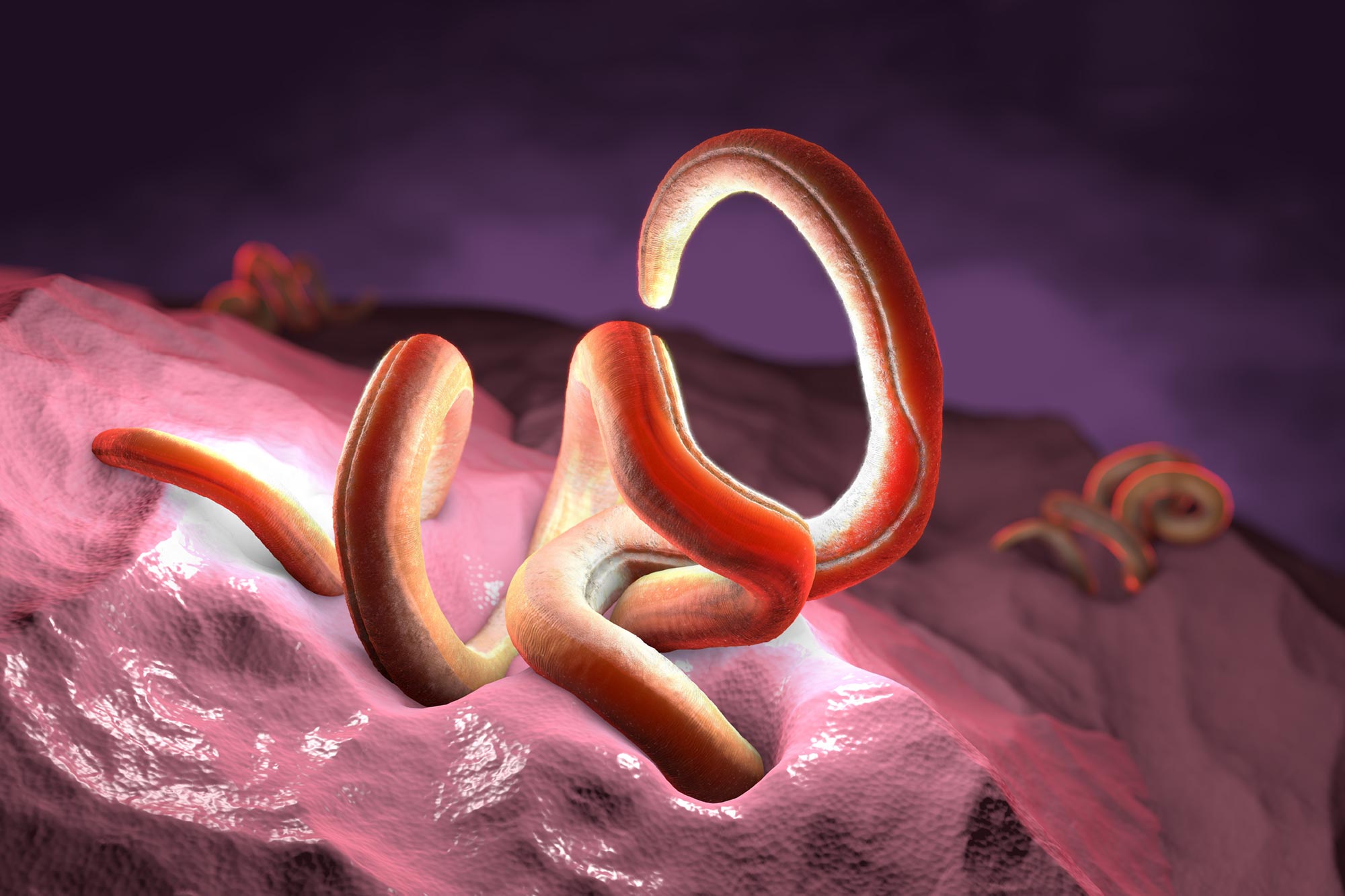
If someone told you that “good” intestinal worms might help calm inflammation, you’d probably feel a mix of curiosity and mild horror. You’re not alone. Over the past decade, scientists have been quietly exploring how parasitic worms—also called helminths—interact with our immune system and gut health. Now, new research adds an important twist: these worms only seem to help when your diet is rich in fiber. On a low-fiber diet, their benefits largely disappear and they may even contribute to gut imbalance.
In this article, we’ll unpack what this new study actually found, what it means for conditions like inflammatory bowel disease and allergies, and—most importantly—how you can use these insights safely by focusing on diet and gut health, not by self-infecting with parasites.
Why Are Scientists Interested in “Good” Parasites?
For most of human history, intestinal worms were common. In modern, industrialized countries, better sanitation has drastically reduced parasite infections—which is a clear win in many ways. But as infections went down, rates of autoimmune and inflammatory diseases went up: Crohn’s disease, ulcerative colitis, celiac disease, asthma, eczema, and multiple sclerosis, to name a few.
This pattern led to the “old friends” hypothesis: certain microbes and parasites that co-evolved with us may have trained our immune system to stay in balance. Remove them completely, and the immune system may overreact, causing inflammation.
“Helminths are not simply invaders; they are long-term cohabitants that actively communicate with the immune system. In some contexts, that communication can dampen excessive inflammation.”
— Paraphrased from current helminth–immune system research
Importantly, this does not mean parasites are “good” overall. Many cause anemia, malnutrition, and organ damage. The new study doesn’t romanticize worms; instead, it reveals that when worms are present, diet—especially fiber—strongly shapes whether their influence on the gut is harmful, neutral, or potentially helpful.
The New Study in Plain Language: Worms + Fiber vs. Worms + Low-Fiber
The study reported by SciTechDaily (2026) examined how intestinal worms affect inflammation under different dietary conditions, focusing on fiber intake. Most of the detailed work was done in animal models, which are commonly used to mimic human gut and immune responses.
What the researchers did
- They compared animals with and without intestinal worm infections.
- They fed the animals either:
- a high-fiber diet, or
- a low-fiber / fiber-poor diet.
- They monitored:
- signs of gut inflammation,
- changes in the gut microbiome (bacteria in the intestines), and
- how active or dormant the worms became.
Key findings
- On a high-fiber diet, worms reduced inflammation.
Animals with worms and plenty of dietary fiber showed:- lower inflammatory markers,
- more regulatory (calming) immune responses, and
- a gut microbiome that looked more balanced and diverse.
- On a low-fiber diet, worms lost their benefits—and disrupted the gut.
When fiber was scarce:- worms became more dormant or metabolically “quiet,”
- they no longer suppressed inflammation, and
- the gut microbiome shifted toward a less healthy pattern.
- Diet dictated the outcome more than the worms themselves.
The same species of parasite could be relatively “helpful” in a high-fiber environment and largely unhelpful—or even harmful—in a low-fiber one.
How Fiber Turns “Good” Parasites On (and Low Fiber Turns Them Off)
To make sense of this, it helps to zoom out and look at the gut ecosystem: you, your microbiome, and (sometimes) worms are all sharing space and resources.
1. Fiber feeds your gut microbes—and shapes inflammation
Dietary fiber—especially from whole plant foods—passes through your small intestine mostly undigested and lands in the colon, where your gut bacteria ferment it. That fermentation produces short-chain fatty acids (SCFAs) like butyrate, acetate, and propionate. SCFAs are:
- Fuel for the cells lining your colon, helping maintain a strong gut barrier.
- Immune modulators that promote regulatory T cells and reduce chronic inflammation.
- Microbiome shapers that favor beneficial bacteria over inflammatory species.
2. Worms respond to that fiber-fed environment
Helminths don’t usually eat fiber directly, but they depend on a stable gut environment. In a high-fiber setting:
- The microbiome is more diverse, leaving less room for aggressive, inflammatory microbes.
- SCFAs and other metabolites support regulatory immune pathways.
- Worms’ own survival strategies often involve dialing down the host’s immune response, which in this context tends to reduce excessive inflammation.
In contrast, a low-fiber diet:
- starves beneficial bacteria and can favor more inflammatory species,
- reduces SCFA production, weakening the gut barrier, and
- creates a stressed environment in which worms may become dormant and less immunomodulatory.
“The same helminth infection can have dramatically different consequences depending on what the host eats. Diet is a powerful switch that can turn immunoregulation on or off.”
— Summary of findings from recent helminth–diet studies
What This Means for You: Gut Health, Not DIY Parasite Therapy
Reading about “helpful worms” can be unsettling. It can also tempt some people, especially those struggling with hard-to-treat inflammatory conditions, to look for alternative fixes. It’s important to set clear boundaries here.
What the study does suggest
- Your diet—especially fiber intake—is a central controller of gut inflammation.
- The gut immune system is tuned not just by microbes but by the overall ecosystem created by what you eat.
- Therapies that try to harness worms or their molecules will likely only be effective alongside a supportive, fiber-rich diet.
What the study does not support
- It does not justify self-infecting with worms purchased online.
- It does not prove that worms are universally beneficial or safe in humans.
- It does not replace established medical treatments for inflammatory or autoimmune diseases.
Practical Takeaways: How to Eat for a Calmer, More Resilient Gut
The real power of this research lies in its reminder that diet is not a side note—it’s the stage on which your immune system and microbiome perform. You do not need worms to apply the lesson. You can shape your gut environment directly, starting with fiber.

Step 1: Aim for a realistic fiber target
Many guidelines suggest around 25–38 grams of fiber per day for adults, depending on sex, size, and energy needs. Most people in industrialized countries get far less—often under 15 grams.
- If you currently eat little fiber, increase slowly (for example, +5 g per week) to reduce gas and bloating.
- Drink enough water; fiber works best when it can absorb fluid.
Step 2: Build your plate around fiber-rich whole foods
Try structuring each meal with at least two fiber sources:
- Vegetables: leafy greens, broccoli, Brussels sprouts, carrots, peppers.
- Fruits: berries, apples, pears, oranges, kiwi.
- Legumes: lentils, chickpeas, black beans, kidney beans.
- Whole grains: oats, quinoa, brown rice, barley, whole wheat.
- Nuts & seeds: almonds, walnuts, chia seeds, flaxseeds, pumpkin seeds.
Step 3: Favor “microbiome-friendly” fibers
Certain fibers are especially good at supporting SCFA production and beneficial microbes:
- Inulin & fructooligosaccharides (FOS): chicory root, onions, garlic, leeks, asparagus, Jerusalem artichokes.
- Resistant starch: cooked-and-cooled potatoes, green bananas, cooked-and-cooled rice or pasta, oats.
- Beta-glucans: oats, barley, some mushrooms.
Common Obstacles (and How People Work Around Them)
Shifting to a higher-fiber, gut-supportive diet sounds straightforward on paper, but real life gets in the way—busy schedules, food preferences, symptoms, or simply feeling overwhelmed. Here’s how many people navigate those hurdles.
Obstacle 1: “Fiber makes me bloated.”
Rapidly increasing fiber can cause gas, bloating, and discomfort, especially if your microbiome isn’t used to it.
- Increase fiber gradually over several weeks.
- Start with cooked vegetables and oats, which many people tolerate better than raw salads.
- Consider spreading fiber over the day rather than front-loading it in one meal.
Obstacle 2: “I don’t have time to cook.”
- Use frozen vegetables and fruits—they’re fast, nutritious, and often cheaper.
- Keep canned beans (rinsed) on hand for quick additions to soups, salads, and grain bowls.
- Batch cook one or two high-fiber dishes (chili, lentil soup, grain salad) on weekends.
Obstacle 3: “I don’t like ‘healthy’ foods.”
Taste preferences are real, but they’re also trainable. The microbiome and brain both adapt to new patterns over time.
- Pair new high-fiber foods with flavors you already enjoy (for example, a small portion of beans in a favorite stew).
- Experiment with spices, herbs, and sauces to make vegetables genuinely satisfying.
- Make gradual swaps instead of overnight overhauls (whole-grain bread for part of the week, then most of it).
A Real-World Story: Calming a Flare Without Extreme Measures
A gastroenterologist I spoke with described a patient in their mid-30s with recurrent gut inflammation and alternating constipation and diarrhea. The patient had been reading about helminth therapy in online forums and was considering a DIY approach because standard treatments felt imperfect.
Instead of jumping to parasites, the clinician suggested a structured, diet-first strategy:
- Baseline assessment of symptoms, current diet, and microbiome (via stool testing).
- Gradual increase in fiber from vegetables, oats, and legumes, tailored to tolerance.
- Reduction in ultra-processed foods and sugary drinks.
- Regular follow-ups every 4–6 weeks to adjust and track progress.
Over three months, the patient’s symptom scores improved significantly. Flares didn’t vanish entirely (and medications were still part of the plan), but their intensity and frequency dropped. By that point, the idea of ordering parasites online felt not just unnecessary, but risky and misaligned with what we now know: the diet “switch” is fundamental.
Before and After: A Gut Under Low-Fiber vs. High-Fiber Conditions
Think of the new study as a “before and after” comparison—not just for worms, but for your entire gut ecosystem.
Low-Fiber “Before” State
- Reduced microbial diversity.
- Lower SCFA production and a weaker gut barrier.
- Higher background inflammation.
- If worms are present: more dormancy, less immune-calming effect.
High-Fiber “After” State
- Greater microbial diversity and resilience.
- More SCFAs, stronger gut barrier, and better energy for colon cells.
- Immune system nudged toward balance and regulation.
- If worms are present: more potential for inflammation-dampening effects in experimental models.
Quick FAQ: Parasites, Fiber, and Gut Health
- Does this mean I should get infected with worms to fix my gut?
- No. The study helps scientists understand immune regulation but does not recommend intentional infection. Risks are significant, and benefits are uncertain outside tightly controlled research.
- Can a high-fiber diet alone reduce inflammation?
- A fiber-rich, minimally processed diet can support lower inflammation and a healthier microbiome, but it’s not a cure-all. For conditions like IBD, celiac disease, or autoimmune disorders, diet is one part of a broader medical plan.
- What’s the safest way to apply this research right now?
- Focus on increasing diverse, well-tolerated fiber sources; reducing ultra-processed foods; and working with your healthcare team to integrate dietary strategies with appropriate medical care.
Bringing It All Together: Let Diet Be the Switch You Control
The new research on worms and fiber doesn’t ask you to welcome parasites. Instead, it underscores a powerful idea: your gut environment is highly responsive to what you eat, and that environment, in turn, shapes inflammation. Worms are just one (very imperfect) lens that reveals how central diet truly is.
You may not be able to control every variable in your health, but you do have meaningful leverage over this one. By gently and consistently moving toward a higher-fiber, plant-rich diet, you create conditions that favor a calmer immune system and a more resilient microbiome—no extreme measures required.
A practical next step: for the next week, add one extra fiber-rich food to your usual meals each day—an apple, a handful of nuts, a scoop of beans, or a serving of oats. Notice how you feel, and adjust slowly. If you live with a chronic gut or immune condition, loop your healthcare provider into the conversation so your plan is safe, evidence-informed, and truly personalized.
