
The GLP‑1 Diet Explained: How Ozempic & Wegovy Are Changing the Way We Eat
The GLP‑1 Diet Trend: What’s Really Going On With Ozempic & Food?
The rapid rise of GLP‑1 weight‑loss drugs like Ozempic, Wegovy, and Mounjaro/Zepbound has created a powerful new food trend: the so‑called “GLP‑1 diet” or “Ozempic diet.” Instead of being a rigid meal plan, it’s more a shifting pattern of how people eat when medications dramatically change appetite, fullness, and digestion—and how others try to copy those effects with food alone.
On social media, you’ll see “What I eat in a day on Ozempic” videos, protein‑packed grocery hauls, and promises of “natural Ozempic” foods. Beneath the buzz, though, there’s a deeper story about metabolism, muscle, and long‑term health. Let’s unpack the science, the culture, and most importantly, how to build satisfying meals that truly nourish you—whether you’re on a GLP‑1 medication or just curious about the trend.
What Are GLP‑1 Drugs Like Ozempic and Wegovy?
GLP‑1 receptor agonists—medications like Ozempic and Wegovy—were originally designed for type 2 diabetes and later approved for obesity treatment. They mimic a natural hormone (GLP‑1) that helps regulate blood sugar and appetite. These drugs can:
- Slow down how quickly food leaves your stomach, making you feel full longer.
- Reduce hunger signals in the brain so cravings soften and portions naturally shrink.
- Help stabilize blood sugar, which can reduce energy crashes and “hangry” moments.
For many people, this is life‑changing. But the same effects that help with weight loss—lower appetite and slower digestion—also mean your eating pattern often needs to change: smaller meals, gentler textures, and a big focus on protein and hydration.
Inside the “GLP‑1 Diet”: How People Are Actually Eating
Scroll through TikTok or Instagram and you’ll notice common patterns in “What I eat in a day on Ozempic/Wegovy” videos. While everyone’s body is different, many people converge on a few key habits:
- Smaller, more frequent meals to work with slowed gastric emptying and prevent overwhelming fullness.
- Prioritizing lean protein—chicken, fish, eggs, Greek yogurt, cottage cheese, tofu, protein shakes—to protect muscle during rapid weight loss.
- Choosing gentle textures (soups, stews, ground meats, yogurt bowls) on days when nausea or bloating flares up.
- Limiting greasy or ultra‑rich foods that can worsen reflux, nausea, or stomach discomfort.
- Boosting hydration and fiber to ease constipation—often with water, herbal tea, fruits, veggies, oats, beans, and chia seeds.
Alongside this, there’s a booming category of content promising “natural Ozempic” using high‑fiber foods, blood‑sugar‑friendly meals, or supplements like berberine and inulin. While some of these strategies can support appetite control and metabolic health, they’re not pharmaceutical equivalents—and they can have side effects of their own.
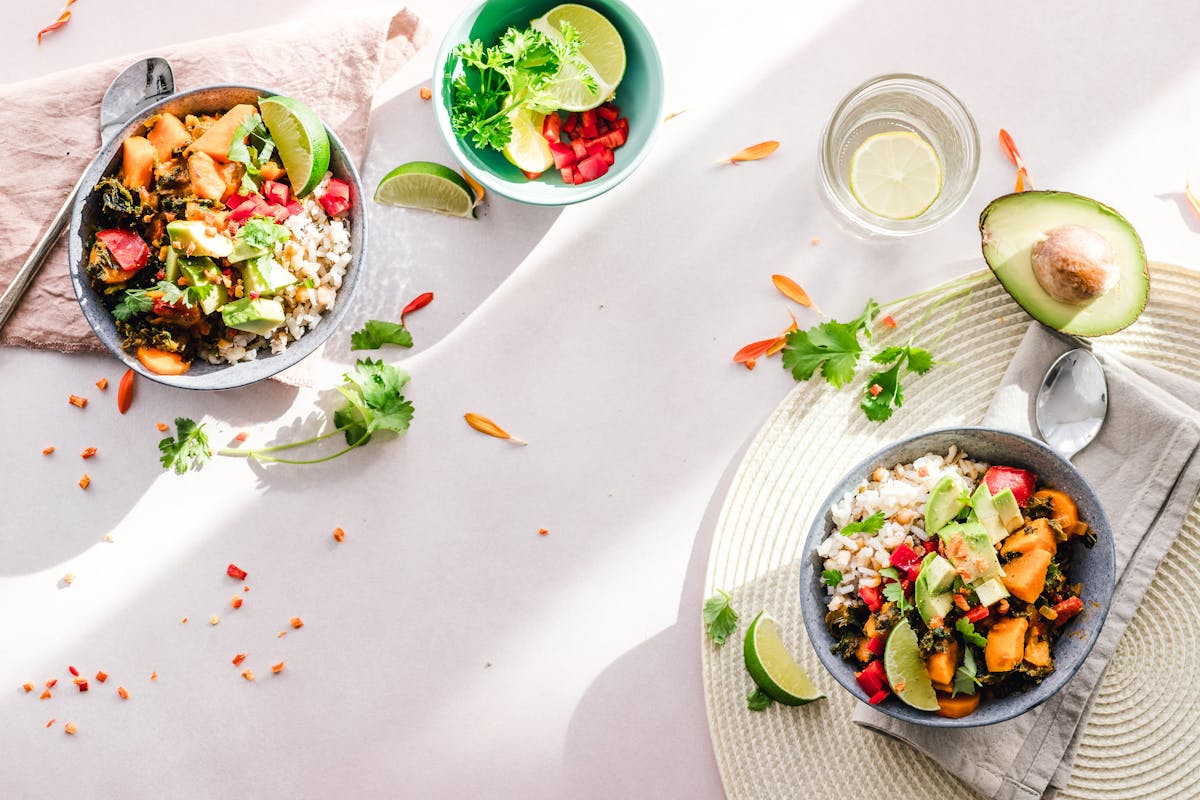
“The goal isn’t to eat as little as possible—it’s to make the food you do eat deeply nourishing.”
The “Ozempic Body” Conversation & Muscle Loss Concerns
As celebrities and influencers undergo rapid transformations, the phrase “Ozempic body” has taken off—usually describing fast, dramatic weight loss that sometimes includes visible muscle loss and a gaunter look. Health professionals are increasingly vocal about what’s happening under the surface.
- Weight loss isn’t just fat. Without enough protein and strength training, you can lose significant muscle.
- Less muscle = lower metabolic rate. That can make long‑term maintenance harder once medication is reduced or stopped.
- Rapid loss can mean weakness and fatigue. People sometimes report feeling “frail” despite weighing less.
Many dietitians now recommend aiming for roughly 1.6–2.2 g of protein per kilogram of body weight (with medical guidance) alongside resistance training to support lean mass. When we talk about a “GLP‑1 diet,” the most protective “secret ingredient” isn’t a magic shake—it’s consistent, enjoyable protein and movement.
High‑Protein GLP‑1 Friendly Recipe: Cozy Lemon Herb Chicken & Quinoa Bowl
To bring all of this to your plate, here’s a gentle, protein‑rich bowl designed with GLP‑1 eaters in mind. It’s warm, soothing, and easy on the stomach—tender lemon‑garlic chicken, fluffy quinoa, and soft roasted vegetables, all drizzled with a silky yogurt herb sauce. It’s also naturally gluten‑free and easy to adapt for dairy‑free or low‑FODMAP needs.
Recipe Snapshot
- Prep time: 20 minutes
- Cook time: 25–30 minutes
- Total time: 45–50 minutes
- Servings: 4 bowls
- Difficulty: Easy–moderate
- Diet: High‑protein, gluten‑free; easily dairy‑free

Ingredients
For the chicken & marinade
- 1.5 lb (about 680 g) boneless skinless chicken breasts or thighs, trimmed
- 2 tbsp extra‑virgin olive oil
- 2 tbsp fresh lemon juice (about 1 lemon)
- 1 tsp finely grated lemon zest
- 2 cloves garlic, minced (or 1/2 tsp garlic powder for gentler digestion)
- 1 tsp dried oregano
- 1/2 tsp dried thyme
- 3/4 tsp fine sea salt (or to taste)
- 1/4 tsp freshly ground black pepper
For the quinoa base
- 1 cup (185 g) dry quinoa, rinsed well
- 2 cups (480 ml) low‑sodium chicken or vegetable broth (or water)
- 1 tbsp lemon juice (optional, for brightness)
- Pinch of salt, to taste
For the vegetables
- 2 medium carrots, peeled and sliced into coins
- 1 small zucchini, sliced into half‑moons
- 1 small head broccoli, cut into small florets
- 1 tbsp olive oil
- 1/2 tsp dried Italian seasoning or mixed herbs
- 1/4 tsp salt, plus pepper to taste
For the yogurt herb sauce
- 3/4 cup (170 g) plain Greek yogurt (2% or 5% for creaminess)
- 1–2 tbsp water to thin, as needed
- 1 tbsp lemon juice
- 1 tbsp finely chopped fresh parsley or dill
- 1/4 tsp garlic powder (optional)
- Salt and pepper to taste
Equipment
- Cutting board and sharp knife
- Medium mixing bowl for marinade
- Measuring cups and spoons
- Medium saucepan with lid (for quinoa)
- Large baking sheet or roasting pan
- Large skillet or grill pan (optional, for chicken)
- Small bowl and whisk (for sauce)
Step‑by‑Step Instructions
Marinate the chicken (10–20 minutes).
In a medium bowl, whisk together olive oil, lemon juice, zest, garlic, oregano, thyme, salt, and pepper. Cut the chicken into strips or small chunks for quicker cooking and easier digestion. Add to the bowl, toss to coat, and let stand while you prep everything else.
Small pieces marinate and cook faster—ideal when large portions feel heavy. Cook the quinoa (15 minutes simmer, 5 minutes rest).
Rinse quinoa under cool water in a fine‑mesh sieve until the water runs clear—this removes bitterness. In a saucepan, combine quinoa and broth. Bring to a gentle boil, then reduce heat to low, cover, and simmer for 15 minutes. Turn off heat and let stand, covered, for 5 minutes. Fluff with a fork, stir in lemon juice and a pinch of salt if desired.
Prep and roast the vegetables (20–25 minutes).
Preheat your oven to 400°F (200°C). On a large baking sheet, toss carrots, zucchini, and broccoli with olive oil, Italian seasoning, salt, and pepper. Spread in a single layer. Roast for 20–25 minutes, stirring once halfway, until the vegetables are tender and lightly browned at the edges.
Roasted veggies bring sweetness and softness—two things your GLP‑1 tummy often loves. Cook the chicken (8–10 minutes).
You can cook the chicken on a skillet or roast it in the oven:
- Skillet method: Heat a drizzle of oil over medium heat. Add marinated chicken pieces in a single layer. Cook 4–5 minutes per side, until golden and cooked through (internal temperature 165°F / 74°C).
- Oven method: Arrange chicken pieces on a lined baking sheet and bake at 400°F (200°C) for 12–15 minutes, flipping once, until cooked through.
Let the chicken rest for 3–5 minutes, then slice or dice into bite‑sized pieces for easier chewing and digestion.
Tender, juicy chicken is key when high‑fat meats feel too heavy. Make the yogurt herb sauce (5 minutes).
In a small bowl, whisk together Greek yogurt, lemon juice, herbs, and garlic powder (if using). Add 1–2 tablespoons of water, a little at a time, until it’s spoonable but not runny. Season with salt and pepper to taste. The sauce should be cool, creamy, and lightly tangy.
Assemble your GLP‑1 friendly bowls.
In each bowl, scoop a modest portion of quinoa (about 1/2–3/4 cup), a handful of roasted vegetables, and 3–4 oz (85–115 g) of chicken. Drizzle with yogurt herb sauce. Garnish with extra herbs or a lemon wedge if you like.
Start with smaller portions; you can always come back for a few extra bites if your body says yes. Adjust for your appetite.
If you’re on a GLP‑1 and feel full quickly, serve this in a smaller bowl and eat slowly, pausing between bites to check in with your fullness. Leftovers make easy, protein‑rich mini‑meals.
Substitutions & Dietary Adaptations
One of the joys of bowls like this is how flexible they are. You can adapt the recipe to meet your needs, preferences, and what your stomach is willing to handle on any given day.
- Dairy‑free: Swap Greek yogurt for a thick, unsweetened coconut or soy yogurt. Add a splash of olive oil and extra herbs for richness.
- Vegetarian or vegan: Replace chicken with baked tofu, tempeh, or a can of rinsed chickpeas roasted with the vegetables. Use plant‑based yogurt for the sauce.
- Low‑FODMAP: Use garlic‑infused oil instead of minced garlic, limit broccoli to a smaller portion, and choose lactose‑free Greek yogurt.
- Grain‑free: Use cauliflower rice, mashed potatoes, or mashed white beans instead of quinoa for a softer, spoonable texture.
- Extra fiber boost (for “natural GLP‑1” support): Add a spoonful of chia seeds or ground flaxseeds over the bowl, or serve with a side of mixed beans if tolerated.
Storage, Meal Prep & Reheating
This recipe is a meal‑prep dream, especially handy if your GLP‑1 medication makes cooking from scratch tiring on some days.
- Refrigeration: Store chicken, quinoa, roasted vegetables, and sauce separately in airtight containers in the fridge for up to 3–4 days.
- Freezing: Cooked chicken and quinoa freeze well for up to 2–3 months. Vegetables are best fresh but can be frozen if needed. The yogurt sauce is best made fresh.
- Reheating: Gently reheat quinoa, chicken, and vegetables together in the microwave or on the stovetop with a splash of water or broth. Heat just until warm to keep the chicken tender.
- Grab‑and‑go portions: Assemble small bowls in divided containers, keeping the sauce in a separate little jar so it stays fresh and creamy.
Serving Ideas & Complementary Dishes
To round out a GLP‑1 friendly day of eating, think about small, satisfying meals spaced throughout the day, each with some protein, fiber, and healthy fat.
- Breakfast: Soft scrambled eggs with spinach, or a Greek yogurt bowl with berries and a sprinkle of oats or chia seeds.
- Snack: A mini portion of cottage cheese with sliced cucumber, or a small protein shake made with milk or a fortified plant drink.
- Lunch: A half‑portion of the lemon herb chicken & quinoa bowl, followed by a break to see if your body wants more.
- Evening: A mild vegetable soup with lentils or shredded chicken, plus a slice of whole‑grain toast if tolerated.

Eating Mindfully in the Age of the GLP‑1 Diet
The “GLP‑1 diet” isn’t a formal rulebook—it’s a cultural moment where medication, nutrition, and social media are colliding. Amid the noise, you absolutely can protect your joy in food while supporting your health.
- Use GLP‑1 medications (if prescribed) as one tool among many, not a personality or identity.
- Focus on what you can add to your plate—protein, colorful plants, comforting textures—rather than only what you “shouldn’t” eat.
- Honor your body’s quieter hunger cues; you may need to plan small meals before you feel classic hunger.
- Work with professionals (dietitians, doctors, trainers) who help you protect muscle, mood, and long‑term metabolic health.
Whether you’re on Ozempic, Wegovy, Mounjaro, or simply curious about the GLP‑1 trend, you deserve food that feels good, tastes good, and supports the life you want to live. Start with one bowl, one meal, one gentle adjustment at a time.
