
Super Mario Galaxy Movie Soars at the Box Office While Critics Throw Blue Shells
The Super Mario Galaxy Movie has opened to a record-breaking $34 million, proving that a barrage of “unfavourable” reviews isn’t enough to stop Mario from long-jumping straight to the top of the box office. In a moment that feels like a sequel to 2023’s Super Mario Bros. Movie phenomenon, critics and audiences are once again watching a very different film—at least if you go by the numbers.
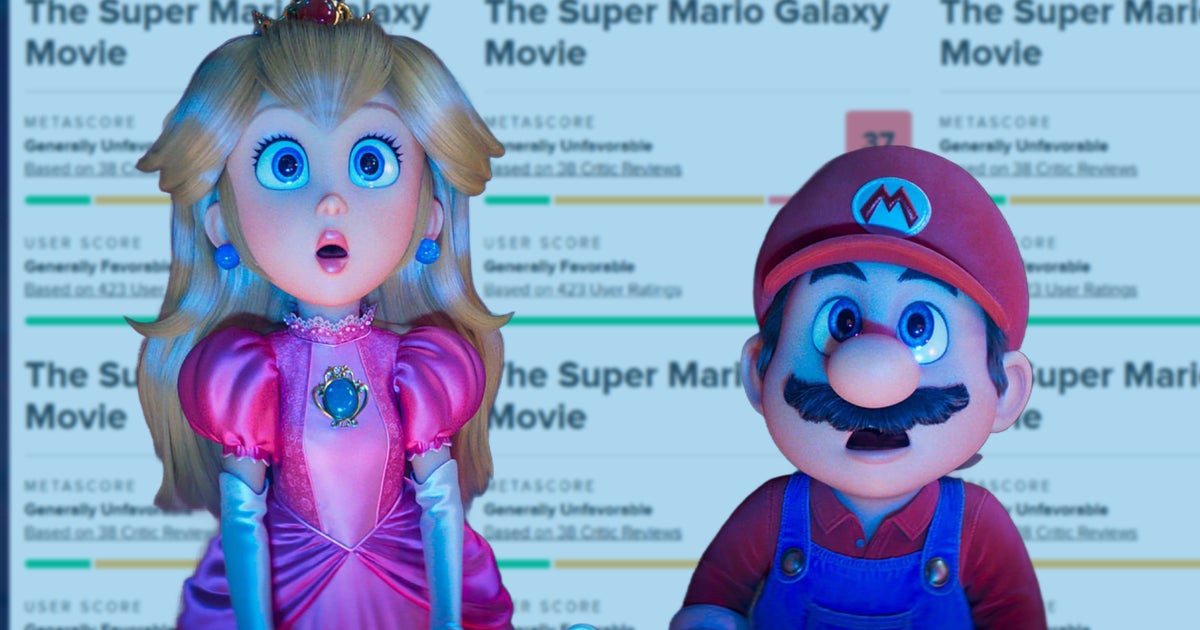
On one side, reviewers are calling the film shallow and over-sugared; on the other, families and lifelong Nintendo fans are packing out early screenings and posting glowing reactions. The result is a fascinating case study in the current era of video game movies, franchise IP, and the increasingly loud voice of the audience.
From Wii Classic to Cineplex: Why a Super Mario Galaxy Movie Matters
When Nintendo released Super Mario Galaxy on the Wii back in 2007, it was hailed as one of the boldest reinventions of a platformer: gravity-defying planets, orchestral music, and a surprisingly wistful tone. Adapting that into a feature film isn’t just a safe IP play; it’s a statement about how far video game cinema has come since the dark days of 1993’s infamous live-action Super Mario Bros.
The Galaxy era is a smart choice for a follow‑up to Illumination’s earlier Mario outing. It widens the canvas—literally—to a cosmic scale, gives animators an excuse to go wild with visual invention, and lets Nintendo extend the Mario Cinematic Universe without immediately retreading the Mushroom Kingdom.
“Mario has always been about joy and curiosity. With Galaxy, we wanted players to feel like they were stepping into a small, playable universe.”
— Shigeru Miyamoto, on the original game’s design
Culturally, this movie lands in a post‑Sonic the Hedgehog, post‑Last of Us moment where game adaptations are no longer a punchline. They’re prestige TV, billion‑dollar tentpoles, and merchandising machines. The Galaxy film was always going to be measured against that new standard, which makes the split between critics and fans even more interesting.

$34 Million and Counting: The Box Office Power-Up
A $34 million opening isn’t just “good for a video game movie”—it’s outright strong for any animated feature launching outside peak holiday season. It reinforces a pattern we’ve seen with other IP giants: if you tap nostalgia, keep the tone family‑friendly, and market aggressively, you can largely tank through bruised critical scores.
Based on comparable Illumination and Nintendo releases, that kind of opening suggests the film is front‑loaded but not catastrophically so. Repeat family trips, kid‑driven word of mouth, and global rollouts typically mean:
- Strong weekend multipliers if parents decide this is the “safe” choice for younger kids.
- Heavy merch and tie‑in game sales, especially among Switch owners.
- Increased pressure on Nintendo to continue building a connected Mario film universe.
In other words, the blue shell critics lobbed at Mario may dent his Rotten Tomatoes score, but it’s not knocking him off the track financially—at least not yet.

Why Critics Are Lukewarm: Style, Substance, and Star Bits
So what exactly are the “unfavourable” reviews complaining about? While individual takes vary, a few recurring themes emerge across early criticism:
- Thin storytelling: The plot reportedly leans heavily on fetch quests and set‑piece tours of iconic Galaxy planets, rather than building a compelling emotional through‑line.
- Easter egg overload: The film appears designed as a reference machine, with nods to star bits, Lumas, and classic power‑ups sometimes overshadowing character development.
- Emotional downgrade: Where the games smuggled in melancholy—especially through Rosalina’s backstory—some critics feel the movie sands off those edges for broader, safer laughs.
- Corporate caution: Nintendo’s tight control over its mascots may limit genuine risk‑taking or satire, leading to what some see as over‑polished, under‑surprising storytelling.
“The Super Mario Galaxy Movie is a sugar rush of familiar planets and power‑ups, but it rarely slows down long enough to tell a story worth caring about.”
— A typical early critic reaction
None of this makes the movie a disaster; it just frames it as a crowd‑pleasing theme park ride rather than a Pixar‑level emotional gut punch. For some reviewers, that’s a dealbreaker. For parents needing 100 minutes of kid‑friendly spectacle on a Saturday afternoon, it’s a feature, not a bug.
Fans Are Having a Blast: The Audience Perspective
In sharp contrast, early audience reactions skew much more positive. Social feeds are full of people praising the visuals, the faithful recreation of Galaxy’s cosmic weirdness, and the sheer density of little nods to the Wii classic and broader Mario lore.
For many viewers—especially younger fans and nostalgic adults—the checklist looks different from a critic’s:
- Does it feel like Mario? The physics, the colour palette, the music cues, and the goofy menace of Bowser matter more than tight three‑act structure.
- Is it fun for kids? Pace, slapstick, and visual invention are judged on giggles and attention spans, not on screenwriting seminars.
- Is the fan service satisfying? Spotting Lumas, planets, and soundtrack references can be half the appeal for people who grew up on the games.
“It’s like watching my childhood explode across the screen in HD. My kids loved it, I loved it, and that’s enough for me.”
— Early audience reaction shared on social media
This divide isn’t new—just ask the Venom or Transformers franchises—but Galaxy’s performance reinforces how reliable the family‑friendly, nostalgia‑driven crowd can be, even in the face of chilly press screenings.

Visuals, Music, and Voice Cast: The Craft Behind the Chaos
Even the harsher reviews tend to concede one thing: Galaxy looks and sounds expensive in all the right ways. The original games were already some of the most visually ambitious entries in the Mario series, and the movie runs with that—rendering swirling galaxies, tiny planetoids, and zero‑gravity hijinks with a glossy, Illumination‑style sheen.
Musically, the film reportedly leans on rearranged themes from Super Mario Galaxy and Super Mario Galaxy 2, whose orchestral scores are widely loved. That gives the movie a built‑in emotional charge; a few notes of Gusty Garden Galaxy is often all it takes to send fans into orbit.
- Animation: Kinetic, bright, and constantly in motion—sometimes to a fault.
- World design: Faithful to the games, with plenty of recognisable planets and enemies.
- Score: Remixed classics plus some new cues, all leaning into orchestral bombast.
- Voice work: Designed more for broad appeal than perfect one‑to‑one game mimicry.

If anything, the craft elements highlight the main tension at the heart of the project: this is a lavishly produced theme park ride. For some, that’s more than enough. For others, it’s a missed opportunity to marry Galaxy’s visual ambition with a more daring narrative.
The Mario Divide: What This Says About Modern Movie Culture
The Galaxy movie’s record opening despite negative reviews isn’t happening in a vacuum. It reflects a bigger cultural shift in how audiences relate to critics and to brands:
- Franchise trust: Many viewers trust Nintendo and Illumination more than a handful of review scores.
- Algorithmic taste‑making: TikTok edits, YouTube reactions, and fan accounts can outweigh a traditional review in terms of reach.
- Different metrics of value: Parents and kids measure success in smiles and rewatchability, not in screenplay structure.
None of this makes professional criticism obsolete, but it does reposition it. Critics are increasingly part of a broader conversation rather than the final word—a conversation where fan communities have loud, organised voices and IP owners can speak directly to audiences through Nintendo Directs and branded events.

Final Verdict: A Crowd-Pleaser with a Gravity Problem
Taken on its own terms, The Super Mario Galaxy Movie is exactly what its $34 million opening suggests: a high‑energy, visually lush, aggressively crowd‑pleasing adaptation that prioritises fan service and family‑friendly chaos over narrative ambition. It’s not likely to convert Mario sceptics or silence critics who wanted something bolder, but for many fans, it hits the nostalgic sweet spot.
Looking ahead, the film’s success will almost certainly keep the warp pipe open for more Nintendo adaptations—Zelda, Donkey Kong, even deeper Mario cuts. The bigger question is whether future entries will aim higher creatively, or simply double down on safe, galaxy‑sized spectacle.
In the ongoing tug‑of‑war between critics and audiences, Mario has once again jumped over the gap. Whether he sticks the landing in the long run will depend less on opening‑week numbers and more on whether Nintendo is willing to let its most famous plumber take some real narrative risks.
Score: 7/10 — A dazzling, safe, and relentlessly entertaining warp ride through Mario’s cosmos.
