
Sip, Savor, and Live Longer: A Mediterranean-Inspired Longevity Diet Bowl You’ll Want Every Day
Mediterranean Longevity Bowl (Blue Zones–Inspired Nourish Bowl)
The idea of a “longevity diet” has exploded in popularity, powered by Blue Zones stories, streaming documentaries, and “What I eat in a day for longevity” vlogs. When you strip away the hype, what’s left is beautifully simple: mostly plants, generous extra-virgin olive oil, plenty of beans and whole grains, and small amounts of fish and fermented dairy—all wrapped in a joyful, unhurried way of eating.
This Mediterranean Longevity Bowl captures those principles in a single, colorful dish: lemony lentils, herbed quinoa, garlicky greens, crunchy nuts and seeds, tangy yogurt, and a drizzle of deep green olive oil. It’s inspired by meals found in Mediterranean and Blue Zones regions, but tailored for a modern kitchen and busy weeknights. The flavors are bright and sunny; the textures range from creamy to crunchy; and every bite feels like it’s doing something kind for your future self.
20 minutes
25–30 minutes
45–50 minutes
4 bowls
Easy–Medium
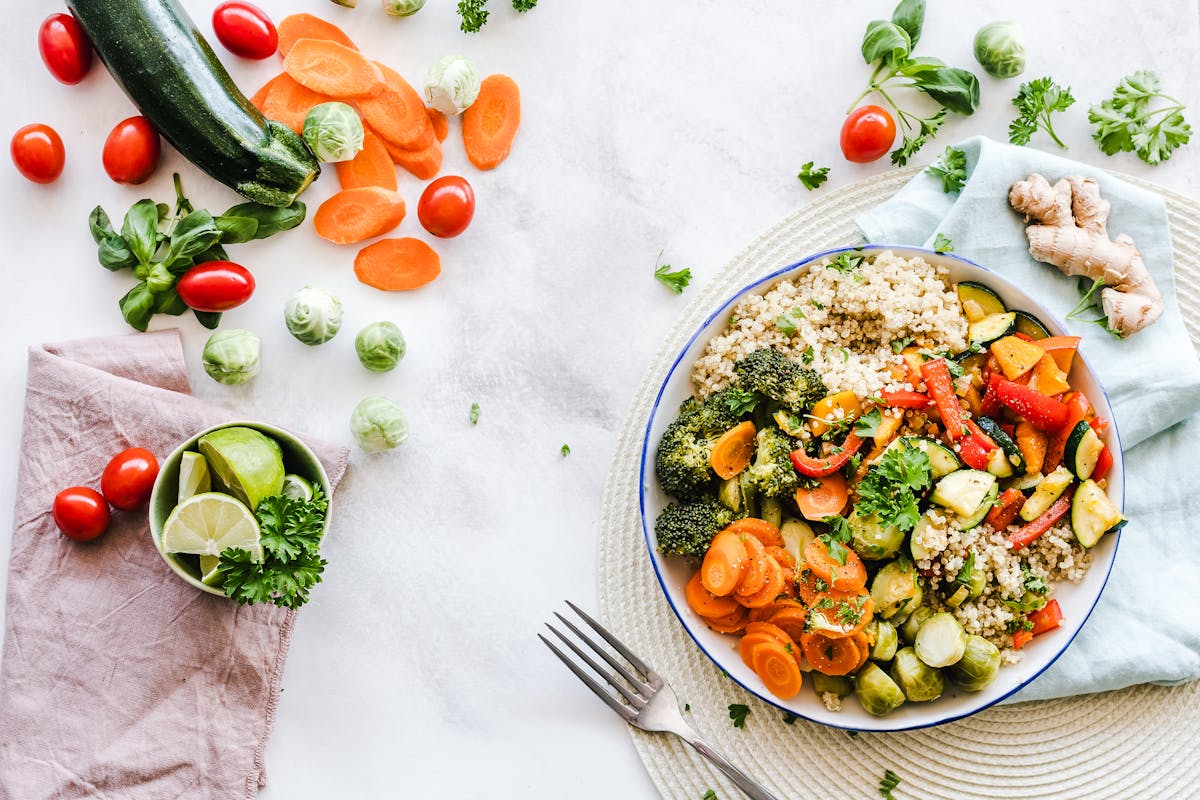
Ingredients for a Mediterranean Longevity Bowl
This bowl is designed around the core longevity diet principles: plant-forward, rich in fiber and polyphenols, and anchored in familiar Mediterranean flavors.
Base: Lentils and Herbed Quinoa
- 1 cup dry brown or green lentils, rinsed
- 3 cups low-sodium vegetable broth or water
- 1 bay leaf (optional, for aroma)
- 1 small garlic clove, lightly crushed
- 1/2 teaspoon sea salt, plus more to taste
- 3/4 cup dry quinoa, rinsed (white, tricolor, or red)
- 1 1/2 cups water or vegetable broth
- 1 tablespoon extra-virgin olive oil (to finish the quinoa)
- Zest of 1 lemon
- 2 tablespoons fresh parsley, finely chopped
- 2 tablespoons fresh mint or basil, finely chopped
- 1/4 teaspoon freshly ground black pepper
Garlicky Greens
- 2 tablespoons extra-virgin olive oil
- 2 cloves garlic, minced
- 4 cups chopped leafy greens (spinach, chard, kale, or a mix)
- 1 tablespoon fresh lemon juice
- Pinch of red pepper flakes (optional)
- Sea salt, to taste
Fresh Toppings (Blue Zones–Style Color)
- 1 cup cherry tomatoes, halved
- 1 medium cucumber, diced
- 1 red bell pepper, thinly sliced
- 1/4 small red onion, very thinly sliced (optional)
- 1/4 cup Kalamata olives, pitted and halved
Herbed Yogurt (or Plant-Based Sauce)
- 1/2 cup plain Greek yogurt (or unsweetened thick plant-based yogurt for vegan)
- 1 tablespoon extra-virgin olive oil
- 1 teaspoon lemon juice
- 1/2 teaspoon dried oregano or za’atar
- Sea salt and black pepper, to taste
Crunchy Longevity Toppers
- 1/3 cup toasted nuts (almonds, walnuts, or pistachios), roughly chopped
- 2 tablespoons mixed seeds (pumpkin, sunflower, or sesame)
- Fresh herbs for garnish (parsley, basil, or mint)
Equipment You’ll Need
- 1 medium saucepan with lid (for lentils)
- 1 small to medium saucepan with lid (for quinoa)
- 1 large skillet (for greens)
- 1 small skillet (for toasting nuts and seeds)
- Cutting board and sharp knife
- Measuring cups and spoons
- Small mixing bowl (for yogurt sauce)
- Serving bowls for assembly
How to Make a Mediterranean Longevity Bowl
Think of this as a template you can come back to week after week. Once you’ve made it once, you’ll be able to freestyle based on what’s in your fridge or what’s in season.
- Cook the lentils for a hearty, Blue Zones–style base.
Add the rinsed lentils, vegetable broth (or water), bay leaf, crushed garlic, and 1/4 teaspoon salt to a medium saucepan. Bring to a gentle boil over medium-high heat, then reduce the heat to maintain a soft simmer.
Cook for 20–25 minutes, stirring once or twice, until the lentils are tender but not mushy. Taste a few toward the end; you want a pleasant bite, not chalkiness.
Drain off any excess liquid, remove the bay leaf and garlic, and season with another pinch of salt and pepper. For extra silkiness, stir in a teaspoon of olive oil. - Simmer and dress the quinoa.
In a separate saucepan, combine the rinsed quinoa and water or broth. Bring to a boil, then cover and reduce heat to low. Cook for 15 minutes without lifting the lid.
Turn off the heat and let the quinoa sit, covered, for another 5 minutes. Fluff with a fork. While it’s still warm, stir in 1 tablespoon olive oil, lemon zest, parsley, mint (or basil), 1/4 teaspoon salt, and black pepper. The grains should be tender, slightly nutty, and delicately perfumed with herbs and citrus. - Sauté the garlicky greens.
Warm 2 tablespoons olive oil in a large skillet over medium heat. Add the minced garlic and cook for 30–45 seconds, just until fragrant—watch carefully so it doesn’t brown and turn bitter.
Add the chopped greens and a pinch of salt. Toss with tongs until the greens are wilted yet bright green, about 2–4 minutes depending on the type of greens. Turn off the heat and finish with lemon juice and red pepper flakes (if you like a gentle kick). - Prep the fresh, crunchy toppings.
While your grains and greens cook, chop the cherry tomatoes, cucumber, red bell pepper, and onion. Halve the olives.
You can keep everything in small bowls or arrange them on a platter—it makes assembly feel like building your own mini salad bar and encourages mindful, colorful eating. - Stir together the herbed yogurt (or vegan sauce).
In a small bowl, mix the yogurt, 1 tablespoon olive oil, lemon juice, dried oregano or za’atar, and a pinch of salt and pepper. Taste and adjust—add more lemon for brightness, more herbs for earthiness, or a splash of water if it’s too thick to dollop.
For a vegan option, use a thick plant-based yogurt or blend tahini with lemon juice, garlic, and a bit of water until creamy. - Toast the nuts and seeds for crunch.
In a dry skillet over medium-low heat, add the chopped nuts and seeds. Toast, stirring often, for 2–3 minutes until golden and fragrant. Transfer to a plate immediately to stop the cooking.
That warm, toasty aroma is your signal that you’re adding one more layer of texture—and healthy fats—to your bowl. - Assemble your longevity bowls.
Divide the herbed quinoa among 4 bowls. Add generous scoops of lentils and garlicky greens to each.
Arrange the fresh vegetables and olives on top in colorful sections. Add a spoonful of herbed yogurt to the center of each bowl, then shower everything with toasted nuts and seeds. Finish with a final drizzle of extra-virgin olive oil and a scattering of fresh herbs.
Take a moment to enjoy the colors and aromas before you dig in—this kind of mindful pause is very much in the spirit of Blue Zones meals.
How to Serve & Eat in a Longevity-Friendly Way
In many Blue Zones, it’s not just what people eat, but how they eat: slowly, socially, and with gratitude. This bowl is wonderfully flexible:
- Warm cozy dinner: Serve the lentils, quinoa, and greens warm, topped with room-temperature veggies and yogurt.
- Chilled make-ahead lunch: Let everything cool, then pack in containers. Add the yogurt and nuts right before eating.
- Family-style spread: Set out all components in separate bowls and let everyone build their own—great for different tastes and dietary needs.
For a more complete Mediterranean-inspired meal, pair your longevity bowl with:
- A simple olive oil and lemon–dressed green salad
- A slice of whole-grain sourdough for extra fiber
- A small glass of red wine with dinner if that fits your health needs and cultural habits (many longevity researchers stress moderation and individual health context)
Longevity Diet Variations & Dietary Adaptations
One of the strengths of the Mediterranean and longevity style of eating is its flexibility. Use this bowl as a base pattern and adapt freely.
Make It Vegan or Dairy-Free
- Swap Greek yogurt for a thick unsweetened plant-based yogurt (soy or coconut work well) flavored with herbs and lemon.
- Or use a tahini sauce: whisk tahini, lemon juice, minced garlic, salt, and enough water to make it pourable.
Make It Gluten-Free
The recipe is naturally gluten-free as written, assuming your broth and yogurt are certified gluten-free. Just skip any bread served on the side or use a gluten-free alternative.
Add Fish or Extra Protein (Mediterranean-Style)
- Top each bowl with a small portion of grilled salmon, sardines, or mackerel for classic Mediterranean omega-3s.
- Or add a sliced soft-boiled egg and a bit of feta for extra protein and flavor.
Seasonal Swaps
- Spring: Asparagus tips, radishes, peas, and tender herbs like dill.
- Summer: Extra tomatoes, grilled zucchini or eggplant, fresh basil.
- Autumn: Roasted pumpkin or squash cubes, shredded cabbage, pomegranate seeds.
- Winter: Roasted carrots and beets, sautéed kale, citrus segments.
Storage, Meal Prep & Reheating
This recipe is tailor-made for healthy meal prep, echoing the “big batch of beans and grains” approach you see in many longevity-focused kitchens.
- Refrigeration: Store cooked lentils, quinoa, and greens in separate airtight containers for up to 4 days. Store chopped veggies for 2–3 days for best texture. Keep yogurt sauce and toasted nuts/seeds in their own containers.
- Freezing: Lentils and quinoa freeze well; portion into containers and freeze for up to 2 months. Thaw overnight in the fridge before reheating. Fresh veggies and yogurt sauce are best made fresh.
- Reheating: Warm lentils and quinoa on the stovetop over low heat with a splash of water or broth, or microwave in short bursts, stirring in between. Greens can be reheated gently in a pan. Assemble with fresh toppings after reheating.
- Grab-and-go lunches: Layer quinoa and lentils on the bottom of a container, add greens and sturdy vegetables (like cucumber and bell pepper), then keep yogurt and nuts in a separate small container to add just before eating.
Bringing the Longevity Diet Into Your Everyday Cooking
You don’t have to live on a remote island to eat like the world’s healthiest communities. By filling your plate with beans, whole grains, vegetables, olive oil, nuts, and fermented foods, you’re already aligning with the best-supported aspects of the Mediterranean and Blue Zones–inspired longevity diet.
Start with this Mediterranean Longevity Bowl once this week. Notice how you feel—comfortably full, energized, and satisfied without heaviness. Then play with the template: swap the grains, change the beans, rotate the veggies. Let your kitchen become a small, delicious experiment in healthy aging.
