
Silent Emergency: Inside Bangladesh’s Suspected Measles Outbreak and How Communities Can Respond
Suspected Measles Outbreak in Bangladesh: What Parents and Communities Need to Know
In just a few weeks, Bangladesh has reported at least 98 suspected measles-related deaths among young children, with health ministry data showing more than 6,400 cases of suspected measles symptoms in children aged six months to five years. For parents and caregivers, the numbers feel frightening and deeply personal: a fever that is “just a cold” one day can turn into an emergency the next. While investigators are still confirming the exact cause of each death, the pattern strongly suggests a serious measles outbreak—one that is shining a harsh light on gaps in vaccination coverage, crowding, and access to timely care.
This article breaks down what is currently known about the situation, how measles typically spreads and kills, why outbreaks still occur despite safe vaccines, and what practical steps families, communities, and health systems can take right now. The goal is not to create fear, but to offer clear, evidence-based guidance at a moment when reliable information can literally save lives.

What Is Happening in Bangladesh Right Now?
According to recent health ministry data reported by multiple news outlets, Bangladesh has seen:
- At least 98 suspected measles-related deaths among children in about three weeks.
- More than 6,476 children aged six months to five years presenting with suspected measles symptoms.
- Clusters of cases in areas with lower vaccination coverage and dense living conditions, including parts of Dhaka and vulnerable communities in other regions.
“Suspected” is an important word here. Laboratory confirmation can lag behind the reality on the ground, especially when health systems are stretched. However, when thousands of children develop high fever, cough, and a spreading rash in a short time—and many are un- or under-vaccinated—measles becomes one of the most likely explanations.
“When you see this combination of rapid spread, young age, and low vaccine coverage, you must assume measles and respond fast—even before every case is lab-confirmed.”
— Infectious disease specialist, regional WHO consultant
In response, authorities in Dhaka and other areas have been expanding vaccination drives, sending teams into affected neighborhoods and urging parents to bring in children who have missed their measles doses. This rapid response can blunt the outbreak, but the coming weeks will be critical.
Measles 101: Why This Virus Is So Dangerous for Children
Measles is often mistaken for “just a childhood sickness,” but scientifically it is one of the most contagious viruses we know. Before widespread vaccination, it killed over 2 million people a year globally, mostly children (WHO, last updated 2023).
How measles spreads
- Through tiny droplets and aerosols when an infected person coughs or sneezes.
- Virus can linger in the air or on surfaces for up to two hours in a room.
- One person with measles can infect 12–18 other people in an unvaccinated population.
Typical symptoms
- High fever, often > 38.5–39.5°C (101–103°F).
- Cough, runny nose, red eyes.
- Small white spots (Koplik spots) inside the mouth.
- Red, blotchy rash starting on the face and spreading down the body.
Complications can include:
- Pneumonia (a leading cause of measles-related death).
- Severe diarrhea and dehydration.
- Encephalitis (brain inflammation), which can cause seizures or disability.
- “Immune amnesia” – measles can weaken the immune system for months, making kids more vulnerable to other infections.
Measles Vaccination in Bangladesh: Progress, Gaps, and the Current Push
Bangladesh has made major progress over the last decades, achieving relatively high measles vaccination coverage nationally. However, as WHO and UNICEF have repeatedly warned, national averages can hide local gaps—and those gaps are where outbreaks ignite.
The standard schedule in many countries, including Bangladesh, is:
- First measles-containing vaccine dose (often MMR or MR) at about 9–12 months.
- Second dose between 15–18 months or during routine campaigns.
To really stop measles from spreading, communities need about 95% of children fully vaccinated. If coverage drops below that, the virus finds clusters of unprotected children.

Why gaps in vaccination happen
- Service disruptions during pandemics, floods, or political instability.
- Misinformation or fear about vaccine safety.
- Hard-to-reach communities (remote, displaced, or informal settlements).
- Poverty and time pressure, which can make clinic visits difficult.
“Measles is the first disease to flare up when routine immunization weakens, especially in crowded urban settlements and marginalized communities.”
— Public health epidemiologist, South Asia region
Reports from Dhaka indicate that health teams are now conducting intensive catch-up campaigns in affected areas—going door-to-door, setting up temporary clinics, and encouraging families to bring in any child who has missed a dose.
For Parents and Caregivers: How to Protect Your Child During an Outbreak
When headlines talk about dozens of children dying, it hits every parent in the heart. You may be wondering: Is my child safe? What can I do right now? While no action can reduce risk to zero, there are clear, practical steps that meaningfully lower the chance of severe illness.
1. Check your child’s vaccination status
- Find your child’s vaccination card (if available).
- Look for measles, MR, or MMR doses:
- Has your child received at least one dose after 9 months of age?
- Has your child received the second dose?
- If you are unsure, contact your local clinic or health worker. In an outbreak, they may recommend vaccinating even if records are incomplete.
2. Know early warning signs that need urgent care
Take your child to a clinic or hospital immediately if you notice:
- Difficulty breathing, fast breathing, or chest pulling in when breathing.
- Extreme drowsiness, confusion, or seizures.
- Inability to drink or breastfeed, or repeated vomiting.
- Very high fever that is not improving with home care.
3. Support recovery at home when advised by a doctor
- Offer plenty of fluids (breastmilk, clean water, oral rehydration solution).
- Use paracetamol (acetaminophen) as directed for fever and discomfort (avoid aspirin in children).
- Keep the room well ventilated but not cold; minimize bright light if eyes are very sensitive.
- Ensure good nutrition, including vitamin A if prescribed by a health worker.
Community and Health System Actions That Save Lives
Outbreaks are not only about individual choices; they are also about how neighborhoods, clinics, and governments respond together. Evidence from past measles outbreaks shows that certain strategies consistently reduce deaths.
Key public health steps during a measles outbreak
- Rapid vaccination campaigns in and around affected areas, focusing on children 6 months to 15 years, depending on local guidance.
- Vitamin A supplementation for children with measles, which has been shown to reduce mortality and complications.
- Clear communication through trusted community leaders, religious figures, and local media to counter rumors.
- Strengthening clinics and hospitals with oxygen, antibiotics for pneumonia, and trained staff.
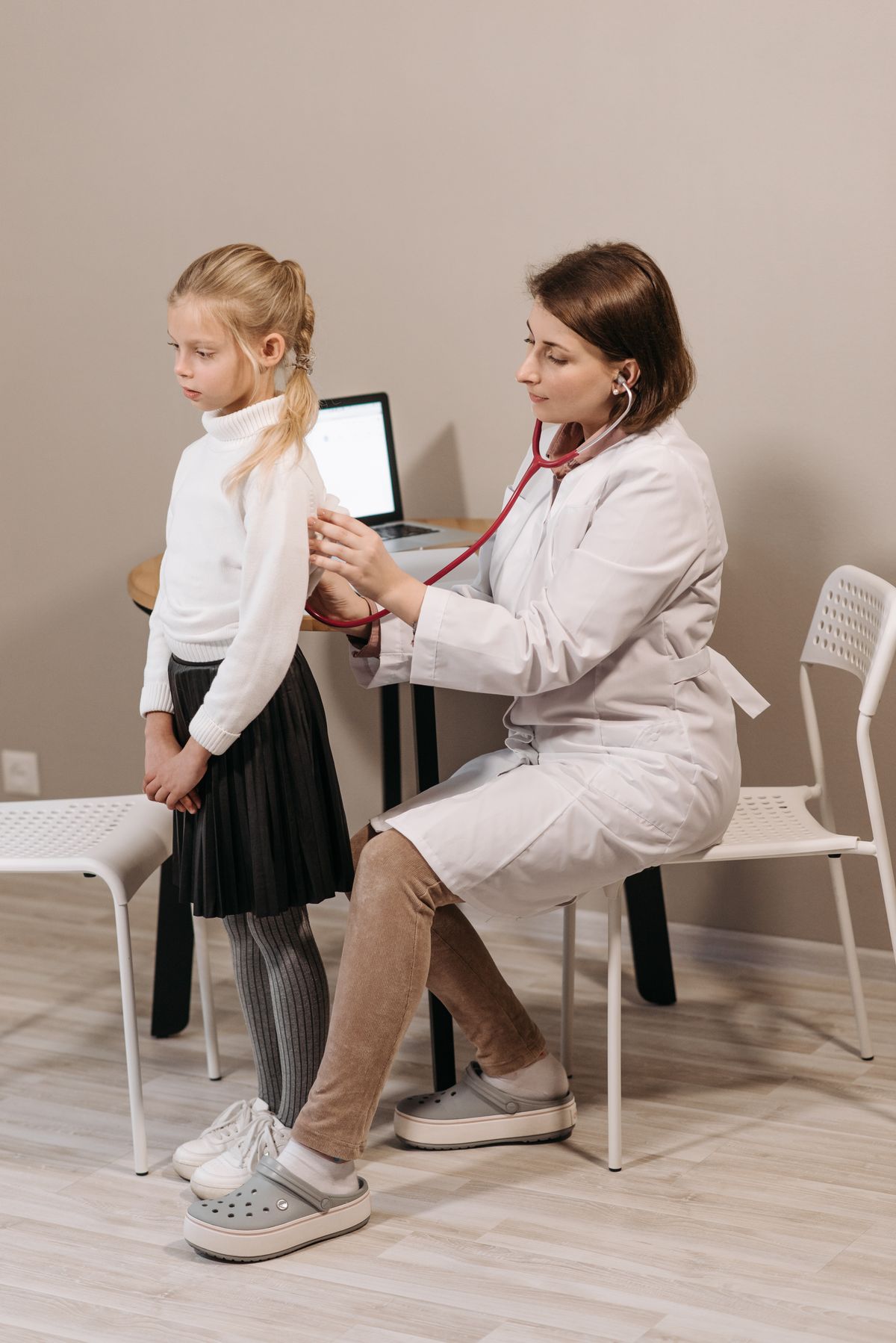
How communities can support response efforts
- Share accurate information from health authorities, WHO, and UNICEF; avoid forwarding unverified rumors.
- Help neighbors get to vaccination sites, especially families with many children or limited resources.
- Encourage early care-seeking for very sick children.
- Support health workers by treating them with respect and patience during busy campaigns.
Common Barriers: Fear, Misinformation, and Practical Challenges
Many parents who miss vaccination appointments are not careless; they are overwhelmed, uncertain, or facing real obstacles. Research across South Asia points to a few recurring themes.
1. Worries about side effects
Mild fever and fussiness after vaccination are common and expected. Severe reactions to measles vaccines are extremely rare, while measles infection itself is far more likely to cause serious harm.
2. Time, distance, and cost
Traveling to a clinic can mean losing a day’s wages or arranging childcare for other kids. That is why mobile vaccination teams and weekend clinics are so important during outbreaks.
3. Trust and communication
People are more likely to vaccinate when information comes from someone they already trust: a local doctor, health worker, imam, teacher, or community elder.
What the Numbers Don’t Show: Human Stories Behind the Statistics
The figure “98 suspected deaths” is stark, but behind each number is a family whose life has changed forever. In previous outbreaks in the region, health workers have described parents arriving at clinics carrying children who are barely responsive, often after days of trying to manage at home—sometimes because the nearest facility is far, sometimes because they feared the cost, sometimes because they did not realize how serious measles can become.
One Bangladeshi nurse, reflecting on an earlier measles surge, shared how a mother told her, “We thought it was a simple fever, like before. We did not know it could take him so quickly.” Stories like this are a powerful reminder: timely information and early action can change outcomes, even where resources are limited.

Before and After Vaccines: A Simple Comparison
To understand why health experts are so urgent about measles vaccines, it helps to look at how the world changed once vaccination became widespread.

- Before widespread vaccination: Measles routinely caused large outbreaks every few years, killing hundreds of thousands of children annually.
- After vaccination scale-up (2000–2018): WHO estimates that about 23 million lives were saved globally through measles vaccination.
When coverage drops, outbreaks return—exactly what is suspected in the current Bangladesh situation. The science here is robust: vaccines are not perfect, but they dramatically reduce the chances of severe disease and death.
Evidence and Reliable Sources for Further Reading
For those who want to go deeper or verify information, the following are widely respected, up-to-date sources:
- World Health Organization – Measles Fact Sheet
- UNICEF – Immunization Data and Analysis
- U.S. CDC – Measles Overview (for general background and FAQ)
- Bangladesh Ministry of Health and Family Welfare – local guidance and announcements via official channels and press releases.
Moving Forward: Turning Fear Into Informed Action
The suspected measles outbreak in Bangladesh is a painful reminder that infectious diseases exploit every weakness—overcrowded housing, interrupted services, misinformation, and simple exhaustion among families and health workers. At the same time, measles is not an unsolvable mystery. We know how it spreads, how it kills, and most importantly, how to prevent most deaths.
If you are a parent or caregiver, your next step might be as straightforward as checking your child’s vaccination card or asking a trusted health worker questions you have been afraid to voice. If you are a community leader, you may be in a position to open doors—literally and figuratively—for vaccination teams and health educators. And if you work in health or policy, reinforcing routine immunization and outbreak response today can save lives not only in this crisis but in the next one.
Actionable next steps:
- Confirm the measles vaccination status of every child in your household.
- Share accurate, calm information with friends and neighbors.
- Support vulnerable families in reaching clinics or vaccination sites.
- Advocate for strong, equitable immunization programs in your community.
Outbreaks like this one are heartbreaking—but they can also be turning points. With science, solidarity, and practical action, communities in Bangladesh and beyond can move toward a future where no child dies from a preventable disease like measles.
