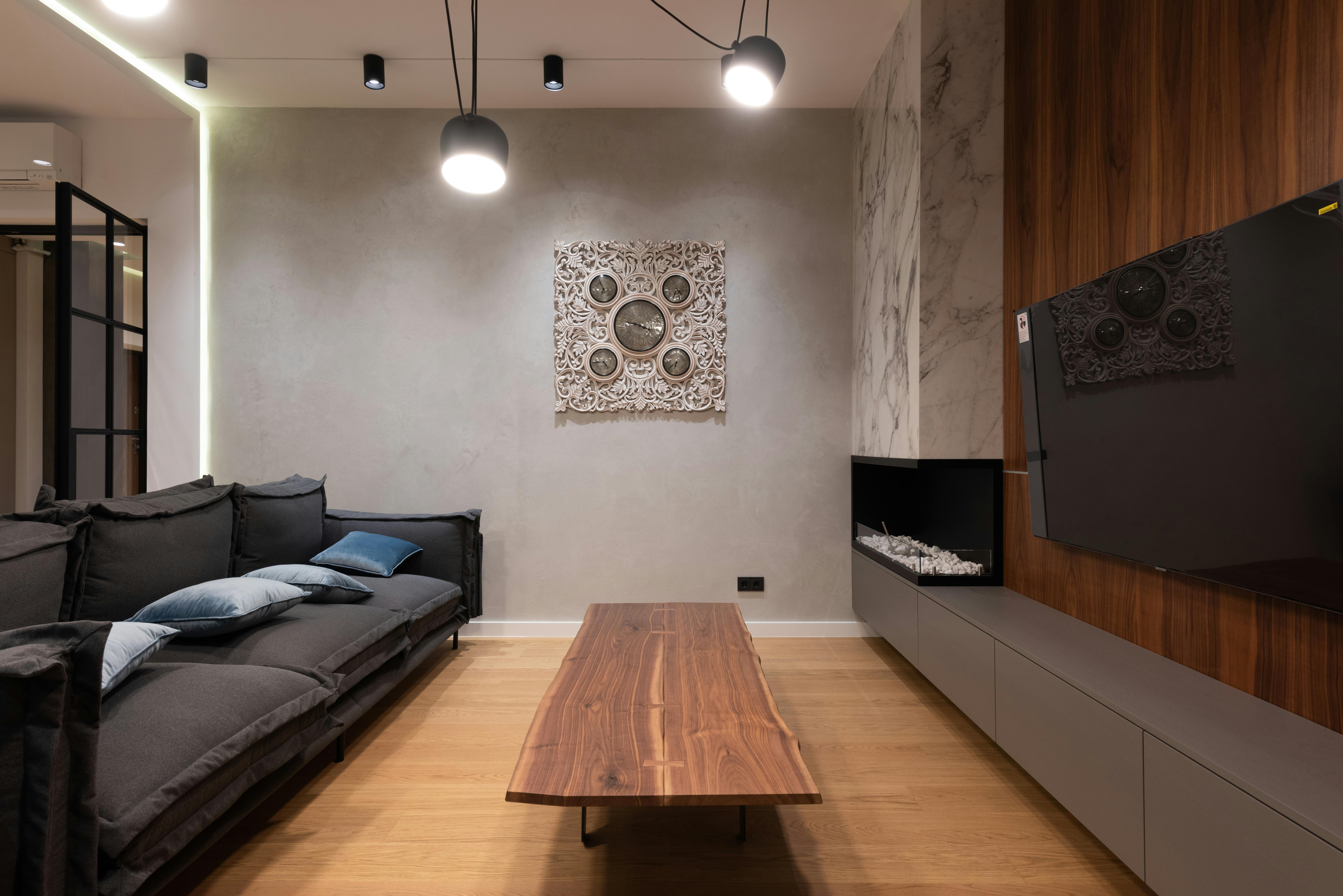
Shrink Your Sofa, Not Your Dreams: Smart Modular Furniture Ideas for Mighty Small Homes
When Your Home Has a Side Hustle: The Rise of Overachieving Furniture
Remote work and rising housing costs have turned our homes into full-time multitaskers: living room by day, office by… also day, and guest room whenever your cousin “just needs a place for one night.” The result? Our furniture now has to work harder than we do in back-to-back Zoom calls.
Enter smart, modular, and multifunctional furniture—the Avengers of small-space home improvement. Think sofas that store your chaos, beds that moonlight as closets, desks that vanish like your motivation after 5 p.m., and coffee tables with a secret double life as dining tables. If you’ve ever typed “modular sofa,” “storage bed,” or “tiny living room solutions” into a search bar, congratulations: you’re part of the trend.
Today we’re diving into clever, real-world ways to make a tiny home, studio apartment, or just-plain-awkward room work smarter. Expect:
- Modular sofas that rearrange themselves like Tetris pieces (with less stress)
- Storage beds and stealth closets for bedroom bliss
- Fold-away desks and secret work zones that respect your weekend
- DIY and semi-permanent upgrades renters can actually live with
- Styling tricks so your multifunctional home still looks calm, not chaotic
Grab your tape measure and a sense of humor—we’re about to make every square inch earn its rent.
Living Room, Office, Guest Room: Pick Three
The living room has become the Swiss Army knife of the home: seating, streaming, working, eating, hosting, existential-crisis-ing. The trick is to choose furniture that can keep up without looking like a storage unit exploded.
1. Modular Sofas: Relationship Status—“It’s Flexible”
Modular sectionals are trending hard, and for good reason. They’re basically adult LEGOs you can sit on. Look for:
- Separate pieces you can move around: chaise, corner units, armless chairs, ottomans
- Hidden storage in chaises or ottomans for blankets, tech clutter, or that random cable collection you’re “definitely going to organize”
- Neutral, durable fabrics in light gray, beige, or warm white so the room still feels airy
One sofa, three lives:
- Movie night: Pull the ottoman up to the sofa, instant lounger.
- Guest bed: Rearrange pieces into a wide, flat surface; add a mattress topper and real bedding.
- Workday layout: Push one segment aside as a temporary “desk” bench next to a lift-top coffee table.
Look for keywords like “modular sectional,” “reconfigurable sofa,” or “sofa with storage ottoman” when you’re shopping. Your future self (and future guests) will thank you.
2. Coffee Tables With a Secret Double Life
If your dining area is more theory than reality, a lift-top coffee table is your new best friend. These tops rise up to desk or dining height, making it possible to:
- Host dinner without balancing plates on your knees
- Work with ergonomic-ish posture from the sofa
- Hide office supplies in the storage compartment beneath
“Your coffee table can be a desk, a dining table, and a storage unit. That’s three job titles—give it a raise in the budget.”
3. Wall-Mounted Shelves That Grow With You
Wall-mounted, track-based shelving systems are the minimalist cousin of built-ins. You install vertical tracks on the wall, then hang shelves, cabinets, or even a shallow desk from them. Advantages:
- Adjustable: Move shelves up/down as your needs change.
- Rental-friendly: A few well-filled screw holes are typically patchable.
- Visually light: Open shelves feel less bulky than bookcases.
Style yours with a 70/30 rule: about 70% functional (books, boxes, tech) and 30% decorative (plants, art, ceramics), so it looks intentional, not like a panicked storage solution.
Bedroom Tetris: Storage Beds & Sneaky Closets
In small homes, the bedroom is often half sanctuary, half storage closet. The goal: make it look like the sanctuary part wins, even if the storage is doing the heavy lifting underneath.
4. Storage Beds: Your Mattress, But Make It a Filing System
Storage beds are everywhere in bedroom decor content right now—and for good reason. Options include:
- Drawer storage beds: Built-in drawers on one or both sides—ideal for clothes, linens, or off-season items.
- Lift-up platform beds: The whole mattress platform lifts to reveal a cavern of storage beneath.
- DIY platform beds: Using IKEA cabinets or simple plywood frames to create a custom base with cubbies.
Pro tip: Store low-rotation items (seasonal clothes, luggage, spare bedding) in the deepest areas. Keep “weekly reach” items in the drawers closest to your usual side of the bed.
5. Headboards That Actually Do Something
Headboards with integrated shelves or sconces are having a quiet-but-powerful moment in small bedroom ideas. They can:
- Replace nightstands entirely in narrow rooms
- Hide outlet strips and charging cables behind a clean face
- Give you a “built-in” look without custom carpentry
Look for headboards with shallow shelves for books and glasses, and integrated lighting so you can ditch bulky lamps. Fewer furniture legs on the floor = more visual breathing room.
6. Wall-to-Wall Closets, No Contractor Required
Social feeds are full of “fake built-in” wardrobes made from modular wardrobes and a bit of trim. The formula:
- Measure your wall and ceiling height (twice, for sanity).
- Pick modular wardrobe units that nearly fill the width.
- Add shallow filler pieces and top panels to close gaps.
- Finish with trim and paint to match the walls.
Result: a built-in look that can often be disassembled if you move. Inside, use a mix of hanging rods, drawers, and labeled bins so every category has a home—and can be shut behind tidy doors.
Now You See It, Now You Don’t: Disappearing Workspaces
Remote and hybrid work turned every available surface into a potential desk. The key to staying sane is being able to hide work when the day is done so your brain doesn’t feel like it lives in an office.
7. Wall-Mounted Desks That Fold Away
Wall-mounted desks and Murphy-style tables are everywhere in “small apartment makeover” and “studio layout” videos. They:
- Fold down into a sturdy work surface
- Fold up into a slim panel when not in use
- Often include small shelves for chargers and notebooks
Mount one near a window for natural light, pair it with a slim, armless chair that can tuck under, and you’ve got a legit workstation that disappears faster than your lunch in a long meeting.
8. Sliding Panels: The Grown-Up Room Divider
Track systems with sliding panels (wood, fabric, or frosted glass) are a smart semi-permanent upgrade. Use them to:
- Hide a desk niche in the living room
- Conceal a TV or open shelving when you want a calmer vibe
- Create a pseudo-room in a studio apartment
Keep panel finishes simple—white, light wood, or the same color as your walls—so they feel architectural, not like giant closet doors looming over you.
Dining Nooks, Benches, and Banquettes (a.k.a. Storage in Disguise)
Dining spaces tend to be the first to get sacrificed in small homes—until you realize a tiny nook can be an overachiever with the right furniture.
9. Built-In-Look Benches With Bonus Storage
A huge trend in small-space #homeimprovement content: DIY or modular bench seating that hugs the wall and hides storage. You can:
- Use ready-made storage cabinets as the bench base
- Add a plywood top and cushions for seating
- Store extra kitchen gear, holiday decor, or kids’ craft supplies inside
Pair your bench with a round or oval table to improve circulation in tight corners, and choose chairs that can tuck fully under the table when not in use.
10. Chairs and Stools That Stack, Fold, or Nest
Hosting in a small space is a game of “where do these people sit?” Solve it with:
- Nesting stools that slide under each other when not needed
- Folding chairs with slim profiles that can hang on a wall hook
- Benches that can float between entry, dining area, and living room
Think of seating like a pop-up shop: it shows up for the event, then disappears back into storage.
How to Keep It Stylish: The Functional Minimalism Formula
With so many jobs crammed into one space, the risk is ending up with a room that feels like a furniture showroom crossed with a storage locker. Functional minimalism is your safety net: fewer things, more jobs per thing.
11. Pick a Calm Color Story
Trending small-space palettes lean toward:
- Soft whites and beiges
- Light woods (oak, birch, ash)
- Layered textures instead of loud colors—linen, bouclé, woven baskets
This doesn’t mean “no color ever,” just that big, bulky items (sofas, wardrobes, large shelves) stay neutral, while smaller pieces (pillows, rugs, art) bring the personality. If your furniture is doing circus tricks, your color scheme can stay zen.
12. Hide the Visual Noise
Even the smartest modular furniture can be visually loud if cables, papers, and random gadgets are permanently on display. Build in:
- Cable trays under desks and media consoles
- Lidded boxes on open shelves for “ugly but needed” items
- One drop zone near the entry for keys, mail, and daily clutter
Permission slip: you are allowed to have a designated “junk” box. The difference between messy and minimal is often just whether you can close a lid on it.
13. Measure Twice, Mood Board Once
Before you impulse-buy a sectional the size of a small continent, do this:
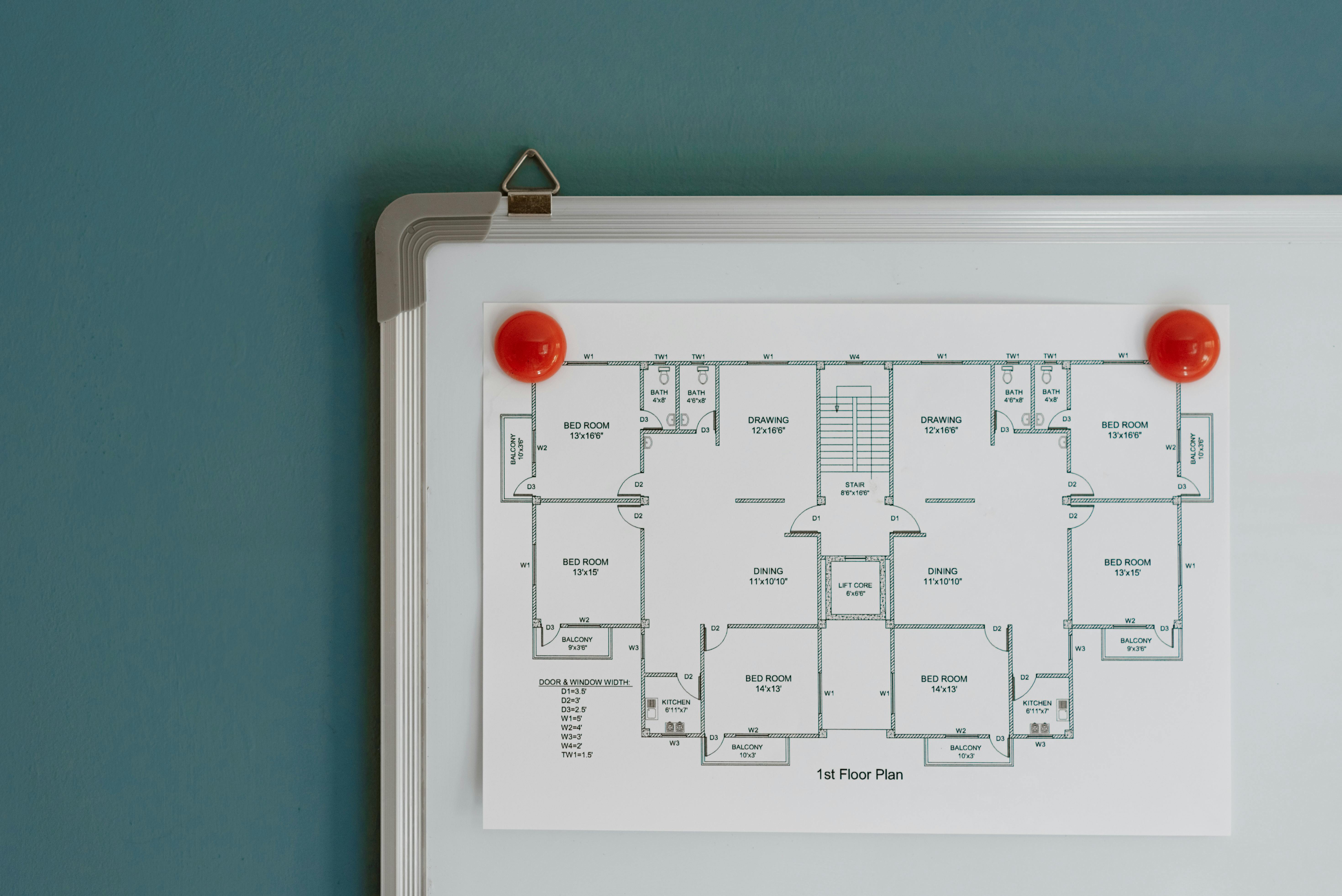
- Measure your room and sketch a simple floor plan.
- Use painter’s tape to mark out furniture footprints on the floor.
- Create a quick mood board with colors and textures so you don’t end up with five different wood tones battling for dominance.
If you can walk around your taped-out “furniture,” you can live around the real thing.
Tiny Space, Big Personality
Smart, modular furniture isn’t about living in a beige, soulless box where everything folds into the wall like a sci-fi movie. It’s about making your home match your actual life—remote work, hobbies, hosting, binge-watching, and all—without feeling cramped or cluttered.
Start with one high-impact piece: a modular sofa, a storage bed, or a fold-away desk. Then layer in shelves, benches, and sliding panels as your budget (and patience) allow. Let every new item audition with a simple test:
Does it do at least two jobs and make the room feel better, not busier?
If the answer is yes, welcome it home. If not, thank it for its service… and leave it in the shopping cart.
Your home may be small, but with smart, modular moves, its potential is absolutely extra.