
Sea Moss, Shilajit & Supersmoothies: The Truth Behind TikTok’s Trendiest Superfood Supplements
Sea Moss, Shilajit, and the New Wave of ‘Superfood’ Supplements
Updated for 2026 • Evidence-based look at sea moss gel, shilajit resin, and mineral-rich superfood trends
In the last few years, the glowiest wellness photos on your feed have quietly swapped kale salads for silky sea moss gels and inky cups of shilajit tonics. These mineral-rich “superfood” supplements are being whisked into smoothies, stirred into morning coffee, and sipped like liquid ritual—promising more energy, clearer skin, better thyroid health, and a general sense of vibrant vitality. The reality, as always with nutrition, is both more exciting and more nuanced.
Think of this page as a friendly, food-loving guide: we’ll explore what sea moss and shilajit actually are, what current science says about their benefits and risks as of 2026, how to enjoy them safely if you choose to, and even how to fold them into a delicious, mineral-rich wellness smoothie instead of just swallowing another bland pill.
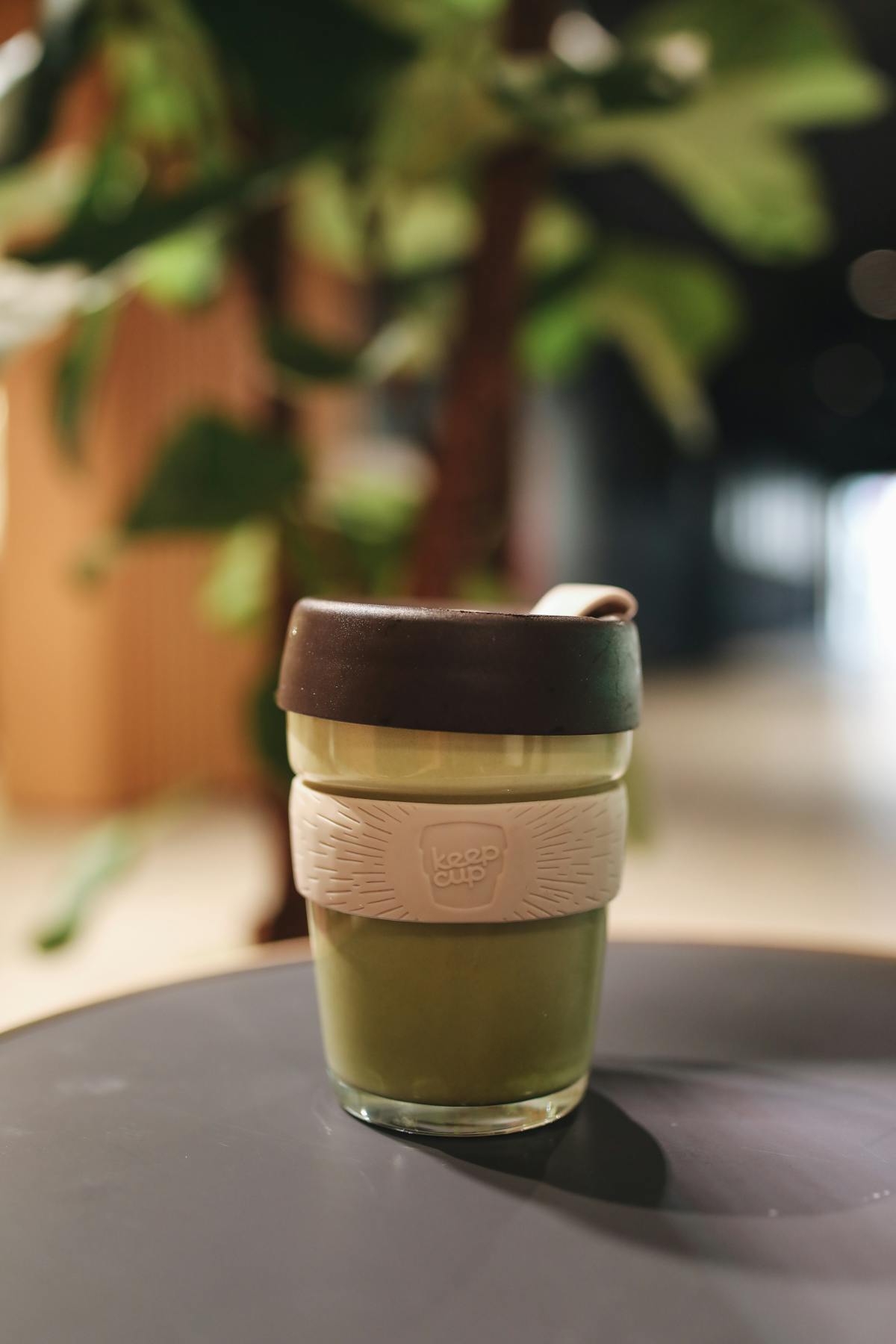
Why Sea Moss and Shilajit Are Everywhere Right Now
The superfood spotlight has moved from everyday ingredients like spinach and blueberries to more exotic, almost mystical products. On TikTok, YouTube Shorts, and Instagram Reels, you’ll see:
- Golden spoons of sea moss gel dolloped into neon-green smoothies and herbal teas.
- Tar-dark shilajit resin melting into steaming mugs of water or milk, framed as a powerful “mountain elixir.”
- Side-by-side selfies claiming “before” fatigue and “after” radiance in just a few weeks.
This trend sits right at the crossroads of biohacking culture (optimize everything, preferably with a single powerful hack) and holistic wellness (ancient, nature-based, ritual-heavy). It’s not just about nutrients; it’s about the comforting rhythm of a daily ritual—stir, sip, glow.
“One magical food can’t fix an unbalanced diet—but thoughtfully used supplements can sometimes be the cherry on top of a well-built plate.”
What Is Sea Moss (Irish Moss)?
Sea moss, often called Irish moss, is a type of red algae that grows along rocky coastlines in the Atlantic. Traditional Irish and Caribbean kitchens have used it for generations to thicken soups and drinks and as a gentle tonic when someone felt run down.

These days, you’re most likely to see it sold as:
- Soaked and blended gel in jars, meant to be kept in the fridge and spooned into recipes.
- Capsules or powder for an easy, flavor-neutral supplement.
- Dried whole sea moss you can soak and process yourself at home.
When you transform dry, knobbly strands of sea moss into gel, something magical happens: it turns silky and almost custard-like, with a faint ocean aroma that disappears once blended into fruit, nut milk, or cocoa. That gentle texture is one reason it’s become a breakfast favorite.
Sea Moss Nutrition: What the Science Actually Says
Social media loves to claim that sea moss contains “92 of the 102 minerals the body needs.” This line sounds impressive, but it’s not backed by rigorous, modern nutrient analyses. What we do know is more modest—and still interesting:
- Iodine: Sea moss can be a significant source, which matters for thyroid health—but the exact amount varies wildly.
- Small amounts of iron, magnesium, calcium, and potassium, along with other trace minerals.
- Carrageenan-type fibers: These are gelling fibers that give sea moss its thick texture and may influence digestion.
- Very low calories per typical serving of gel; it’s not a major macronutrient source.
As of 2026, human studies on sea moss itself are still limited. Some research on similar red seaweeds suggests potential prebiotic effects and support for gut health, but translating that into concrete, everyday health promises is premature. Sea moss is best viewed as a mineral-rich accent to a nutrient-dense diet, not a miracle cure.
What Is Shilajit? From Mountain Resin to Morning Ritual
Shilajit is a tar-like, mineral-rich resin that oozes from rocks in high mountain ranges, especially the Himalayas. In Ayurvedic medicine, it has been used for centuries as a rasayana—a rejuvenating substance believed to support energy, longevity, and resilience.

Modern marketing leans into this mystique, branding shilajit as:
- A natural energy booster and focus enhancer.
- A testosterone and libido support supplement (claims often overreach the evidence).
- A cognitive support tool, especially in biohacking circles.
Shilajit contains fulvic acid and a variety of minerals. Some small human and animal studies suggest it may have antioxidant and anti-inflammatory effects and could influence energy metabolism. However, large, long-term, independent clinical trials are still lacking, and quality varies dramatically between products.
Evidence, Benefits, and Risks: A 2026 Snapshot
Both sea moss and shilajit can be part of a thoughtful wellness routine, but it’s important to separate what feels good from what’s clearly proven. As of 2026, nutrition scientists and physicians generally agree on a few key points:
Potential Benefits
- Sea moss: May help people with low iodine intake modestly support thyroid health, when used in careful amounts. Its fibers may contribute to gut health, though direct evidence is limited.
- Shilajit: Some small studies suggest possible benefits for energy levels, recovery, and antioxidant status. A few trials have looked at men’s hormone profiles, but results are not yet strong enough to justify bold testosterone claims.
Risks and Quality Concerns
- Iodine overload from sea moss: Different batches can vary hugely. Excess iodine can disrupt thyroid function, especially in people with pre-existing thyroid conditions.
- Heavy metal and microbial contamination: Sea moss harvested from polluted waters and poorly refined shilajit may contain unwanted metals or microbes.
- Adulterated shilajit: Some products are diluted with fillers or unrelated substances. Authentic, purified shilajit looks and behaves differently from cheap imitations.
For most people, the safest mindset is to treat these as supporting actors—not the star of the show. A plate full of vibrant vegetables, whole grains, legumes, fruits, and good fats will always matter more than any trendy resin or gel.
The New Superfood Rituals: Shots, Teas, and Smoothies
Part of the charm of sea moss and shilajit is how they turn supplements into rituals. Instead of popping a capsule, you:
- Blend a chilled, creamy sea moss smoothie that tastes like dessert but hums with minerals.
- Sip a shilajit tea in the quiet of early morning, feeling the steam and earthy aroma wake you up slowly.
- Whisk a spoonful of sea moss into warm oat milk with cinnamon for a cozy, gently thickened evening drink.

There’s something wonderfully grounding about these slow moments in a fast digital world. Just remember: the ritual itself—hydration, calm breathing, time away from screens—probably does almost as much for your well-being as the sea moss or shilajit in your cup.
Recipe: Mineral-Rich Sea Moss & Shilajit Wellness Smoothie
To bring all of this into your kitchen, here’s a balanced, food-first recipe that folds tiny, carefully measured amounts of sea moss and (optional) shilajit into a lush, fruit-forward smoothie. Think of it as a gentle daily mineral boost, not a medical treatment.
Ingredients, Tools, and Step-by-Step Instructions

Ingredients
- 1 small frozen banana, sliced (for creaminess and natural sweetness)
- 1/2 cup frozen mango or pineapple chunks
- 1/2 cup leafy greens (lightly packed spinach or tender kale)
- 1 to 2 tablespoons prepared sea moss gel (start with 1 tablespoon if you’re new to sea moss)
- Up to 1/2 teaspoon shilajit resin or powder (optional; see safety notes below)
- 1 cup unsweetened plant milk (oat, almond, cashew) or dairy milk
- 1/4 cup plain yogurt or coconut yogurt (optional, for extra body)
- 1 to 2 teaspoons honey, maple syrup, or date syrup (optional, to taste)
- 1/2 teaspoon ground cinnamon
- 1 teaspoon fresh lemon juice (optional, brightens the flavors)
- Ice cubes as needed for a thicker, frostier smoothie
Equipment Needed
- Blender (a high-speed blender gives the silkiest texture)
- Measuring spoons and a measuring cup
- Spoon or small spatula for scooping sea moss gel and shilajit
- Glass or jar for serving

Step-by-Step Instructions
- Add the liquid first.
Pour your plant or dairy milk into the blender jar. This helps the blades pull everything down and prevents dry chunks. - Layer in the fruits and greens.
Add the frozen banana, mango or pineapple, and leafy greens on top of the liquid. The bright fruit will help mask any ocean notes from the sea moss. - Add sea moss and optional shilajit.
Spoon in the sea moss gel. If you’re using shilajit, add up to 1/2 teaspoon. For resin, soften it slightly in a spoonful of warm water first so it blends smoothly. - Flavor and enrich.
Add yogurt (if using), cinnamon, lemon juice, and your chosen sweetener. Each of these adds a layer: tang, warmth, brightness, or indulgent sweetness. - Blend until silky.
Start on low speed to break everything down, then increase to high. Blend until the smoothie is completely smooth and creamy, about 30–60 seconds. If you like a thicker, colder texture, add a few ice cubes and blend again. - Taste and adjust.
Take a small sip. Want more brightness? Add a touch more lemon. Craving extra sweetness? Stir in a bit more honey or maple syrup and pulse to combine. - Serve and savor.
Pour into a chilled glass or jar, maybe dust the top with a pinch of cinnamon, and enjoy right away while it’s cold and lush.

Storage, Meal Prep, and Reheating (aka Rechilling) Tips
Smoothies are at their best when freshly blended—thick, frosty, and vibrantly flavored. But life is busy, and sometimes you’ll want to prep ahead or save leftovers.
Storing Sea Moss Gel
- Refrigerator: Store prepared sea moss gel in a clean, airtight glass jar for about 1 to 2 weeks.
- Freezer: Portion the gel into ice cube trays and freeze. Transfer cubes to a freezer bag and use within 3 months.
Storing Shilajit
- Keep shilajit resin or powder in a cool, dark place, tightly sealed.
- Follow storage directions from the brand; avoid moisture and excessive heat.
Storing the Smoothie
- Fridge: If you must store it, refrigerate in a sealed jar for up to 24 hours. Shake or stir well before drinking.
- Texture fix: After chilling, the smoothie may thicken or separate. Add a splash of milk and re-blend or shake vigorously.
Because this is a chilled drink, “reheating” is really about re-chilling and re-blending. If you want to enjoy it very cold later, add a few fresh ice cubes and give it a quick whizz in the blender again.
Serving Ideas and Complementary Dishes
This mineral-rich smoothie makes a lovely:
- Light breakfast on its own, especially on warm days.
- Afternoon pick-me-up between meetings, when coffee feels too jittery.
- Gentle pre- or post-workout drink, paired with something more substantial like toast or a grain bowl.

For a more complete and satisfying meal, try pairing it with:
- A slice of whole-grain toast with nut butter and sliced fruit.
- A small chia pudding sweetened lightly with dates or fruit.
- A simple egg scramble or tofu scramble with veggies for extra protein.
Big Picture: Superfoods, Supplements, and a Nourishing Everyday Plate
Sea moss gel and shilajit resin are fascinating—rooted in traditional practices, packed with minerals, and wrapped in compelling modern stories. Used thoughtfully, they can play a small supporting role in your wellness routine, especially when folded into real, enjoyable food like the smoothie above.
Still, no supplement—no matter how ancient, exotic, or viral—can replace the quiet power of:
- Regular, colorful vegetables and fruits.
- Whole grains, beans, and lentils for fiber and slow, steady energy.
- Healthy fats and enough protein to keep you nourished and satisfied.
If you choose to bring sea moss or shilajit into your life, let them decorate an already-strong foundation rather than do the heavy lifting. And most importantly, listen to your body, stay curious, and don’t hesitate to loop in a trusted healthcare professional—especially if you have thyroid issues, are pregnant, or take regular medications.
You deserve a wellness routine that feels delicious, sustainable, and grounded in both tradition and good science.
