
Roman Reigns Crashes Post-WrestleMania Raw: Full Results, CM Punk Drama & New Era Shake-Ups
The first WWE Raw after WrestleMania 42 was always going to be a statement show, and the April 20 edition delivered a volatile mix of star power and uncertainty. With Roman Reigns advertised to appear, CM Punk wandering out with no music and a split crowd, and fresh faces like Andre The Giant Memorial Battle Royal winner Royce Keys in the building, this episode felt less like a simple follow-up and more like a hard reset for WWE’s next season.
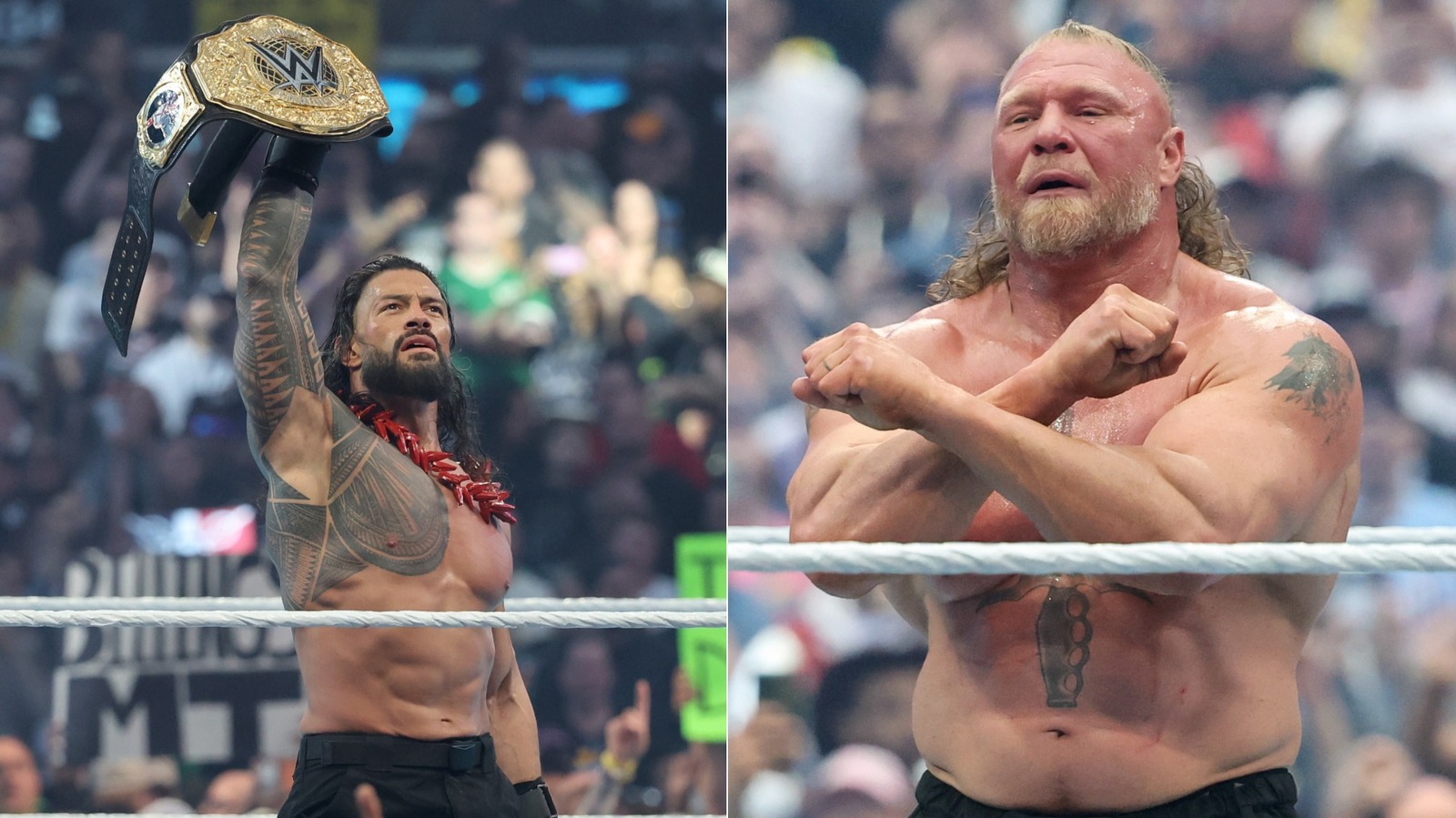
Below is a match-by-match breakdown, key promos, and some contextual analysis on where WWE might be heading after WrestleMania 42’s fallout on Monday Night Raw.
Why This Post-WrestleMania Raw Mattered So Much
The Raw after WrestleMania has become wrestling’s unofficial “season premiere.” Dating back to the explosive crowds of the early 2010s—think Dolph Ziggler’s Money in the Bank cash-in or the chaotic night that birthed Fandango-mania—this show is where WWE traditionally tests bold creative swings and debuts.
Coming out of WrestleMania 42, the stakes were clear: how would WWE balance long-term pillars like Roman Reigns and CM Punk with the need to finally elevate new stars? The presence of SmackDown’s Royce Keys at ringside was a not-so-subtle hint that the company is at least flirting with fresh main-roster narratives.
Roman Reigns’ Raw Appearance: Power Move or Transitional Beat?
Roman Reigns stepping onto Raw in the immediate wake of WrestleMania is rarely a casual choice. While the specific direction of his promo and possible confrontation were framed as the show’s central hook by Wrestling Inc., the meta-story is just as important: any time Reigns crosses brands, it signals high-level creative maneuvering.
In recent years, Reigns has evolved from just a champion into WWE’s narrative anchor. Post-WrestleMania, his role is less about chasing belts and more about defining the company’s power structure. Whether he was there to confront a new champion, tease a cross-brand feud, or simply reassert his dominance, his presence alone turned the episode into appointment viewing.
“As long as I’m here, this is my show. Raw, SmackDown, WrestleMania—it all runs through me.”
That long-running “Head of the Table” philosophy continues to shape how crowds react: every Roman appearance now feels like the company dropping a pin on its future roadmap.

CM Punk’s Stark Entrance: No Theme, No Pyro, All Tension
One of the night’s most striking visuals came early: CM Punk walking out from Gorilla Position with no entrance music, no pyro, and a crowd audibly split down the middle. For a performer whose legacy is built on iconic sound cues—“Cult of Personality” hitting has historically been an instant pop—this stripped-down entrance was deliberate.
Presented this bare, Punk became less of a conquering legend and more of a polarizing presence WWE has to negotiate with. The split reaction isn’t just crowd noise; it’s a commentary on his complicated modern reputation, shaped by high-profile exits, returns, and locker-room politics.
“Love me, hate me, just don’t be quiet. Silence is death in this business.”
From a production standpoint, denying Punk the usual bells and whistles heightened the realism. It felt closer to a UFC walkout than a WWE spectacle—a smart contrast that underlined his “outsider even on the inside” aura.

Royce Keys in the Crowd: Andre Battle Royal Winner Gets a Soft Spotlight
The camera cutting to Royce Keys, fresh off winning the Andre The Giant Memorial Battle Royal, was a quiet but important storytelling beat. Having the SmackDown star visibly in attendance on Raw isn’t accidental—it’s WWE signaling to the audience: “Pay attention to this guy.”
Historically, the Andre Battle Royal has been a mixed bag: a few winners parlayed it into real momentum, while others faded back into midcard purgatory. Featuring Keys on this high-profile episode suggests WWE is at least flirting with the idea of turning his win into something more substantial.
WWE Raw April 20, 2026 – Key Segments and Results Overview
While the full play-by-play belongs to the live coverage at Wrestling Inc., several segments defined the episode’s tone and direction post-WrestleMania 42.
Notable In-Ring and Story Moments
- Opening Fallout Segment: The show likely opened by addressing WrestleMania 42’s biggest title outcomes, framing new feuds and rematches.
- Champion’s First Promo: Whoever left WrestleMania with major gold (World, Women’s, or Tag) would have been positioned as Raw’s new—or returning—centerpiece.
- Surprise Returns or Call-Ups: The Raw-after tradition almost demands at least one unexpected appearance or NXT elevation.
- Tag and Midcard Recalibration: Expect new contenders established through multi-man matches or fast-paced showcase bouts.
- Main-Event Angle: Roman Reigns’ presence, combined with Punk and the Mania fallout, likely culminated in a confrontational closing angle rather than a simple clean finish.
Structurally, this Raw followed the modern WWE formula: open with a talk-heavy, star-laden segment that sets up matches across the night, pepper in workrate-heavy sprints to keep the live crowd hot, and end with storyline escalation, not necessarily resolution.

Cultural and Industry Context: WWE’s Balancing Act
What makes this Raw interesting isn’t just who won or lost, but how WWE is trying to balance three competing priorities:
- Protecting Legacy Stars: Roman Reigns and CM Punk still draw mainstream attention, social media traffic, and merchandising power.
- Establishing New Names: Royce Keys’ visibility and any fresh pushes out of WrestleMania must land if WWE wants a post-Reigns identity.
- Keeping Week-to-Week TV Engaging: With streaming, cord-cutting, and competition from AEW and global promotions, Raw can’t just coasts on nostalgia.
From a business perspective, a show like this is less about satisfying hardcore fans in the moment and more about generating clips: Roman face-offs, Punk promos, crowd reactions that will live on TikTok, Instagram, and YouTube. That’s where a lot of WWE’s cultural footprint now resides.
“Modern wrestling TV is about creating shareable moments as much as telling linear stories. The biggest angles are designed to live twice—once on cable, and then forever online.”
This Raw, with its calculated use of star aura and emerging talents, clearly aimed to generate those high-impact, replayable moments more than one-night blow-off matches.
Strengths and Weaknesses of This Raw Episode
What Worked
- Star Power: Roman Reigns and CM Punk gave the show a big-fight feel that few weekly wrestling programs can match.
- Visual Storytelling: Punk’s no-music entrance and Royce Keys being shown in the crowd told clear stories without clunky exposition.
- Post-Mania Energy: The first-show-back aura, with a vocal crowd and high expectations, made even standard segments feel larger.
What Fell Short
- Dependence on Established Names: When so much weight sits on Reigns and Punk, newer acts risk feeling like background players rather than the future.
- Brand-Line Blurring: While crossovers can be exciting, constant brand-hopping can dilute the uniqueness of Raw vs. SmackDown.
- Unresolved Threads: In classic post-Mania fashion, the show seemed more interested in starting fires than putting any out, which can frustrate viewers looking for payoffs.
Where to Watch, Read More, and Keep Up with WWE
For detailed move-by-move coverage of the April 20 episode, head directly to the original report on Wrestling Inc.. For broader context on WrestleMania 42 and its fallout:
- Official WWE Raw page – latest episodes, highlights, and match graphics.
- WWE Raw on IMDb – episode lists, cast, and user ratings.
- WrestleMania hub on WWE.com – full cards, results, and media from WrestleMania 42.
Final Thoughts: A Transitional Raw with Big Shadows
The April 20, 2026 WWE Raw didn’t try to reinvent the wheel so much as remind everyone who’s still spinning it. Roman Reigns and CM Punk cast long shadows, while talents like Royce Keys linger at the edge of the spotlight, waiting for a real shot at center stage.
As the dust from WrestleMania 42 settles, the key question isn’t just who holds the titles—it’s whether WWE can finally convert post-Mania buzz into sustained, star-making momentum. If the careful framing of this episode is any indication, the company knows that its next big era has to be about more than one Tribal Chief and one Voice of the Voiceless.
Over the next several weeks of Raw and SmackDown, we’ll find out if this episode was a genuine new beginning or merely a stylish epilogue to WrestleMania season.
