
Richard Thomas & Anika Noni Rose Light Up Broadway’s Dark New Comedy ‘The Balusters’
A Neighborhood Watch From Hell: Why The Balusters Hits a Nerve on Broadway
In an era where every Facebook group and Nextdoor thread can turn into a full‑blown witch hunt, David Lindsay-Abaire’s new Broadway play The Balusters arrives with unnerving timing. This dark ensemble comedy, reviewed by Deadline, stages a simple neighborhood watch meeting that slowly mutates into something far more vicious—and far more familiar to anyone who’s ever watched an online pile-on spiral out of control.

Led by Richard Thomas and Anika Noni Rose, The Balusters takes the familiar template of the polite suburban gathering and slowly peels away its civility, revealing the fear, status anxiety, and hunger for control underneath. It’s funny, unsettling, and calibrated to speak directly to a culture obsessed with surveillance—of others and of ourselves.
From Good People to The Balusters: Lindsay-Abaire’s Suburban Battleground
David Lindsay-Abaire has long been drawn to ordinary Americans in extraordinary moral corners. From the blue‑collar tensions of Good People to the grief-stricken surrealism of Rabbit Hole, his work lives in that uneasy space where class, conscience, and survival instincts collide. With The Balusters, he shifts the arena to a neighborhood watch circle—essentially, a DIY justice system powered by snacks and passive aggression.
The title itself, The Balusters, evokes something that’s supposed to keep us from falling: those neat little posts along a staircase or balcony, the literal supports of a railing. It’s an apt metaphor for a group of self-appointed guardians who believe they’re propping up the moral order, even as they saw away at its foundation.
In the post‑pandemic era—where neighborly concern can rapidly morph into policing someone’s mask, lawn, or politics—the play taps a very current anxiety: what happens when “community engagement” becomes a cover for control?
Inside the Living Room: Plot, Premise, and Group Meltdown
The Balusters unfolds largely in a living room—a classic choice for American stage comedies, from God of Carnage to The Humans. A small, civic‑minded crew convenes to discuss suspicious goings‑on in the neighborhood. The agenda is mundane; the emotional stakes, less so.
- The Setup: A neighborhood watch group meets, ostensibly to keep the block safe.
- The Spark: A perceived threat—or perhaps just a rumor—forces everyone to take sides.
- The Turn: Little slights, old resentments, and power plays spill into the open.
- The Spiral: The group’s moral mission curdles into judgment and punishment.
Deadline notes how the group dynamic feels painfully recognizable: people eager to be seen as “good citizens” but equally eager to assert dominance, claim expertise, or weaponize their own sense of victimhood. The comedy doesn’t come from one‑liners so much as from escalating discomfort—watching people who insist they’re reasonable drift into mob logic.
“Hell hath no fury like a well-intentioned self-appointed watchdog challenged.”
That line, quoted in Deadline’s review, could double as the show’s logline. Once these watchdogs feel their authority questioned, the claws come out—and the living room becomes a trial court.
Richard Thomas & Anika Noni Rose: Star Power in a True Ensemble
Broadway marketing naturally foregrounds the names: Richard Thomas—who’s had a fascinating career arc from The Waltons to The Little Foxes and To Kill a Mockingbird—and Tony winner Anika Noni Rose, beloved for Caroline, or Change and Disney’s The Princess and the Frog. But according to Deadline, The Balusters is less a star vehicle than a genuine ensemble piece, with power shifting constantly around the room.

Thomas is well‑cast as the kind of man whose belief in process and propriety can edge into quiet authoritarianism; he doesn’t have to shout to dominate a room. Rose, meanwhile, brings nuance to a character navigating the double bind of being both conscientious and deeply aware of how she’s being perceived—especially in a group that may not share her experience or assumptions.
The supporting players round out a full spectrum of archetypes: the peacekeeper, the fire-starter, the follower who’s one push away from snapping. If you’ve ever sat through a condo board meeting, a PTA blow‑up, or a contentious city council livestream, you’ll recognize them instantly.
Balancing Laughs and Dread: The Play’s Dark-Comedy Tone
Tonally, The Balusters sits in that uneasy lane where you’re laughing at what people say while bracing for what they might do. Lindsay-Abaire has always been good at exploiting the gap between how characters present themselves and what they’re capable of when cornered. Here, the comedy comes from recognizable civic language—“safety,” “concern,” “community standards”—being stretched and twisted until it’s barely masking aggression.
The staging, as described in the Deadline review, leans into realism: a cozy room, functional furniture, nothing overtly stylized. That normalcy works like a horror movie’s quiet soundtrack, lulling the audience as the behavior onstage gets less and less normal. The darkness isn’t just in the jokes; it’s in the realization that these people might not be outliers at all.
“We’re just trying to do the right thing” is practically its own genre now—and The Balusters suggests that phrase should always come with a warning label.
That’s the cultural sweet spot this production hits: the recognition that the most dangerous moral panics rarely announce themselves as such. They begin as “good intentions” in rooms that look exactly like this one.
Surveillance, Virtue, and the American Need to Be ‘Right’
Beyond the jokes, The Balusters is—unsurprisingly for Lindsay-Abaire—about power. Who gets to define “safety”? Who is presumed suspicious, and who is presumed neutral? How does fear get redistributed as blame?
- Surveillance Culture: The neighborhood watch is a low‑tech stand‑in for our constantly monitored feeds.
- Performative Virtue: Characters crave not only to be good, but to be seen as the best kind of good.
- Collective Guilt: The group dynamic allows individuals to feel absolved as long as “everyone” agrees.
- Class & Respectability: Unspoken hierarchies shape whose fears count and whose behavior is policed.

In that sense, the play belongs on a shelf next to works like Bruce Norris’s Clybourne Park or Ayad Akhtar’s Disgraced—comedies of manners that slowly evolve into something closer to moral auto‑da‑fé. Where those plays tackle race, class, and Islamophobia head‑on, The Balusters zeroes in on the subtler mechanics of how a “nice” community decides who belongs.
Strengths, Weak Spots, and Who This Show Is For
No production is bulletproof, and Deadline’s appraisal implicitly sketches both what The Balusters gets right and where it might leave some viewers wanting more.
What Works
- Sharply observed group dynamics that feel ripped from real neighborhood or online drama.
- Nuanced performances from Richard Thomas, Anika Noni Rose, and the ensemble, grounding satire in recognizable humanity.
- A slow-burn structure that rewards attention and makes the final escalation feel earned rather than gimmicky.
- Timely themes around surveillance, moral certainty, and the darker side of “community standards.”
Where It May Divide Audiences
- The measured pacing and talky, naturalistic style may feel “small” to those expecting big Broadway spectacle.
- Some viewers might want a clearer moral takedown; others will appreciate the ambiguity and refusal to offer easy heroes or villains.
- Depending on personal experiences with HOA meetings, school boards, or local politics, the comedy might land as either cathartic or a little too real.

Where to Learn More and How to See The Balusters
For full casting information, schedule details, and production credits, check the show’s listings on:
- IBDB (Internet Broadway Database) for production history and creative team credits.
- IMDb for film/TV credits of the cast and creative team.
- Deadline’s theater section for the original review and ongoing Broadway coverage.
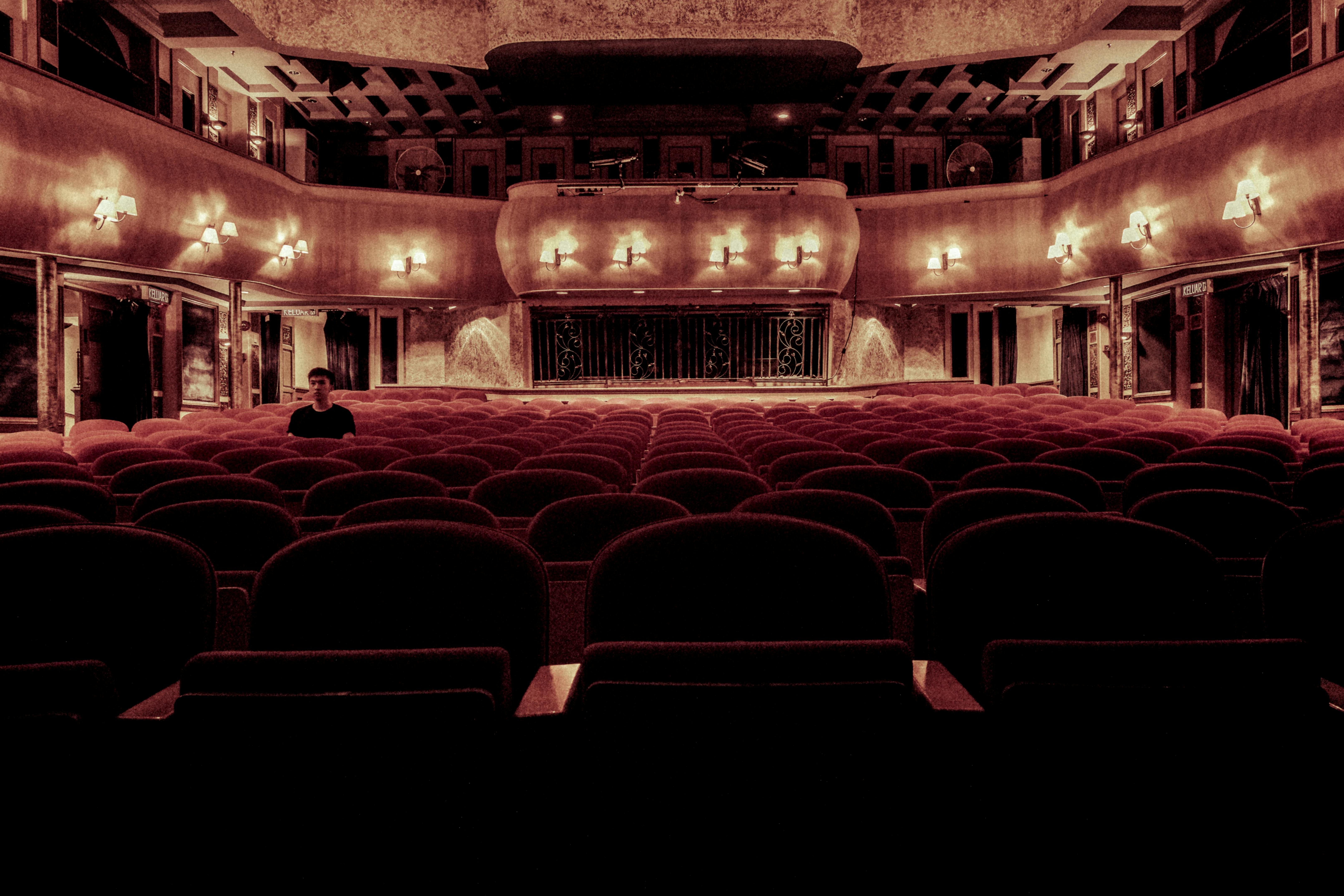
While there’s no guarantee of a cast recording or filmed capture, the play’s tight scope and topical bite make it a strong candidate for regional productions and potential streaming adaptations down the line. For now, though, it’s a live-wire experience best encountered in the room—sharing uneasy laughter with a crowd that may or may not recognize itself onstage.
Final Take: A Sharply Cut Mirror for the Watchdog Era
The Balusters isn’t the kind of Broadway show that sends you out humming a tune; it sends you out replaying your last community meeting—or your last group chat—in your head. With Richard Thomas and Anika Noni Rose anchoring a strong ensemble, and David Lindsay-Abaire once again proving he understands American unease better than most, the play serves as both a comedy and a warning.
In a time when everyone feels deputized to judge, report, and “hold accountable,” The Balusters asks a simple, unnerving question: when we say we’re protecting our community, who are we really protecting—and from what? That’s a conversation worth having, long after the living room lights go down.
