
Reliving the Day Prince Died: Inside the Longest, Hardest Shift in Music Journalism
On April 21, 2016, Minneapolis lost its brightest purple light. For Star Tribune music critic Jon Bream, the man who’d followed Prince for decades, it became the “longest, hardest day” he’d ever worked, a local tragedy unfolding globally in real time—while he had, in his own words, “no time to grieve.”
Looking back now, that day feels like the moment when the world finally understood what Minneapolis already knew: Prince wasn’t just a superstar; he was a civic institution, a fiercely private neighbor, and a once‑in‑a‑generation live performer who turned shyness into electricity the second he stepped onstage.
Prince, Minneapolis, and the Critic Who Watched Him Grow
Before it was a headline on every major outlet, Prince’s death was a local news alert in a city that had grown up alongside him. For Jon Bream, who had known Prince for six years before the star would even make regular eye contact, the loss was deeply personal and profoundly professional.
Prince was famously shy offstage—soft‑spoken, guarded, and always calibrating the room. Yet anyone who saw him perform at First Avenue, Paisley Park, or any arena worldwide knows that this same man could command tens of thousands with a flick of his wrist and a single guitar note. That duality is crucial to understanding why covering him was both a privilege and, at times, a long exercise in patience.
“I knew him for six years before he looked me in the eye.”
— Jon Bream, Star Tribune music critic
This anecdote isn’t just a charming detail; it speaks volumes about Prince’s relationship with the press. He wasn’t a quote machine or a fame addict. He curated his mystery, even in his hometown. That meant critics like Bream had to earn access slowly, show up repeatedly, and prove they understood the work without demanding the man explain himself.
Inside “The Longest, Hardest Day” on the Prince Beat
For a local critic, a superstar’s death isn’t just another story—it’s several stories at once: breaking news, obituary, retrospective, fan reaction, and cultural history lesson, all turned around at digital speed. When the report came that someone had died at Paisley Park, social media moved faster than confirmed facts. Bream, like many in Minneapolis media, had to balance urgency with accuracy while acknowledging that his subject was also a friend, or at least a long‑term acquaintance.
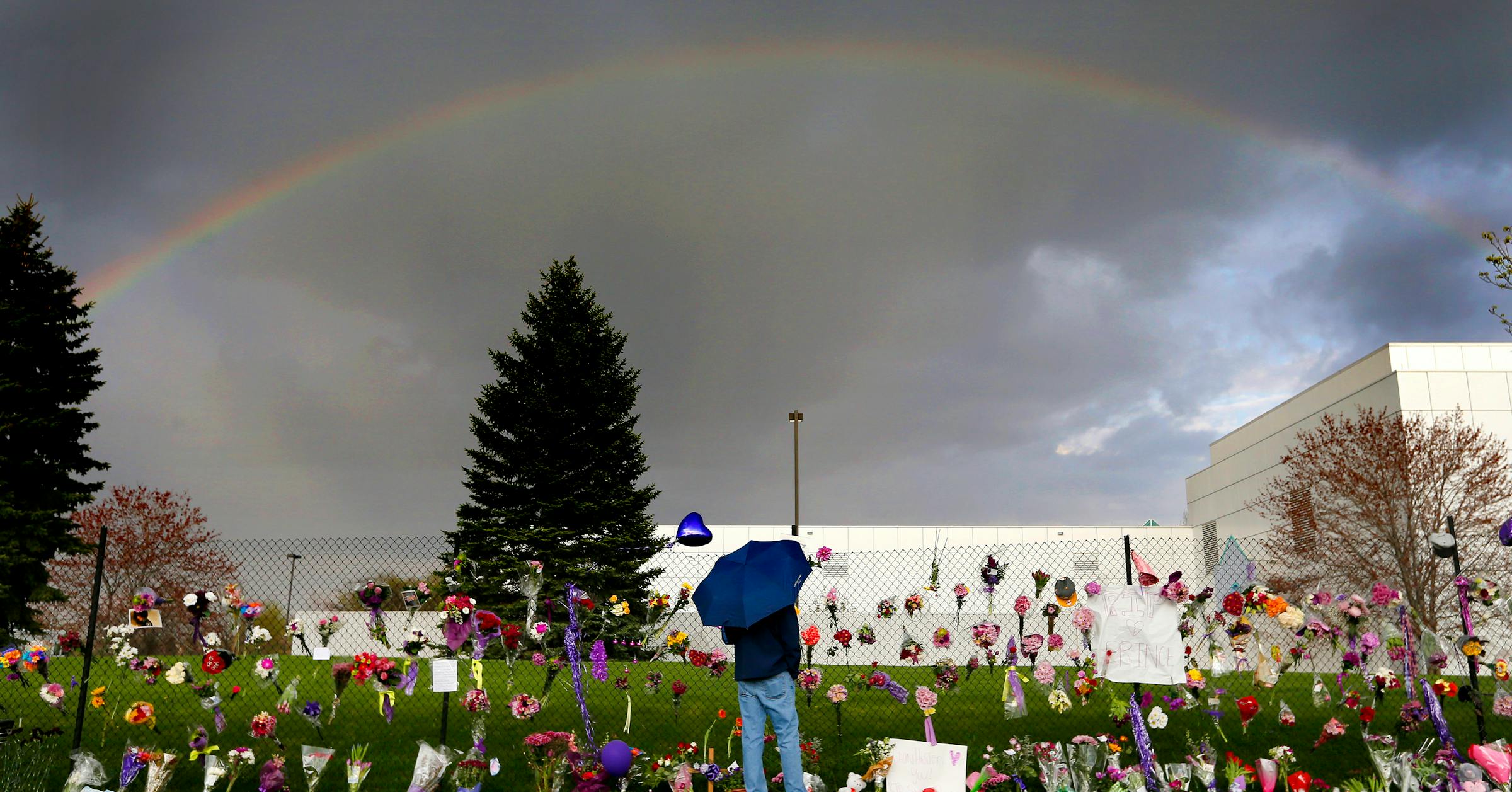
“I had no time to grieve” is not an exaggeration; it’s a blunt description of how journalism works on days like that. There are live updates to file, calls from national outlets, radio hits, TV appearances, and the heavy lift of writing an obituary that will be archived for decades. Meanwhile, outside the newsroom, First Avenue becomes a shrine, purple lights wash over skyscrapers, and impromptu dance parties stretch into the morning.

- Breaking the story: Verifying reports from Paisley Park while the internet already decided the narrative.
- Capturing the legacy: Compressing four decades of innovation—funk, rock, R&B, pop—into a few thousand words.
- Covering the city: Describing a Minneapolis that turned itself into a living wake: murals, candlelight vigils, DJ sets, and all‑night Prince marathons.
This is where criticism bleeds into civic duty. When someone like Prince dies in the city he helped put on the map, a local paper isn’t just documenting grief; it’s organizing it, giving fans a language—and links—to gather around.
Prince’s Shyness, Swagger, and the Art of Controlled Mystery
The version of Prince most people know is half Super Bowl rain‑god, half Purple Rain myth. The version Bream and other Minneapolis insiders knew was quieter: a man who could be almost painfully shy until he trusted you—or until the lights hit and the band kicked in.
“If you got to know him, he was smart, articulate, aware, spiritual.”
— Jon Bream, reflecting on Prince’s offstage presence
That contrast—shy in conversation, volcanic onstage—isn’t unique in music, but Prince elevated it to an art form. His interviews were rare and tightly managed; his live shows were abundant, sprawling, and often last‑minute. You might not get a 90‑minute sit‑down, but you could get a 3 a.m. jam session at Paisley Park that ran until sunrise.
Critics had to read between the grooves. Albums like Sign o’ the Times and Lovesexy carried his politics and spirituality more explicitly than any press release. His fights with his label and the famous “slave” written on his face said more about the music industry’s power dynamics than most trade panels.
How Local Coverage Shaped the Global Story of Prince’s Death
When Prince died, global outlets from the BBC to CNN rushed in with packages about “the icon of the ‘80s.” Necessary, sure—but often generic. Minneapolis outlets like the Star Tribune and local radio stations gave the story its grain: the specific streets, the club staffers, the engineers, the backline musicians who orbited his world.
Readers didn’t just want a list of Grammys; they wanted to know what it felt like in the Target Center the first time he came home post‑Purple Rain, or what a Paisley Park listening party was like on a random Tuesday. Bream’s long tenure covering Prince meant he could move past greatest‑hits nostalgia and talk about the awkward interviews, the last‑minute show announcements, the times Prince would call the paper to fact‑check something himself.
- Context: Explaining Paisley Park not just as a studio, but as a social ecosystem.
- Continuity: Connecting the young genre‑bender of the late ’70s to the elder statesman of streaming‑era debates.
- Community: Highlighting how Black Minneapolis, the Twin Cities’ club scene, and local churches responded, not just A‑list celebrities.
There’s a reason international outlets kept quoting Minneapolis critics that week: they needed voices who’d actually been in the room with him, sometimes at 3 a.m., when there were no cameras, just a band and a crowd that knew they were getting away with something special.
Grief, Legacy, and the Journalist’s Tightrope
One of the toughest parts of covering an artist like Prince is that the job never fully switches off. The same reporter who spent years reviewing his tours and parsing his B‑sides now had to write the piece that would close the book on his life. The emotional whiplash is real: you’re expected to be eloquent, fast, and fair about someone whose records probably scored half the major moments in your city—or your own life.
In that sense, Bream’s confession—having no time to grieve—becomes a quiet critique of how the modern news cycle processes loss. There’s a rush to package the narrative: the genius, the eccentricities, the battles with the music industry, the questions surrounding his death. What gets lost in that pace is the slow work of absorbing what it means when a cultural era truly ends.

Yet that first chaotic day also ensured that Prince’s story wouldn’t be flattened. Local coverage emphasized his spirituality, his deep ties to Minneapolis, his reputation as an almost absurdly generous live performer, and yes, his shy streak that slowly thawed with people he trusted.
Looking Forward: Living With a Legacy You Can’t Replace
A decade on, revisiting “the longest, hardest day” isn’t just about reliving shock; it’s about noticing what has settled in its place. The First Avenue mural is now a pilgrimage stop. Paisley Park is a museum and performance space. Younger artists—across R&B, pop, rock, and hip‑hop—talk about Prince’s independence as a roadmap, not just his riffs as inspiration.
For critics like Jon Bream, the job has shifted from covering Prince’s next move to maintaining the nuance of his story in an algorithmic age that loves shorthand labels. For the rest of us, the work is simpler but no less meaningful: keep listening, keep revisiting the deep cuts, and remember that behind the icon in high heels and lace was a shy, fiercely intelligent musician who built an entire universe from a small Midwestern city.

We can’t redo that day or slow it down so the people who knew him best had time to be more than professionals. What we can do is keep telling the detailed, local, human version of Prince’s story—the one where a shy guy from Minneapolis changed music forever and made even the longest, hardest days feel, in hindsight, like part of something bigger.
