
Protein-Fortified Comfort Foods: How Cottage Cheese Ice Cream & High-Protein Cereal Took Over Social Media
Protein‑Fortified Everything: From Cottage Cheese Ice Cream to High‑Protein Cereal
Protein has quietly moved from the gym locker room to the kitchen counter, and now it’s reimagining our coziest comfort foods. All over social media, home cooks are churning out cottage cheese ice cream, high‑protein cereal bowls, macro‑friendly baked goods, and “better‑for‑you” versions of childhood favorites—all in the name of satiety, muscle support, and feeling strong, not just “skinny.”
From viral cottage cheese desserts to protein‑enriched breads and tortillas, this protein‑fortified trend reflects a bigger cultural shift: people want food that feels indulgent, tastes nostalgic, and still fits a higher‑protein, more balanced way of eating.

Why Protein‑Fortified Foods Are Everywhere Right Now
Interest in higher‑protein diets has been rising steadily for years, but over the last several months the conversation has exploded. Scroll through TikTok, Instagram Reels, or YouTube and you’ll see “what I eat in a day” videos, meticulous macro breakdowns, and side‑by‑side shots of nostalgic snacks versus their newly ripped, protein‑enhanced cousins.
Several forces are feeding this wave:
- Satiety & blood‑sugar stability: Many people find that protein‑rich meals keep them fuller longer and help curb energy crashes, a message echoed by dietitians and physicians.
- Strength over “skinny” culture: Resistance training has gone mainstream—especially among women. Instead of shrinking at all costs, more people want to build and preserve muscle.
- GLP‑1 and muscle preservation: As GLP‑1 medications for weight loss gain visibility, experts warn about potential muscle loss and urge patients to prioritize protein and strength training.
- Label literacy: Shoppers increasingly compare protein grams, sugar, fiber, and ingredient lists, favoring foods that feel both satisfying and purposeful.
“We’ve moved from avoiding fat or carbs at all costs to asking: ‘Where’s the protein, and what else am I getting with it?’”
Viral Cottage Cheese Ice Cream, Cookie Dough & Cheesecake
If there’s a mascot for the current protein craze, it’s the humble tub of cottage cheese. Once typecast as a diet‑era side dish, cottage cheese is now being blended into velvety desserts and sauces that feel far more indulgent than their nutrition labels would suggest.
Creators are turning cottage cheese into:
- Cottage cheese ice cream: Blending cottage cheese with fruit, a touch of sweetener, and sometimes protein powder before freezing. The result? A creamy, scoopable treat with a gently tangy backbone, more like cheesecake than classic ice cream, but with dramatically higher protein and less sugar.
- High‑protein cookie dough: Puréed cottage cheese folded into oat flour or blended chickpeas, nut butter, and chocolate chips. The texture lands somewhere between mousse and dough—cool, dense, and spoonable.
- Protein cheesecakes: Cottage cheese and Greek yogurt replace most of the cream cheese, baked low and slow for a custardy, slightly tangy dessert that still slices into clean wedges.
- Protein‑rich pasta sauces: Blended into tomato or roasted red pepper sauces, cottage cheese adds body and a quiet cheesiness while bumping up protein.
High‑Protein Breakfast Bowls, Overnight Oats & Smoothie Bowls
Mornings have become a prime time for protein. Bowls that once leaned heavy on fruit and granola are now anchored by Greek yogurt, skyr, or cottage cheese, reinforced with whey, casein, or plant‑protein powders. The goal is a breakfast that looks like a café treat but eats like a balanced, macro‑friendly meal.

Popular protein‑forward breakfast ideas include:
- Greek yogurt bowls: Thick, tangy yogurt layered with high‑protein granola, nut butters, seeds, and berries. Each spoonful blends cool creaminess with crunch and bursts of sweetness.
- Overnight and baked oats: Oats soaked with milk and protein powder, then chilled or baked. The baked versions puff up into cake‑like squares with a tender crumb and cozy aroma.
- Smoothie bowls: Frozen fruit, yogurt, and protein powder blended into a thick, spoonable base, then decorated with toppings that offer texture and extra nutrition.
High‑Protein Cereal, Granola, Breads & Tortillas
Another pillar of the protein‑fortified wave lives in the cereal aisle—and beyond. New high‑protein cereals and granolas promise 10–20 grams of protein per serving, often with less sugar and more fiber. Influencers taste‑test them against beloved childhood brands, narrating the crunch, sweetness, and nostalgia factor while the macro breakdown flashes across the screen.

Beyond cereal, grocery hauls and “full day of eating” videos frequently highlight:
- Protein‑enriched breads: Loaves made with added gluten, whey, or legume flours. Slices feel slightly denser and chewier, but toast beautifully and stand up well to hearty toppings.
- High‑protein tortillas & wraps: Often fortified with pea protein or high‑fiber flours, these offer more bite and a subtle nuttiness compared to classic flour tortillas.
- Protein pasta: Chickpea, lentil, and blended‑grain pastas that deliver extra protein and fiber with a pleasantly al dente chew when cooked properly.
The Rise of Macro‑Friendly Comfort Food: Pizza, Brownies & Pancakes
At the heart of “protein‑fortified everything” is the idea that you don’t have to give up your favorite foods—you just rebuild them. Macro‑friendly recipe culture is all about reverse‑engineering beloved dishes so they fit a specific balance of protein, carbs, and fats.
Common macro‑friendly remakes include:
- Protein pancakes & waffles: Oats or whole‑grain flour blended with cottage cheese or Greek yogurt and protein powder. When done well, they’re fluffy, slightly chewy, and fragrant with vanilla and cinnamon.
- High‑protein brownies: Recipes that weave in black beans or Greek yogurt for moisture alongside cocoa and a bit of sweetener. The best versions are fudgy, not dry, with a deep chocolate aroma.
- Protein pizza: Bases made from high‑protein wraps, chickpea crusts, or even chicken‑based doughs, topped generously with cheese and vegetables for a more balanced slice.
For people tracking macros or managing body‑composition goals, these reimagined recipes offer a way to keep mealtimes fun while still hitting a higher‑protein target.
What Evidence‑Based Creators Are Saying About Protein‑Fortified Foods
Dietitians, sports nutritionists, and science‑minded creators generally welcome the shift toward protein—especially when it nudges people toward foods like eggs, dairy, fish, beans, lentils, tofu, tempeh, and lean meats. These foods offer not just protein, but also iron, calcium, B vitamins, and other nutrients that support long‑term health.

At the same time, they’re cautious about leaning too hard on ultra‑processed protein snacks and treats. Common themes in online discussions include:
- Balance: A protein bar is handy in a pinch, but a meal of grilled fish, beans, or tofu with vegetables and whole grains is usually more nourishing.
- Digestibility: People compare how they feel after whey versus plant‑based proteins, or after eating a lot of sugar alcohols.
- Taste trade‑offs: Not every protein‑fortified product is delicious; some are chalky, overly sweet, or leave a lingering aftertaste.
- Sustainability: The most successful shifts are the ones people can maintain—recipes and routines that feel satisfying, not restrictive.
Recipe: 5‑Minute High‑Protein Cottage Cheese Ice Cream (No Churn)
Quick Recipe Summary
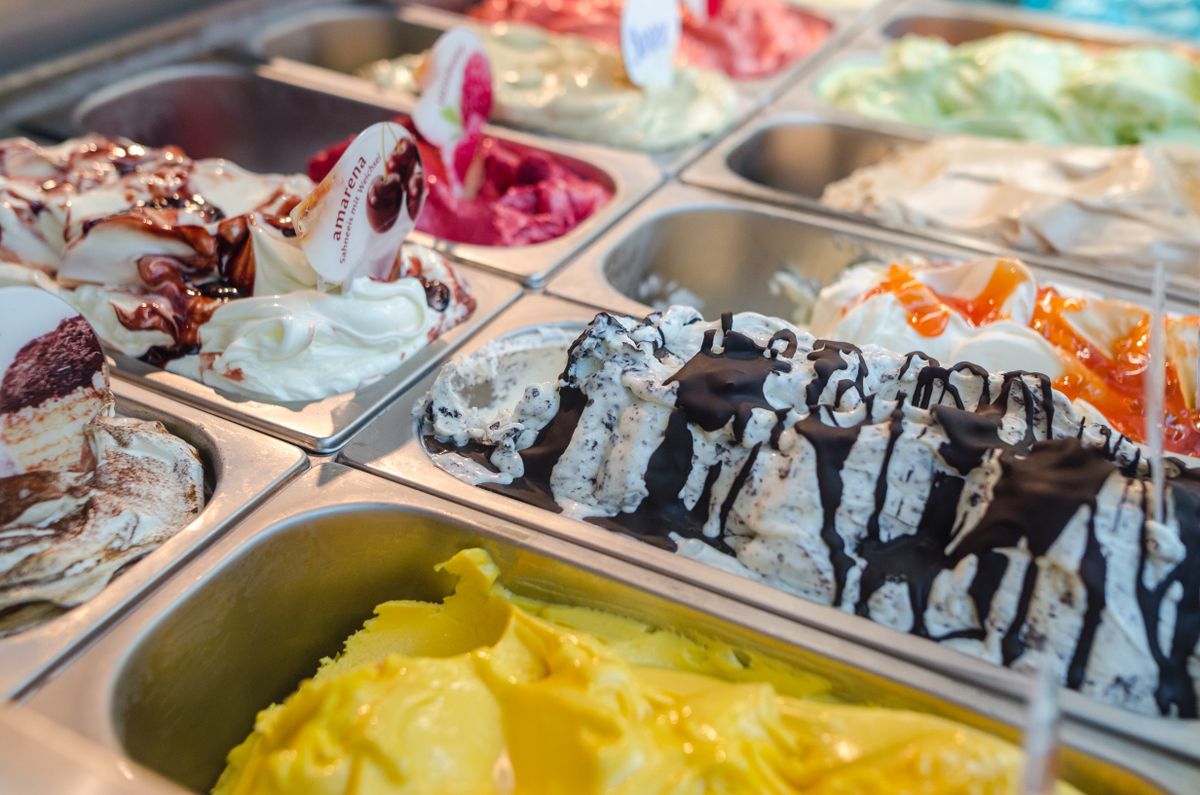
A silky, tangy‑sweet cottage cheese ice cream that delivers dessert‑shop flavor with a serious protein boost—no ice cream machine required.
- Prep time:
- Freeze time:
- Total time:
- Servings: 2
- Difficulty: Easy (great for beginners)
Ingredients
- 1 cup (225 g) cottage cheese, small‑curd, 2–4% milkfat
- 1 medium ripe banana (about 100 g), sliced and frozen
- 1/2 cup (75 g) frozen mixed berries or cherries
- 1–2 tablespoons honey, maple syrup, or preferred sweetener, to taste
- 1 teaspoon pure vanilla extract
- Pinch of fine sea salt
- Optional: 1 scoop (20–30 g) vanilla or unflavored protein powder for extra protein
- Optional toppings: fresh berries, dark chocolate shavings, crushed nuts
Equipment
- High‑speed blender or food processor
- Rubber spatula
- Freezer‑safe container with lid (loaf pan, glass dish, or meal‑prep container)
- Spoon or ice cream scoop for serving
Instructions
- Blend the base.
Add the cottage cheese, frozen banana, frozen berries, sweetener, vanilla, salt, and optional protein powder to your blender or food processor.

Combine cottage cheese, frozen fruit, and flavorings in a blender or food processor. - Process until silky.
Blend on high, stopping to scrape down the sides as needed, until the mixture is completely smooth and creamy—about 1–2 minutes. It should look like soft‑serve.
- Taste and adjust.
Taste the mixture. Add a little more sweetener if you like, or a splash of milk if it’s too thick to blend smoothly. Pulse again to combine.
- Freeze to scoopable texture.
Transfer the mixture to a freezer‑safe container and spread it into an even layer. Cover and freeze for 60–90 minutes, until firm around the edges but still scoopable in the center.
Freeze just long enough for the mixture to firm up into a scoopable, creamy ice cream. - Serve and garnish.
Scoop into bowls. Top with fresh berries, a sprinkle of dark chocolate, or crushed nuts for texture. Enjoy immediately for the best, creamiest texture.
Notes, Swaps & Dietary Adaptations
- Higher protein: Add the optional scoop of protein powder and use a higher‑protein cottage cheese or skyr‑style cottage cheese if available.
- Lower sugar: Swap honey or maple for a small amount of your preferred low‑calorie sweetener and rely more on ripe banana for natural sweetness.
- Lactose‑sensitive: Use a lactose‑free cottage cheese or a thick lactose‑free yogurt; the texture will be slightly different but still creamy.
- Vegan‑style alternative: While classic cottage cheese is dairy‑based, you can mimic the concept by using a very thick plant yogurt plus a scoop of plant protein and a pinch of salt for body and flavor.
Storage & Softening Tips
High‑protein ice creams tend to freeze harder than traditional versions because they often contain less sugar and fat.
- In the freezer: Store in an airtight container for up to 3–4 days.
- Before serving: Let the container sit at room temperature for 10–15 minutes, or microwave in short 5–10 second bursts, until scoopable.
- Texture refresh: If it becomes icy, blend briefly with a splash of milk and refreeze for 20–30 minutes.
How to Build a Protein‑Forward Meal Around These Foods
Protein‑fortified treats shine brightest when they’re part of a balanced day of eating, not the entire story. You can create satisfying, high‑protein meals by pairing them with colorful produce, whole grains, and healthy fats.
- Breakfast: Start with a bowl of high‑protein cereal or granola over Greek yogurt, then add fruit and a spoonful of nut butter for long‑lasting energy.
- Lunch: Wrap lean chicken, tofu, or beans in a high‑protein tortilla with crunchy vegetables and a creamy yogurt‑based sauce.
- Dinner: Serve chickpea or lentil pasta with a cottage cheese‑enriched tomato sauce and a side salad dressed with olive oil and lemon.
- Dessert or snack: Enjoy a scoop of cottage cheese ice cream or a slice of high‑protein baked oats with berries and a drizzle of nut butter.
However you join the protein‑fortified trend—whether with cottage cheese ice cream, high‑protein cereal, or macro‑friendly brownies—the most important piece is that your food still feels joyful and satisfying. Think of protein as a supportive co‑star, not the entire script.
