
Ozempic, Wegovy & the ‘Skinny Jab’ Era: How GLP‑1 Weight‑Loss Drugs Are Rewriting Diet Culture
Ozempic, Wegovy & the Rise of ‘Skinny Jab’ Diet Culture
GLP‑1 weight‑loss drugs like Ozempic, Wegovy, and Mounjaro/Zepbound are reshaping diet culture, celebrity body standards, and everyday weight‑loss conversations. Over just a couple of years, weekly injections—rather than meal plans or workout DVDs—have become the new “celebrity diet,” changing how people eat, how they talk about their bodies, and how we understand health.
At the same time, many people on these medications are rediscovering food in a quieter, more intentional way: smaller portions, gentler hunger cues, and a need for every bite to really count—nutritionally and emotionally. This guide brings together the latest nutrition thinking, cultural context, and practical, food‑first advice so you can navigate the GLP‑1 era with more clarity and more compassion—for yourself and for others.
Why Ozempic and Wegovy Are Everywhere Right Now
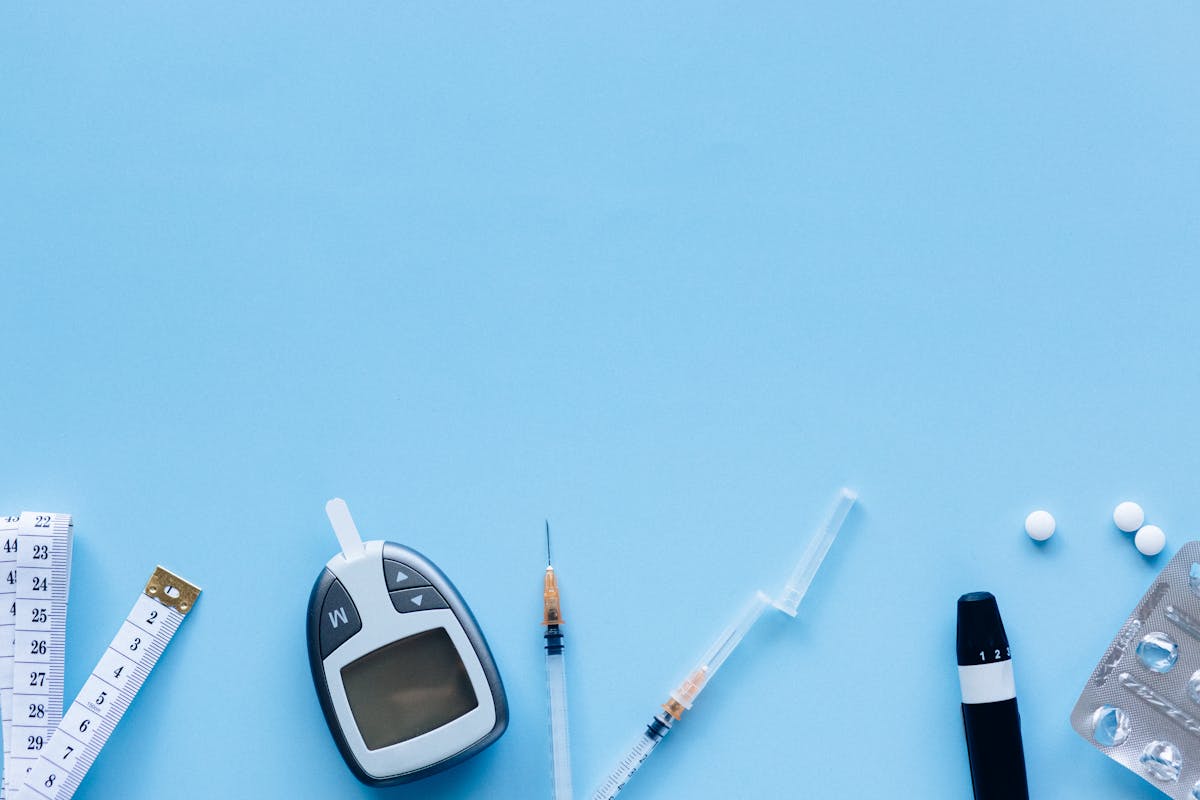
Over the past 18–24 months, GLP‑1 receptor agonist drugs have moved from specialist diabetes clinics into mainstream pop culture. Originally designed to help manage type 2 diabetes, higher‑dose versions like Wegovy and tirzepatide‑based medications like Zepbound are now prescribed for obesity and are widely discussed—sometimes glamorized—as “skinny jabs.”
In simple terms, these injections mimic gut hormones that help regulate blood sugar and appetite. People often feel full faster, think about food less, and may see dramatic changes on the scale. That combination—visible transformation plus a fairly simple routine—has made them a lightning rod in diet culture conversations.
- Celebrity & influencer buzz: High‑profile figures have publicly credited GLP‑1s for weight changes, feeding a new category of “injection‑based diets.”
- Striking before‑and‑after photos: Social feeds are crowded with rapid transformations, creating an illusion of “effortless” weight loss.
- Content explosion: “What I eat on Ozempic,” “Ozempic face,” and “Life after Wegovy” videos mix personal stories with partial science.
- Ethical debates: Shortages for diabetics, high costs, side effects, and the cultural impact on body image are all under scrutiny.
“GLP‑1 drugs aren’t just changing bodies; they’re changing the stories we tell about what it means to lose weight—and what we’re willing to do to get there.”
How GLP‑1 Weight‑Loss Drugs Work (In Food Language)
Think of GLP‑1 medications as turning down the volume knob on hunger. They slow how quickly food leaves your stomach and amplify natural fullness signals your gut sends to your brain. For many people, this means:
- Smaller portions feel surprisingly satisfying.
- Cravings, especially for ultra‑processed “trigger” foods, lose some of their grip.
- Meals become less frequent—sometimes just one or two per day.
On a plate, that might look like half a piece of salmon with a modest scoop of quinoa and a handful of roasted vegetables—and feeling completely, almost unexpectedly, full.

From Keto and Cleanses to Injections: Diet Culture’s New Chapter
Not long ago, trending diets were all about what was on your plate: low‑carb, keto, celery juice, detox tea. Now, the spotlight has shifted to what’s in the syringe. Weight‑loss programs increasingly market themselves as “GLP‑1 compatible,” offering meal plans built around reduced appetite and smaller servings.
The cultural message can be confusing: are we celebrating medical advances that finally help people with stubborn, health‑harming obesity—or sliding deeper into an “anything for thinness” mindset? Often, it’s both at once.
- Pros: Powerful tool for people with obesity and metabolic disease; can improve blood sugar, blood pressure, and sleep apnea risk.
- Cons: May intensify body stigma, widen access inequalities, and tempt some to skip nutrition and movement entirely.

You can acknowledge that GLP‑1s are truly helpful for many people and still question a culture that equates shrinking bodies with automatic success.
Eating Well on Ozempic or Wegovy: Key Nutrition Priorities
When your appetite drops, every bite becomes precious real estate. The goal isn’t to eat as little as possible—it’s to make sure the smaller amount you do eat works as hard as it can for your health.
1. Protecting Muscle: Protein Comes First
Rapid weight loss can strip away muscle mass, not just fat. To protect strength and metabolism, many dietitians now recommend aiming for roughly 1.6–2.2 g of protein per kilogram of ideal body weight daily, spread across meals.
- Great options: eggs, Greek yogurt or skyr, cottage cheese, tofu, tempeh, lentils, beans, fish, chicken, lean meats, and protein‑fortified plant milks.
- Texture tip: If you feel queasy, softer proteins like yogurt, hummus, scrambled eggs, or silken tofu may be easier to tolerate.
2. Fiber‑Rich Carbs for Gut & Blood Sugar
GLP‑1s already help manage blood sugar, but fiber‑dense carbohydrates add another layer of support while keeping digestion moving in the face of constipation‑prone side effects.
- Whole grains (oats, quinoa, brown rice, barley)
- Beans, lentils, chickpeas
- Fruits (berries, apples, pears with skin, oranges)
- Vegetables, especially leafy greens and crucifers like broccoli and cauliflower
3. Gentle Fats for Satiety & Hormones
You still need healthy fats for hormones, brain health, and flavor—even in smaller portions. Focus on:
- Olive oil, avocado, nuts, seeds
- Fatty fish like salmon, trout, sardines
- Nut butters in smoothies or on whole‑grain toast
4. Hydration & Electrolytes
With nausea and low appetite, it’s easy to underdrink. Aim for steady sips of water, herbal teas, broths, or diluted electrolyte drinks across the day.
Risks, Side Effects & Red Flags to Watch For
Like any powerful medication, GLP‑1s come with trade‑offs. Knowing the risks helps you make more informed choices with your care team.
Common Concerns
- Nausea & GI upset: Particularly during dose increases; often eased by smaller, slower, and blander meals.
- Constipation: Reduced food volume plus slower gut motility can stall digestion; fiber, fluids, and movement are key.
- Muscle loss: Especially with very low calorie intake and no resistance exercise.
- Micronutrient gaps: Fewer bites can mean fewer vitamins and minerals if food quality is low.
Serious & Long‑Term Questions
Large clinical trials have provided substantial safety data, but long‑term use—especially in lower‑risk populations or via non‑prescribed sources—still raises questions. Some people experience significant weight regain after stopping, especially if lifestyle changes haven’t had a chance to stick.
Body Image, Stigma & Life After the “Skinny Jab” Hype
GLP‑1s sit at the intersection of medicine and beauty culture. For some, they’re a relief after years of dieting. For others, constant Ozempic chatter can be triggering, especially for anyone recovering from disordered eating or navigating body acceptance.
- Thinness may be further normalized as a default “success story.”
- People in larger bodies can feel pressured to explain why they are or aren’t on medication.
- Those who regain weight after stopping can feel deep shame, even when it’s a predictable biological response.
Compassionate conversations matter here: celebrating improved health markers, energy, and mental well‑being—not just shrinking silhouettes.
Practical Food Strategies for People on GLP‑1 Medications
Whether you’re already using a GLP‑1 medication or just curious how people eat on them, these gentle, realistic strategies can help protect health while honoring your new appetite patterns.
1. Light, Protein‑Forward Breakfast Ideas
- Greek yogurt or skyr with berries and a sprinkle of nuts or seeds
- Soft scrambled eggs with spinach and a slice of whole‑grain toast
- Smoothie with protein powder, frozen berries, spinach, and fortified plant milk
- Cottage cheese with cucumber, tomato, olive oil, and herbs
2. Small, Balanced Plates for Lunch & Dinner
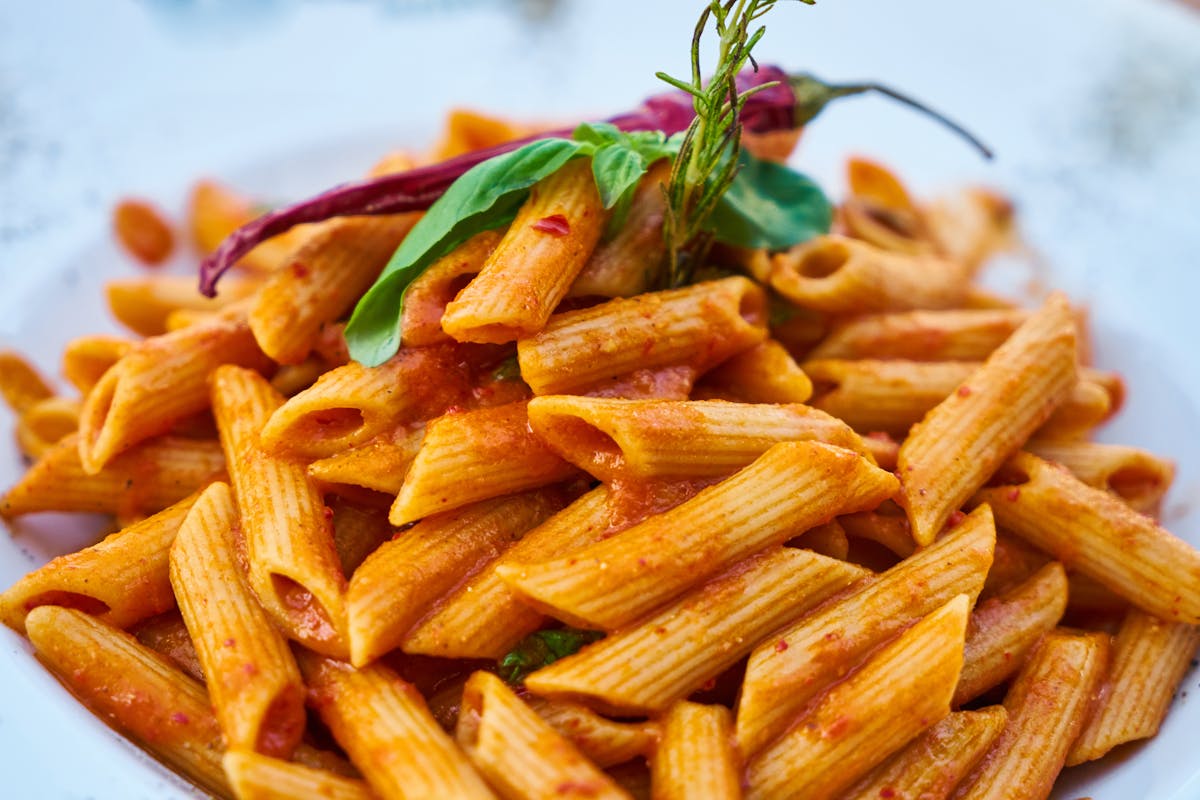
Aim for flavor‑packed but not overwhelming dishes: think grilled chicken over lentils and greens, baked tofu with stir‑fried vegetables, or a piece of fish with roasted root vegetables and a herb yogurt sauce.
3. Gentle Snacking When Appetite Is Low
If full meals are hard, think of snacks as “mini meals” that are easy on the stomach but rich in nutrients:
- Half a sandwich with turkey and avocado on whole‑grain bread
- Hummus with sliced peppers, carrots, or whole‑grain crackers
- Fruit plus a small handful of nuts
- Soup based on beans or lentils with added veggies
“Life After Ozempic”: Maintaining Progress Sustainably
One of the hardest truths about GLP‑1 medications is that their benefits tend to fade when you stop taking them. Appetite may bounce back, old cravings can resurface, and weight often creeps up without continued support.
That doesn’t mean the journey was a failure. It means biology is powerful—and that the habits you practice while on medication are just as important as the prescription itself.
- Movement: Strength training 2–3 times per week and daily walking to preserve muscle and support mood.
- Meal rhythm: Aim for a loose, predictable pattern of meals and snacks rather than grazing whenever hunger spikes.
- Environment: Stock your kitchen with protein‑rich, minimally processed options to make the “right” choice the easy one.
- Support: Consider checking in with a registered dietitian, therapist, or support group, especially around transitions in medication.

Key Takeaways: Navigating the GLP‑1 Era With Care
GLP‑1 drugs like Ozempic, Wegovy, and Mounjaro/Zepbound are one of the most disruptive forces in nutrition and weight‑management right now. They can be life‑changing tools for people with obesity and metabolic disease—but they’re not magic, and they shouldn’t replace food, movement, or self‑compassion.
- Use them only under proper medical supervision—never from unverified sources.
- Prioritize protein, fiber, healthy fats, and hydration to protect muscle and nutrient status.
- Be mindful of body image pressures and avoid equating thinness with worth.
- Practice sustainable habits while on medication to support long‑term maintenance.
However you feel about the “skinny jab” trend, remember: health is deeply personal, food is more than fuel, and your body deserves respect at every stage of the journey.
