
Ozempic, Wegovy & the ‘Skinny Jab’ Era: How GLP‑1 Drugs Are Rewriting Dieting and Nutrition
Ozempic, Wegovy & ‘Skinny Jab’ Culture: How GLP‑1 Drugs Are Rewriting Dieting
Prescription GLP‑1 weight‑loss drugs like Ozempic, Wegovy, Mounjaro and Zepbound are reshaping the way we talk about dieting, obesity and body image. Instead of yet another fad cleanse or crash diet, these medications bring clinical science into the center of the weight‑loss conversation—while social media, celebrity rumors and “Ozempic body” discourse swirl around them.
At the same time, food and nutrition are being reimagined: how do you nourish yourself when your appetite plummets, meals suddenly feel heavy, and the goal is long‑term metabolic health, not just a smaller dress size? This guide walks through what GLP‑1 drugs are, how they work, and how to eat in a way that’s both satisfying and safe if you’re on (or considering) these medications—without diet culture guilt.
Quick Overview: GLP‑1 Drugs & Modern Diet Culture
GLP‑1 receptor agonists like semaglutide (Ozempic, Wegovy) and tirzepatide (Mounjaro, Zepbound) are among the most disruptive forces in weight‑management history. Originally developed for type 2 diabetes, they’re now widely prescribed for obesity and—controversially—sometimes used off‑label for cosmetic weight loss.
- Medical shift: From “eat less, move more” blame to pharmacological treatment of a chronic disease.
- Culture shift: Celebrity “Ozempic body” rumors, TikTok injection diaries, and a new wave of “GLP‑1 meal prep” content.
- Nutrition shift: Focus on protein, nutrient density, and preserving muscle while appetite drops.
- Ethical tension: Concerns about access, long‑term safety, weight stigma, and drug shortages for people with diabetes.
While these medications can be life‑changing for many, they’re not magic wands. What and how you eat still matters—for your energy, your muscles, your gut, and your relationship with food.
What Are GLP‑1 Drugs Like Ozempic and Wegovy?
GLP‑1 stands for glucagon‑like peptide‑1, a hormone your body naturally makes after you eat. It helps:
- Slow how quickly food leaves your stomach.
- Signal your pancreas to release insulin.
- Tell your brain, “I’ve had enough.”
Medications such as Ozempic and Wegovy (semaglutide), and Mounjaro and Zepbound (tirzepatide), mimic or enhance this hormone. Many people experience:
- Marked appetite reduction—meals feel filling much sooner.
- Less snacking and fewer cravings, especially for high‑sugar foods.
- Slower gastric emptying, which can help blood sugar but may cause nausea or reflux.
The result is often rapid, substantial weight loss that far exceeds most diet‑only attempts. But it can also mean you forget to eat, skip protein, or rely on ultra‑processed “easy” foods because you’re simply not hungry. That’s where a thoughtful GLP‑1 eating strategy comes in.

The Rise of ‘Ozempic Body’ & Skinny Jab Culture
In 2026, GLP‑1 medications sit at the crossroads of medicine, celebrity, and the algorithm. You’ll find:
- Celebrity speculation: Drastic red‑carpet transformations spark rumors of “Ozempic bodies.”
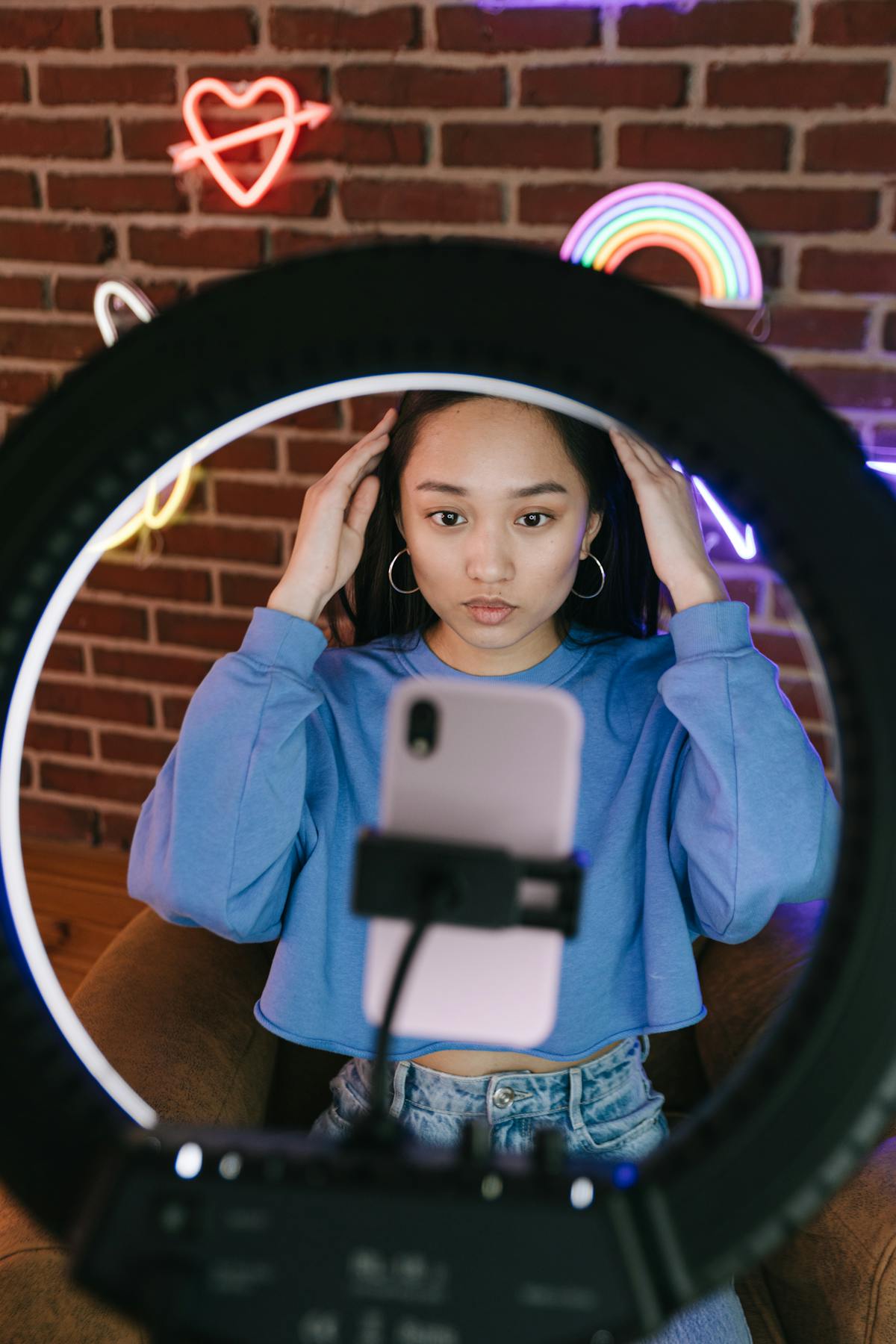
- Social media storytelling: TikTok and YouTube creators share weekly weigh‑ins, side‑effect diaries, and “what I eat on Wegovy” vlogs.
- New search trends: Phrases like “Ozempic diet,” “GLP‑1 friendly recipes,” and “Ozempic meal prep” surge.
This visibility can be empowering—many people finally see obesity treated as a medical condition rather than a moral failure. But it also brings pressure: a new “ideal” thinness, judgment for those who don’t use medication, and stigma for those who do.
Food isn’t just fuel in this conversation; it’s identity, pleasure, culture, and sometimes, a public performance.
Anchoring yourself in sustainable, enjoyable eating—rather than chasing an “Ozempic body”—is one of the healthiest choices you can make, with or without these drugs.
Eating on GLP‑1s: From Dieting to Nourishing
When Ozempic or Wegovy blunts your hunger, it’s easy to under‑eat—especially protein and plants. Over time, that can mean muscle loss, fatigue, hair changes, and micronutrient gaps. A GLP‑1‑friendly way of eating focuses less on restriction and more on making every bite count.
Dietitians are increasingly recommending:
- Protein first: Aim for about 1.6–2.2 g of protein per kg of body weight per day (or as advised by your clinician).
- Nutrient density: Build meals around eggs, Greek yogurt, cottage cheese, legumes, tofu, fatty fish, nuts, berries, and leafy greens.
- Smaller, slower meals: Eat mindfully, chew thoroughly, and pause between bites to ease nausea and reflux.
- Gentle fiber & fluids: Stay hydrated and include fiber from oats, beans, fruit, and veggies to help prevent constipation.
Instead of a traditional “diet,” think of this as building a compact, high‑quality menu for your day. You may be eating less volume, but each meal can still be deeply satisfying—creamy textures, pops of acidity, fresh herbs, and comforting warmth all make it easier to truly enjoy food again.
Managing Common GLP‑1 Side Effects With Food
Many people on GLP‑1 medications report nausea, constipation, bloating, or reflux—especially as doses increase. Food timing and texture can make a big difference.
- Nausea:
- Favor bland to mild foods early in the day (e.g., oats, bananas, plain yogurt, simple eggs).
- Try cool or room‑temperature meals if hot dishes are off‑putting.
- Avoid very greasy or fried foods, which can linger in the stomach.
- Constipation:
- Increase fluid intake gradually; sip water or herbal tea throughout the day.
- Include fiber‑rich foods like beans, berries, chia seeds, and whole grains.
- Consider spreading fiber across meals rather than loading it into one big salad.
- Reflux or fullness:
- Eat smaller, more frequent meals rather than two or three large ones.
- Stay upright for 30–60 minutes after eating.
- Limit large, late‑night meals and very fizzy drinks.

Why Protein & Resistance Training Matter on GLP‑1s
When weight comes off quickly, your body doesn’t just lose fat—it can lose muscle too. On GLP‑1s, where appetite is muted, this risk is even higher. Protecting your lean mass is one of the best gifts you can give your future self: it supports strength, mobility, bone health, and a more resilient metabolism.
Two pillars stand out:
- Protein intake: Spreading protein across meals (for example, 20–30 g per meal if tolerated) stimulates muscle maintenance more effectively than one big protein bomb at dinner.
- Resistance training: Even 2–3 sessions per week of body‑weight exercises, bands, or light weights helps your body “decide” to keep muscle while you’re losing weight.
Think of it this way: the medication nudges your appetite; your food choices and movement protect the strong, capable body underneath.

Ethics, Access & Body Image in the GLP‑1 Era
GLP‑1 drugs are more than a medical tool; they’re a mirror held up to our culture’s deepest beliefs about bodies, worth, and health. The conversation is intense because it touches so many sensitive areas at once.
- Breakthrough for many: For people with obesity who have tried countless diets, these medications can mean better blood sugar, lower blood pressure, more mobility, and renewed hope.
- Concerns about off‑label cosmetic use: There’s justified worry that relatively lean people using GLP‑1s for aesthetics may worsen shortages and deepen pressures on body image.
- Long‑term unknowns: Data are emerging, but questions remain about lifelong use, cost, and what happens if medications are stopped (including weight regain).
- Stigma in both directions: People who use medication can be judged as “cheating,” while those who don’t may feel left behind in a new thinness arms race.
A compassionate approach recognizes obesity as a complex, chronic condition, respects personal medical decisions, and rejects the idea that thinner automatically means “better” or “healthier.” Whatever path you choose, your worth is not defined by a number on the scale or by whether you’re on a GLP‑1.
How Diet, Tech & Wellness Industries Are Responding
The ripple effects of Ozempic and Wegovy extend far beyond the pharmacy counter. Across the wellness landscape, everyone is adapting:
- Nutrition & coaching apps: Some now offer GLP‑1‑specific guidance, tracking protein, mood, and side effects along with weight.
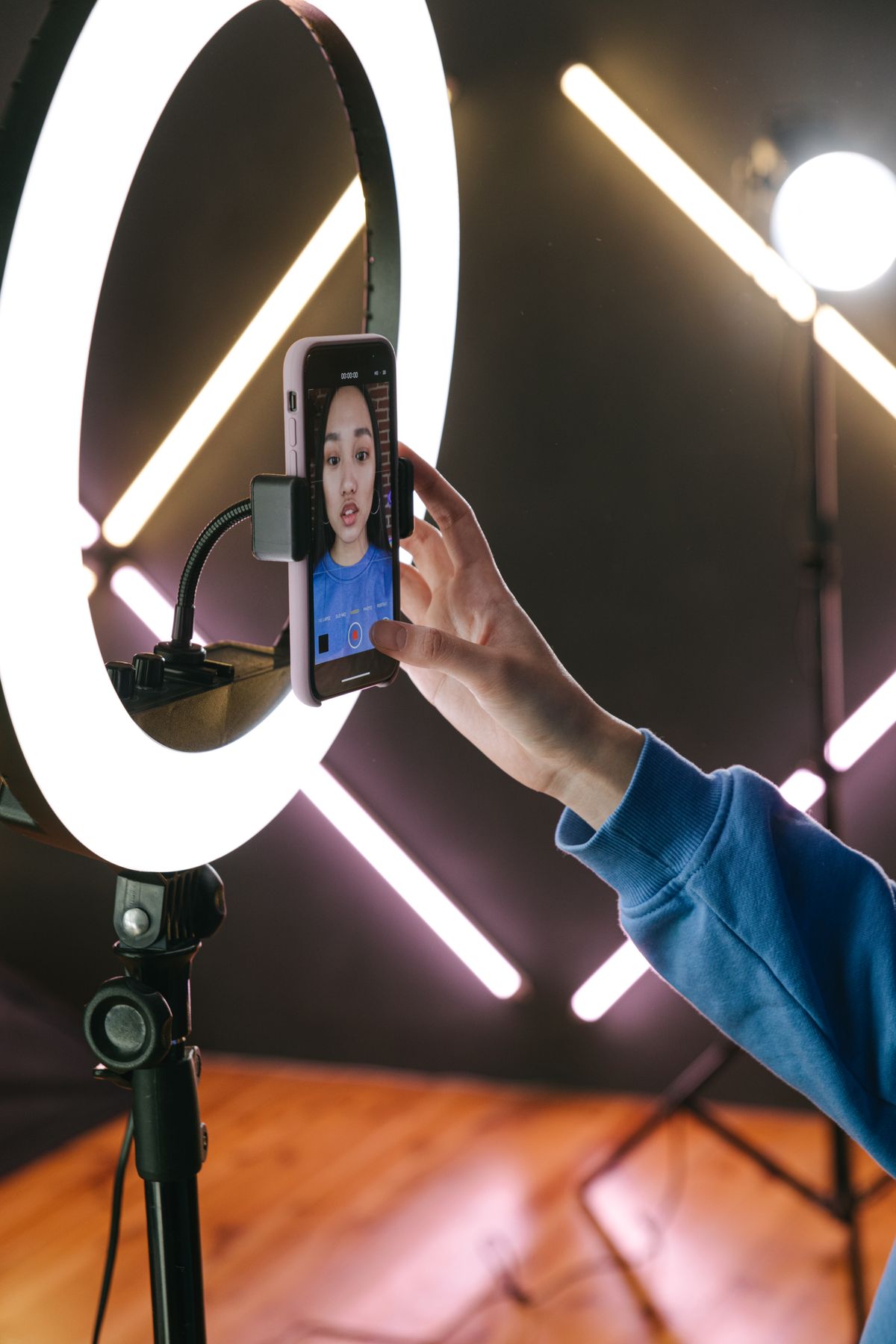
- Content creators: “Ozempic meal prep,” “GLP‑1 grocery haul,” and “how I hit my protein on Wegovy” videos are increasingly common.
- Supplement brands: Many market products claiming to “naturally support GLP‑1” or mimic appetite suppression—often with limited evidence.
- Clinical programs: Some medical weight‑loss clinics bundle prescriptions with dietitian care, movement coaching, and behavioral support.
Amid the noise, the most grounded advice remains refreshingly simple: focus on high‑quality food, adequate protein, joyful movement, mental health, and ongoing medical supervision.
Where GLP‑1s Are Taking the Future of Dieting
By 2026, GLP‑1 drugs have helped shift the narrative from “if you just tried harder, you’d lose weight” toward a more realistic understanding of biology and chronic disease. We’re seeing:
- Less crash‑dieting, more medical supervision: People are turning to clinicians, not detox teas, for weight management.
- More protein‑ and strength‑focused plans: Protecting muscle and metabolic health is becoming mainstream advice.
- Richer discussions about mental health and food: How we feel around eating—guilt, fear, enjoyment—is increasingly part of the picture.
And yet, the cultural obsession with thinness hasn’t vanished; it has simply found new tools. Keeping your own goals centered on health, comfort, function, and joy—rather than matching a trending “Ozempic body”—can help you navigate this new era with more peace.
Whether you’re on a GLP‑1 medication, considering one, or simply curious, you deserve evidence‑based information, respectful care, and a way of eating that leaves you feeling nourished, not punished. One thoughtful meal, one supportive conversation, one kind thought toward your body at a time—that’s where real change lives.
