
Ozempic, Wegovy & the GLP‑1 Diet: How Weight‑Loss Drugs Are Changing the Way We Eat
Updated: April 7, 2026
Guide for people using GLP‑1 medications like Ozempic, Wegovy, Mounjaro, and Zepbound
Ozempic, Wegovy and other GLP‑1 weight‑loss medications have quietly rewritten the rules of dieting. When your appetite suddenly shrinks, cravings fade and you feel full after a few bites, every meal starts to feel different—sometimes liberating, sometimes confusing, and often both at once. This article unpacks the rise of the so‑called “GLP‑1 diet,” what’s actually happening in your body, and how to nourish yourself well while these drugs are in the spotlight.
What Are GLP‑1 Drugs Like Ozempic and Wegovy?
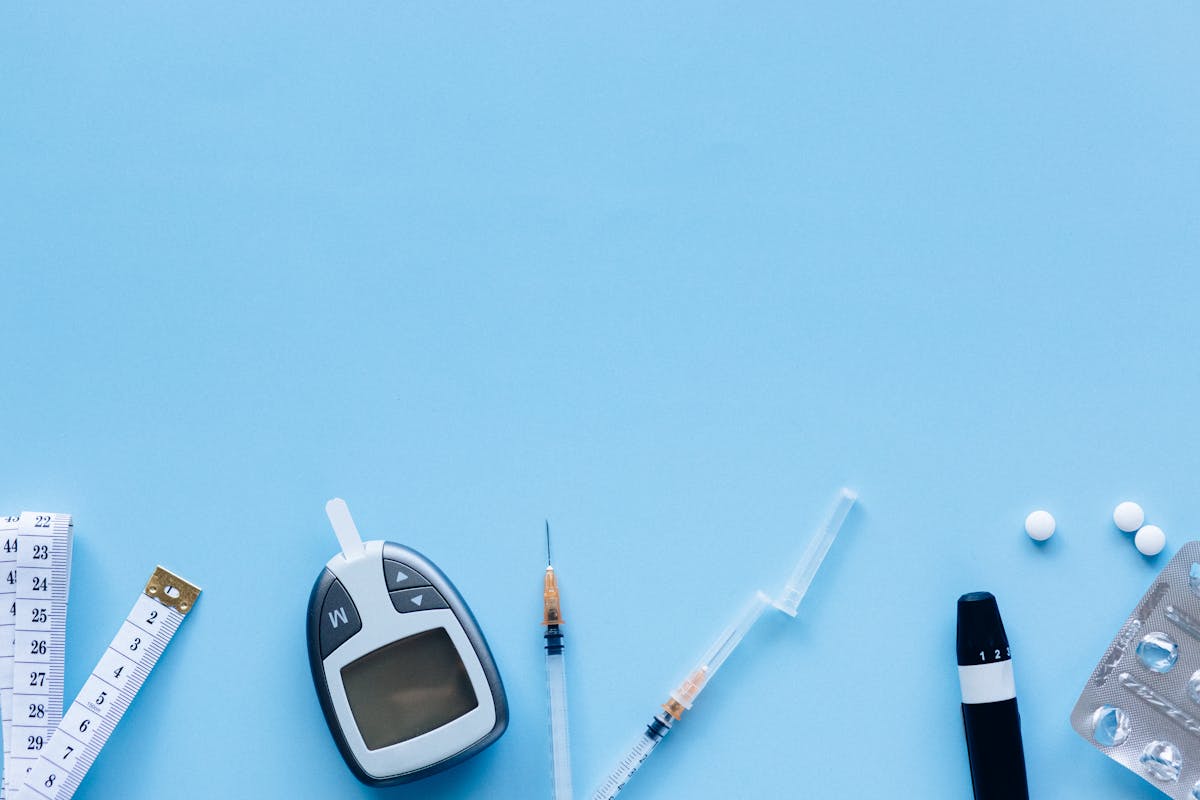
GLP‑1 agonist medications—including semaglutide (Ozempic, Wegovy) and tirzepatide (Mounjaro, Zepbound)—were originally developed for type 2 diabetes. They work by mimicking or enhancing the hormone GLP‑1 (glucagon‑like peptide‑1), which helps regulate blood sugar and appetite.
In everyday terms, GLP‑1 drugs:
- Slow gastric emptying – food leaves your stomach more slowly, so you feel full longer.
- Improve blood sugar control – by enhancing insulin response after meals.
- Reduce appetite and cravings – many people naturally eat less without trying.
On social media, you’ll see them mentioned alongside celebrities, founders, and influencers. Behind the hype is a very real shift: people on GLP‑1s often report that food simply doesn’t “call” to them the way it used to, and that can be both a relief and a challenge.
What People Mean by the “Ozempic Diet” or “GLP‑1 Diet”
There is no official Ozempic diet. Instead, the phrase describes the way people’s eating patterns change while they’re on GLP‑1 medications. Common experiences shared online and in clinics include:
- Feeling full after just a few bites.
- Suddenly losing interest in ultra‑processed snacks or sweets.
- Drinking less alcohol, or finding it less appealing.
- Occasionally forgetting to eat for long stretches.
For some, this feels like a long‑awaited quieting of food noise. For others, it can feel disorienting: if you’re barely hungry, what should you actually eat? How do you make sure those smaller meals are still nourishing your body?
“Before my GLP‑1 injection, I could polish off a burger and fries and still want dessert. Two months in, I’m pushing away half my plate and realizing I haven’t thought about snacks all afternoon.”
Why What You Eat on GLP‑1s Matters So Much
Because these medications blunt appetite, weight loss can be both rapid and substantial. That sounds positive, but without a bit of strategy, much of that lost weight can come from muscle, not just fat. In addition, slower digestion can lead to nausea or constipation if meals are heavy on fat but light on fiber.
That’s why dietitians, physicians, and fitness professionals are beginning to tailor guidance specifically for GLP‑1 users—almost like a nutrition “operating manual” for your new appetite.

1. Protein Prioritization: Protecting Muscle While Losing Weight
With appetite dialed down, it’s surprisingly easy to under‑eat protein. Over time, that can accelerate muscle loss, slow your metabolism, and leave you feeling weaker. Many experts now suggest that people on GLP‑1 medications aim for around:
1.2–1.6 grams of protein per kilogram of body weight per day (as medically appropriate).
Rather than a huge steak in one sitting (which may be uncomfortable), most people do better with smaller, protein‑rich “anchor” meals spaced through the day.
- Animal protein ideas: grilled chicken or turkey, fish, Greek yogurt, cottage cheese, eggs, shrimp, lean beef.
- Plant‑based protein ideas: tofu, tempeh, edamame, lentils, chickpeas, black beans, high‑protein soy or pea‑based alternatives.
- Convenient options: ready‑to‑drink protein shakes, whey or plant‑based protein powders blended into smoothies, high‑protein yogurts.
2. Fiber‑Rich Whole Foods: Supporting Digestion on Slower Stomachs
GLP‑1 drugs already slow your stomach’s emptying. When you stack that with low‑fiber, high‑fat meals (think fast food, heavy fried dishes, creamy sauces), nausea, reflux, or constipation can intensify.
Dietitians are increasingly steering GLP‑1 users toward fiber‑rich whole foods that support gut health, but in gentle portions:
- Non‑starchy vegetables: leafy greens, cucumbers, bell peppers, zucchini, carrots, tomatoes.
- Fruits: berries, kiwi, oranges, pears, apples (peeled if you’re sensitive).
- Legumes: lentils, chickpeas, beans (in modest, well‑chewed portions).
- Whole grains: oats, quinoa, brown rice, barley, whole‑grain toast.
Texture matters too. Lightly cooked vegetables, soups, and stews may go down more comfortably than big raw salads early in your GLP‑1 journey.
3. Resistance Training: Holding Onto Strength as the Scale Drops
Weight loss from GLP‑1 medications can be dramatic. Without strength training, a significant share of that loss may come from lean mass—muscle that keeps you strong, functional, and metabolically healthy.
Fitness creators on YouTube, TikTok, and Instagram are now publishing “Ozempic workout” routines built around:
- 2–4 days per week of resistance training.
- Simple moves: squats, deadlifts, rows, presses, planks, band work.
- Short, manageable sessions to match lower energy or early side effects.
You don’t need a gym membership to benefit—resistance bands, body‑weight moves, and light dumbbells at home can be powerful allies in preserving muscle and shaping your new body composition.
4. Micronutrient Density: When Every Bite Has to Count
When you’re eating less frequently and in smaller amounts, each bite becomes more precious. Many clinicians now talk with GLP‑1 users about micronutrient density—packing vitamins, minerals, healthy fats, and antioxidants into smaller, satisfying meals.
Practical ways to do this include:
- Fatty fish (like salmon, sardines, mackerel) once or twice a week for omega‑3 fatty acids.
- Eggs and fortified foods for B12, choline, and fat‑soluble vitamins.
- Nuts and seeds (almonds, walnuts, chia, flax, pumpkin seeds) for magnesium and healthy fats.
- Colorful produce for antioxidants and polyphenols—think berries, red cabbage, bell peppers, dark leafy greens.

5. Long‑Term Strategy: Building Habits That Outlast the Prescription
Research and real‑world experience show that many people regain weight after stopping GLP‑1 medications, especially if they go back to old habits with no structure in place. That’s why more clinicians now frame these drugs as a window of opportunity to build sustainable routines while food noise is quieter.
Core habits often recommended during GLP‑1 therapy include:
- Gentle meal structure—even if you’re not hungry, regular anchors (for example, breakfast, light lunch, small dinner) help you hit protein and nutrient goals.
- Consistent protein and fiber targets rather than strict calorie counting.
- Regular movement and resistance training for strength and metabolic health.
- Sleep hygiene and stress management, which affect appetite and weight regulation.
The goal is to step off the medication—whenever and whether that’s medically appropriate—with skills, recipes, and routines that feel familiar, not foreign.
Social Media, Body Image, and the Ethics Conversation
The rise of GLP‑1 drugs hasn’t just changed plates; it’s reshaping how we talk about bodies and weight. On TikTok, Instagram, and forums, people debate:
- Fairness and access – the high cost of these medications and insurance hurdles.
- Celebrity use – when public figures use GLP‑1s for aesthetics, does it distort beauty standards?
- Side effects – from nausea and digestive issues to reports of hair shedding or emotional blunting around food.
Some users describe GLP‑1s as life‑changing, giving them control over hunger for the first time. Others feel uneasy about relying on a weekly injection to manage their weight, especially in a culture that already puts immense pressure on appearance.
“We need room in the conversation for both truths: GLP‑1s can be a powerful medical tool and we still have to challenge shame‑based diet culture.”
Practical Eating Tips for Life on a GLP‑1 Medication
Alongside clinical advice, a new wave of content focuses on practical, day‑to‑day strategies: high‑protein, low‑volume meals; gentle smoothies for queasy days; and ways to keep social eating joyful with a smaller appetite.
- Think “protein + produce” first, then add a small portion of whole‑grain carbs or healthy fats.
- Use smaller plates so modest portions still look visually satisfying.
- Eat slowly and pause often—your fullness cues arrive earlier now.
- Plan social meals around shareable plates or appetizers instead of huge entrees.
- Stay hydrated, especially if you’re experiencing constipation.
Looking Ahead: The Future of the GLP‑1 Diet Conversation
As more people start GLP‑1 medications—and as new oral GLP‑1 options reach the market—the “Ozempic diet” conversation will likely stay central to weight‑loss, nutrition, and celebrity‑diet discourse. Expect to see:
- More GLP‑1‑specific meal plans focused on protein, fiber, and digestion‑friendly textures.
- Expanded online communities sharing recipes, side‑effect hacks, and workout ideas.
- Ongoing debates about ethics, access, body image, and long‑term safety.
Underneath all the headlines, though, the heart of the story is personal: learning how to feed yourself with care and curiosity in a body whose hunger signals have changed. With a little planning and plenty of compassion, GLP‑1 medications can be one tool—among many—to support your health, not the whole story.

