
Ozempic & Mounjaro: The ‘Hidden’ Side Effects GLP‑1 Users Are Talking About
If you’re using GLP‑1 weight loss drugs like Ozempic or Mounjaro—or thinking about it—you’ve probably heard about the “usual” side effects: nausea, vomiting, maybe some constipation. But newer research and thousands of real‑world stories are revealing something more complex: people are reporting chills, hot flashes, mood shifts, and even irregular periods that often aren’t mentioned in the exam room.
A recent study that analyzed self‑reported experiences on Reddit highlighted several of these “hidden” side effects, especially among people using GLP‑1 medications for weight loss. While this type of data isn’t perfect science, it offers an important window into what many patients are actually feeling day‑to‑day.
In this guide, we’ll walk through what GLP‑1 drugs do, the lesser‑known side effects people are talking about, how strong the evidence is, and practical steps you can take to reduce risk and know when to call your doctor.
Why GLP‑1 Weight Loss Drugs Have More Side Effects Than You Might Expect
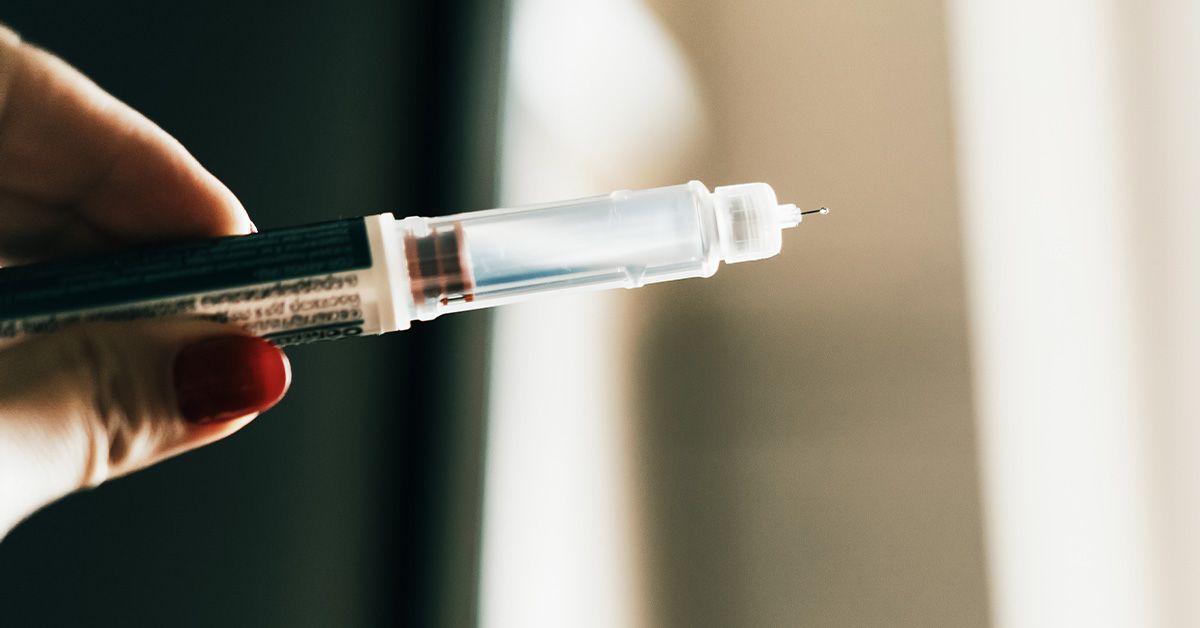
GLP‑1 receptor agonists—including Ozempic (semaglutide) and Mounjaro (tirzepatide, technically a dual GIP/GLP‑1 agonist)—were developed to treat type 2 diabetes, and later gained approval or off‑label use for weight management. They work by:
- Slowing how quickly food leaves your stomach
- Boosting insulin release when blood sugar is high
- Reducing appetite by acting on areas of the brain involved in hunger
Because these medications interact with the gut, pancreas, and brain, their effects ripple through multiple body systems. That’s why some side effects may appear far from the digestive tract—affecting temperature regulation, mood, sleep, and even menstrual cycles.
What the Latest Reddit‑Based Study Found About “Hidden” GLP‑1 Side Effects
A recent study published in 2026 analyzed thousands of posts from Reddit users taking GLP‑1 medications such as Ozempic and Mounjaro. Researchers searched for patterns in how people described their experiences, especially side effects not well-documented in clinical trials.
Among the lesser‑known concerns reported were:
- Chills and episodes of feeling unusually cold
- Hot flashes or sudden waves of heat and sweating
- Irregular menstrual cycles or changes in period flow
- Changes in mood, motivation, or emotional “flatness”
- Altered body temperature or intolerance to heat/cold
“Social media and online forums can’t replace clinical trials, but they can highlight real‑world experiences that may take years to show up in formal data. Ignoring these voices would mean missing early warning signs.”
It’s important to stress: Reddit posts are self‑reported, not medically verified. They don’t prove cause and effect. But when thousands of people describe similar patterns, it signals questions that researchers and clinicians should take seriously.
6 Commonly Reported “Hidden” Side Effects of GLP‑1 Drugs
Below are six side effects users frequently describe that may not always be emphasized during prescribing discussions. Not everyone will experience these, and for some people they’re temporary. Still, knowing what to watch for can help you respond early and appropriately.
1. Chills and Feeling Unusually Cold
Many users describe unpredictable chills—feeling cold “from the inside out,” often without a fever. This may be linked to:
- Rapid weight loss, which reduces insulating body fat
- Changes in metabolism and blood flow
- Subtle shifts in blood sugar, especially if you’re eating much less
If you notice new or persistent chills:
- Check your temperature to rule out infection.
- Monitor blood glucose if you have diabetes or a home meter.
- Discuss with your prescriber if chills are severe or ongoing.
2. Hot Flashes and Temperature Swings
Some people on Ozempic or Mounjaro describe sudden warmth, flushing, and sweating—similar to menopausal hot flashes. Possible contributors include:
- Changes in blood vessel tone as weight and hormones shift
- Fluctuating blood sugar levels
- Stress or anxiety about new physical sensations
3. Irregular Periods and Menstrual Changes
The Reddit study and other anecdotal reports mention changes in menstrual cycles after starting GLP‑1 medications, including:
- Lighter or heavier flow
- More irregular timing
- Temporary loss of periods (amenorrhea), especially with rapid weight loss
Rapid weight changes and shifts in insulin resistance can affect sex hormones like estrogen and progesterone, particularly in people with polycystic ovary syndrome (PCOS) or pre‑existing hormonal imbalances.
If your cycle changes significantly, especially if you’re not using reliable birth control, speak with your clinician. GLP‑1 drugs are not a contraceptive, and unplanned pregnancy is risky on these medications.
4. Mood Shifts and Emotional “Flatness”
Some users describe feeling emotionally numb, less motivated, or more anxious after starting a GLP‑1 drug. The research here is still emerging, but several factors might play a role:
- Changes in brain signaling related to appetite and reward
- Adjusting to a very different relationship with food
- Underlying anxiety or depression that becomes more noticeable
“I finally wasn’t thinking about food all the time—but I also wasn’t excited about anything else. It was like someone turned the volume down on my whole life,” reported one long‑term user in an online support group.
Any new or worsening depression, anxiety, or thoughts of self‑harm require prompt medical attention. Do not stop the medication abruptly without medical guidance, but do reach out quickly for support.
5. Sleep Disruption and Strange Dreams
While not as widely reported as nausea, some people on GLP‑1 medications describe:
- Difficulty falling or staying asleep
- Vivid, sometimes unsettling dreams
- Night sweats tied to hot flashes or temperature swings
Poor sleep can worsen other side effects—like fatigue, food cravings, and mood changes—so it’s worth bringing up with your doctor, even if it feels “minor.”
6. “Silent” Digestive Slowdown
Most people know that GLP‑1 drugs slow stomach emptying. But in some cases, this can go beyond “normal” and progress toward a more serious slowdown, sometimes resembling gastroparesis. Warning signs include:
- Feeling full after just a few bites, even hours after a meal
- Persistent bloating or abdominal discomfort
- Vomiting food eaten many hours earlier
This is one area where real‑world reports pushed researchers to look more closely. If you notice these symptoms, contact your healthcare provider—dose reduction or stopping the medication may be necessary.
Why These Side Effects Don’t Always Show Up in the Pamphlet
You might wonder: if so many people are talking about these problems online, why aren’t they front and center in official medication guides?
- Clinical trials have strict rules. They often exclude people with complex health issues or those taking multiple medications, which doesn’t reflect real‑world use.
- Trials are time‑limited. Some side effects only appear after months or years of use, or after large amounts of weight loss.
- Participants may under‑report. Mild or “embarrassing” symptoms sometimes go unmentioned to study staff.
- Post‑marketing surveillance takes time. Regulators rely on doctors and patients to report side effects. Recognizing patterns can take years.
Online platforms like Reddit don’t replace formal safety systems—but they do help surface patterns earlier, especially for people using GLP‑1s primarily for weight loss rather than diabetes.
Who May Be at Higher Risk for Hidden Side Effects?
Not everyone will experience the same side effects, and many people tolerate these medications well. But certain groups may be more vulnerable:
- People losing weight very rapidly (for example, more than 1–2 pounds per week consistently)
- Those with a history of hormone‑related issues, including PCOS or irregular periods
- Individuals with prior mood disorders such as depression, anxiety, or eating disorders
- People with existing digestive problems, including reflux, IBS, or suspected gastroparesis
- Those on multiple medications that affect the brain, hormones, or digestion
Practical Steps to Manage and Monitor GLP‑1 Side Effects
While you can’t entirely eliminate the risk of side effects, you can significantly improve your safety and comfort by being proactive. Consider this your step‑by‑step side‑effect management plan.
- Start low and go slow.
Dose escalation is key. Rushing to a higher dose to “lose weight faster” often backfires with intense nausea, dehydration, and more pronounced side effects. Work with your clinician to increase slowly and only if needed.
- Track your symptoms.
Keep a simple log on paper or in your phone, noting:
- Injection date and dose
- Food intake and hydration
- Any chills, hot flashes, mood shifts, sleep issues, or menstrual changes
- Prioritize hydration and nutrition.
Smaller portions and reduced appetite make it easy to become dehydrated or under‑nourished, which can worsen chills, fatigue, mood symptoms, and dizziness. Focus on:
- Enough fluids (water, broths, herbal teas; limit sugary drinks)
- Protein at each meal to preserve muscle and stabilize blood sugar
- Fiber for digestion, introduced gradually to avoid bloating
- Move your body gently.
Light activity like walking or stretching can support digestion, improve mood, and help with temperature regulation. Intense exercise may be difficult early on—ease in and listen to your body.
- Protect your mental health.
Plan regular check‑ins with yourself and, if possible, a therapist or counselor, especially if you have a history of mood or eating concerns. Appetite suppression can be emotionally complex.
- Stay in close contact with your care team.
Don’t wait for your next scheduled appointment if something feels wrong. Most prescribers would rather adjust your dose early than see you struggle in silence.
Emotional and Practical Obstacles: Why It’s Hard to Speak Up
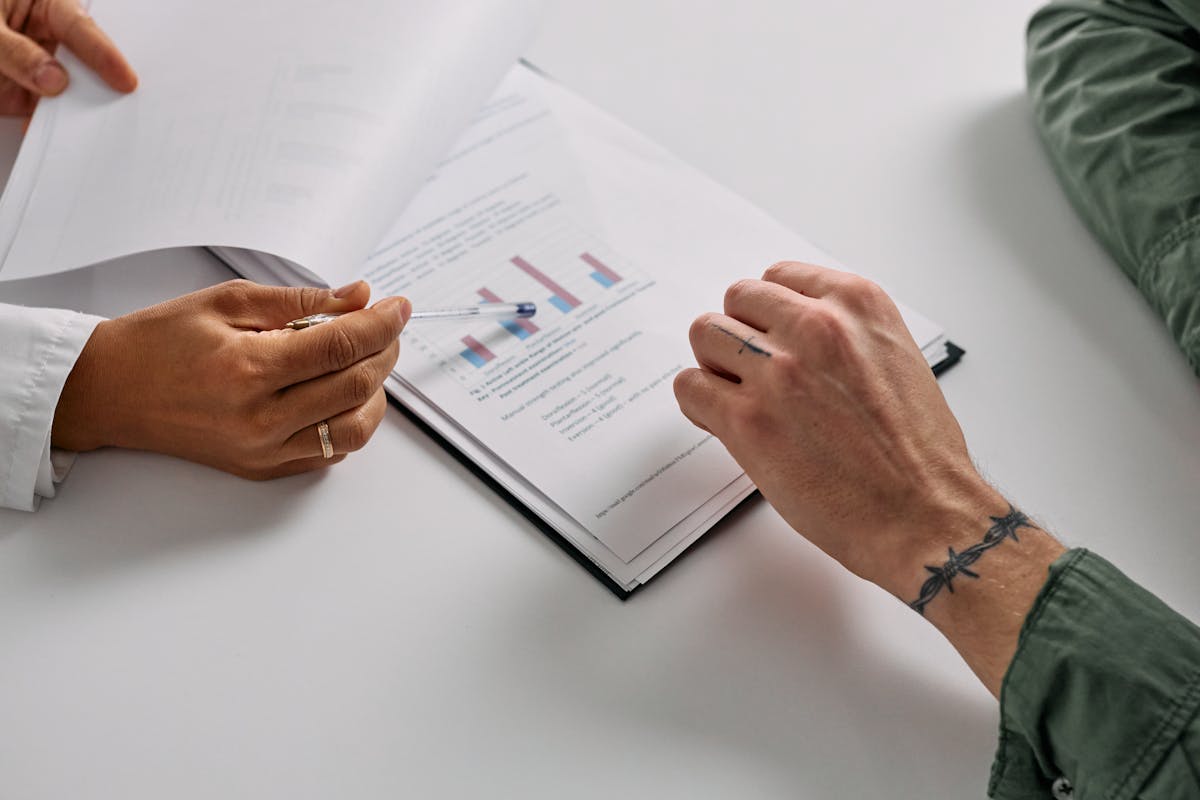
Many people feel hesitant to talk about side effects, especially when the medication is finally helping with something as emotionally charged as weight. Common worries include:
- “If I tell my doctor, they’ll make me stop the medication.”
- “Everyone else seems fine—maybe I’m just being dramatic.”
- “I’ve tried so many things. I don’t want to lose the first tool that worked.”
These fears are understandable, and you’re not alone in feeling them. But hiding side effects doesn’t protect your progress; it can actually sabotage it by leading to burnout, serious complications, or stopping the drug abruptly later on.
“When I finally told my provider how bad the chills and nausea were, we lowered my dose and spaced out injections. I didn’t have to stop; I just needed a plan that worked for my body.”
A good clinician’s goal isn’t to keep you on the highest dose possible—it’s to find the lowest effective dose with side effects you can safely tolerate.
When to Seek Immediate Medical Attention
Most side effects are uncomfortable but not dangerous. However, certain symptoms can signal more serious problems. Contact emergency services or seek urgent care if you experience:
- Severe, sudden stomach pain—especially with vomiting or fever
- Signs of pancreatitis (intense upper abdominal pain radiating to the back)
- Difficulty breathing, swelling of the face or throat, or hives
- Persistent vomiting or diarrhea leading to dehydration (very dry mouth, dizziness, confusion)
- Thoughts of self‑harm or a sudden, dramatic change in mood or behavior
What Experts and Guidelines Say About GLP‑1 Side Effects
Professional organizations like the American Diabetes Association (ADA) and obesity medicine societies acknowledge gastrointestinal side effects as the most common issues with GLP‑1 drugs. Research is increasingly exploring longer‑term and more subtle effects as these medications become widely used for weight management.
As of 2026, official guidelines typically recommend:
- Individualized dosing and slow titration
- Careful monitoring in people with prior pancreatitis or severe digestive issues
- Psychological support when treating obesity and rapid weight loss
- Shared decision‑making, where patient experience is central to choices about continuing therapy
For detailed, regularly updated information, consult:
- U.S. Food & Drug Administration (FDA) drug safety communications
- American Diabetes Association
- Obesity Medicine Association

A Real‑World Example: Adjusting the Plan Without Giving Up
Consider “Lena,” a 38‑year‑old with obesity and prediabetes who started on a GLP‑1 medication. Within a few weeks, she noticed strong appetite suppression and modest weight loss—but also cold flashes, night sweats, and unusually light periods.
At first, Lena felt embarrassed to bring this up. After seeing others describe similar issues in an online forum, she decided to track her symptoms for two weeks and then talk to her clinician. Together, they:
- Reduced her dose to the previous, better‑tolerated level
- Added a structured meal plan to ensure enough calories and protein
- Scheduled follow‑up labs and a gynecology visit to evaluate menstrual changes
Over the next month, her chills and night sweats eased, her periods began to normalize, and she continued to lose weight—more slowly, but more sustainably. This kind of adjustment is common and can be the difference between stopping treatment and finding a livable long‑term plan.
Key Takeaways: Staying Informed, Not Afraid
GLP‑1 medications like Ozempic and Mounjaro can be powerful tools for managing diabetes and supporting weight loss, but they’re not magic—and they’re not side‑effect‑free. Online communities and recent studies are shining light on lesser‑known issues such as chills, hot flashes, menstrual changes, and mood shifts.
To protect your health while using these medications:
- Stay curious about your own body’s signals—it’s data, not drama.
- Track symptoms and share them honestly with your healthcare team.
- Be open to dose adjustments, slower weight loss, or alternative strategies if needed.
- Seek help promptly for red‑flag symptoms or significant mental health changes.
You deserve a treatment plan that supports both your physical health and your quality of life. Staying informed about “hidden” side effects isn’t about scaring yourself—it’s about making confident, collaborative choices for your long‑term well‑being.
If you’re currently on a GLP‑1 medication and noticing new or unexpected symptoms, consider your next step today: jot down what you’re feeling, schedule a follow‑up appointment, and bring this information with you. Your experience is valid, and it belongs in the treatment conversation.

