Ozempic, GLP‑1 Drugs, and the New Shape of Diet Culture: How to Eat Well on Powerful Weight‑Loss Medications
Ozempic, GLP‑1 Drugs, and the Rise of the ‘Ozempic Diet’
GLP‑1 weight‑loss drugs like Ozempic, Wegovy, and Mounjaro are transforming how we talk about dieting, appetite, and nutrition. Originally created for type 2 diabetes, these medications dramatically reduce hunger, and for many people, that has changed not only how much they eat, but also what they choose to put on their plates. At the same time, social media is buzzing with “Ozempic diet” videos, daily food logs, and debates over body image, celebrity use, and what healthy eating looks like in this new landscape.
Navigating all of this can feel overwhelming—especially if you’re on a GLP‑1 drug yourself and suddenly find that your old eating habits no longer fit your new appetite. The goal isn’t to “eat as little as possible,” but to nourish your body wisely with small, satisfying meals that protect muscle, support metabolic health, and still feel joyful.
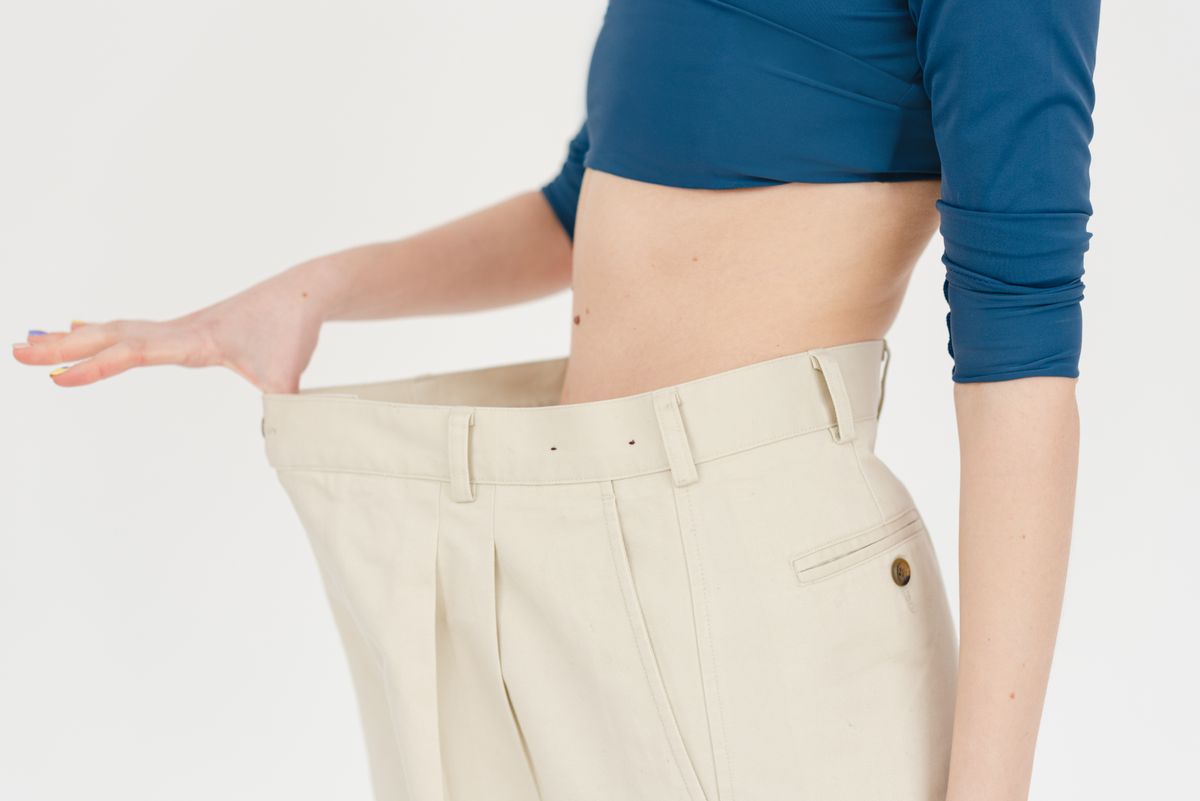
How GLP‑1 Drugs Like Ozempic Affect Hunger and Eating
Ozempic, Wegovy, and similar GLP‑1 receptor agonists mimic a hormone your body naturally makes called GLP‑1 (glucagon‑like peptide‑1). This hormone helps:
- Regulate blood sugar after meals
- Slow stomach emptying so you feel fuller longer
- Send stronger “I’m satisfied” signals from your gut to your brain
Many people on these medications suddenly feel full after just a few bites. That can sound like a dream if you’ve struggled with appetite or cravings, but it also means it’s very easy to under‑eat protein, vitamins, and minerals if every meal is tiny.
Nutrition professionals worldwide are now emphasizing an “Ozempic‑smart” way of eating: smaller portions, yes—but packed with protein, fiber, and healthy fats. Think of every bite as needing to “earn its place” by offering something valuable to your body.
The Social Media ‘Ozempic Diet’: Trends and Tensions
Scroll through TikTok, Instagram, or YouTube and you’ll find countless “What I eat in a day on Ozempic” posts. The pattern is striking: tiny meals, lots of before‑and‑after photos, and a sense that smaller and smaller portions are a badge of honor. While these videos can create community, they can also normalize extremely low calorie intake and overlook the importance of nutrition quality.
At the same time, celebrities and influencers are being scrutinized—sometimes accused of using GLP‑1 drugs without evidence. This fuels a broader cultural debate about body ideals, access to medications, and whether pharmaceutical weight‑loss is overshadowing sustainable lifestyle changes.
“The conversation needs to move from ‘How fast can I shrink?’ to ‘How can I stay strong, nourished, and healthy while my appetite is changing?’”

If you’re using social platforms for ideas, try to favor creators who:
- Highlight protein, fiber, and whole foods, not just calorie counts
- Discuss mental health, body image, and self‑compassion
- Encourage working with qualified health professionals
- Acknowledge that everyone’s response to GLP‑1 drugs is different
Core Nutrition Principles for an Ozempic‑Smart Eating Pattern
With a smaller appetite, every meal and snack becomes a chance to deliver concentrated nutrition. Many dietitians now summarize their guidance for GLP‑1 users as: “Protein first, plants always, and ultra‑processed foods only occasionally.”
1. Prioritize protein to protect lean muscle
Rapid weight loss often means losing muscle along with fat, which can weaken your body and slow your metabolism. Higher protein intake—spread throughout the day—helps counter this.
- Aim for a source of protein at every eating occasion (even snacks).
- Examples: Greek yogurt, cottage cheese, eggs, beans and lentils, tofu, tempeh, fish, chicken, lean meat, or quality protein powders.
- Target (with professional guidance): around 20–30 g of protein per main meal for many adults.
2. Embrace fiber‑rich whole foods
Constipation is a common side effect of GLP‑1 medications. Fiber from fruits, vegetables, whole grains, nuts, and seeds can help keep your digestion moving and feed a healthy gut microbiome.
3. Include healthy fats in small amounts
Fats like olive oil, avocado, nuts, and seeds add flavor, support hormone health, and help with the absorption of fat‑soluble vitamins. Since GLP‑1 drugs slow stomach emptying, overly greasy meals can worsen nausea—so think light drizzle, not deep‑fry.
4. Hydrate intentionally
When you’re less hungry, you might naturally drink less as well. Sip water, herbal teas, or broths throughout the day. Many people find that room‑temperature or slightly warm fluids sit more comfortably than icy drinks.
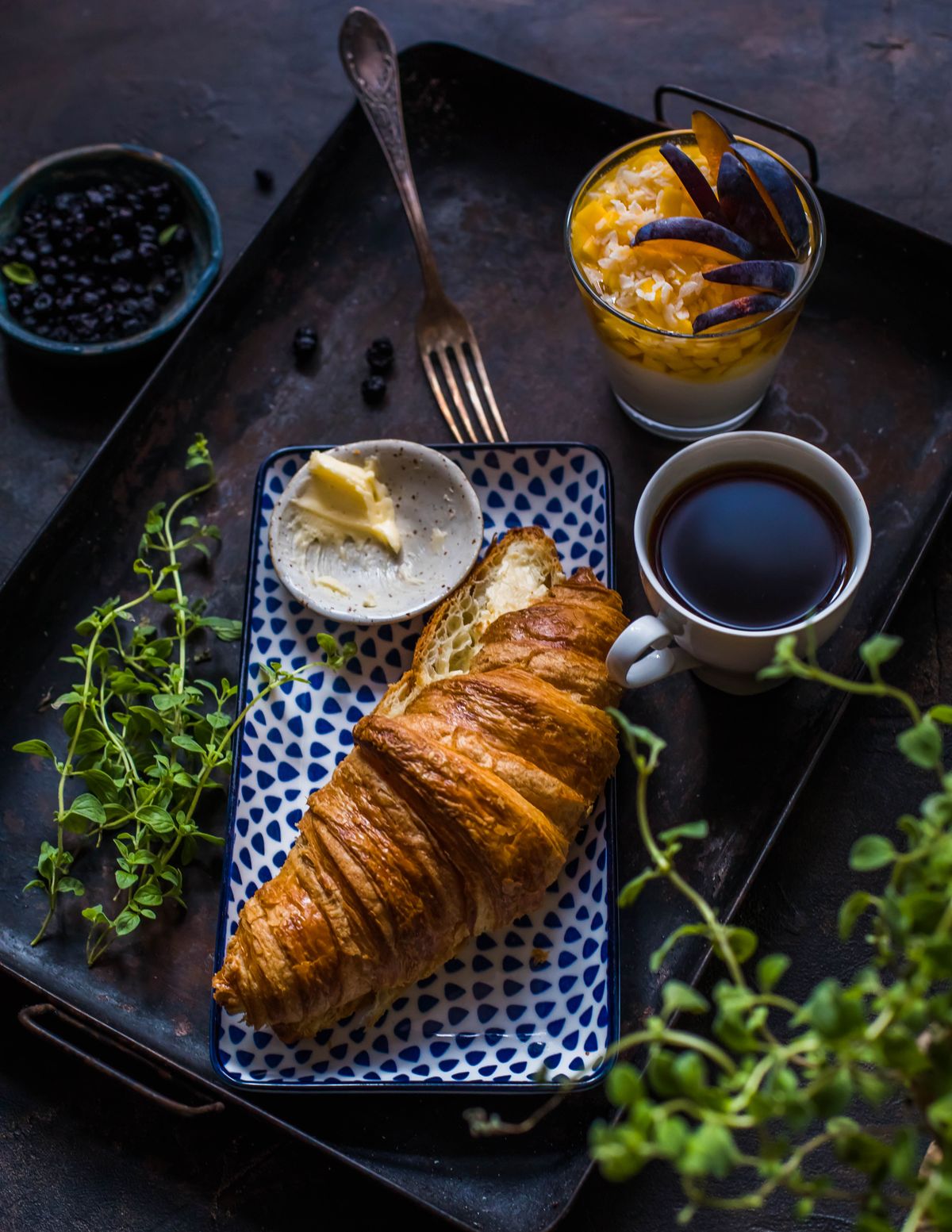
Popular “Ozempic Diet” Foods: What Actually Helps
Across social media and clinic waiting rooms, certain foods come up again and again for people on GLP‑1 medications. They’re easy to tolerate, high in protein or fiber, and work well in small portions.
- Greek yogurt bowls with berries, chia or flax seeds, and a sprinkle of nuts
- Cottage cheese and fruit, sometimes blended for an ultra‑creamy texture
- Lentil or bean soups—soft, warming, and easy to digest
- Egg‑based breakfasts like scrambled eggs, mini frittatas, or omelets with veggies
- Smoothies fortified with protein powder, leafy greens, and nut butter or avocado
- Soft, flaky fish with mashed sweet potato or well‑cooked vegetables
The best approach is to start with familiar flavors you enjoy and gently “upgrade” them: swap sugary yogurt for high‑protein versions, add beans or lentils to soups, toss a handful of spinach into your smoothie, or choose whole‑grain toast instead of white.

Recipe: High‑Protein Greek Yogurt Power Bowl for GLP‑1 Diets
This simple Greek yogurt power bowl is tailor‑made for people on Ozempic, Wegovy, Mounjaro, and other GLP‑1 medications. It delivers a big dose of protein, fiber, and healthy fats in a small, gentle‑on‑the‑stomach portion. You can customize it endlessly with your favorite fruits and toppings, making it perfect for breakfast or a nourishing snack.
Prep time: 10 minutes
Cook time: 0 minutes
Total time: 10 minutes
Servings: 1
Difficulty: Easy
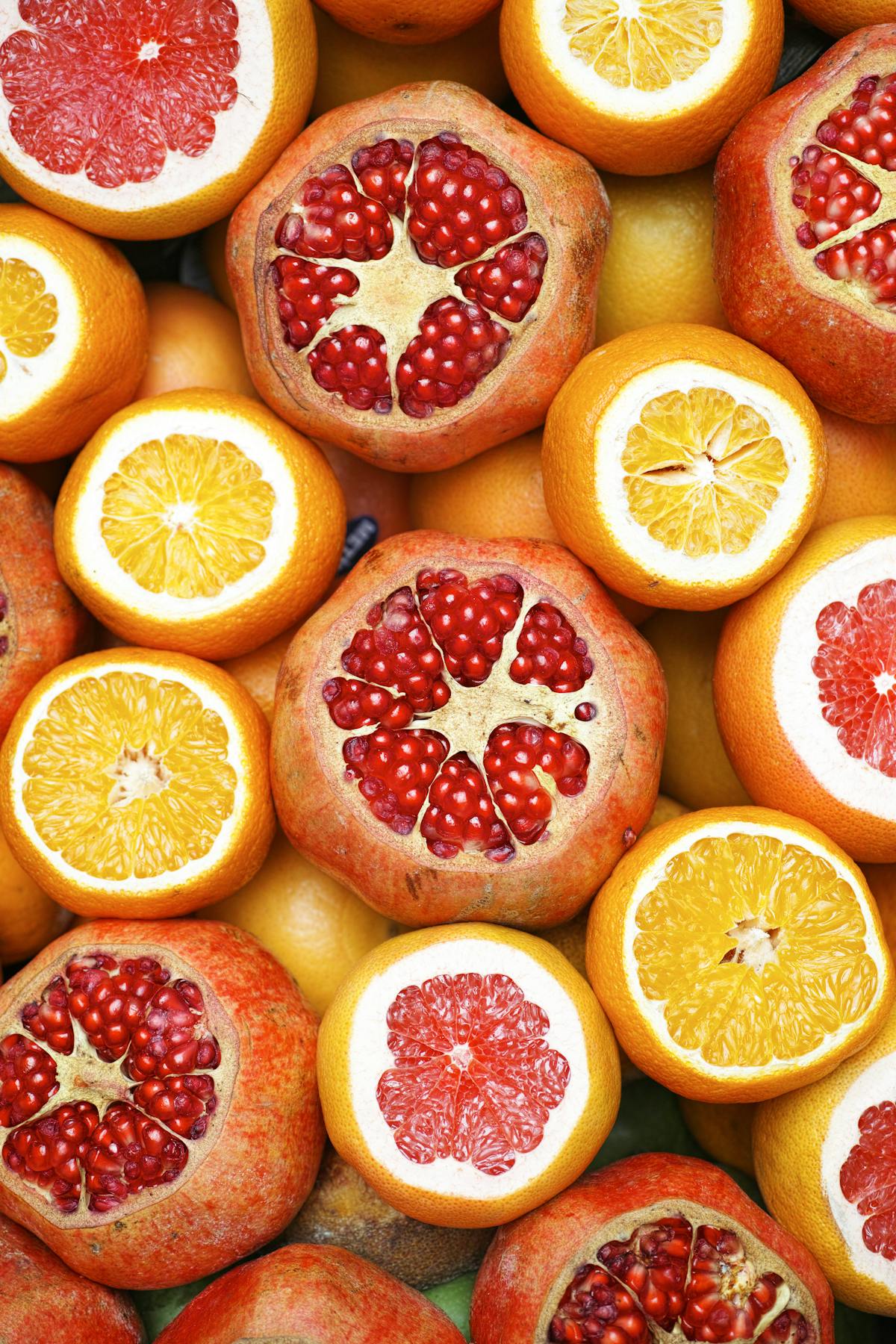
Ingredients
- 3/4 cup (170 g) plain 2% or 0% Greek yogurt
- 2 tbsp whey, pea, or soy protein powder, unflavored or vanilla (optional but helpful for extra protein)
- 1/3 cup (50 g) mixed berries (such as blueberries, raspberries, or sliced strawberries; fresh or frozen and thawed)
- 1 tbsp chia seeds or ground flaxseeds
- 1 tbsp chopped nuts (walnuts, almonds, or pistachios)
- 1–2 tsp honey, maple syrup, or a sugar‑free sweetener, to taste
- 1–2 tbsp water or milk of choice, only if needed to thin the yogurt
- Small pinch of cinnamon or a splash of vanilla extract (optional)
Equipment
- Small mixing bowl
- Spoon or small whisk
- Measuring spoons and cup
- Serving bowl (or jar with lid if making ahead)
Instructions
- Mix the yogurt base.
In a small bowl, stir together the Greek yogurt and protein powder (if using). If the mixture feels too thick, add 1–2 tablespoons of water or milk, a little at a time, until it’s creamy but still spoonable. - Add gentle flavor.
Stir in a pinch of cinnamon or a splash of vanilla extract if you like. Taste and add honey, maple syrup, or another sweetener in small amounts until it’s pleasantly sweet but not overwhelming. Remember: your taste buds may be more sensitive while on GLP‑1 medications. - Layer the toppings.
Spoon the yogurt mixture into a serving bowl. Scatter the berries over the top. Sprinkle with chia seeds or ground flax, then add the chopped nuts. - Let it sit briefly (optional but helpful).
If you have time, let the bowl rest for 5–10 minutes. The chia or flax will begin to soften and slightly thicken the yogurt, creating a luscious, pudding‑like texture that’s easy on the stomach. - Serve slowly and mindfully.
Enjoy the bowl in small bites, pausing between spoonfuls to check in with your fullness signals. Because GLP‑1 drugs amplify satiety, you might find that half the bowl is enough for now. If so, simply cover and refrigerate the rest for later.
Storage and Reheating
Refrigeration: Store the prepared yogurt bowl (or leftovers) in an airtight container in the fridge for up to 2 days. The chia or flax will continue to thicken the mixture over time, creating a texture similar to pudding.
Freezing: Freezing is not ideal, as it can cause separation and grainy texture once thawed.
Reheating: No reheating needed. If the yogurt thickens too much in the fridge, simply stir in a splash of water or milk until it reaches your desired consistency.
Serving Suggestions and Pairings
To turn this power bowl into a balanced mini‑meal for GLP‑1 users, consider pairing it with:
- A cup of herbal tea or lightly flavored water (ginger, mint, or lemon can be soothing if you feel queasy).
- A small slice of whole‑grain toast with a thin spread of avocado or nut butter, if your appetite allows.
- For a savory option later in the day, enjoy half the bowl as a snack and follow it with a small serving of lentil soup or a hard‑boiled egg at another time.
Beyond the Bowl: Long‑Term Health on GLP‑1 Medications
While the “Ozempic diet” conversation often focuses on dramatic weight‑loss numbers, healthcare professionals are increasingly asking: What happens years down the line? Many people regain some or all of the lost weight after stopping GLP‑1 drugs, especially if they don’t have sustainable eating and movement habits in place.
Protecting your long‑term health while using these medications means:
- Keeping up with regular movement—especially resistance training—to preserve muscle and bone strength.
- Choosing mostly whole, minimally processed foods, even if your portions are small.
- Monitoring blood work and nutrient status with your healthcare team over time.
- Giving attention to mental health and body image, not just the number on the scale.