Ozempic, GLP‑1 Drugs, and the New ‘Ozempic Diet’ Culture: What to Eat, What to Expect, and How to Protect Your Health
High-Protein, Fiber-Rich Power Bowl for the Ozempic Era
GLP‑1 medications like Ozempic and Wegovy are changing how many of us experience hunger, fullness, and food itself. Instead of forcing yourself to eat big portions, this is the moment to lean into smaller, deeply nourishing meals that work with your new appetite. This high‑protein, fiber‑rich power bowl is built for that reality: gentle on the stomach, steady on blood sugar, and packed with satisfying textures and flavors you can truly savor, even in just a few bites.
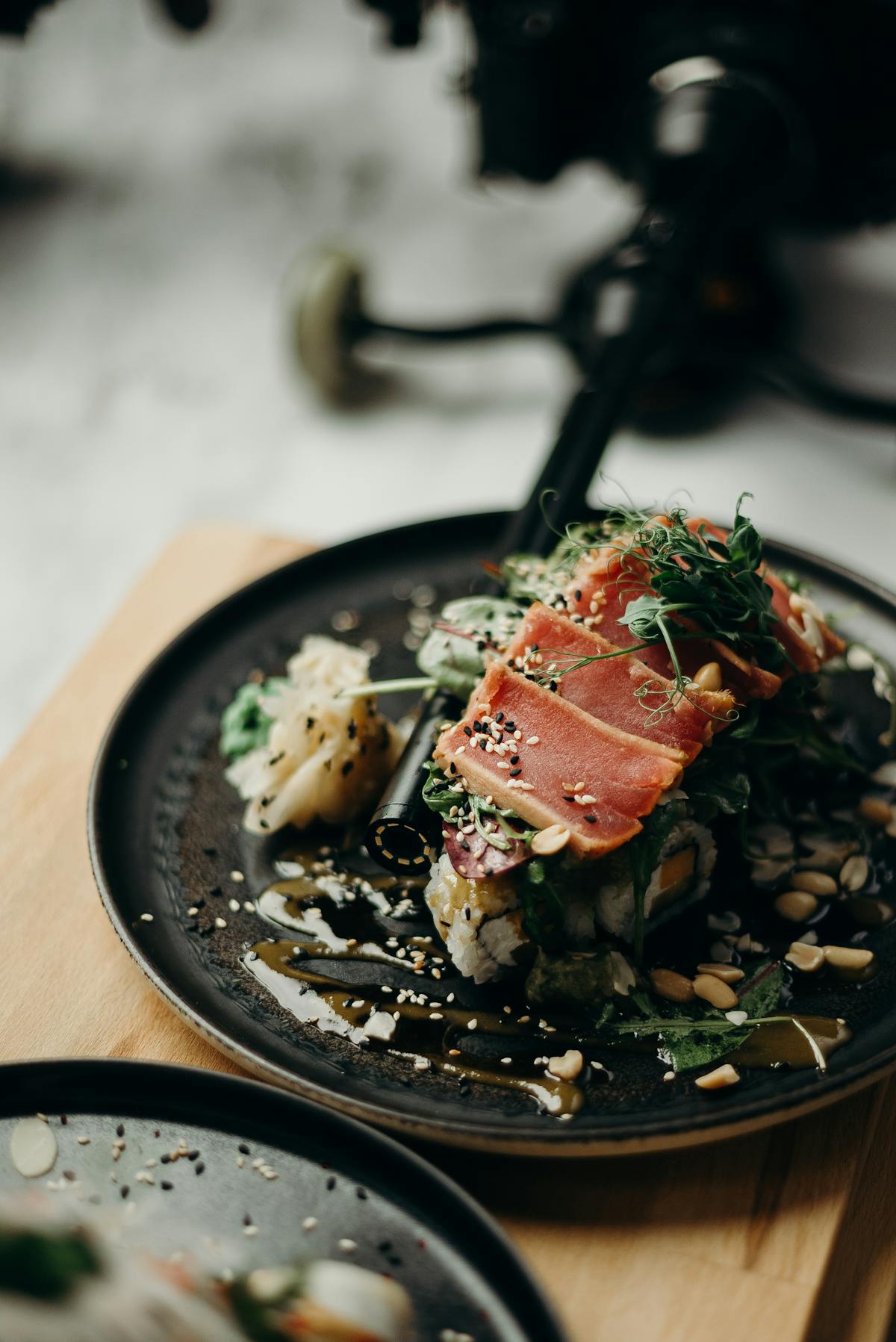
Think of this as a “foundation meal” for GLP‑1 users and anyone navigating appetite changes: tender roasted salmon or tofu; warm, nutty quinoa; crisp vegetables; creamy yogurt‑tahini sauce; and bright citrus and herbs. Every element is here for a reason—to support muscle, keep your gut happy, and feel good in your body, without any diet‑culture guilt.
Quick Recipe Snapshot
Prep Time:
Cook Time:
Total Time:
Servings: 2 bowls
Difficulty: Easy–Moderate
Best For: Ozempic / GLP‑1 users, weight‑loss support, blood‑sugar balance
Why This Bowl Works for Ozempic & GLP‑1 Users
GLP‑1 drugs slow how quickly food leaves your stomach and can make large, heavy meals uncomfortable. They also tend to blunt appetite so much that people unintentionally under‑eat protein and nutrients, risking muscle loss and fatigue. This recipe is crafted with those realities in mind.
- High protein: about 25–35 g protein per bowl (depending on your protein choice) to support muscle while you lose weight.
- Gentle, soluble fiber: quinoa and vegetables for slower digestion and steadier energy, without being too bulky at once.
- Healthy fats: salmon, olive oil, and tahini to help you feel satisfied with less food and absorb fat‑soluble vitamins.
- Small‑volume, high‑nutrition: packed with flavor and micronutrients, but not oversized—a win for nausea‑prone days.
Ingredients
For the Bowl
- 2 small salmon fillets (about 120 g / 4 oz each), or extra‑firm tofu for a pescatarian/vegan option
- 1/2 cup (90 g) dry quinoa, rinsed
- 1 cup (240 ml) low‑sodium vegetable or chicken broth (for cooking quinoa; water also works)
- 1 cup (about 120 g) cherry tomatoes, halved
- 1 small cucumber, diced (about 3/4 cup / 100 g)
- 1 small carrot, peeled and grated or finely sliced
- 1/4 small red onion, very thinly sliced (optional, for sensitive stomachs)
- 2 cups (about 60 g) baby spinach or mixed salad greens
- 2 tablespoons extra‑virgin olive oil, divided
- 1 teaspoon ground cumin
- 1/2 teaspoon smoked paprika (optional but delicious)
- Fine sea salt and freshly ground black pepper, to taste
- 1 small lemon, zested and juiced
- 2 tablespoons fresh parsley or cilantro, finely chopped
For the Creamy Yogurt‑Tahini Sauce
- 1/2 cup (120 g) plain Greek yogurt (2% or 5% fat; use dairy‑free yogurt for vegan)
- 1 tablespoon tahini (sesame paste)
- 1 tablespoon fresh lemon juice
- 1 small garlic clove, finely grated or minced (or 1/4 teaspoon garlic powder for a milder option)
- 1–2 tablespoons water, to thin to drizzleable consistency
- Salt and pepper, to taste
Optional Toppings
- 1 tablespoon toasted pumpkin seeds or sunflower seeds
- A sprinkle of feta cheese (skip or use vegan feta if dairy‑free)
- Extra lemon wedges, for serving
Equipment You’ll Need
- Small saucepan with lid (for quinoa)
- Small baking tray or oven‑safe skillet (for salmon or tofu)
- Mixing bowl (for sauce and vegetables)
- Cutting board and sharp knife
- Measuring cups and spoons
- Whisk or fork (for the sauce)
Step‑by‑Step Instructions
- Cook the quinoa.
Rinse the quinoa under cold water in a fine‑mesh sieve. In a small saucepan, combine the quinoa and broth (or water) with a pinch of salt. Bring to a gentle boil over medium heat, then reduce to low, cover, and simmer for 15 minutes, or until the liquid is absorbed and the quinoa is fluffy. Turn off the heat and let it sit, covered, for 5 minutes.
- Preheat the oven and prep the protein.
While the quinoa cooks, preheat your oven to 400°F (200°C). Place the salmon fillets (or sliced tofu) on a lined baking tray. Drizzle with 1 tablespoon olive oil and season with cumin, smoked paprika, salt, pepper, and a little lemon zest. Rub gently to coat.
- Roast the salmon or tofu.
Roast for 10–12 minutes for salmon, or until it flakes easily with a fork and is just cooked through. Tofu may need 15–18 minutes, turning once, until golden at the edges. Take care not to overcook—dry protein can feel especially heavy when you’re on a GLP‑1 drug.
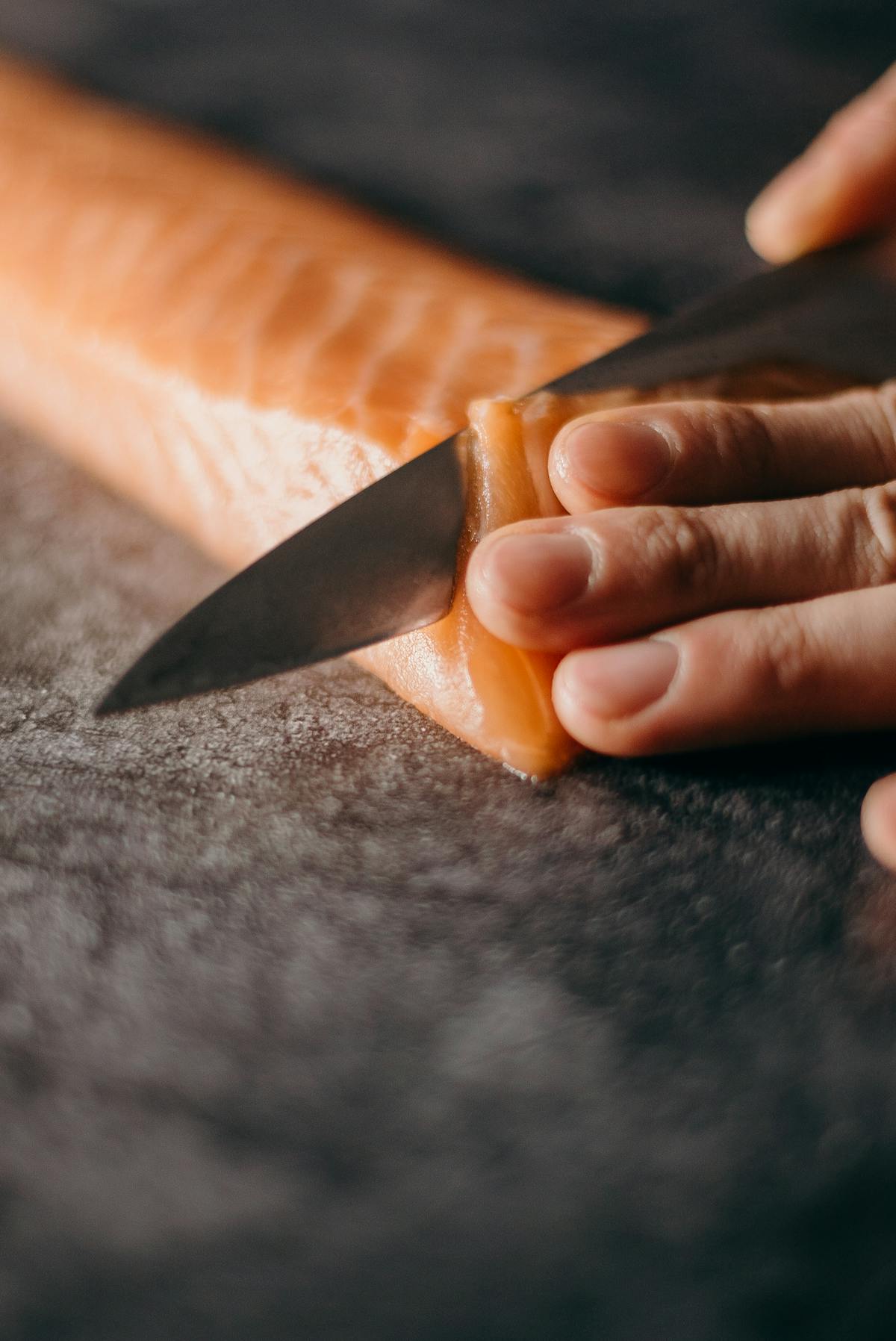
Gently roasted salmon stays tender, moist, and easier to digest—perfect for smaller GLP‑1 era meals. - Make the creamy yogurt‑tahini sauce.
In a small bowl, whisk together the Greek yogurt, tahini, lemon juice, garlic, a pinch of salt, and pepper. Add 1–2 tablespoons water, a little at a time, until the sauce is thick but spoonable. Taste and adjust seasoning—more lemon for brightness, more tahini for richness.
A tangy yogurt‑tahini drizzle adds protein and creaminess without feeling too heavy. - Prep the fresh vegetables.
In a mixing bowl, toss the cherry tomatoes, cucumber, carrot, and red onion (if using) with the remaining 1 tablespoon olive oil, a squeeze of lemon juice, and a pinch of salt and pepper. Add the chopped parsley or cilantro and toss again. You’re aiming for crisp, juicy contrast to the warm grains and protein.
- Fluff and season the quinoa.
Uncover the quinoa and fluff with a fork. Taste and add a pinch more salt, pepper, or lemon zest if you like. A little seasoning goes a long way in small‑volume meals—each bite should feel special.
- Assemble the bowls.
Divide the spinach or salad greens between two bowls. Add a scoop of warm quinoa to each, then top with the roasted salmon or tofu. Spoon the marinated vegetables over the top and drizzle generously with the yogurt‑tahini sauce. Finish with seeds, feta (if using), and extra lemon wedges on the side.
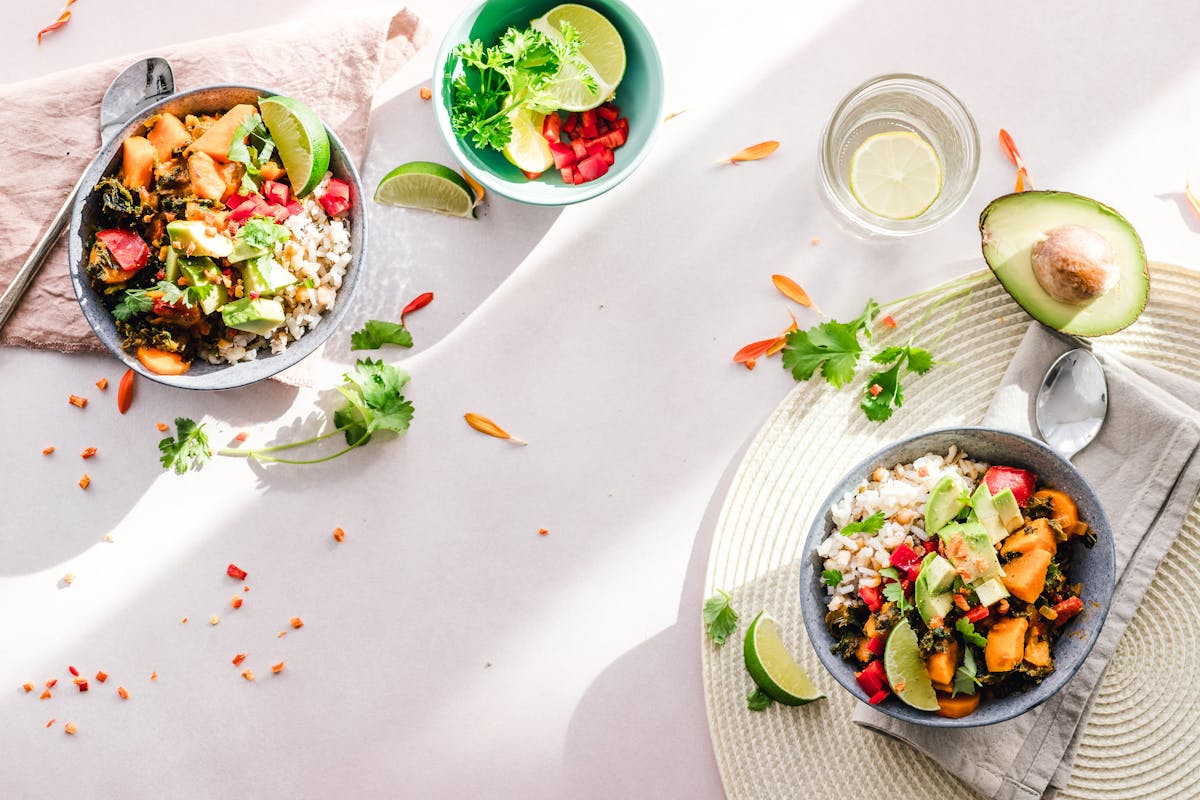
Layer the ingredients so every forkful has protein, fiber, and fresh crunch. - Eat slowly and listen to your fullness.
GLP‑1 medications can make your fullness cues arrive later but feel more intense. Take small bites, set your fork down often, and stop when you feel pleasantly satisfied—even if that means saving half the bowl for later. This is a no‑pressure, no‑guilt zone.
Dietary Adaptations & Substitutions
- Gluten‑free: This bowl is naturally gluten‑free as long as your broth and tahini are certified gluten‑free.
- High‑protein vegetarian: Use baked tofu, tempeh, or a plant‑based chicken alternative instead of salmon. Add 2 tablespoons toasted seeds or nuts for extra protein and healthy fats.
- Vegan: Swap Greek yogurt for a thick, unsweetened dairy‑free yogurt (coconut, soy, or almond) and ensure your protein is plant‑based.
- For sensitive stomachs: Skip raw onion and garlic; use garlic‑infused olive oil and mild herbs instead. You can lightly steam the carrot and greens to make them even easier to digest.
- Lower fat (if you get reflux): Use a leaner protein (like baked white fish or chicken breast), reduce added oil to 1 tablespoon total, and keep sauce portions modest.
Storage & Reheating
Because many people on GLP‑1 medications do better with small, frequent meals, this recipe stores beautifully for easy grab‑and‑go portions.
- Fridge: Store components separately in airtight containers for up to 3 days: quinoa, roasted protein, cut vegetables, and sauce each in their own container.
- Reheating protein & quinoa: Warm gently in the microwave at 50–60% power for 30–60 seconds, just until warm. Overheating can dry them out and make them harder to tolerate.
- Serving from leftovers: Assemble a small bowl with reheated grains and protein, fresh greens, and cold vegetables. Add sauce just before serving.
- Freezer: Cooked salmon and quinoa can be frozen for up to 2 months. Defrost overnight in the fridge before reheating. Fresh vegetables and sauce are best made fresh.
Serving Suggestions & Complementary Dishes
On days when your appetite is low from Ozempic or another GLP‑1, you might turn this into two or even three mini‑meals. Pair it with:
- A small side of fruit and nuts (like orange slices with a few almonds) for extra fiber and vitamin C.
- A light soup, such as pureed vegetable or miso soup, if you prefer warm, soothing foods.
- A simple protein snack earlier or later in the day—like Greek yogurt, cottage cheese, or edamame—to round out your daily protein total.
Eating Well in the New GLP‑1 Culture
The explosion of Ozempic and Wegovy use has created a swirl of “Ozempic diet” content online—some helpful, some harmful. Amid viral “what I eat in a day” videos and celebrity speculation, it can be easy to forget the basics: you still deserve satisfying, nourishing food, and your worth has never depended on your body size.
GLP‑1 medications are powerful tools, not magic wands. Food is still your ally—for strength, for pleasure, and for long‑term health.
This bowl is one small, concrete way to practice that: a meal that respects your smaller appetite, supports your metabolism, and celebrates color and flavor. Whether you stay on a GLP‑1 long term or eventually stop, building these kinds of steady, protein‑and‑fiber‑rich meals into your routine will serve you well far beyond any trend.