
Over 45 and Exhausted? How Sleep Apnea Could Be Quietly Harming Your Mental Health
Over 45? Sleep Apnea Is Strongly Linked to Worsening Mental Health, Major Study Finds
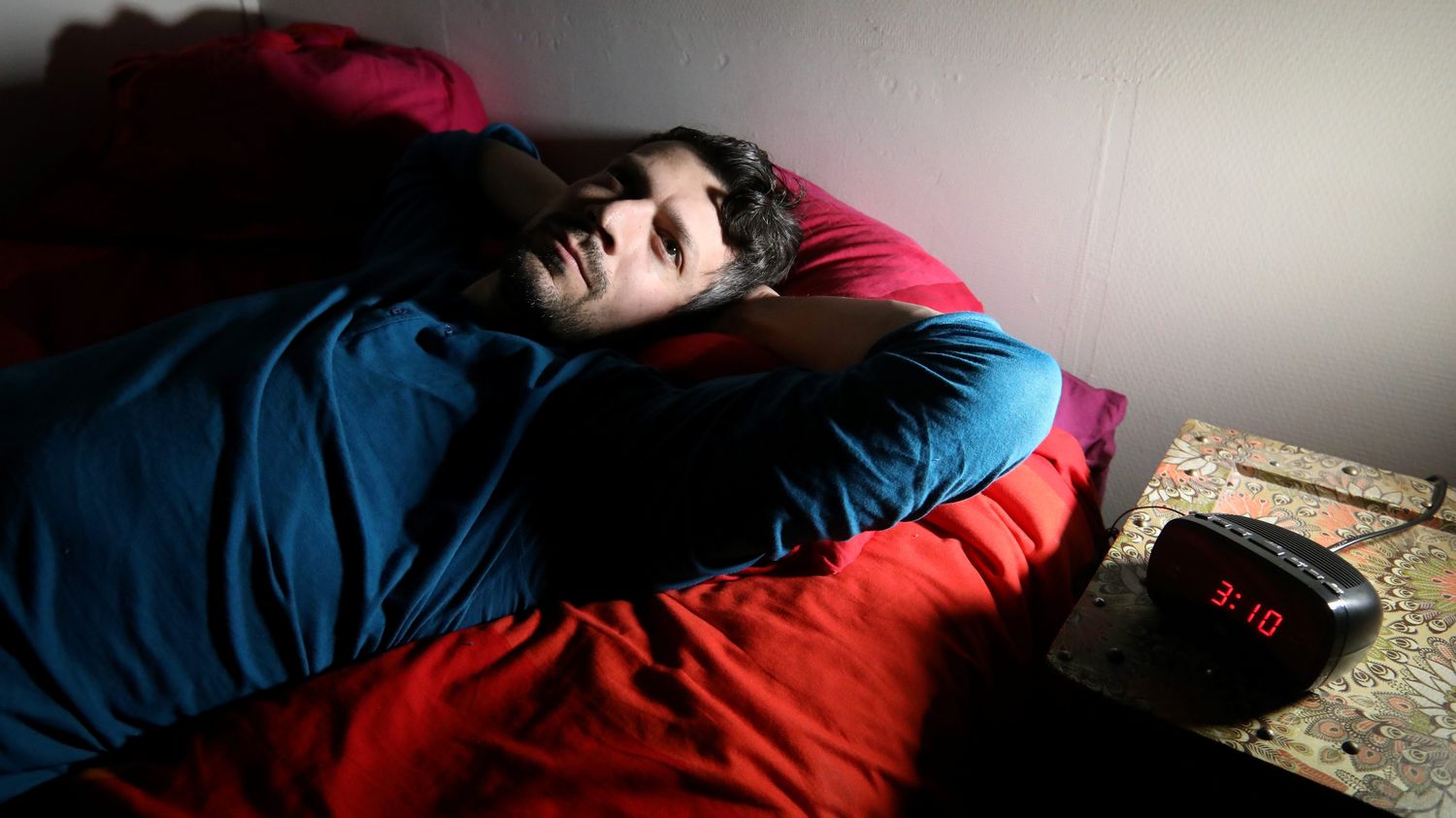
If you’re over 45 and noticing your mood, memory, or motivation slipping, it might not be “just getting older.” A large new Canadian study of more than 30,000 adults has found that sleep apnea is strongly linked with worsening mental health over time. The findings suggest that untreated breathing problems at night can quietly erode emotional wellbeing—but they also point to clear, practical steps you can take to protect your brain and mood.
This article breaks down what the study actually showed, why sleep apnea is so tied to anxiety and depression, and what realistic options you have if you’re worried about your own sleep.
What This Big Canadian Study Actually Found
The study, published in JAMA and based on the Canadian Longitudinal Study on Aging, followed 30,097 adults aged 45 to 85. Researchers looked at people who showed signs of sleep apnea—such as loud snoring, pauses in breathing, or gasping at night—and tracked their mental health over several years.
- Participants with probable sleep apnea were more likely to report worsening symptoms of depression and anxiety over time.
- People who already had mental health concerns tended to do even worse when sleep apnea was also present.
- The link remained even after accounting for age, sex, smoking, and other health problems.
“Sleep apnea isn’t just about snoring or feeling tired. Our data suggest it may play a meaningful role in the development and progression of mood disorders in midlife and older adults.”
— Interpretation of findings from the Canadian Longitudinal Study on Aging (JAMA Network)
Sleep Apnea 101: More Than “Just Snoring”
Sleep apnea is a disorder where your breathing repeatedly stops or becomes very shallow while you sleep. Each pause can last 10–30 seconds or more and may happen dozens of times per hour.
Common Signs of Sleep Apnea in Adults Over 45
- Loud, habitual snoring (often noticed more by a partner than by you).
- Witnessed pauses in breathing or gasping/choking at night.
- Waking up unrefreshed, even after 7–8 hours in bed.
- Morning headaches or dry mouth.
- Daytime sleepiness, dozing off during TV or meetings.
- Difficulty concentrating, memory “fog,” or irritability.
Obstructive sleep apnea (OSA) is the most common type and occurs when the airway collapses or becomes blocked during sleep. Risk increases with:
- Age (especially after 45–50).
- Excess weight, especially around the neck and abdomen.
- Male sex at birth (though women are often underdiagnosed).
- Family history of snoring or apnea.
- Smoking or heavy alcohol use.
How Sleep Apnea Can Worsen Mental Health: 4 Key Pathways
The connection between sleep apnea and mental health is not just about being tired. Research points to several overlapping biological and psychological pathways.
- Nightly oxygen drops strain the brain
Every apnea event lowers oxygen levels for a few seconds. Over years, this can affect brain regions involved in mood regulation and memory, including the hippocampus and prefrontal cortex. - Fragmented sleep disrupts emotional processing
Deep and REM sleep are crucial for processing emotions and “resetting” the brain’s stress response. Constant arousals from apnea mean your brain never fully rests. - Inflammation and stress hormones increase
Apnea is associated with higher levels of inflammatory markers and cortisol. Both are linked with a greater risk of depression and anxiety. - Daytime fatigue fuels negative thinking
Being exhausted makes it harder to cope with daily stresses, maintain relationships, and engage in activities that protect mental health, like exercise and socializing.
“When I finally treated my sleep apnea, it didn’t cure my depression—but the constant ‘gray fog’ lifted. Therapy and lifestyle changes started working again.”
— Michael, 58, treated for moderate obstructive sleep apnea (composite case based on clinical reports)
Is It Just Stress, or Could It Be Sleep Apnea? Overlapping Symptoms
Many symptoms of sleep apnea overlap with common mental health struggles, which is one reason apnea is so often missed in midlife and older adults.
Symptoms often blamed on “stress” that may also signal apnea
- Persistently low energy, even on weekends or vacations.
- Feeling “down” or flat without a clear trigger.
- Difficulty focusing, slower thinking, or memory slips.
- Increased irritability with family or coworkers.
- Loss of interest in hobbies due to sheer exhaustion.
Who’s Most at Risk After 45? Key Factors to Know
While anyone can develop sleep apnea, the new findings are especially relevant for adults over 45 with certain risk factors.
- Age 50–70+ – muscle tone in the airway naturally declines with age.
- Higher body weight or thicker neck – extra tissue around the airway can narrow the breathing passage.
- High blood pressure, type 2 diabetes, or heart disease – these often cluster with apnea.
- Regular alcohol use at night – relaxes throat muscles and worsens apnea events.
- Use of sedatives (some sleep or anxiety medications) – can further relax airway muscles.
The Canadian study highlights that mental health risks stack up: an older adult with both sleep apnea and chronic health conditions has a higher chance of worsening mood over time than someone with either problem alone.
How to Get Checked: From Online Screeners to Sleep Studies
Getting evaluated for sleep apnea is more straightforward—and more flexible—than it used to be. You don’t always need an overnight stay in a lab.
1. Start with a simple screening
Tools like the STOP-Bang questionnaire (Snoring, Tiredness, Observed apneas, high blood Pressure, BMI, Age, Neck circumference, Gender) are widely used in primary care.
- You answer a short set of yes/no questions.
- Your clinician estimates your risk (low, intermediate, or high).
2. Home sleep apnea testing
For many adults without major heart or lung disease, a home sleep test is enough for diagnosis:
- A portable device measures breathing, oxygen, and heart rate while you sleep at home.
- Data are interpreted by a sleep specialist.
3. In-lab polysomnography
If your case is complex, your clinician may recommend a full overnight sleep study in a lab, where brain waves, breathing, leg movements, and more are recorded.
Treatment Options: What Realistic Improvement Looks Like

No single treatment “cures” sleep apnea for everyone, but several options can dramatically improve breathing at night—and with it, energy and mood. Response varies, and it’s important not to expect overnight miracles, especially if mental health symptoms have built up over years.
1. CPAP (Continuous Positive Airway Pressure)
- Delivers gentle air pressure through a mask to keep your airway open.
- Strong evidence for reducing apnea events and improving daytime sleepiness.
- Some studies show modest but meaningful improvements in depressive symptoms, especially when used at least 4 hours per night.
Source: NIH / PubMed review on CPAP and depression.
2. Oral appliances
Custom-fitted mouthpieces from a sleep-trained dentist can move the jaw slightly forward to keep the airway open. They’re often used for mild to moderate apnea or when CPAP is poorly tolerated.
3. Position and lifestyle strategies
- Side-sleeping instead of on your back can reduce apnea events in some people.
- Weight loss of even 5–10% may meaningfully reduce severity in those with overweight.
- Avoiding alcohol and heavy meals within 3 hours of bedtime can help.
4. Advanced and surgical options
In carefully selected adults, options like upper airway surgeries or hypoglossal nerve stimulation (an implanted device that helps keep the airway open) may be considered. These are typically reserved for people who have failed more conservative treatments.
Practical Steps You Can Take This Month
To make this feel manageable, here’s a realistic, step-by-step plan you could follow over the next 4 weeks.
- Week 1: Track your sleep and mood
Keep a simple journal: bedtime, wake time, how often you wake up, and your mood (1–10) each day. Ask a bed partner if they’ve noticed snoring or gasping. - Week 2: Book a conversation with your clinician
Share your journal and your concerns about both sleep and mood. Ask whether a sleep apnea screening or home sleep test makes sense for you given your age and symptoms. - Week 3: Optimize your sleep environment
Aim for a consistent bedtime and wake time; reduce evening screens and caffeine; keep your bedroom cool, dark, and quiet. - Week 4: If diagnosed, commit to a trial
If you start CPAP or another therapy, give it a realistic trial of 4–6 weeks while continuing any existing mental health care. Check in with your provider to fine-tune equipment or settings.
Common Obstacles—and How to Work Around Them

“CPAP looks uncomfortable—I’ll never get used to it.”
Many people struggle at first. Mask fit and pressure settings make a huge difference. Working with a respiratory therapist or sleep technologist to try different masks, adding humidification, or using “ramp” features can make CPAP much more tolerable over time.
“I’m already dealing with depression; I can’t add another treatment.”
It’s understandable to feel overwhelmed. Think of apnea treatment as removing one layer of weight from your shoulders. You don’t have to handle everything at once—and improved sleep may make it easier to engage in therapy, exercise, or social connection later.
“I live alone—no one hears me snore. Does this still matter?”
Yes. Many people with apnea live alone. Pay attention to how you feel: unrefreshing sleep, frequent nighttime awakenings, morning headaches, and worsening mood are all red flags worth bringing to your clinician.
Beyond Apnea Treatment: Supporting Your Mental Health Holistically
Even as you explore a possible sleep apnea diagnosis, it’s important not to wait on caring for your mental health.
- Stay connected: Regular phone calls or walks with a friend can buffer against low mood.
- Move gently most days: Even 10–15 minutes of walking can lift mood and improve sleep quality.
- Consider therapy: Cognitive behavioral therapy (CBT) has strong evidence for both depression and insomnia.
- Limit alcohol as a “sleep aid”: It fragments sleep and can worsen apnea.
The Bottom Line: Sleep Apnea Is Treatable—and Your Mood Matters
The new Canadian study adds to a growing body of evidence that sleep apnea and mental health are deeply interconnected, especially in adults over 45. Apnea doesn’t just make you snore; over time, it can chip away at your energy, resilience, and emotional balance.
The encouraging news is that sleep apnea is detectable and treatable. You do not have to fix everything overnight. Simply raising the question with your clinician and exploring screening is a powerful first step.
Action step for this week: jot down your last 7 nights of sleep and how you’ve been feeling emotionally. Bring that snapshot to your next appointment and ask: “Could sleep apnea be part of what’s going on with my mood?”
You deserve restful sleep and a clearer, steadier mind at any age—and it’s absolutely reasonable to ask for help in getting there.
