
Menopause Products Are Having a Hot Minute — Here’s Why Doctors Want You To Slow Down
As menopause conversations become more open online, women are being bombarded with supplements, creams, “hormone balancing” powders, and wellness kits promising to fix everything from hot flashes to brain fog overnight. It’s validating to finally see menopause discussed out loud—but it can also feel overwhelming, confusing, and a little predatory.
This article breaks down why menopause products are having a “hot minute,” what doctors are actually recommending right now, and how to safely navigate the hype so you can protect your health, your wallet, and your peace of mind.
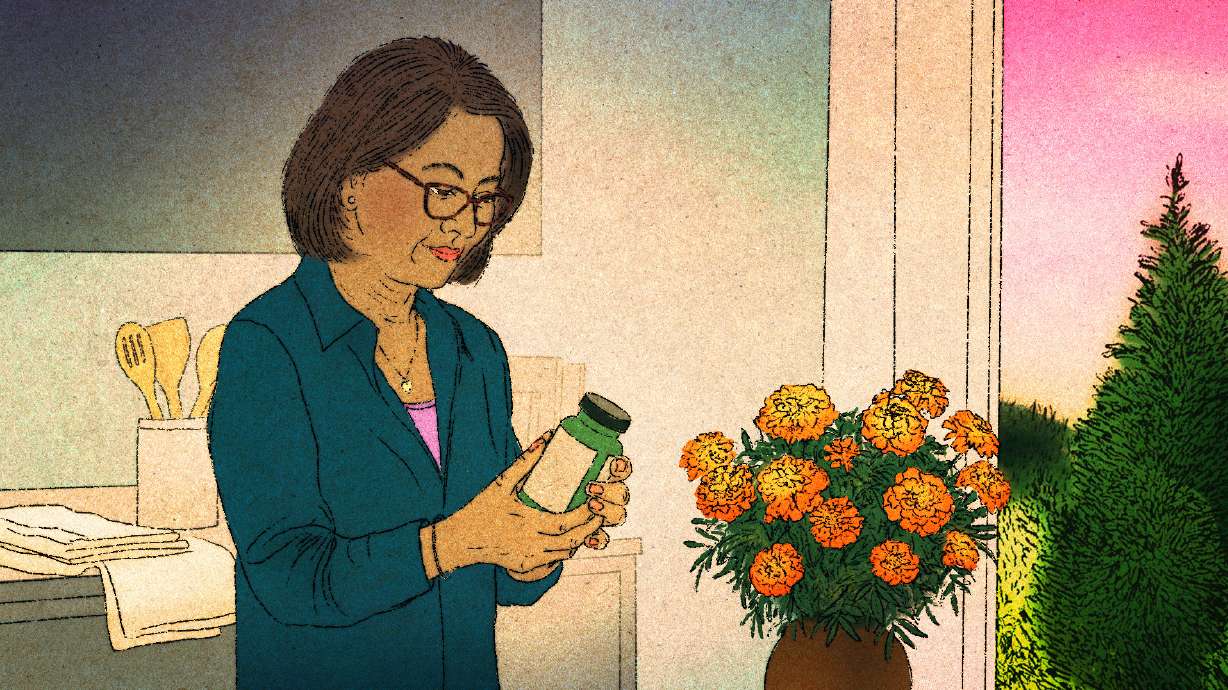
The Menopause Product Boom: What’s Going On?
Over the last few years, social media, podcasts, and celebrity-backed brands have pushed menopause into the spotlight. At the same time, millions of women in their 40s, 50s, and 60s are actively searching for answers about:
- Hot flashes and night sweats
- Sleep disturbances
- Mood swings and irritability
- Brain fog and memory changes
- Vaginal dryness and low libido
- Weight changes and joint aches
This combination—huge demand and very real unmet needs—has fueled a surge of menopause products ranging from evidence-based hormone therapy to unregulated supplements and gadgets.
“Any time you have a large group of people experiencing distress and not getting clear answers, you will see an explosion of products. Some are helpful, but many are not well studied,” notes one board-certified OB/GYN interviewed in recent coverage about menopause care.
Doctors are not against women seeking relief. What they urge—loudly—is caution, skepticism, and partnership with a trusted clinician.
Why Doctors Urge Caution With Menopause Products
Not all menopause solutions are created equal. Some are backed by decades of research; others are mostly marketing. The main concerns physicians raise include:
- Unregulated supplements – Many “hormone balance” or “menopause support” capsules are not evaluated by the FDA for safety or effectiveness. Labels may not accurately reflect what’s inside.
- Unknown interactions – Herbal products (like black cohosh, red clover, or dong quai) can interact with blood thinners, antidepressants, blood pressure medications, and others.
- Misleading marketing – “Clinically tested,” “natural,” or “bio-identical” on a label doesn’t automatically mean safe or proven.
- Delay of effective care – Relying only on untested products can delay evidence-based treatments that actually reduce symptoms and long-term risks (like osteoporosis).
- Cost without benefit – Subscriptions and “kits” can cost hundreds of dollars a month without solid data that they work better than low-cost, proven options.
What Actually Has Evidence for Menopause Symptom Relief?
Research in menopause care has grown, especially over the last decade. While guidelines continue to evolve, several categories of treatments have meaningful evidence behind them.
1. Menopausal Hormone Therapy (MHT)
Menopausal hormone therapy, sometimes called hormone replacement therapy (HRT), uses estrogen alone or estrogen plus progesterone to treat hot flashes, night sweats, vaginal dryness, and sleep disruption. Modern guidance emphasizes:
- Starting around the time of menopause (roughly ages 45–60) for symptom relief
- Using the lowest effective dose for the shortest necessary duration
- Personalized risk assessment (family history, blood clot or cancer risk, heart disease)
Transdermal patches, gels, and low-dose vaginal estrogens are commonly used. They are available by prescription and monitored by a clinician.
2. Nonhormonal Prescription Options
For women who can’t or prefer not to use hormones, nonhormonal treatments can help. These may include:
- Certain antidepressants (SSRIs/SNRIs) for hot flashes and mood symptoms
- Gabapentin or clonidine for night sweats in selected cases
- Ospemifene or other selective estrogen receptor modulators for vaginal discomfort and painful sex
3. Local Vaginal Treatments
For vaginal dryness, pain with intercourse, or recurrent urinary symptoms related to menopause, evidence-based options include:
- Nonhormonal moisturizers and lubricants
- Low-dose vaginal estrogen (cream, ring, tablet)
4. Lifestyle Approaches With Measurable Benefits
While lifestyle changes may not erase every hot flash, they can noticeably improve sleep, mood, and long-term health:
- Regular physical activity (aerobic + strength training)
- Reducing alcohol, caffeine, and large late-night meals
- Prioritizing sleep hygiene and stress management (CBT, mindfulness)
- Protein-rich, fiber-rich diet to support muscle and metabolic health

Sorting Through the Hype: Common Menopause Products Explained
When you scroll online, you’ll often see the same categories of menopause products. Here’s how to view them with a skeptical, informed lens.
“Hormone Balancing” Supplements
These products often include blends of herbs, vitamins, and phytoestrogens (plant compounds that act somewhat like estrogen in the body). Some ingredients have been modestly researched; many have not.
- Possible upside: A few women report milder hot flashes or mood benefits.
- Risks: Inconsistent dosing, potential liver stress, drug interactions, and, for some, theoretical cancer or clotting risks.
- Key point: “Natural” doesn’t mean safe or effective. Involve your clinician before starting.
“Menopause Beauty” and Skin Products
Menopause can change skin thickness, elasticity, and dryness. Many brands now market “menopause-specific” creams and serums.
- Reality: Hydration, sun protection, and proven ingredients like retinoids and ceramides matter more than the word “menopause” on a bottle.
- Watch for: High prices, big claims about “reversing” aging, or implied hormonal effects without clinical data.
Wearables & Cooling Devices
From cooling pillows to smart necklaces that claim to reduce hot flashes, gadgets are another fast-growing category.
- Pros: Some women find practical relief with cooling products, especially at night.
- Cons: Limited independent data for many devices; results may be modest or vary widely.

A Real-World Story: From Product Overload to a Plan
Consider “Maria,” a 49-year-old professional who started experiencing intense night sweats and mood swings. Within months, her social feeds were filled with ads for menopause gummies, detox teas, hormone creams, and pricey online programs.
Feeling desperate, she tried several over-the-counter supplements at once. Her sleep improved a little, but she developed stomach upset and felt anxious about mixing so many products. That’s when she scheduled an appointment with a menopause-informed clinician.
Together, they:
- Reviewed every product and ingredient she was taking
- Stopped nonessential supplements that had overlapping or unclear ingredients
- Checked her medical history, blood pressure, and family risks
- Started low-dose transdermal estrogen with progesterone, plus CBT-based sleep strategies
After several weeks, her night sweats decreased, her mood stabilized, and she felt more in control—without a cabinet full of mystery pills.
“The biggest difference wasn’t just fewer hot flashes,” she said. “It was knowing I had a plan that made medical sense, instead of guessing based on ads.”
A Doctor-Approved Checklist Before You Buy Any Menopause Product
Use this quick checklist to evaluate any menopause product—supplement, cream, app, or gadget—before you spend your money or risk side effects.
- What problem is it claiming to solve? (Hot flashes, sleep, mood, vaginal dryness?)
- Does it name specific active ingredients and doses? Avoid vague “proprietary blends.”
- Is there published, independent research? Look for references to peer-reviewed studies, not just testimonials.
- Could it interact with your medications or conditions? If you’re not sure, don’t guess—ask your clinician.
- Is the cost sustainable? Many symptoms can be managed with covered prescriptions and simple lifestyle changes.
- What does your doctor think? Bring the label or link to your visit and decide together.
Common Obstacles to Getting Good Menopause Care—and How to Overcome Them
Many women turn to over-the-counter products because they feel dismissed or rushed in medical settings. That frustration is real. Here are some common barriers and practical ways around them.
“My doctor says menopause is just something to endure.”
Some clinicians have limited training in up-to-date menopause care. You deserve better than “it’s just aging.”
- Ask directly: “What options do you recommend for hot flashes and sleep?”
- Consider seeking a provider with a special interest in menopause or women’s midlife health.
- Prepare a brief symptom log to make the most of your appointment time.
“I don’t know what to ask.”
Going into a visit with a simple script can help. For example:
“I’m in perimenopause/menopause and experiencing [list top 3 symptoms]. I’d like to understand my evidence-based options, including hormone and nonhormone treatments. Can we review the risks and benefits for someone with my history?”
“I’m overwhelmed by all the information.”
It’s normal to feel this way. Try focusing on one or two priority symptoms at a time—usually sleep or severe hot flashes—rather than trying to fix everything at once.
Before & After: An Example of a Safer Menopause Strategy
The goal is not perfection—it’s moving from scattered, high-risk choices toward a thoughtful, sustainable plan.
Before
- Multiple supplements bought from social media ads
- No discussion with a clinician
- Persistent night sweats, brain fog, and fatigue
- Hundreds of dollars a month in products
After
- Evidence-based hormone or nonhormonal therapy, if appropriate
- Targeted vaginal or sleep treatments as needed
- Structured lifestyle changes to support mood and energy
- Modest, transparent product use with your doctor’s knowledge

Moving Forward: A Calm, Confident Approach to Menopause Care
Menopause products are having a hot moment—but your health is not a trend. You deserve care that’s grounded in science, tailored to your body, and respectful of your lived experience.
You don’t have to figure all of this out alone. Partnering with a knowledgeable clinician, asking hard questions about product claims, and focusing on a few key, evidence-based strategies can make this transition more manageable—and even empowering.
If you’re feeling overwhelmed right now, consider taking one small step this week:
- Book an appointment specifically to discuss menopause symptoms, or
- Make a simple list of what you’re currently taking to review with your clinician, or
- Choose one lifestyle habit—like a 10-minute evening walk—to start supporting your future health.
You are not “too late,” too sensitive, or asking for too much. Menopause is a major life stage, and you deserve thoughtful, safe support—not just another product in your cart.

Meta & Structured Data (SEO)
The following structured data helps search engines understand this page as an informational article about menopause products and medical guidance.
