
Mediterranean Diet 2.0: Eat Like a Blue Zone & Nourish Your Brain for Life
Mediterranean Diet 2.0: Longevity, Brain Health & Blue Zone Eating
Mediterranean Diet 2.0 and Blue Zone–style eating are surging as the science-backed, anti-fad answer to extreme weight-loss trends, focusing on longevity, heart and brain health, and realistic, joyful meals you can enjoy for life. This guide breaks down why this way of eating is trending, what it actually looks like on your plate, and how to bring Mediterranean and Blue Zone principles into your own kitchen—plus a vibrant, brain-friendly Mediterranean chickpea and roasted vegetable bowl recipe to get you started.
Think of this as an invitation to slow down, drizzle a little extra olive oil, pile your plate with colorful plants, and eat in a way that feels indulgent and deeply nourishing at the same time. No calorie spreadsheets, no weird powders—just real food, cooked with love.
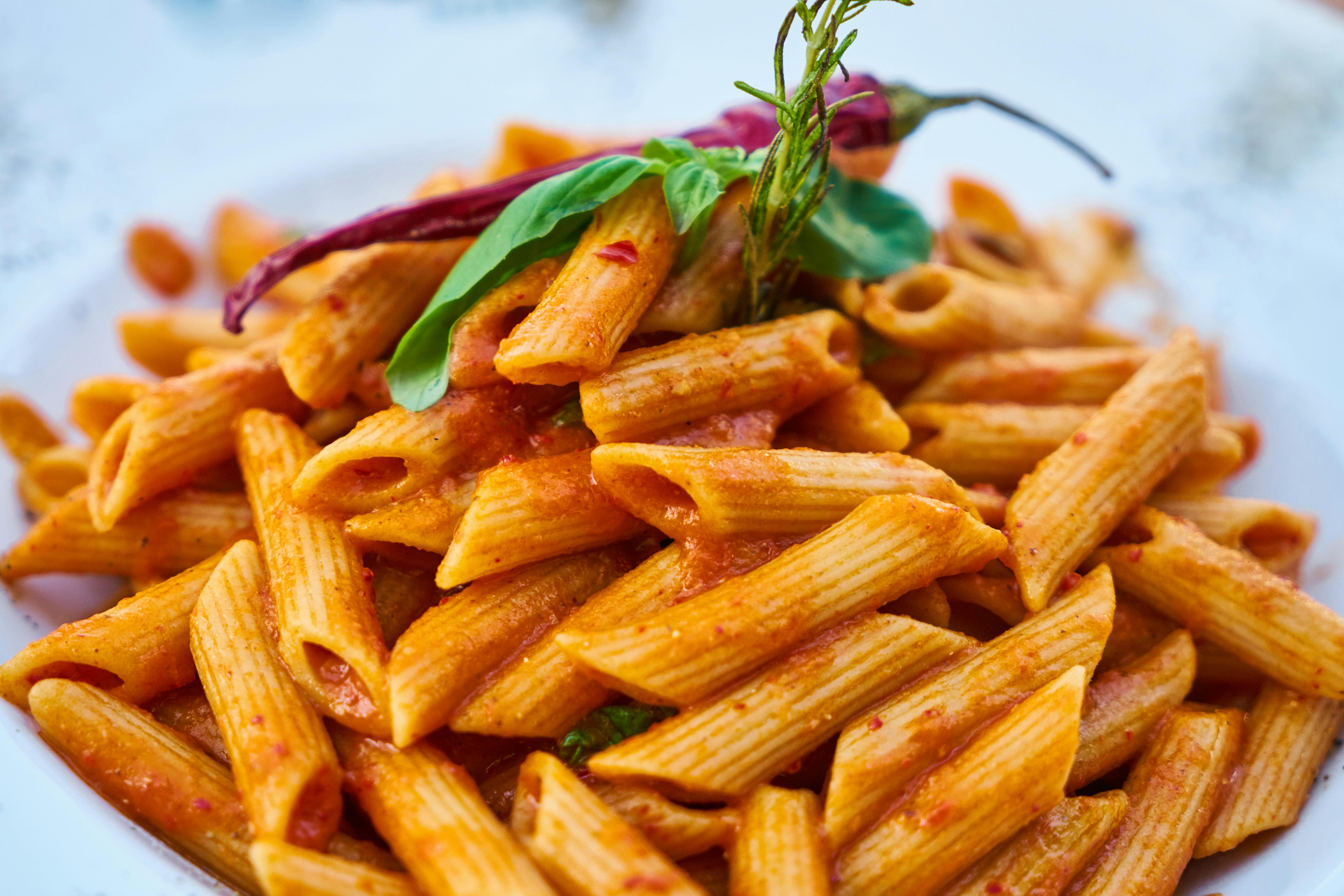
Why Mediterranean & Blue Zone Eating Are Trending Now
While rapid weight-loss plans and celebrity detoxes flare up and fade away, the Mediterranean diet and Blue Zone–inspired eating keep quietly winning in both research labs and real kitchens. They are less about shrinking your body in 30 days and more about helping you reach 80, 90, or even 100 with energy, mobility, and a sharp mind.
- Longevity fascination: Books, Netflix series, and podcasts about “living to 100” have sparked curiosity about regions like Ikaria (Greece) and Okinawa (Japan), where people live longer with fewer chronic diseases.
- Science over spectacle: After decades of data, Mediterranean-style patterns are consistently linked with lower risks of heart disease, stroke, type 2 diabetes, and some cancers—without strict rules.
- Brain & mental health: Emerging research connects Mediterranean eating with lower rates of depression and slower cognitive decline, making it especially appealing for those thinking about brain health and burnout.
Core Principles of Mediterranean Diet 2.0
Mediterranean Diet 2.0 is less a strict rulebook and more a set of delicious habits. Picture a table filled with vegetables and beans, generous splashes of olive oil, a little tangy cheese, the occasional piece of fish, and conversation that lingers long after the plates are clean.
- Plant-forward plates: Vegetables, fruits, legumes (beans, lentils, chickpeas), whole grains, nuts, and seeds form the backbone of most meals, bringing fiber, antioxidants, and an array of minerals and vitamins.
- Healthy fats first: Extra-virgin olive oil is the star, supported by nuts, seeds, and naturally fatty fish like salmon and sardines for heart- and brain-protective fats.
- Moderate animal products: Fish and seafood show up a few times a week; eggs and fermented dairy (like yogurt) appear in modest amounts; red meat is saved for special occasions.
- Minimal ultra-processed foods: Sugary drinks, processed meats, and refined sweets exist on the fringe, not at the center of daily eating.
- Social, slow, and active: Meals are shared, often eaten slowly, woven into a lifestyle that includes walking, gardening, and gentle daily movement.
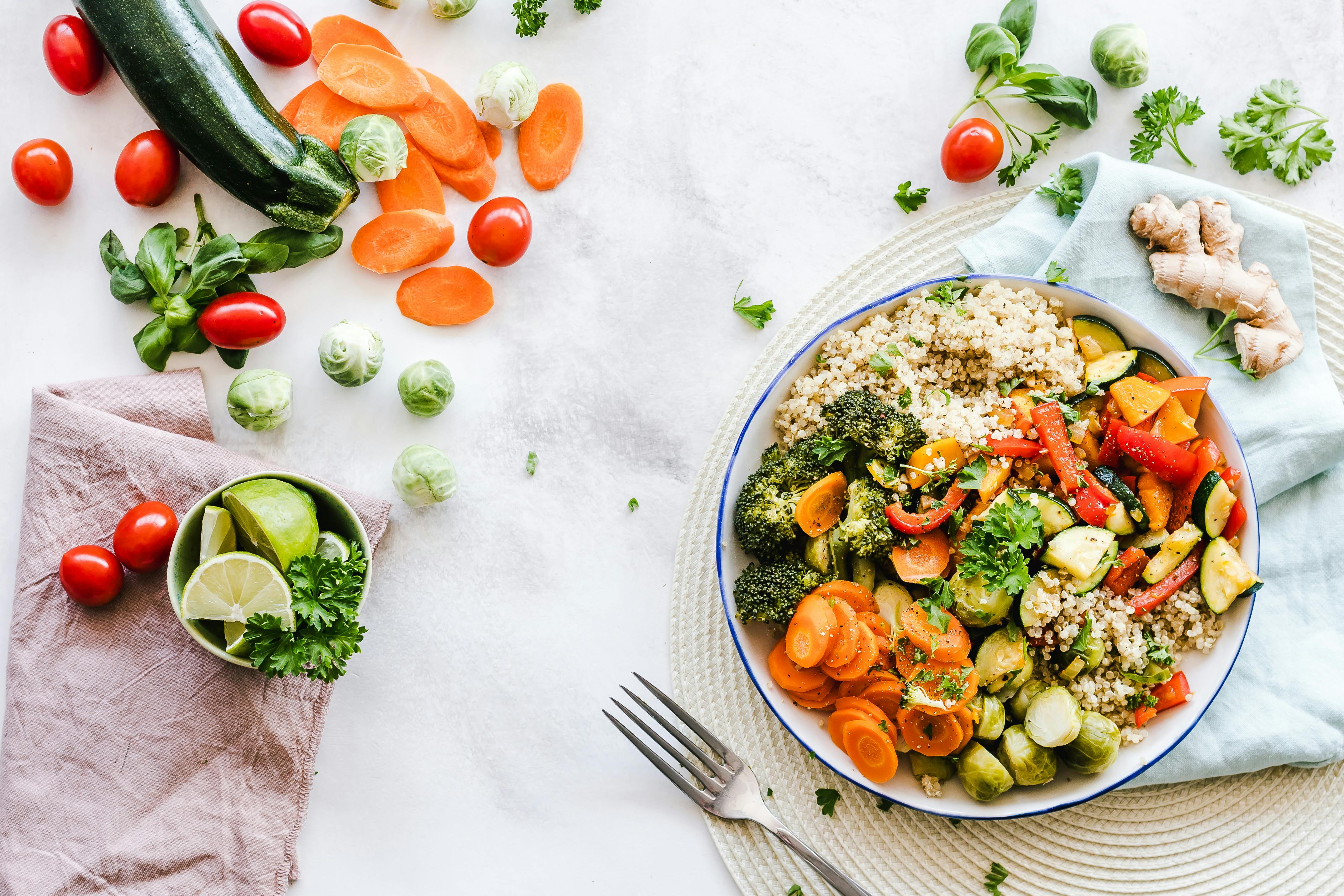
Blue Zones & How They Shape Mediterranean Diet 2.0
Blue Zones—like Ikaria in Greece, Sardinia in Italy, Nicoya in Costa Rica, Okinawa in Japan, and Loma Linda in California—are places where people live exceptionally long, healthy lives. Despite cultural differences, their plates and routines share striking similarities.
- Beans as a daily staple: Lentils, chickpeas, black beans, and soy-based foods often provide the bulk of protein.
- Mostly plants, modest portions: Vegetables and whole grains come first; meat, when eaten, is typically in small amounts.
- Minimal ultra-processed foods: Packaged snacks, sodas, and refined sweets are rare in traditional Blue Zone patterns.
- Strong social ties: People eat together, move together, and stay connected across generations—something just as important as what’s on the plate.
Mediterranean Diet 2.0 blends these insights into everyday, practical meals—especially through simple bean dishes, vegetable-packed grain bowls, and crowd-friendly stews.
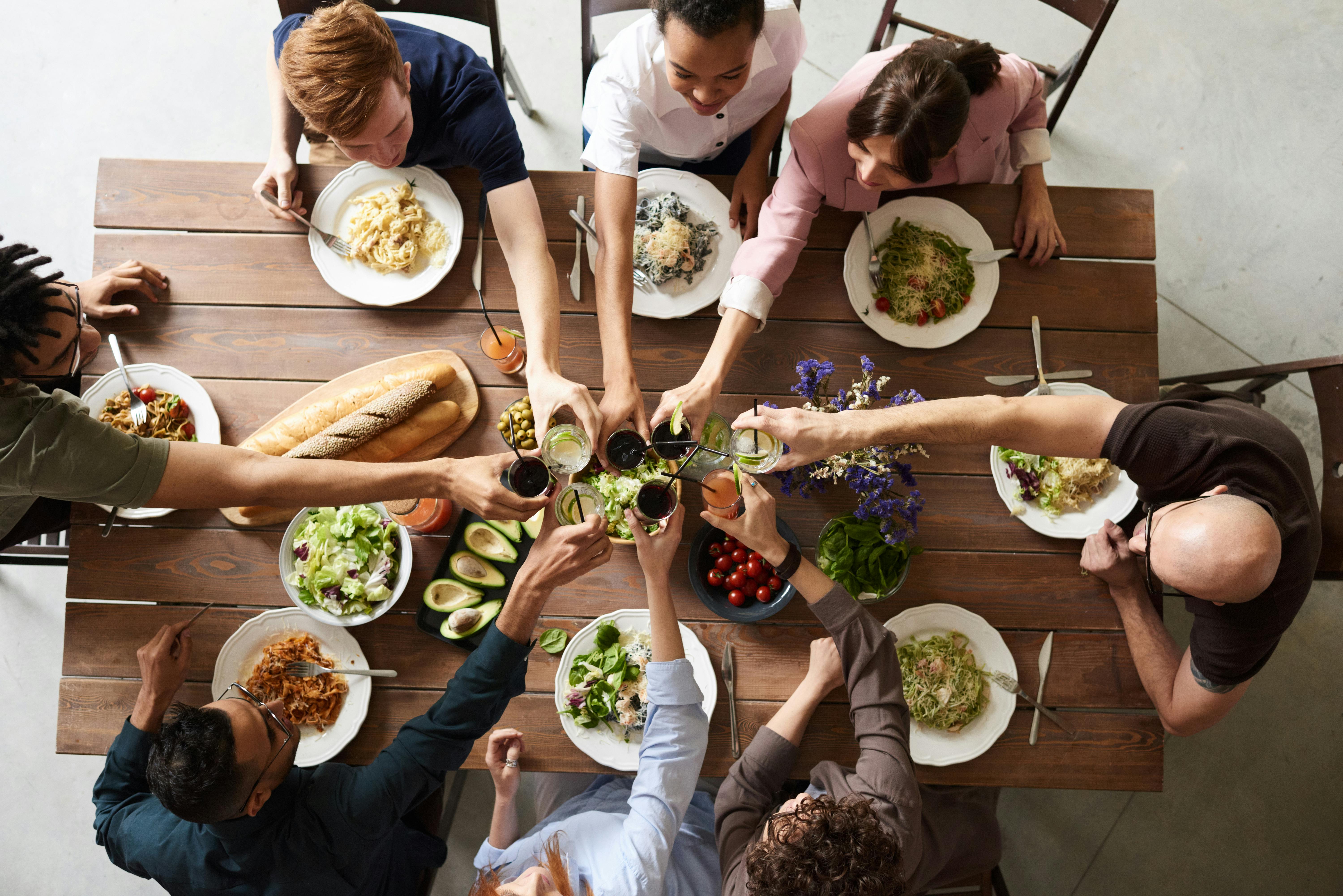
Brain Health Benefits: Eating for a Sharper, Calmer Mind
A big part of Mediterranean Diet 2.0’s appeal is its potential to support brain health and mood. While no single food can guarantee a disease-free future, eating this way seems to nourish the brain on multiple fronts.
- Healthy fats for brain cells: Monounsaturated fats from olive oil and omega-3s from fish and walnuts are critical building blocks for brain cell membranes.
- Antioxidant-rich plants: Berries, leafy greens, herbs, and colorful vegetables help combat oxidative stress, which is linked with cognitive decline.
- Steady blood sugar: Fiber-rich beans and whole grains support steady energy and can help avoid the mood dips associated with blood sugar spikes and crashes.
Mediterranean Chickpea & Roasted Vegetable Bowl (Blue Zone–Inspired)
Quick Recipe Overview
| Prep time | 20 minutes |
|---|---|
| Cook time | 30 minutes |
| Total time | 50 minutes |
| Servings | 4 bowls |
| Difficulty | Easy (great for weeknights) |
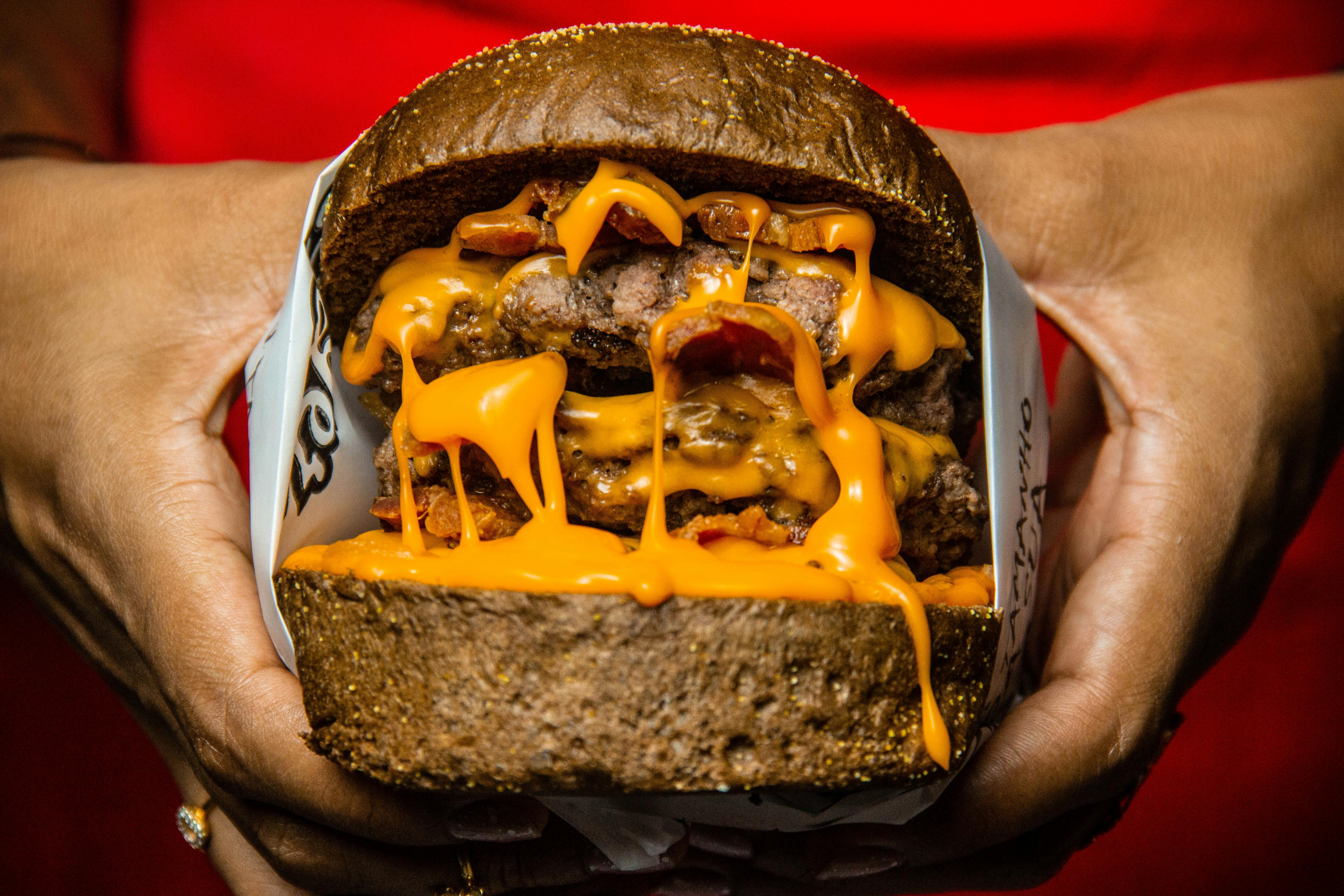
Ingredients
Base
- 1 cup (185 g) dry quinoa or farro, rinsed
- 2 cups (480 ml) low-sodium vegetable broth or water
Roasted vegetables
- 1 medium red onion, sliced into wedges
- 1 medium zucchini, sliced into half-moons
- 1 red bell pepper, sliced
- 1 small eggplant, cubed (about 2 cups / 250 g)
- 1 cup (150 g) cherry tomatoes
- 3 tbsp extra-virgin olive oil, divided
- 1 tsp dried oregano
- 1 tsp dried thyme or Italian seasoning
- 1/2 tsp sea salt (plus more to taste)
- Freshly ground black pepper, to taste
Protein & toppings
- 1 can (15 oz / 425 g) chickpeas, drained and rinsed
- 1/2 tsp smoked paprika (optional)
- 2 cups (60 g) baby spinach or arugula, loosely packed
- 1/3 cup (50 g) pitted Kalamata olives, halved
- 1/4 cup (30 g) crumbled feta cheese (optional, omit for vegan)
- 1/4 cup (10 g) chopped fresh parsley or basil
Lemon–olive oil dressing
- 2 tbsp extra-virgin olive oil
- 2 tbsp freshly squeezed lemon juice
- 1 small garlic clove, finely grated or minced
- 1 tsp Dijon mustard
- 1/4 tsp sea salt, or to taste
- Freshly ground black pepper, to taste
Step-by-Step Instructions
- Cook the grains.
Rinse the quinoa or farro under cool water.
In a medium saucepan, combine the grains with the vegetable broth or water. Bring to a boil over medium-high heat, then reduce to low, cover, and simmer:- Quinoa: about 15 minutes
- Farro: 25–30 minutes (until pleasantly chewy)
- Prep the vegetables.
Preheat your oven to 400°F (200°C). Line a large baking sheet with parchment for easy cleanup.
Add the red onion, zucchini, bell pepper, eggplant, and cherry tomatoes to the sheet. Drizzle with 2 tbsp olive oil, sprinkle with oregano, thyme, 1/2 tsp salt, and a few grinds of pepper. Toss gently with your hands to coat, then spread into an even layer so they roast rather than steam. - Roast until caramelized.
Roast the vegetables for 20–25 minutes, stirring once halfway. You’re looking for:- Soft, lightly browned eggplant
- Edges of the onion and zucchini turning golden
- Cherry tomatoes just beginning to burst and wrinkle
- Crisp the chickpeas.
While the vegetables roast, spread the chickpeas on a small baking sheet or oven-safe dish. Toss with 1 tbsp olive oil, smoked paprika (if using), and a pinch of salt and pepper.
Slide them into the oven during the last 10 minutes of vegetable roasting, until the chickpeas are warmed through and slightly crisp on the outside. - Whisk the dressing.
In a small bowl or jar, combine olive oil, lemon juice, minced garlic, Dijon mustard, salt, and pepper. Whisk or shake until creamy and emulsified. Taste and adjust:- More lemon for brightness
- More olive oil for richness
- Pinch of salt if it tastes flat
- Assemble the bowls.
Divide the warm grains between 4 bowls. Add a small handful of spinach or arugula to each; the residual heat will gently wilt the greens.
Spoon the roasted vegetables and crisped chickpeas over the top. Scatter with olives, then add feta (if using) and a shower of fresh parsley or basil.
Drizzle each bowl generously with the lemon–olive oil dressing. - Serve & savor.
Serve the bowls warm or at room temperature. Just before eating, finish with an extra squeeze of lemon and a final thread of olive oil over the top for that irresistible Mediterranean aroma.
Variations, Substitutions & Dietary Adaptations
One of the joys of Mediterranean and Blue Zone–style eating is how flexible it is. Use this bowl as a template and adapt it to your pantry, budget, and taste.
If you’re new to roasted vegetables, don’t worry about perfect knife skills—aim for roughly similar sizes so everything cooks evenly, and let the oven’s high heat do the rest of the work.
Storage, Meal Prep & Reheating Tips
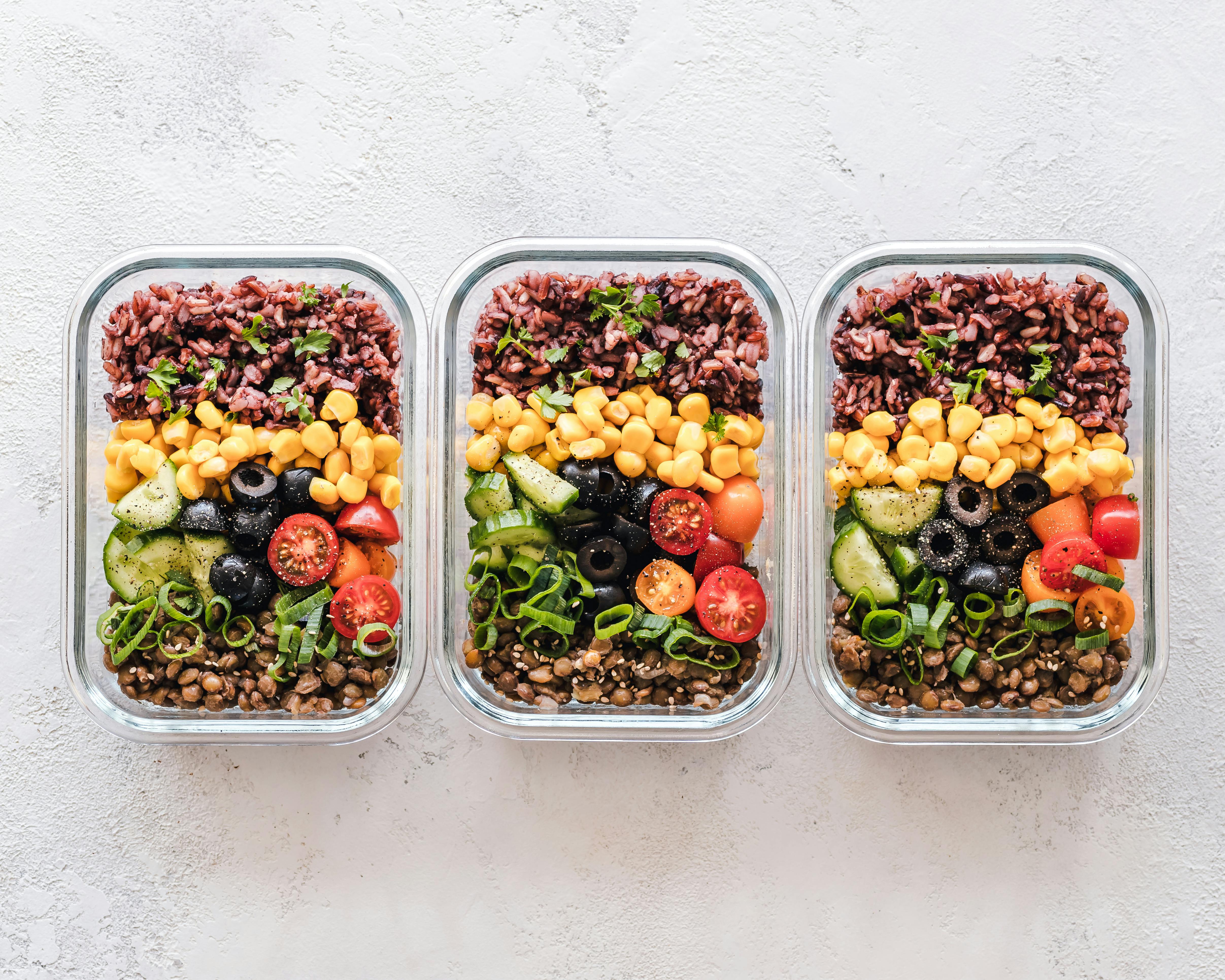
This Mediterranean chickpea bowl is made for meal prep and busy weeks. The flavors deepen as they sit, and the components hold up well.
- Storage: Store grains, roasted vegetables, chickpeas, greens, and dressing in separate airtight containers in the fridge for up to 4 days.
- Reheating: Reheat grains and roasted vegetables together in a skillet over medium heat with a spoonful of water or broth, or microwave in 30-second bursts until warm. Add greens, olives, feta, and dressing after reheating.
- Freezing: The cooked grains and roasted vegetables can be frozen for up to 2 months. Thaw overnight in the fridge and reheat gently. Chickpeas are best from the fridge, not frozen.
Serving Ideas & Complementary Dishes
Turn this Mediterranean bowl into a full Blue Zone–inspired feast with a few simple additions. Think of the table as a canvas: colorful, varied, and abundant.
- Simple starter: A plate of sliced cucumbers and tomatoes with a drizzle of olive oil, vinegar, and a pinch of oregano.
- Side salad: A leafy green salad with walnuts, thinly sliced red onion, and a light lemon vinaigrette.
- Extra protein: Grilled sardines or salmon on the side for an omega-3 boost.
- Whole-grain bread: A slice of rustic whole-grain or sourdough bread for dipping into any leftover dressing and juices.
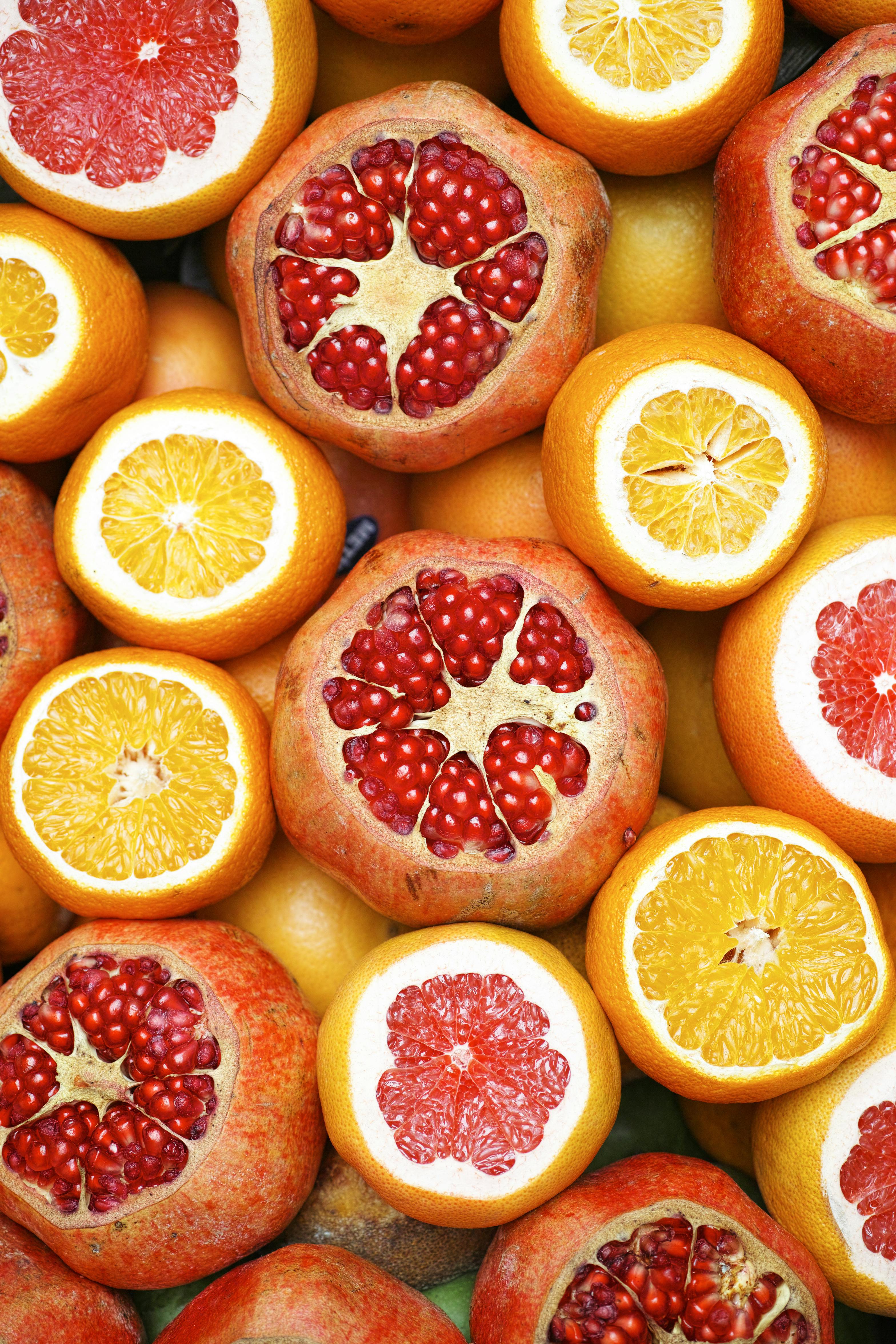
- Satisfying finish: Fresh seasonal fruit—like oranges, grapes, or berries—instead of heavy dessert.
Bringing Mediterranean Diet 2.0 into Your Everyday Life
Mediterranean and Blue Zone–style eating aren’t about perfection. They are about patterns: choosing beans a little more often, walking after dinner, cooking with olive oil, and lingering over meals with people you love.
“If you cook one colorful, plant-forward meal a day with plenty of olive oil and a side of conversation, you’re already living the spirit of Mediterranean Diet 2.0.”
Start with this chickpea and roasted vegetable bowl, then play. Swap in different beans, grains, or whatever vegetables are in season. Over time, your kitchen will naturally begin to look—and smell—a little more Mediterranean, and your meals will quietly support your heart, brain, and longevity with every satisfying bite.
