
Matter vs. Big Tech: The Hidden Battle for the Future of Your Smart Home
Smart‑home technology is no longer just about turning on lights with your voice. With the rollout of the Matter standard, renewed interest in local, privacy‑respecting automation, and aggressive moves by Amazon, Google, Apple, and Samsung, the connected home has become a live experiment in interoperability, AI, and data control. Tech publications like Engadget, TechRadar, The Verge, and Wired are tracking this shift closely, while YouTube and TikTok creators showcase both seamless Matter setups and painful migration stories.
In this long‑form guide, we will unpack what Matter actually delivers today, how local control platforms like Home Assistant and Apple Home differ from cloud‑first approaches, and how Big Tech is using AI‑enhanced voice assistants and subscription services to keep you inside their walls. We will also look at practical use cases—energy optimization, security, aging‑in‑place—and outline concrete strategies to future‑proof your smart home.
Mission Overview: What Is Really at Stake in the Smart‑Home Battle?
At a high level, three forces are colliding:
- Matter, a vendor‑neutral standard promising cross‑platform compatibility.
- Local control, driven by privacy concerns, cloud outages, and subscription fatigue.
- Ecosystem lock‑in, as major platforms add AI and services that work best with their own devices.
“The smart home is where abstract debates about privacy, interoperability, and AI suddenly become very literal. It’s your locks, your cameras, your energy bill, and your most personal data.”
— Paraphrasing coverage trends across The Verge, Wired, and Engadget (2025–2026)
From a consumer standpoint, the “mission” is simple: build a smart home that is reliable, secure, and easy to use, without getting trapped in an ecosystem that may change its rules—or its subscription prices—at any time.
Technology: How Matter Works and Where It Stands in 2026
Matter is a smart‑home interoperability standard created by the Connectivity Standards Alliance (CSA) and backed by Amazon, Apple, Google, Samsung, and dozens of manufacturers. After a rocky launch, 2024–2026 have seen steady, if slow, progress in device support and stability.
Key technical ideas behind Matter
- Common application layer: Matter defines a shared language for devices (lights, locks, sensors, media players, etc.) so that controllers from different vendors can understand and manage them.
- IP‑based networking: Matter runs over standard Internet Protocol (IPv6) using Wi‑Fi, Ethernet, or Thread. This makes it more future‑proof than legacy proprietary radio protocols.
- Multi‑admin support: One Matter device can be controlled by multiple ecosystems at the same time—for example, Apple Home and Google Home—without duplicate devices.
- Stronger security model: It uses certificate‑based authentication and end‑to‑end encryption between controllers and devices.
Versions Matter 1.3 and 1.4 (rolling out through late 2025 and early 2026) have expanded support from basic lighting and plugs to more complex categories:
- Lighting, switches, and plugs
- Door locks and contact sensors
- Thermostats and some HVAC controls
- Media playback devices and TVs
- Appliances like some robot vacuums and major kitchen devices (support is still uneven)
“Matter’s rollout has been slower and messier than the marketing promised, but it’s undeniably moving the industry toward a more interoperable baseline.”
— Synthesizing analyses by The Verge’s smart‑home team and TechRadar
Where Matter works well—and where it still falls short
- Works well for basic lighting and plugs: multi‑admin really does let one bulb appear in multiple apps.
- Improving for locks and sensors: firmware updates from brands like Yale, Aqara, Eve, and others are growing more stable.
- Still weak for cameras, advanced security systems, and complex appliances: these remain heavily proprietary in 2026.
- Limited by ecosystem implementation: even if a device supports a Matter feature, each ecosystem (Alexa, Google Home, Apple Home, SmartThings) may expose a different subset of that functionality.
Enthusiast platforms like Home Assistant’s Matter integration docs and community‑maintained compatibility charts have become essential for understanding what really works in practice.
Local Control and Privacy: Taking the Cloud Out of Everyday Automations
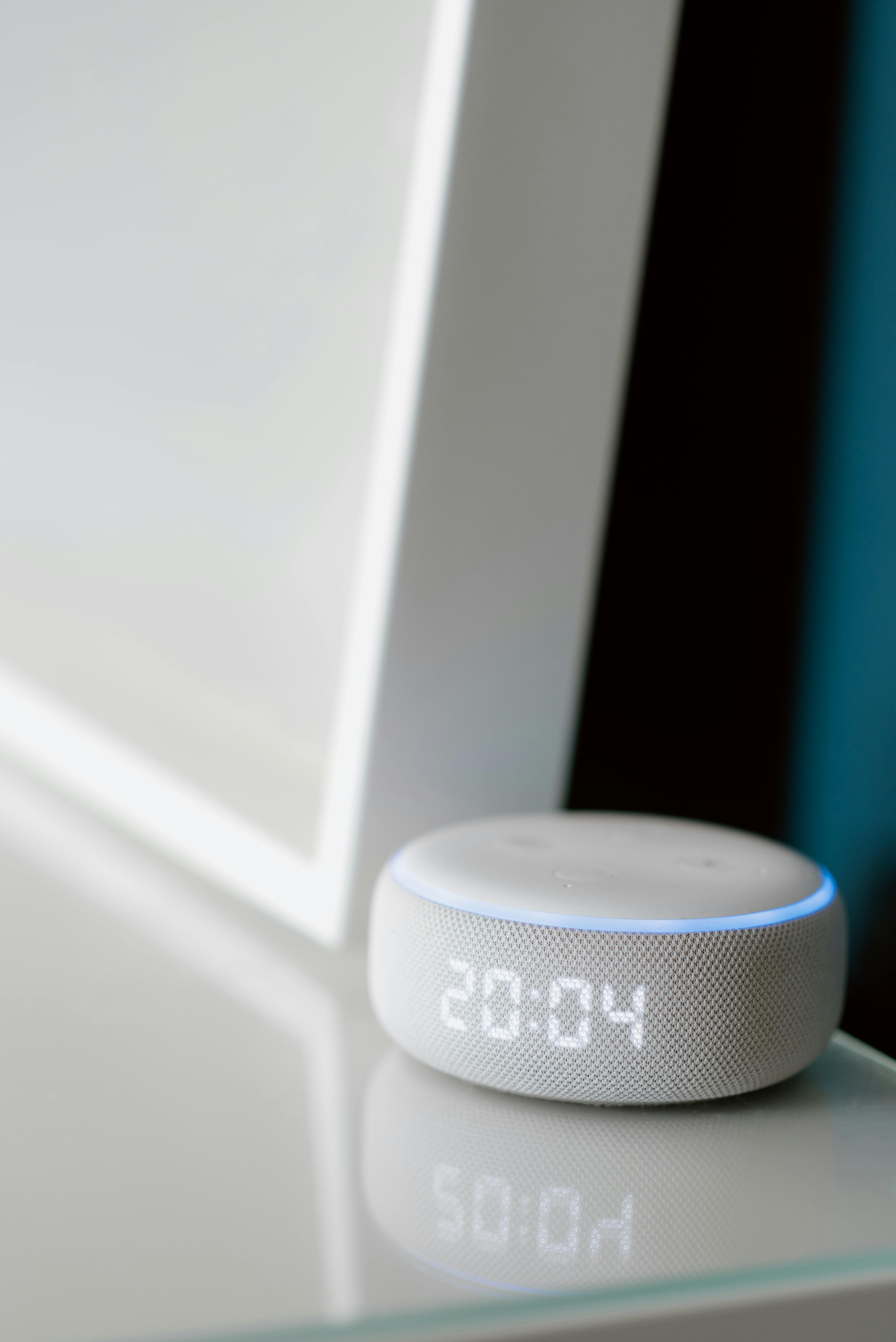
After a decade of cloud‑centric smart‑home products, outages, privacy scandals, and subscription creep have generated a strong backlash. Enthusiasts on Reddit, Hacker News, and dedicated Discord servers are shifting toward platforms that can run locally, with the cloud used only when truly necessary.
Why local control matters
- Reliability: Your lights and sensors continue to work even if your internet is down or a cloud service is discontinued.
- Latency: Local automations (e.g., motion triggers) execute in tens of milliseconds instead of going to a remote data center and back.
- Privacy: Less event data (door opens, motion detected, lights on) leaves your home network.
- Cost control: You avoid the growing number of “cloud unlocks advanced features” subscriptions tied to basic hardware.
Leading local or local‑first platforms in 2026
Several platforms are at the center of the local‑control movement:
- Home Assistant: An open‑source platform that runs on PCs, NAS devices, or small boards like the Raspberry Pi. It can host Matter, Zigbee, Z‑Wave, and Wi‑Fi devices and supports complex automations via YAML or GUI editors.
- Apple Home / HomeKit: Many automations execute directly on HomePods, Apple TV, or iPad hubs, and Apple has expanded on‑device processing for some Siri requests in iOS and HomePod updates through 2025 and 2026.
- Local‑friendly hubs from vendors like Hubitat and some newer Thread border routers that expose local APIs.
“If your lights stop working because a server 2,000 miles away is offline, that’s not a smart home—it’s a fragile home.”
— Common sentiment summarized from Home Assistant and Hacker News communities (2024–2026)
On‑premise voice assistants and AI
A parallel trend is running voice assistants locally or in a hybrid fashion:
- Projects like Rhasspy, OpenVoiceOS, and Home Assistant’s evolving voice stack aim to keep wake‑word detection and some intent processing on‑device.
- Apple, Google, and Amazon are each moving some speech recognition and personalization to devices (e.g., recent Apple announcements about on‑device Siri processing and generative AI features).
For privacy‑conscious users, this hybrid model—local for routine commands, cloud only for complex queries—is becoming the default goal.
Ecosystem Lock‑In vs. Interoperability: Amazon, Google, Apple, and Beyond
Matter was supposed to make ecosystem choice less important: buy any device, pair it with any platform. In reality, Matter has reduced the worst compatibility issues but has not ended ecosystem competition. Instead, platform battles have moved up the stack to AI, services, and subscription‑based features.
How the big ecosystems are positioning themselves
- Amazon Alexa
Focused on affordability, broad device support, and integration with Amazon’s retail and media services. Recent “Alexa with generative AI” updates emphasize more conversational, proactive suggestions, and integration with Ring, Blink, and eero routers. - Google Home / Google Assistant
Emphasizes context‑aware help, integration with Android and Nest devices, and Google’s broader AI stack. Google Home’s revamped app and script editor enable surprisingly advanced automations, though still cloud‑heavy. - Apple Home / Siri
Leans on privacy branding, end‑to‑end encryption for many HomeKit categories, and deep integration with iOS, watchOS, and macOS. Apple’s 2025–2026 AI push is designed to keep personal context on‑device when possible. - Samsung SmartThings
Strong Matter and Thread support, integration with Samsung appliances and TVs, plus partnerships with energy providers in certain regions.
Lock‑in mechanisms to watch for
- Exclusive features (e.g., video doorbell preview on specific smart displays only).
- Bundled subscriptions for advanced video history, AI alerts, or professional monitoring.
- Data silos: using usage data to improve services, but not exposing that intelligence if you switch ecosystems.
- Proprietary automations that cannot be exported or translated to another platform.
“Matter may free your light bulb, but your automation graph—and all the useful context it contains—often remains chained to a single ecosystem.”
— Interpreting ecosystem analyses from smart‑home reviewers at Engadget and The Verge (2025–2026)
Practical strategies to avoid deep lock‑in
- Prefer devices that explicitly support Matter and, where relevant, open protocols like Zigbee or Z‑Wave.
- Keep critical automations in a local controller like Home Assistant or a local‑first hub when possible.
- Use ecosystem apps (Alexa, Google Home, Apple Home) primarily as “front‑ends” rather than the sole brains of your system.
- Avoid irreplaceable, proprietary cloud automations for security‑critical tasks like locks or alarms.
Scientific and Societal Significance: Energy, Security, and Aging‑in‑Place
The smart‑home conversation has moved beyond novelty gadgets. Researchers, regulators, and insurers now see connected devices as tools for energy management, crime prevention, and assistive care—raising new policy and ethical questions.
Energy management and grid integration
Smart thermostats, EV chargers, and flexible loads (heat pumps, water heaters) are key to modernizing electricity grids. Studies from organizations like the International Energy Agency (IEA) and U.S. labs show that coordinated demand‑side management can significantly reduce peak loads.
- Demand‑response programs let utilities nudge thermostats or shift EV charging to off‑peak hours.
- Smart plugs and sub‑metering devices provide granular data for optimizing usage.
- Local controllers can implement custom energy rules (e.g., only charge the car when solar production is high).
Smart‑home reviewers increasingly benchmark devices on energy features, not just convenience. Matter’s evolving support for energy management clusters may eventually standardize how this data flows between ecosystems, utilities, and local controllers.
Security and privacy trade‑offs
Video doorbells, smart locks, and alarm systems promise safer homes, but they also generate highly sensitive data. Reports in Wired and The Next Web have highlighted concerns about:
- Law‑enforcement access to cloud‑stored video footage.
- Data sharing with insurers or third‑party analytics firms.
- Risks from poorly secured IoT devices being recruited into botnets.
“Security isn’t just ‘add a camera.’ It’s a continuous process of hardening your network, minimizing data exposure, and planning for failure modes.”
— Reflecting guidance from security researchers and reports cited by Wired’s IoT coverage
Aging‑in‑place and assistive technology
Smart‑home technology is also becoming an assistive layer for older adults and people with disabilities:
- Fall‑detection sensors and wearables integrated with smart lighting and alerts.
- Voice‑controlled lights, blinds, and doors to reduce physical strain.
- Medication reminders via smart speakers and displays.
Research highlighted by publications like npj Digital Medicine explores how continuous, privacy‑preserving monitoring can support independent living without turning homes into surveillance environments.

Milestones: How We Got Here, 2017–2026
The current inflection point is the result of nearly a decade of incremental steps. A rough timeline helps explain today’s landscape:
Key milestones in the smart‑home and Matter journey
- 2017–2019: Rapid growth of Alexa and Google Assistant; fragmented device ecosystems; cloud‑only mentality dominates mainstream products.
- 2019–2021: CHIP (Connected Home over IP), the precursor to Matter, is announced. Home Assistant and other DIY hubs gain popularity among power users.
- 2022–2023: Matter 1.0 launches with limited device categories; early reviews are skeptical about maturity and ecosystem implementation.
- 2024–2025: Matter 1.2–1.3 improve stability and add device types; first credible multi‑admin setups appear in major reviews; local‑first discussions intensify.
- 2025–2026: Big Tech integrates generative AI into voice assistants; Matter support widens across sensors, locks, and media devices; debate shifts from “Does Matter work?” to “Who controls your data and automations?”
Tech journalism and creator content have played a major role throughout this period. YouTube channels such as Smart Home Solver, Linus Tech Tips, and The Hook Up, along with TikTok creators focusing on “Matter hubs” and “local smart homes,” have influenced purchasing decisions as much as traditional reviews.
Challenges: Fragmentation, Half‑Baked Standards, and Real‑World Complexity
Despite progress, the smart‑home experience in 2026 is far from frictionless. Consumers and professionals alike face a set of persistent challenges.
Technical and UX challenges
- Incomplete Matter feature coverage: Not all device capabilities are modeled in Matter yet, forcing manufacturers to maintain parallel proprietary integrations.
- Inconsistent ecosystem support: The same Matter device can expose different controls or reliability profiles across Alexa, Google Home, and Apple Home.
- Complex setup flows: Pairing devices via QR codes, bridging legacy hubs, and managing Thread border routers remain confusing for non‑experts.
- Firmware fragmentation: Reliability often depends on whether a manufacturer keeps shipping updates, which is far from guaranteed.
Policy and ethical issues
- Data governance: Who owns the telemetry generated by your devices? How is it used for advertising, risk scoring, or algorithmic decisions?
- Right‑to‑repair and longevity: Will devices remain functional and secure for 5–10 years, or require replacement when cloud support ends?
- Algorithmic bias in AI‑driven security assessments (e.g., which events are flagged as “suspicious”).
Consumer‑level pitfalls
At a practical level, many households run into predictable pain points:
- Buying “cheap” devices with no clear update policy and weak security.
- Relying entirely on cloud scenes and routines without a migration plan.
- Over‑automating the home so that manual control becomes confusing or unreliable.
Publications like Wired and The Verge frequently emphasize starting small, validating reliability, and documenting your setup—especially for complex households with roommates or family members who are less tech‑inclined.

Practical Guide: Building a Future‑Proof, Privacy‑Respecting Smart Home
For readers inspired by Engadget, TechRadar, or The Verge, the key is to translate all this into practical design decisions. You do not need a PhD in networking to build a resilient smart home, but you should approach it with a simple architecture plan.
Step‑by‑step architecture strategy
- Define your priorities
Decide early what matters most: convenience, privacy, budget, or experimentation. Your answers will influence whether you lean toward:- Apple‑centric privacy and local processing,
- Alexa/Google for widest device choice and voice features,
- Home Assistant or similar for maximum local control and flexibility.
- Pick a primary local controller or hub
Even if you rely on Alexa or Google Assistant, consider a local “brain”:- Home Assistant on a small PC or Raspberry Pi.
- A local‑friendly commercial hub (e.g., Hubitat‑style models).
- Apple Home with a HomePod or Apple TV acting as the main hub.
- Standardize on open protocols where possible
Favor:- Matter‑enabled devices with clear firmware support commitments.
- Zigbee or Thread sensors and switches for reliability and low latency.
- Wi‑Fi devices only from reputable brands with good security track records.
- Keep security and backup paths in mind
Ensure that:- Critical devices (locks, garage doors) always have a manual override.
- Your router and Wi‑Fi network are locked down (unique passwords, strong encryption, guest networks for IoT).
- You document device locations, login credentials, and reset procedures.
Helpful tools and learning resources
- Home Assistant documentation and community blueprints.
- YouTube channels such as Smart Home Solver, The Hook Up, and other creators focusing on Matter migrations and local automations.
- Smart‑home sections of Engadget and The Verge for device reviews with Matter and local‑control testing.
Recommended Gear: Building Blocks for a Robust Smart Home
While specific product choices depend on your ecosystem, some categories and models are widely respected in the U.S. market as of 2026. The links below point to popular options that integrate well with Matter or local‑first platforms.
Hubs and controllers
- Raspberry Pi 4 or 5 (for Home Assistant or other DIY controllers) – see current Raspberry Pi kits on Amazon, such as the CanaKit Raspberry Pi 4 8GB Starter Kit: CanaKit Raspberry Pi 4 8GB Starter Kit on Amazon .
- Apple TV 4K (latest generation) as a powerful Apple Home hub and Thread border router: Apple TV 4K on Amazon .
Lighting and sensors
- Philips Hue smart bulbs and bridges, many of which now support Matter and work reliably with multiple ecosystems: Philips Hue White and Color Ambiance Starter Kit on Amazon .
- Aqara contact and motion sensors for doors, windows, and occupancy detection, often used with Home Assistant and Matter bridges: Aqara Door and Window Sensor on Amazon .
Network infrastructure
- Mesh Wi‑Fi systems with robust IoT handling (e.g., TP‑Link Deco, eero, ASUS ZenWiFi)—good Wi‑Fi is foundational to a stable smart home.
Always verify that any product you buy still supports Matter or the local‑control features you need, as firmware updates and product lines evolve quickly.
Conclusion: Designing a Smart Home That Works for You—Not Just for Big Tech
The battle for your smart home is ultimately about control: Who defines how your devices behave, where your data goes, and how much you pay over time? Matter, local control, and AI‑enhanced ecosystems are the tools being deployed on all sides of this struggle.
For science‑ and technology‑savvy readers, the best path forward is to treat your home as a modular system. Use Matter and open protocols to keep your options open, adopt local controllers to safeguard reliability and privacy, and engage critically with the glossy AI features offered by Amazon, Google, Apple, and others.
If you approach the smart home as an evolving architecture rather than a pile of gadgets, you can benefit from innovation without ceding long‑term control to any single platform.
Further Reading, Research, and Videos
To deepen your understanding and stay current as standards and ecosystems evolve, consider the following resources:
- Connectivity Standards Alliance – Official Matter page for specifications and device category updates.
- The Verge Smart Home coverage for critical ecosystem analysis and device reviews.
- TechRadar Smart Home for practical reviews that now routinely check Matter and local support.
- Engadget smart‑home articles for news on platform shifts and AI integrations.
- YouTube search: “Matter smart home Home Assistant” for real‑world migration and configuration walkthroughs.
Following respected security researchers and technologists on professional networks like LinkedIn and X (Twitter)—for example, Bruce Schneier and others working on IoT security—can also help you anticipate new risks and best practices before they hit mainstream coverage.
References / Sources
- Connectivity Standards Alliance – Matter Overview
- The Verge – Smart Home Section
- Engadget – Smart Home Coverage
- TechRadar – Smart Home
- Wired – Internet of Things
- Home Assistant – Official Documentation
- International Energy Agency – Digital Demand‑Driven Electricity Systems
- npj Digital Medicine – Smart health and aging‑in‑place research
