
Matlock Season 2 Finale Explained: Wellbrexa Verdict, Shocking Arrest, and the Bold Season 3 Reboot Plan
Breaking Down Matlock’s Season 2 Finale and What It Means for That Big Season 3 Reboot
TV courtroom dramas love a good twist, but Matlock’s Season 2 finale doesn’t just close the book on the controversial Wellbrexa case—it tears out a few pages and hints at writing a whole new chapter. In a post-finale breakdown with TVLine, the series boss unpacked the verdict, the fallout, and a surprisingly bold plan for Season 3 that involves a creative reboot and a time jump.
For a show that reimagines a comfort-TV staple, this finale feels like a mission statement: Matlock wants to honor its roots while staying nimble enough to comment on Big Pharma, corporate power, and the justice system in 2020s TV terms.
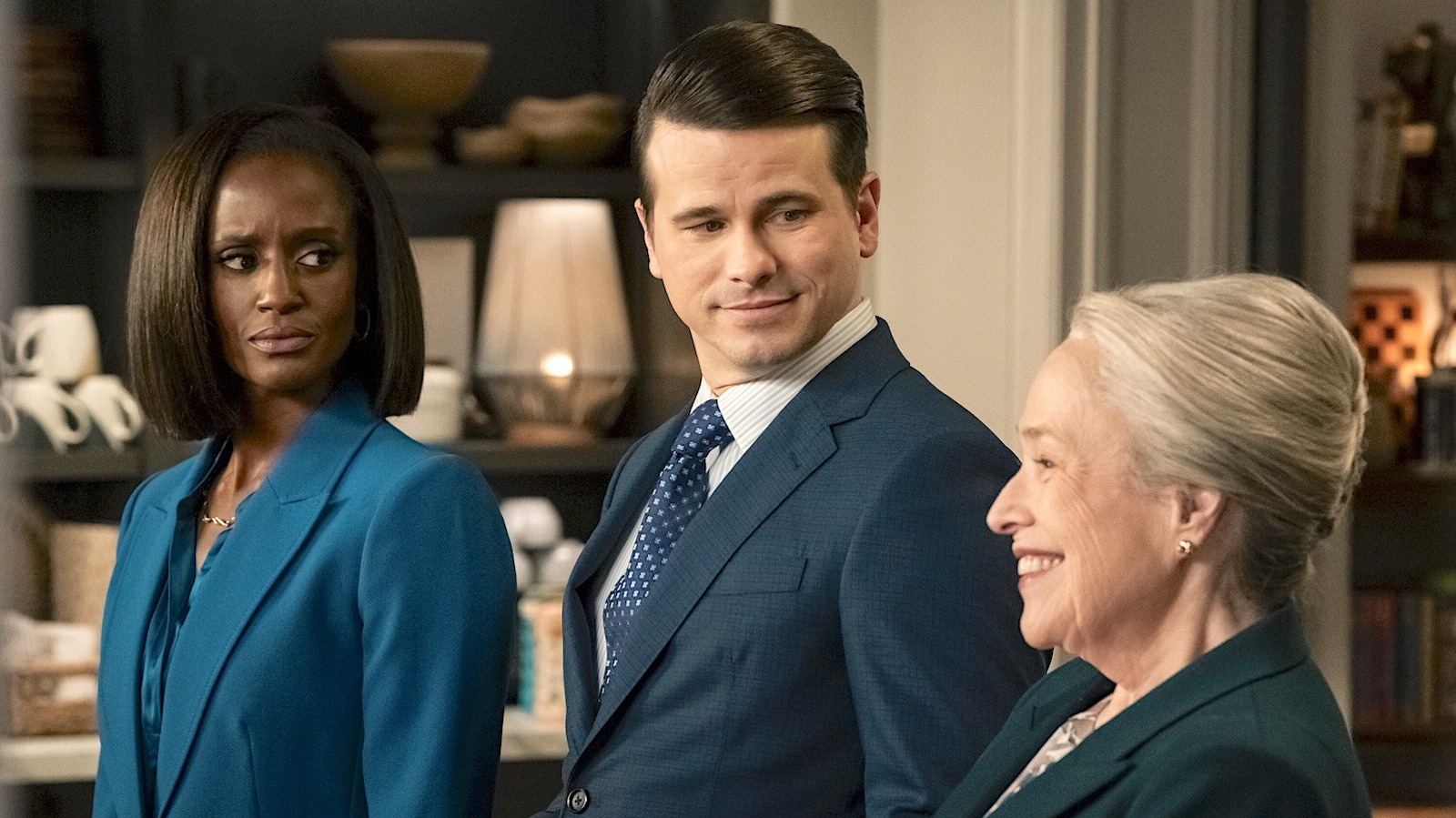
The Wellbrexa Verdict: How Season 2 Finally Closed Its Big Pharma Case
All season long, the Wellbrexa storyline has been a slow-burn centerpiece: a fictional prescription drug with very real-world echoes of lawsuits tied to side effects, corporate coverups, and manipulated clinical data. The finale finally delivers a verdict that threads the needle between drama and plausibility.
- The court acknowledges the harm caused by Wellbrexa.
- Corporate responsibility becomes the focal point, not just one “bad apple.”
- The ruling leaves room for future legal and moral fallout.
Instead of opting for a clean “good guys win, bad guys lose” outcome, the finale leans into ambiguity: legal justice and moral justice don’t perfectly align, which fits with the show’s updated take on courtroom storytelling in the streaming era.
“We always saw the Wellbrexa case as more than just a villain-of-the-week. It’s about how the system bends when huge money is at stake.”
— Showrunner, speaking to TVLine on the Season 2 finale

Why the Wellbrexa Storyline Matters in Today’s TV Landscape
The Wellbrexa arc lands at the intersection of three current TV obsessions: ripped-from-the-headlines legal drama, corporate scandal storytelling, and legacy IP reboots. From Dopesick to Painkiller, prestige TV has been circling Big Pharma. Matlock filters that trend through an accessible network-TV lens.
Culturally, this kind of case taps into:
- Mistrust of large institutions, especially healthcare and pharma.
- Audience appetite for stories where the “little guy” pushes back.
- Reboots that justify their existence by tackling modern issues.
That last point is crucial. Rebooting Matlock without giving it a contemporary ethical backbone would risk the show feeling like nostalgia cosplay. The Wellbrexa case gives it stakes beyond “case of the week” comfort.

The Finale’s Big Arrest: Twists, Consequences, and Character Fallout
The final minutes don’t just settle the case—they upend the status quo. A key character is arrested in connection with the Wellbrexa scandal, reframing the season we just watched and setting emotional stakes for Season 3.
- It personalizes a systemic case, making the fallout hit closer to home.
- It keeps the show from treating activism and idealism as consequence-free.
- It hands the writers a clean legal hook for the next season.
This move aligns with the trend in modern network dramas: you get the episodic closure, but there’s always one more domino tipped over to pull you into the next season. It also places Matlock closer to shows like The Good Wife and How to Get Away With Murder, where the lawyers’ lives are as legally fraught as their clients’.

Handling Billy’s Exit: Creative Course Correction Without the Gossip
Earlier in Season 2, the show quietly wrote out Billy, played by David Del Rio. TVLine specifically sidestepped any off-screen drama and focused on the creative side, which is notable in itself. The showrunner made it clear they’d had plans for the character, but the departure forced them to re-balance the ensemble.
Creatively, that kind of pivot can be a blessing in disguise:
- It lets the writers redistribute story weight to underused characters.
- It can sharpen the show’s tone—fewer side plots, more focus.
- It gives Season 3’s “reboot” even more reason to shake up dynamics.
“When a character leaves, you’re forced to ask what the show really is. In some ways, Billy’s exit helped clarify the version of Matlock we wanted to lean into.”
— Showrunner on recalibrating the ensemble
For viewers, the key question is whether the post-Billy dynamic feels like loss or opportunity. The finale, and its confident long-game with Wellbrexa, suggests the writers see it as the latter.
Inside the Season 3 Plan: A Creative Reboot and Time Jump
The most intriguing nugget from the TVLine conversation is the tease of a “creative reboot” and a time jump in Matlock Season 3. This isn’t a full-on anthology reset, but it’s more than just “new case, same vibes.”
Based on the showrunner’s hints, expect:
- A time jump that lets the writers:
- Skip past immediate legal logistics of the finale’s arrest.
- Re-introduce characters with changed alliances and status.
- Show real-world consequences without dragging through every procedural step.
- A tonal refresh that keeps the courtroom at the center but leans harder into serialized fallout and character-driven stakes.
- New cases with a broader lens on systemic injustice, not just quirky one-off defendants.
Season 2 in Review: Strengths, Weaknesses, and the Path Forward
With the Wellbrexa finale as its capstone, Season 2 of Matlock lands in that tricky middle ground: not full prestige-TV, not purely comfort-food procedural either. That can be a strength and a limitation.
What Worked
- Topical storytelling: The Wellbrexa arc gives the reboot real-world urgency.
- Character stakes: The finale’s arrest makes the lawyers’ moral choices feel weighty.
- Legacy respect: The show still understands the appeal of a well-argued case and a satisfying courtroom reveal.
Where It Stumbled
- Uneven pacing: The slow burn of the Wellbrexa storyline occasionally clashed with the need for episodic closure.
- Ensemble juggling: Billy’s exit midstream highlighted how crowded, and sometimes underdeveloped, the supporting cast could feel.
- Identity tension: At times, the show seemed torn between being a nostalgic comfort watch and a sharper contemporary legal critique.
The teased reboot and time jump are, in a way, an admission that the show knows it can streamline and sharpen. That self-awareness bodes well: few reboots get a third season to course-correct.
Matlock’s Cultural Role: From Cozy Syndication to Corporate Reckoning
Rebooting Matlock was always a cultural flex: the original is shorthand for “your grandparents’ favorite courtroom show,” eternally rerunning in daytime slots. The new series has to speak to viewers who grew up with prestige TV, podcasts about corporate scandals, and true-crime TikToks.
The Wellbrexa finale suggests the reboot understands that the idea of Matlock—sharp legal mind, underdog clients, a system stacked against them—is timeless. What changes is the scale of the villain. Where the original often focused on individuals, the reboot looks up the corporate ladder.
If Season 3’s time jump leans even harder into these systemic stories while maintaining the weekly satisfaction of “a case solved,” Matlock could find a comfortable niche between nostalgia and relevance—closer to Blue Bloods meeting The Good Wife than to a simple remake.
Verdict on the Finale: A Confident Setup for a Risky but Promising Season 3
As a finale, the Wellbrexa wrap-up does what it needs to: resolves the central case, deepens the consequences, and opens the door to a more ambitious next chapter. It’s not flawless—pacing and tonal balance remain works in progress—but the willingness to pivot with a time jump and mini-reboot shows creative ambition that many reboots never reach.
Season 3 will ultimately determine whether Matlock is just a well-produced nostalgia play or a genuinely modern legal drama with something to say about power, responsibility, and who the law is really built to protect.
If the show can build on the Wellbrexa storyline’s mix of topical bite and character-driven stakes—while tightening its ensemble and fully embracing the reboot’s bolder tone—it has a real shot at turning this clever finale into the foundation of its strongest season yet.
