
Lindsie Chrisley Controversy: What Her Boyfriend’s Mug Shot Reveals About Reality TV, Crime, and Online Outrage
Lindsie Chrisley, a Bloody Mug Shot, and the Dark Side of Reality TV Headlines
By Staff Writer •
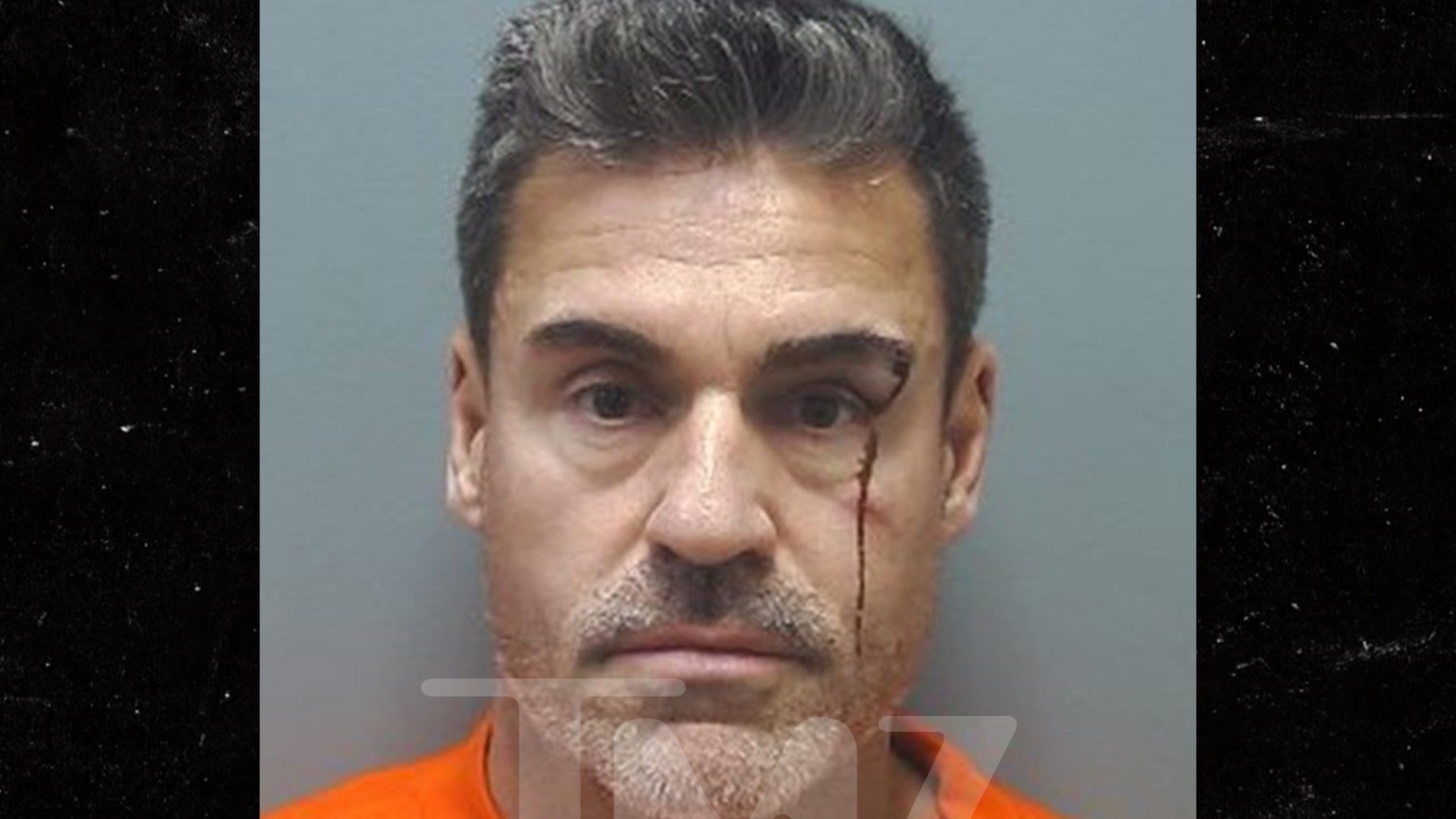
Reality TV personality Lindsie Chrisley is back in the headlines after her boyfriend, David, appeared in an aggravated assault mug shot with visible facial bleeding—an image now ricocheting across social media and celebrity news sites, igniting debates about domestic violence, media ethics, and the ever-blurrier line between entertainment and real life.
Who Is Lindsie Chrisley and What Happened?
Lindsie Chrisley is best known from Chrisley Knows Best, the USA Network reality series that followed Atlanta real estate mogul Todd Chrisley and his family. While she’s been estranged from parts of her family in recent years, her name has never fully left the tabloid cycle, especially following her parents’ widely publicized federal fraud convictions.
Now, she’s in the spotlight again—not for a TV project, but because of an alleged violent incident involving her boyfriend, identified in reports as David. According to early coverage from TMZ, David was arrested on suspicion of aggravated assault. His mug shot—where he appears to have cuts and blood on his face—has been widely circulated, prompting speculation that Lindsie may have fought back during the alleged attack.
Details are still emerging, and much of what’s circulating online is based on partial police information, unnamed law enforcement sources, and tabloid framing. It’s a reminder that “breaking news” is often just “incomplete news.”
Mug Shot Culture: When Crime Reporting Becomes Clickbait
The phrase that jumps out in early coverage is that “it seems like Lindsie might’ve fought back”—based largely on the image of David’s bloody mug shot. That’s a huge assumption to hang on a single photograph, and it shows how mug shots have become a kind of Rorschach test for the internet’s imagination.
“A mug shot is not a narrative, it’s a frozen fraction of a moment—and we mistake it for the whole story.”
Celebrity outlets like TMZ know that a dramatic booking photo practically markets itself. The more blood, bruises, and chaos the image suggests, the more it gets reposted, dissected, and turned into TikToks and YouTube commentary. That’s not unique to Lindsie Chrisley; it’s part of a broader media ecosystem where legal trouble functions like a twisted form of promotion.
It’s worth remembering that mug shots:
- Do not prove guilt or innocence
- Reveal nothing about who initiated violence, if any
- Are taken after an incident, not during it
- Often become permanent search results long after cases are resolved

Domestic Violence, Reality Stars, and the Limits of Internet Sleuthing
Stories like this sit at the uncomfortable intersection of domestic violence and celebrity gossip. The allegations are serious, but the packaging—thumbnails, headlines, push notifications—often treats them like the next twist in a reality show storyline.
In the absence of full police reports or court testimony, online commentary quickly turns into amateur detective work: freeze-framing the mug shot, speculating on defensive wounds, assigning blame. That’s dangerous, not just legally, but ethically. Survivors of domestic violence often watch these conversations closely, gauging whether the internet believes people in their position—or mocks them.
For context, the entertainment industry has seen a series of high-profile domestic violence cases in recent years, from the Johnny Depp–Amber Heard defamation trial to the legal troubles of various athletes and musicians. Each one has turned into a litmus test for whose stories the public believes and how comfortable we are treating real trauma as fandom sport.
From Chrisley Knows Best to Courtrooms: The Franchise No One Intended
The Chrisley brand was sold as aspirational Southern chaos: big houses, bigger personalities, and a patriarch who always had a snappy one-liner. But the show’s afterlife has been less sitcom and more prestige legal drama—just without the prestige.
- Todd and Julie Chrisley’s tax fraud and bank fraud convictions
- High-profile family feuds and public accusations
- Podcast tell-alls and social media subtweets
- Now, an alleged assault involving a family-adjacent relationship
Lindsie has, at times, tried to carve out space away from the Chrisley circus—through podcasting, influencer work, and independent media appearances. Yet her last name and family history mean that any personal crisis is instantly rebranded as “Chrisley Drama,” whether she wants it or not.

TMZ, Tabloids, and Our Role as the Audience
TMZ has built an entire media empire on being first: first with the footage, first with the booking sheet, first with the salacious headline. In this case, their reporting that Lindsie “might’ve fought back” leans on innuendo rather than hard evidence. It’s a classic tabloid maneuver—suggest just enough to keep you scrolling, without quite stating what can’t be legally backed up yet.
Critics have long argued that this approach blurs the line between journalism and spectacle. Still, TMZ’s track record for early, accurate scoops on some stories (from celebrity deaths to high-profile arrests) keeps them in the conversation—and in millions of people’s bookmarks.
“The trouble isn’t just that tabloids push the line—it’s that the audience keeps rewarding them when they do.”
As viewers, we have more power than we think. Traffic is currency. Every click on a gory thumbnail or sensational headline tells outlets this is the content we want, whether or not that’s actually true.
- Click through to more balanced coverage when possible.
- Wait for verified legal documents before forming firm opinions.
- Avoid sharing images that further humiliate alleged victims or suspects.
- Remember that mental health and safety often sit behind these headlines.
What We Know, What We Don’t, and Why That Matters Legally
Based on available reporting as of mid-April 2026, here’s the careful breakdown:
- Reported: Lindsie’s boyfriend, David, was arrested on suspicion of aggravated assault.
- Visual evidence: A mug shot shows him with apparent injuries and dried blood.
- Implied by outlets: Lindsie may have defended herself during the alleged attack.
- Not yet clear: Full timeline, witness statements, and final charges or case outcome.
None of this replaces the legal process. In the U.S., David is presumed innocent until proven guilty in court. Lindsie, for her part, deserves privacy and safety as someone reportedly connected to a violent incident, regardless of how famous her last name is.
It’s likely that more information will come from:
- Official police reports and charging documents
- Court hearings or plea agreements
- Any statements from Lindsie or her representatives
Where This Leaves Lindsie Chrisley—and Us
The image of David’s bloody mug shot will circulate far longer than most people will ever read a full article about the case. That’s the nature of viral visuals: they outlast context. For Lindsie Chrisley, this is another chapter in a public life that likely feels more like a never-ending courtroom than a reality show.
For viewers, the question is how we choose to engage. We can acknowledge the legitimate public interest in allegations of violence while resisting the urge to turn real people’s trauma into a spectator sport. Waiting for facts, respecting privacy, and centering safety over spectacle isn’t just “good optics”—it’s basic decency.
As more information emerges about the alleged assault and any legal fallout, the story will evolve beyond a single mug shot and a TMZ headline. The challenge—for the media and for all of us—is whether we’re willing to treat it as more than another piece of content in an endless reality-TV-adjacent feed.
