
Karol G Shatters Coachella History: How the First Latina Headliner Turned the Desert Turquoise
Watch Karol G Make Coachella History: A Deep Dive Into Her 2026 Headlining Set
Karol G closed out Coachella 2026 with a headline performance that was bigger than any single hit: she became the first Latina to top the festival’s main-stage bill in its 25-year history, turning Sunday night in the desert into a global block party for Spanish-language pop and reggaeton. Her set wasn’t just a victory lap after years of chart dominance; it was a milestone for Latin music, festival culture, and who gets to own the biggest stages in the world.

Streaming live worldwide, the performance underscored how Coachella has evolved from an indie-leaning rock festival into a pop and global music showcase, and how Karol G has become one of the defining superstars of the 2020s.
Why Karol G Headlining Coachella 2026 Matters
To understand why this particular Sunday night hits differently, you have to zoom out. Two decades ago, Coachella’s identity leaned heavily on rock, indie, and legacy bands—think Radiohead, Rage Against the Machine, Paul McCartney. Today, the headliners tell a different story: Bad Bunny, BLACKPINK, Billie Eilish, and now Karol G, a Colombian superstar whose catalog is largely in Spanish and whose sound grew out of reggaeton, Latin trap, and urbano.
Latin artists have long been part of the festival, but mostly in sub-headliner or crossover slots. Karol G’s elevation to the very top of the poster signals an overdue recalibration, acknowledging the streaming reality where Latin music has become one of the most powerful global forces. Her Coachella 2026 set arrives off the back of blockbuster albums, sold-out tours, and cross-genre collaborations that have made her a mainstay in both Latin and mainstream pop conversations.
“The Colombian superstar became the first Latina to headline the festival in its 25-year history.”
This is less a surprise and more a formal acknowledgment of where pop actually lives now: on globalized playlists, in multilingual collaborations, and on stages where borders feel porous, even if only for 90 minutes.
Inside the Set: Songs, Stagecraft, and the Coachella 2026 Live Stream
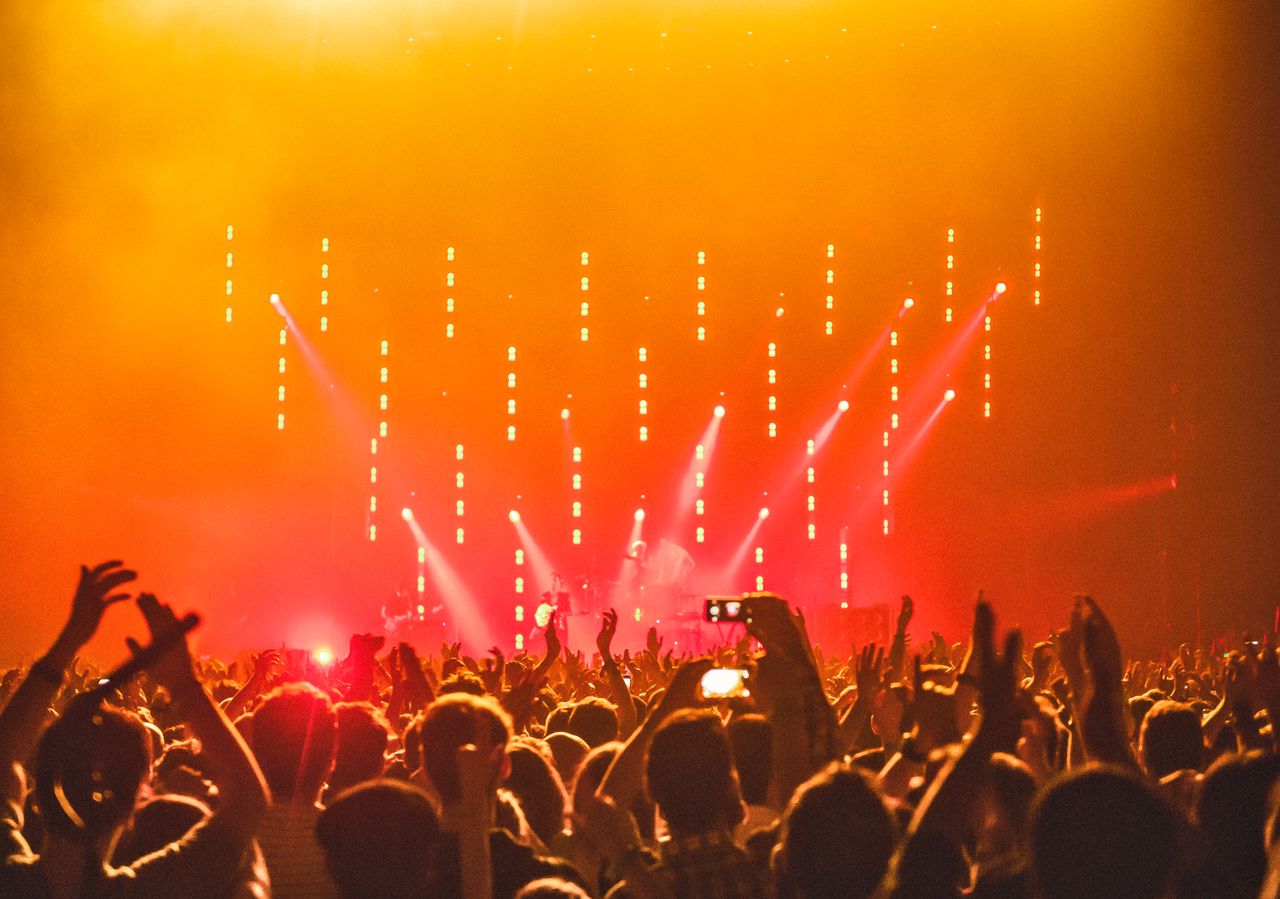
Karol G’s Sunday headlining set was engineered for both the crowd in Indio and the global audience watching the Coachella 2026 live stream. From the opening moments, it played like a carefully sequenced narrative—intro, flex, emotional crest, reggaeton rave, and final catharsis.
- Opener & Statement: A cinematic intro teased out her arrival, leaning into the “Bichota” persona that has defined her arena tours. Even before the first hook, it felt like a victory lap.
- Hit-Filled Middle: The heart of the set leaned on fan-favorite singles and recent album tracks, many of them purpose-built for festival crowds—big chants, simple refrains, and bass you feel in your ribs.
- Ballad Interlude: A brief dip into slower material gave the show emotional shading, cutting through the bombast with a reminder of her melodic instincts and vocal control.
- Final Stretch: The closing run was all energy, designed for TikTok clips and crowd cams—confetti, pyro, sing-along choruses, and crowd-wide jumps.
Visually, the production leaned into high-saturation color palettes and Latin American cultural nods without turning them into caricature—flags, references, and choreography that read as celebration rather than set dressing. It’s the kind of detail that plays differently in a desert crowd and on a laptop in Bogotá, Madrid, or Miami, but the throughline is clear: this is a show built with the entire Spanish-speaking world in mind.
Cultural Impact: From Reggaeton Underdog to Festival Canon
Karol G’s Coachella 2026 headliner status is the product of a long-grinding shift in how the industry treats Latin music. Reggaeton and Latin trap spent years dismissed as regional, “niche,” or—in the case of female artists—doubly marginalized by both language and gender. Headlining Coachella is one of those status markers that, fairly or not, signals you’ve broken through the invisible ceiling.
Her rise runs parallel to the festival’s own pivot: from booking Latin acts as colorful additions to confidently centering a Spanish-language artist as the final image of the weekend. That’s not just representation in a brochure sense; it changes who feels invited to imagine themselves on that stage.
“When you headline Coachella, you’re not just performing—you’re rewriting who the festival is for.”
There’s also a quieter significance here: the normalization of full-length, Spanish-language sets at marquee American festivals. Fans no longer treat language as a barrier; if anything, it’s part of the appeal. Coachella 2026 feels like a checkpoint in that evolution, and Karol G is the face of it.
Strengths, Weaknesses, and How the Set Played on Screen
As a performance, Karol G’s Coachella 2026 set largely did what a festival-closing show needs to do: keep energy high, deliver recognizable songs, and create a handful of instantly shareable moments. But it wasn’t flawless, and that’s part of what makes it interesting to unpack.
What Worked
- Hit Density: The pacing rarely lagged. Even casual listeners watching the live stream could lock into hooks and choruses quickly, which is crucial for a Sunday closer.
- Visual Cohesion: The stage design, lighting, and choreography felt like an extension of her arena tour aesthetic, but scaled for festival spectacle—big enough for the field, clean enough for the camera.
- Cultural Grounding: Subtle references to Colombia and broader Latin identity threaded through the set without feeling like a checklist.
Where It Fell Short
- Risk-Taking: For a historic slot, the set occasionally felt safe. Longtime fans may have wished for deeper cuts, unexpected arrangements, or more daring mashups.
- Emotional Arc: While the ballad section added dimension, the show leaned so heavily on high-energy material that some of the emotional beats didn’t fully land on stream.
- Guest Appearances: In an era where surprise guests can dominate the discourse the next morning, the show at times seemed more focused on consolidation than shock value.
Still, the trade-off makes sense: this was a set designed to solidify, not experiment. For millions watching Karol G headline a major U.S. festival for the first time, a confident, hit-forward show was probably the right call.
Industry Ripples: What Karol G’s Coachella 2026 Headline Means Next
Festival lineups are, at their core, business documents—reflections of who sells tickets, drives streams, and anchors brand partnerships. Karol G closing Coachella 2026 reinforces what streaming data has been shouting for years: Latin music is no longer a “trend” but a foundational pillar of global pop.
This has knock-on effects. Expect more Spanish-language artists in top-line positions across the festival circuit, more investment from labels in fully bilingual campaigns, and more pressure on legacy festivals to diversify not just support acts but headliners.
Final Take: A Milestone That Feels Like a Beginning
Karol G’s Coachella 2026 headline set will be remembered first for its history-making context and second for the show itself—a high-energy, meticulously produced performance that chose clarity over chaos and impact over experimentation. That’s not a bad trade for a night carrying this much symbolic weight.
The bigger story is what comes after. Once a Latina artist has closed the most mythologized festival in the U.S., it becomes that much harder to argue that such slots are too “risky” for non-English or global acts. Whether you watched from the dust of Indio or from a phone halfway across the world, Karol G’s set felt less like a coronation and more like a door being kicked open for whoever’s next.
