
Kanye in the Mist: Inside Ye’s Foggy, Frustrating SoFi Stadium Comeback
Kanye West’s return to U.S. stages at SoFi Stadium was always going to be a cultural weather report as much as a concert: Where is Ye now, artistically and emotionally, after half a decade of chaos, controversy, and sporadic releases? The answer, at least on this fog-choked night, was visually spectacular but spiritually absent—a show that turned his catalog into background music for a giant art installation.
A Night of Smoke, Silence, and Uneasy Nostalgia
Billed as a major comeback—his first U.S. performance in five years—Ye’s SoFi Stadium show leaned hard into production design: rolling seas of fog, stark lighting, and a monolithic sense of scale. Yet the performance itself was strangely inert. What should have been a turbulent, era-defining event often felt like watching someone scroll through a legendary discography on mute, with the volume barely turned up.

Context: Ye’s First U.S. Show in Five Turbulent Years
To understand why this performance mattered, you have to zoom out. Since his last major U.S. performances around the Saint Pablo, Ye, and early Donda eras, Kanye’s name has been less about music and more about public implosion: erratic social media rants, political whiplash, business fallouts, and a long list of alienated collaborators and fans.
Yet there’s still a powerful myth attached to Ye as a live performer. From the Glow in the Dark tour to the floating Saint Pablo stage and the stadium-scale Donda listening events, he’s long been the architect of shows that rewire the idea of what a hip-hop concert can look like. So when he booked SoFi—a cavernous, NFL-sized arena in Los Angeles—expectations were automatically sky-high.
The Stage as Installation: Ye Still Knows How to Build a World
For all of the show’s flaws, the stage design was not one of them. If anything, this night was a reminder that even after losing deals, allies, and a chunk of his public goodwill, Ye still has one of the sharpest eyes in the business for large-scale visual production.
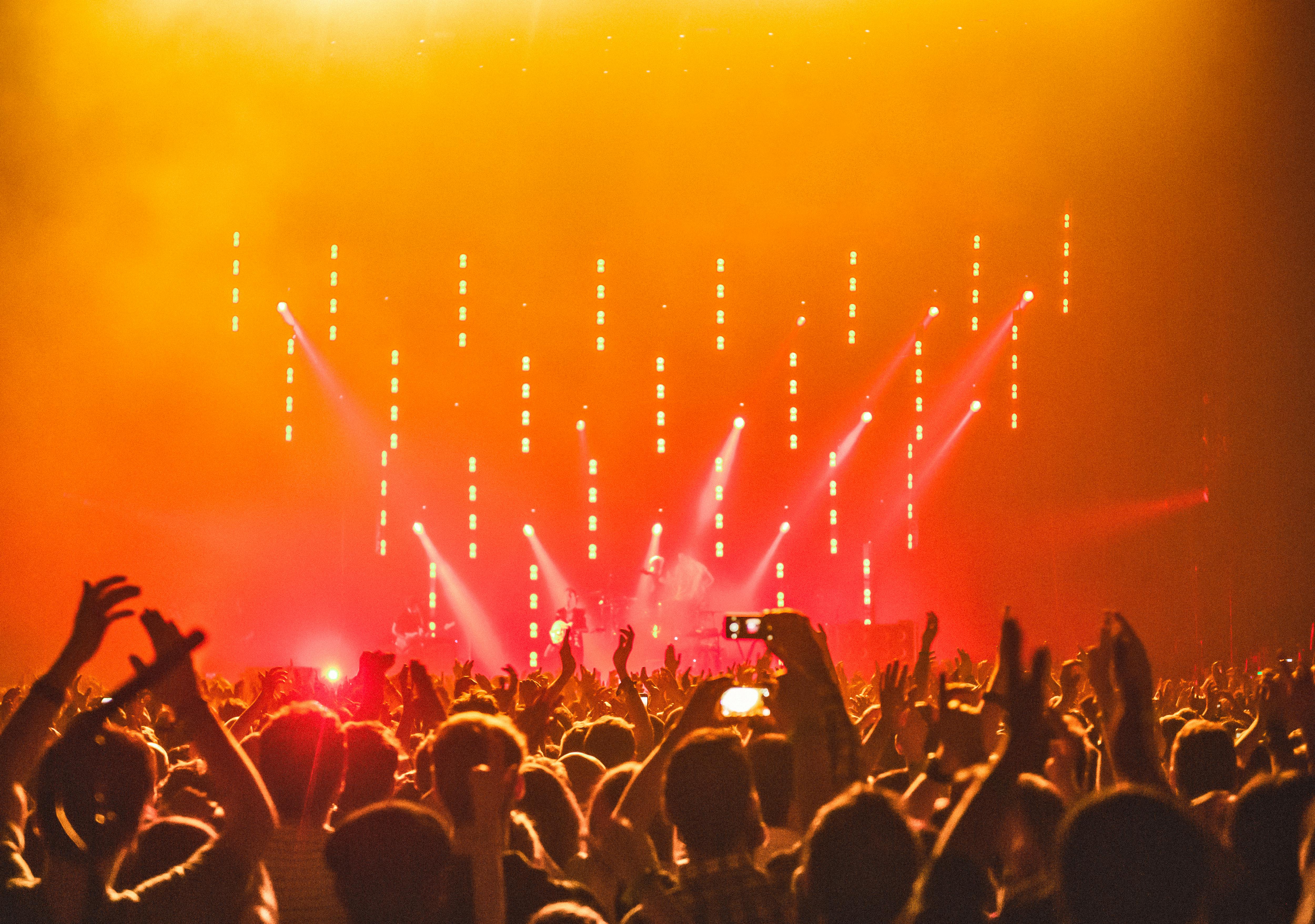
The SoFi floor was transformed into something between a dreamscape and an industrial void. Heavy fog swallowed the ground so completely that performers often appeared to float; lighting rigs carved harsh lines through the haze, turning the stadium into a black-and-white fever dream. It felt like an extension of the Donda era’s minimalism—less futurist spectacle, more stark, purgatorial mood piece.
“Though he’s lost a great many things, Ye still has an undeniable touch for this kind of production spectacle. But these people didn’t just come to see a stage; a set is only as good as the actors for.” — Pitchfork live review
That line gets to the core tension of the night: the production gave you the sense that something monumental was about to happen. The performance rarely followed through.
A Static, Listless Performance That Flattened the Classics
The harshest criticism of the night is also the simplest: Ye didn’t really perform. He was present, technically—moving slowly through the fog, occasionally gesturing, sometimes mumbling into the mic—but the energy felt almost aggressively low. Songs that once reshaped entire eras of hip-hop and pop were delivered with the emotional investment of a soundcheck.
- Minimal crowd engagement: Little banter, few attempts to connect beyond the spectacle itself.
- Static staging: Long stretches of near-stillness, with Ye and collaborators barely moving through the fog.
- Vocals as afterthought: At times, vocals felt low in the mix, buried under backing tracks or simply delivered without force.
This wasn’t the intense, unhinged Ye of “Runaway” piano solos or the joyous ringleader of the Watch the Throne era. It was more like watching an artist wander through his own museum—detached, almost ghostlike, as iconic songs played around him.
When the Hits Don’t Hit: How the Setlist Got Lost in the Fog
One of the strangest achievements of the SoFi show is that it made even Ye’s most bulletproof songs feel distant. Tracks that usually cause instant serotonin spikes—think “Power,” “Flashing Lights,” “Can’t Tell Me Nothing,” or “Runaway”—landed with a dull thud. The arrangements leaned heavily on recorded tracks, leaving little room for live experimentation or re-interpretation.
In theory, a career-spanning setlist at a venue this big should play like a victory lap. Instead, it felt more like a wake for a past version of Kanye West—a reminder of what used to be, rather than proof of what still is.
- Nostalgia overload: The sheer power of the catalog occasionally cut through, but not because of anything happening on stage.
- Lack of dynamics: Few attempts to reshape older songs for this new aesthetic or emotional context.
- Emotional disconnect: The performance rarely matched the intensity or vulnerability baked into the original recordings.
Cultural Crossroads: Can You Separate the Art from the Artist Live?
Any Ye show in 2026 is operating under a cloud that has nothing to do with fog machines. The last few years have fundamentally altered how many fans and critics feel about sharing space with him, streaming his music, or contributing to his cultural momentum. That unease doesn’t stay at home when people walk into SoFi; it sits in the stands with them.
This creates a strange dynamic: the crowd is caught between nostalgia for the artist who made My Beautiful Dark Twisted Fantasy and discomfort with the public figure he’s become. The show’s emotional flatness almost seemed to mirror that ambivalence. Instead of trying to reclaim or reframe his narrative, Ye mostly drifted through it, leaving the tension unresolved.
“A set is only as good as the actors for.” The line lands harder when you remember how commanding Ye once was onstage—how fully he embodied the role of auteur, villain, clown, prophet, and pop star, often in the same 90 minutes.
This SoFi performance suggests a different chapter: one where the myth of Ye-as-genius-still-at-the-center is no longer a given, and where the audience’s relationship to the work is more fractured, more conditional, and often more cautious.
Strengths and Weaknesses: A Quick Breakdown
As a live experience, the SoFi show was a paradox: unforgettable in scale, oddly forgettable in feeling. Here’s how it balances out.
What Worked
- Visual ambition: Fog, lighting, and staging combined to create genuinely striking imagery, worthy of Ye’s long legacy of theatrical shows.
- Curated atmosphere: The show functioned more like an art installation than a typical rap concert, which, in theory, suits his auteur persona.
- Catalog power: Even when muted, the strength and breadth of his discography reminded everyone why he was considered a generational artist in the first place.
What Fell Flat
- Low-energy performance: A lack of engagement and presence from Ye himself left the show feeling hollow.
- Emotional distance: Iconic songs were delivered without the urgency or vulnerability that once defined his best performances.
- Missed narrative opportunity: For a first U.S. show in five years, there was little sense of reflection, framing, or intentional storytelling about where he stands now.
Industry Perspective: What This Means for Ye as a Live Act
From an industry angle, the SoFi show is both proof of concept and warning sign. Filling (or even partially filling) a stadium of that size in 2026 means Ye’s draw hasn’t evaporated. Promoters, streaming platforms, and brand partners will note that he can still turn controversy into curiosity—and curiosity into ticket sales.
But the long-term health of a live career isn’t just about selling seats; it’s about delivering experiences that people want to revisit, repeat, and evangelize. On that front, the lukewarm critical response—exemplified by Pitchfork’s blunt assessment of a “listless, static, uninspired performance”—suggests that Ye’s live mythology is no longer bulletproof.
Conclusion: A Spectacle Searching for a Soul
Ye’s SoFi Stadium return will be remembered less as a triumphant comeback and more as a strangely hollow milestone—a reminder that even the most inventive staging can’t compensate for an artist who seems emotionally unplugged from his own material. The fog, the lights, and the scale were all there. What was missing was the volatile, unpredictable, deeply human presence that once made a Kanye West show feel like a live referendum on the state of pop culture itself.
Going forward, the real question isn’t whether Ye can still stage a spectacle—he clearly can. It’s whether he can find a way to reconnect with his songs, his audience, and perhaps even his own sense of purpose. Until then, nights like SoFi will feel less like revolutions and more like beautifully lit echoes.
