
Jenny McCarthy’s Silent Health Horror: The Hidden Dental Mold That Sparked a Mystery Illness
Jenny McCarthy’s Mystery Illness: When a Hollywood Smile Hides a Health Nightmare
Jenny McCarthy has revealed that a bizarre, worsening illness — marked by eye growths, decaying teeth and months of failed treatments — was ultimately traced to a very un-glamorous culprit: mold growing inside a root canal. It’s a shock twist that sounds like body-horror, but it taps into something very 2020s: the uneasy overlap of celebrity wellness culture, hidden infections and an online audience obsessed with medical mysteries.

Reported by The Independent, McCarthy’s account adds her name to the growing list of celebrities turning real-life health scares into teachable moments — and occasionally, full-blown entertainment content, from podcasts to reality TV confessionals.
From Playmate to Podcaster: Why Jenny McCarthy’s Health Story Still Lands
Jenny McCarthy has cycled through just about every era of celebrity you can name: MTV personality in the ’90s, sitcom star, The View co-host, radio mainstay and now a familiar face on The Masked Singer. Alongside that career, she’s also been a lightning rod in health discussions, famously controversial for her past anti-vaccine activism.
That makes any new medical revelation from her instantly loaded. When someone who’s been at the center of the vaccine discourse shares a story about misdiagnosis, medical confusion and “invisible illness,” the cultural stakes are higher than a standard Hollywood health scare.
“I felt like I was falling apart and no one could tell me why. Every time I thought we’d fixed it, something even stranger would happen.”
— Jenny McCarthy, discussing her illness in recent interviews
In the 2020s landscape of wellness podcasts, TikTok symptom diaries and Instagram doctors, a story like McCarthy’s doesn’t just live in the entertainment pages; it becomes part of a broader conversation about who we trust with our bodies — and what happens when routine procedures go sideways.
The Illness Timeline: Eye Growths, Tooth Decay and Endless Antibiotics
According to The Independent’s coverage, McCarthy’s ordeal unfolded over months and looked less like one tidy diagnosis and more like a horror anthology:
- Unexplained symptoms: McCarthy began experiencing alarming changes in her eyes, including visible growths that required medical attention.
- Dental deterioration: At the same time, her teeth began to decay in ways that didn’t match standard wear-and-tear, pushing her into repeated dental visits.
- Multiple surgeries: The eye problems escalated to the point of surgery, with doctors working from the assumption that localized infections or structural issues were to blame.
- Rounds of antibiotics: Like many patients with unclear infections, she cycled through various antibiotics, which at best offered partial relief and at worst contributed to the overall fatigue and stress of the episode.
On paper, this looks like a patchwork of unrelated problems. That’s part of why the story lands with such unease: it illustrates how fragmented modern medicine can feel when different specialists see only their corner of the map instead of the whole terrain.

The Plot Twist: Mold in a Root Canal as the Hidden Villain
The turning point in the story came when McCarthy’s team finally traced the suspected source of her illness: mold growth inside a root canal. What was supposed to be a routine dental fix had apparently become a kind of microscopic Airbnb for fungal overgrowth.
In very broad terms, here’s what that means:
- Root canals remove nerve tissue from inside a tooth and fill the space to prevent infection.
- If that seal fails or if bacteria or fungi are left behind, a low-level infection can smolder out of sight.
- In susceptible people — depending on overall health, immune response and genetics — that localized infection can potentially contribute to wider systemic symptoms.
“Once they found the mold in the root canal and addressed it, the crazy part was watching all these random symptoms slowly start to back off.”
— Jenny McCarthy, reflecting on finally getting an answer
It’s a story that fits comfortably into the internet’s current fascination with “hidden mold” and “stealth infections,” trends that have spawned everything from serious environmental medicine research to questionable detox kits marketed on Instagram.

Celebrity Health Confessions as Pop Culture: Why This Story Travels
In another era, McCarthy’s ordeal might have been a private saga. In 2026, it becomes content: something to be dissected on entertainment news sites, health podcasts, TikTok stitches and Reddit threads dedicated to chronic illness.
McCarthy’s revelation arrives in the same ecosystem that has popularized:
- Selena Gomez’s openness about lupus and mental health in her documentary.
- Hailey Bieber’s mini-stroke narrative as a cautionary tale for young women.
- Demi Lovato’s frank discussion of brain damage and addiction recovery.
These stories do double duty: they humanize celebrities, but they also function as public health storytelling — for better or worse. In McCarthy’s case, the “root canal mold” angle risks feeding some fringe fears about dentistry, even as it raises fair questions about long-term complications.

What the Story Gets Right — and Where to Stay Skeptical
McCarthy’s account hits several resonant truths about the modern medical experience, while also deserving a few grains of salt.
Strengths of the narrative
- Spotlighting misdiagnosis: Many people with complex or overlapping symptoms spend years bouncing between doctors. That frustration is real, and it’s valuable when public figures acknowledge it.
- Highlighting dental–systemic links: The idea that oral health can affect the rest of the body isn’t fringe; it’s well-established in research on heart disease, diabetes and pregnancy outcomes.
- Showing persistence pays off: The story underlines the importance of second opinions, specialist referrals and not dismissing symptoms as “just anxiety.”
Potential pitfalls and limitations
- Anecdote vs. evidence: One person’s experience doesn’t overturn the general safety record of root canals or standard dental care.
- Risk of fear-mongering: For anxious patients, headlines about “mold in root canals” can fuel avoidance of necessary dental work, which is often more dangerous than the rare complication.
- McCarthy’s health track record: Given her controversial past views on vaccines, it’s worth consuming her medical narratives with extra critical thinking and cross-checking against established science.
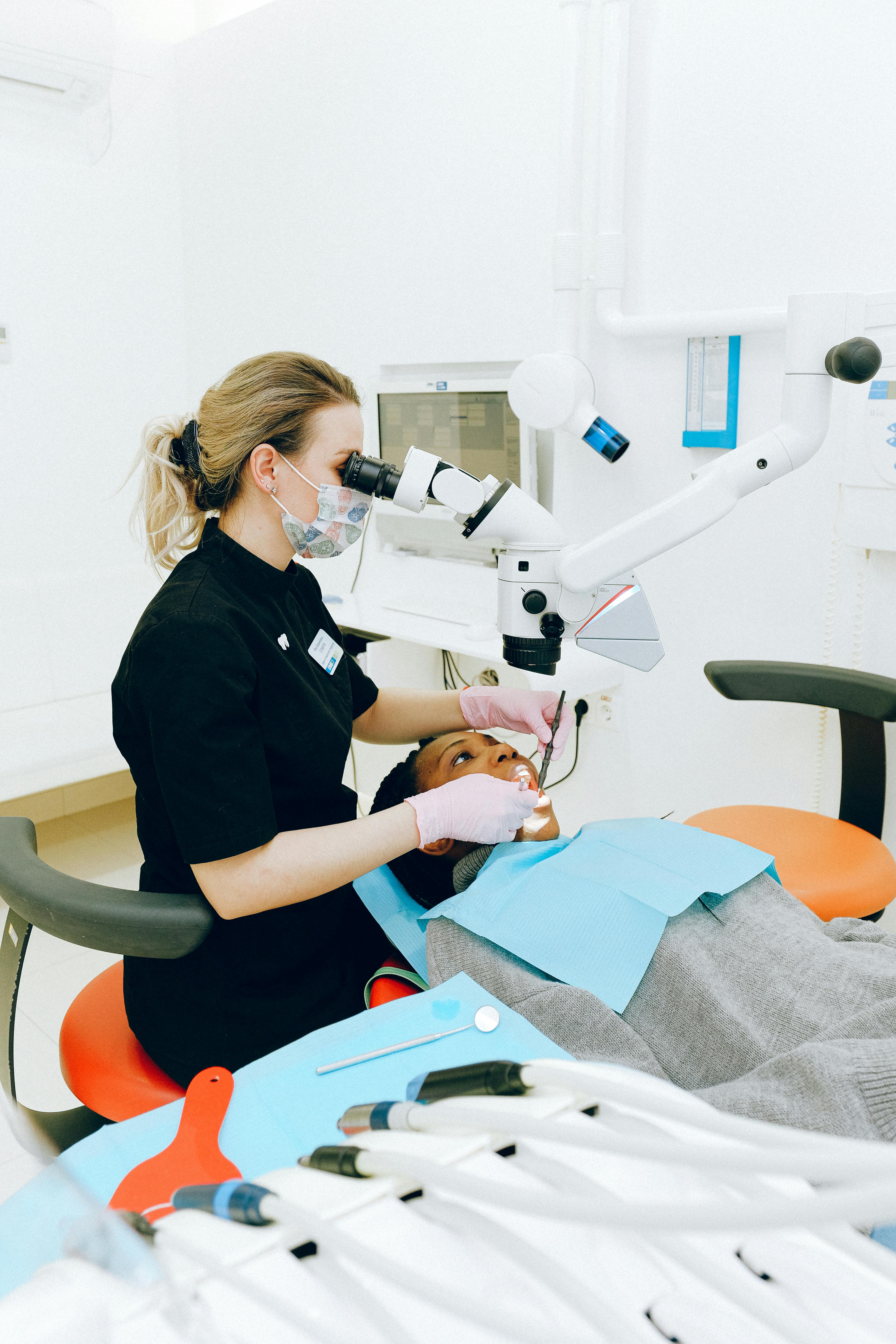
Practical Takeaways: Navigating Dental Work, Mold Fears and Mystery Symptoms
While McCarthy’s story is inherently dramatic — eye surgeries, decaying teeth, mold as the villain — there are a few grounded lessons that don’t require buying into fringe health theories.
- Don’t ignore persistent symptoms.
If something feels “off” for weeks or months, especially after a procedure, it’s reasonable to go back, ask questions and request a re-evaluation. - Stay up to date with routine dental visits.
Regular checkups and X-rays can catch failing dental work, infections or structural issues before they spiral. - Be careful with online mold panic.
Environmental mold can be a genuine health issue, but social media also amplifies unproven detoxes and expensive testing panels. Always loop in a qualified medical or dental professional. - Seek coordinated care.
When symptoms span eyes, teeth, fatigue or systemic issues, a primary-care doctor who can coordinate between specialists can be invaluable.
Where This Fits in 2026’s Wellness Media Ecosystem
McCarthy’s revelation lands at a moment when entertainment and wellness are almost impossible to separate. Health scares become podcast episodes; diagnoses double as plotlines; and every new story risks being weaponized by someone selling supplements or pushing an ideology.
For media consumers, the balancing act is tricky:
- Empathy: You don’t have to agree with McCarthy’s past health positions to recognize how frightening her experience must have been.
- Boundaries: Her story is not an instruction manual. It’s a reminder that unusual complications exist, not proof that all root canals are dangerous.
- Context: Pair celebrity anecdote with reputable resources — from dental associations to peer-reviewed research — before drawing big conclusions.
It’s telling that this narrative broke through not as a quiet post-script in her biography, but as a headline-ready twist: “mold in a root canal” is the kind of phrase tailor-made for social media virality — half cautionary tale, half clickbait.
Final Take: A Cautionary Tale, Not a Dental Horror Franchise
Jenny McCarthy’s mystery illness — complete with eye growths, decaying teeth and a surprise mold culprit — is undeniably cinematic. It also captures something mundane but important: modern medicine’s blind spots, the complexity of dental work and the emotional toll of not being believed or properly diagnosed.
As a piece of entertainment news, it’s gripping. As a health narrative, it’s a nudge toward vigilance rather than panic: pay attention to your body, advocate for yourself, but resist turning one celebrity’s nightmare into a universal prophecy. The real lesson here isn’t “fear your fillings”; it’s “take your symptoms — and your follow-ups — seriously.”
In a media era where wellness stories can spread faster than lab results, McCarthy’s experience is both a warning and an opportunity: a reminder to ask harder questions of our doctors, our dentists and — just as crucially — our headlines.
