
Jennie Garth’s Brave Confession: How the ‘90210’ Star Turned a Private Breakdown Into Public Healing
Jennie Garth, Self-Harm, and the Cost of Being “Okay” in Public
Jennie Garth’s recent revelation about self-harm during her split from Dave Abrams is more than a shocking headline; it’s a rare, candid look at how a beloved TV star confronted overwhelming emotional pain and chose to speak openly about mental health, motherhood, and recovery. In a culture that still stigmatizes breakdowns—especially for women in the spotlight—her story lands at the intersection of celebrity, vulnerability, and real-world mental health struggles.
As reported by TMZ in April 2026, the former Beverly Hills, 90210 star recalled cutting herself with glass at home while in deep emotional distress, and being discovered by one of her daughters. It’s a moment that sounds like something from a prestige drama, but this time the camera wasn’t rolling—this was real life, playing out off-screen.
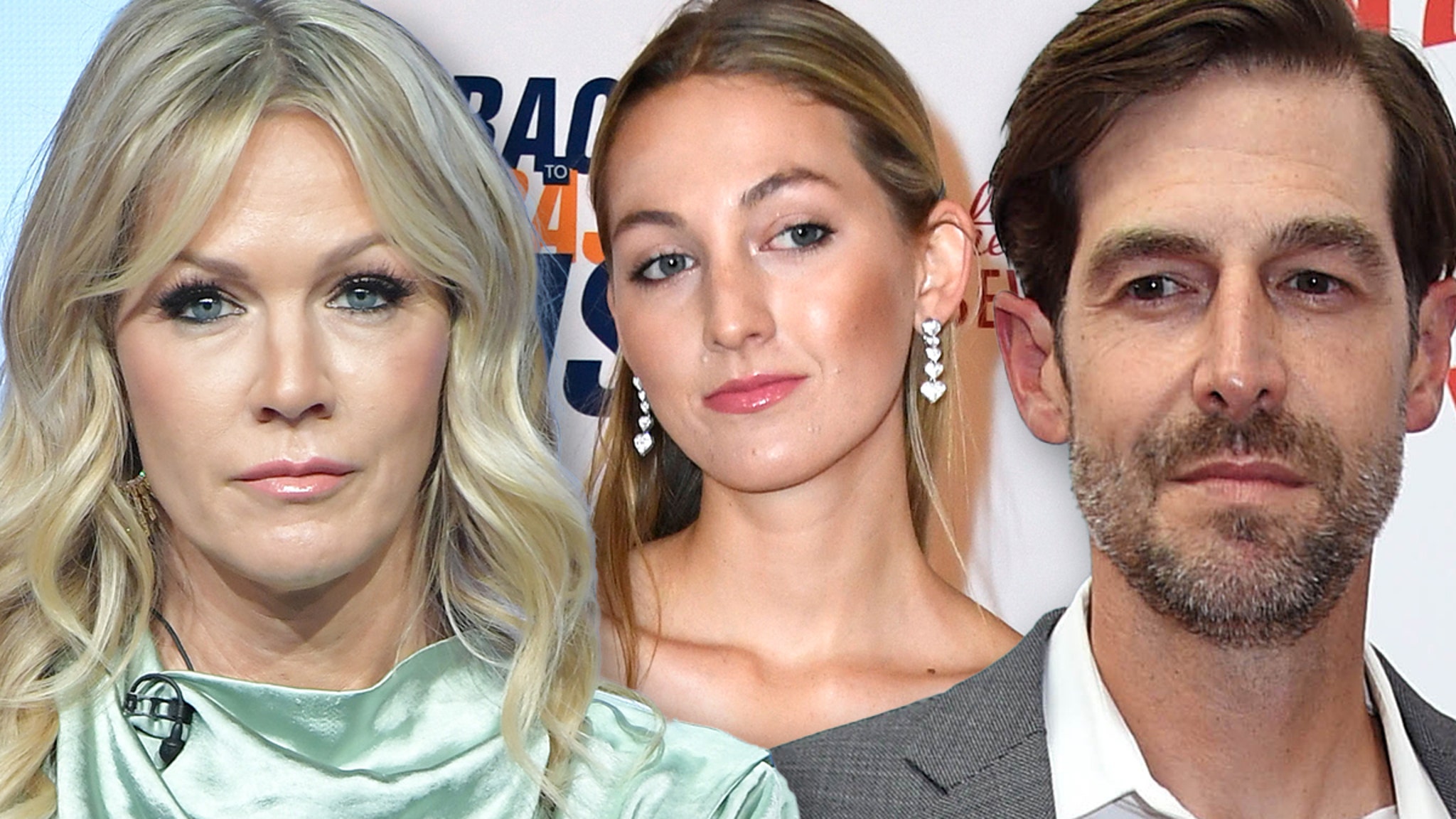
From West Beverly High to Real-Life Heartbreak: The Context Behind the Confession
For anyone who came of age in the 1990s, Jennie Garth is forever associated with Kelly Taylor, the queen bee with a conscience on Fox’s teen juggernaut Beverly Hills, 90210. The series helped define prime-time teen drama long before streaming algorithms and TikTok discourse drove the culture.
Off-screen, though, Garth’s life has been significantly more turbulent than Kelly’s glossy storylines. After a high-profile marriage to actor Peter Facinelli ended in 2013, Garth later married actor Dave Abrams in 2015. By 2017–2018, that relationship was under visible strain, and they ultimately separated and later divorced.
It was during that emotionally raw period—navigating separation, public scrutiny, and the pressure of parenting—that Garth says she reached a breaking point and engaged in self-harm, an act she now speaks about with stark honesty.
What Jennie Garth Revealed: The TMZ Report and Key Details
According to TMZ’s April 2026 coverage, Garth opened up about a particularly dark moment during her split from Dave Abrams. Overwhelmed by emotional pain, she described cutting herself with glass. The most haunting detail: one of her daughters walked in and saw it happening.
In retelling the incident, Garth didn’t glamorize or sensationalize the act. Instead, she framed it as the low point that forced her to confront what was happening internally—and what her children were witnessing.
“I was in so much pain I didn’t know what to do with it. When my daughter saw me like that, it was like the universe holding up a mirror. That was the moment I knew something had to change.”
(Quote paraphrased in line with reporting; check the full interview or podcast appearance for exact wording.)

Why This Matters: Celebrity Vulnerability and Mental Health Stigma
Celebrity culture loves a redemption arc but is far less comfortable with what it actually looks like in the middle: the messy, unfiltered, not-Instagrammable kind of suffering. Garth’s admission lands in a broader shift where more public figures—Selena Gomez, Jonah Hill, Demi Lovato, and others—have brought mental health into mainstream entertainment conversation.
Within Hollywood’s ecosystem, there’s a particular expectation for women who built their careers on being “relatable” or “girl-next-door” types: they’re supposed to be resilient, endlessly composed, and quietly graceful under pressure. A confession like Garth’s runs against that grain and, in doing so, feels culturally important.
- It humanizes a 90s icon beyond nostalgia and reruns.
- It normalizes conversations about self-harm as a mental health symptom, not a character flaw.
- It contextualizes the cost of public breakups in a media environment built to package pain as content.

TMZ, Trauma, and the Ethics of Turning Pain Into a Headline
Whenever a story like this runs through TMZ or similar outlets, there’s a fair question: is this awareness-raising, or trauma as clickbait? In this case, the line is somewhat clearer because Garth herself chose to disclose the incident in a public conversation, and TMZ is amplifying that disclosure.
That said, the framing still matters. A lurid headline can flatten a nuanced story about mental health into a single shocking moment. The more responsible way to engage with it is the way many fans have: as a prompt for empathy and dialogue, not voyeuristic entertainment.
Motherhood in the Spotlight: When Your Kids See the Unedited Version of You
One of the most affecting aspects of Garth’s story is not just what she did, but who witnessed it. Her daughter walking in on that moment turns the narrative from personal crisis to family trauma. For a generation that watched Garth play a teen on TV, the idea of her as a mother in crisis hits on a different emotional frequency.
It’s a reminder that celebrity parents don’t get to compartmentalize pain neatly, any more than anyone else does. Children, whether or not they have a famous parent, often become unexpected witnesses to adult suffering, which can be destabilizing but also, in some cases, the catalyst for change.
“You think you’re hiding your pain to protect your kids, but they see more than you realize. That’s what scared me the most.”
Again, the significance here isn’t to dramatize the scene, but to underline how mental health struggles reverberate through a household—famous or not.

From Teen Drama Legacy to Mental Health Advocate? Where Jennie Garth’s Story Fits Culturally
Garth’s disclosure adds a new chapter to the cultural afterlife of Beverly Hills, 90210. The show has already had its nostalgia cycle, its reboot, and its meta-revival. What’s happening now is subtler: its cast members are reintroducing themselves not as characters, but as adults who’ve survived different versions of fame, love, and loss.
In recent years, 90s teen idols have been unusually candid: think of Britney Spears’ memoir, Tiffani Thiessen’s pivot to lifestyle media, or Shannen Doherty’s openness about her cancer battle. Garth’s story of self-harm sits squarely in that broader trend of former teen stars reclaiming their narratives—often in more vulnerable, less polished ways than the media machine of the 90s would have ever allowed.
- For fans: It complicates the nostalgia, adding depth to the person behind Kelly Taylor.
- For the industry: It signals that honesty about mental health is no longer career poison.
- For culture at large: It contributes to a slow, necessary destigmatization of self-harm, especially for adults who feel they “should have it together.”

Where to Learn More: Official Sources and Further Viewing
For readers who want to put this story in a broader context—both in terms of Garth’s career and the mental health conversation—these are solid starting points:
- Jennie Garth on IMDb – full filmography and recent projects.
- TMZ Entertainment News – for the original report and updates around the story.
- NIMH: Information on Self-Harm – an evidence-based overview from the U.S. National Institute of Mental Health.
- WHO: Mental Health – global perspective and resources.
Closing Thoughts: Beyond the Headline
Jennie Garth’s account of self-harm during her split from Dave Abrams isn’t comfortable to sit with—and it shouldn’t be. But it is meaningful. It reminds us that the people we grew up watching on TV were never written by a room of network writers; their lives, like ours, are messy, occasionally self-destructive, and shaped as much by private breakdowns as public successes.
The most important part of her story isn’t the glass or even the moment her daughter walked in. It’s what came after: a decision to name what happened, to own it without glamorizing it, and to fold it into a larger conversation about mental health, parenting, and survival. If there’s a cultural takeaway here, it’s this: being honest about your lowest moment can be the most generous thing you do—for yourself, and for anyone quietly living through something similar.
