
Intermittent Fasting 2.0: Metabolic Flexibility, Circadian Rhythm & Smarter Eating Windows
Intermittent Fasting, Time‑Restricted Eating & the New “Metabolic Flexibility” Era
Intermittent fasting hasn’t disappeared; it has matured. What used to be a simple “do a 16:8 window to lose weight” conversation has shifted into a richer discussion about circadian rhythm, metabolic flexibility, and how the timing of our meals can shape blood sugar, sleep, and energy. In this updated 2026 guide, we’ll explore how early time‑restricted eating works, who it actually helps, how wearables are reshaping the trend, and how to build nourishing, satisfying meals that support both metabolic health and a joyful relationship with food.
Think of this as an invitation, not a rulebook: you’ll learn the science in clear language, see realistic day‑in‑the‑life examples, and pick up practical tips you can adapt whether you’re a curious beginner or already experimenting with fasting windows.
Quick Overview: Time‑Restricted Eating at a Glance
Typical fasting style: Time‑restricted eating (e.g., 16:8, early TRE)
Common eating window: 6–10 hours during daytime
Best fit for: Adults focusing on metabolic health, meal‑timing habits
Not ideal for: Pregnancy, eating‑disorder history, underweight, certain meds
Core idea: Align eating with daylight, support metabolic flexibility
Difficulty level: Moderate, easier than strict calorie counting for many
A Day in an Early Time‑Restricted Eating Window

Early time‑restricted eating often starts with a generous, savory breakfast—think warm eggs or tofu, buttery‑soft avocado, and crisp vegetables—followed by a balanced lunch and a light afternoon snack. The kitchen then “closes” well before bedtime, giving your digestion a long, quiet night to rest.
What Is Intermittent Fasting in 2026? Beyond Simple 16:8
Intermittent fasting (IF) is any pattern that alternates between periods of eating and not eating. In the late 2010s, social media latched onto a few simple formulas—usually a 16:8 window (16 hours fasting, 8 hours eating)—mostly marketed for weight loss. As the research base has grown, the focus has drifted away from “skip breakfast, eat whatever fits in eight hours” toward:
- Time‑restricted eating (TRE): Eating all calories within a consistent daily window, often 6–10 hours.
- Early time‑restricted feeding (eTRF): Shifting most calories into the morning and early afternoon to match our circadian biology.
- Metabolic flexibility: Training the body to switch smoothly between using carbohydrates and fat for fuel.
The emerging consensus: timing matters, but quality matters just as much. You can’t fast your way out of an ultra‑processed diet.
Popular Intermittent Fasting & Time‑Restricted Eating Patterns
Today’s IF landscape is a menu of timing options rather than a single “right” method. A few of the most talked‑about:
- 16:8 or 18:6 fasting
You fast for 16–18 hours and eat within a 6–8 hour window. This is often done as:- Skip breakfast: First meal around noon, last at ~8 p.m. (very common but not circadian‑friendly for everyone).
- Early window: First meal ~7–8 a.m., last by ~3–4 p.m. (more in line with current circadian research).
- Early time‑restricted feeding (eTRF)
Eating most calories earlier in the day, typically within an 8–10 hour window (e.g., 7 a.m.–3 p.m. or 8 a.m.–4 p.m.). This approach appears especially supportive for:- Insulin sensitivity and blood‑sugar control
- Appetite regulation & fewer late‑night cravings
- Better alignment with natural hormone rhythms
- 5:2 and modified alternate‑day fasting
On two non‑consecutive days per week, calories drop to ~500–600 (or ~25% of normal). The other days are regular eating with an emphasis on quality and portion awareness. Some prefer:- 5:2: Two low‑calorie days, five normal days.
- Modified alternate‑day fasting: Every other day is low‑calorie instead of full fasting.
Why Time‑Restricted Eating Is Trending Again
Intermittent fasting never completely left the wellness world, but several 2024–2026 shifts have given it new momentum—especially around metabolic health.
- 1. Wearables & real‑time data
Continuous glucose monitors (CGMs), smartwatches, and sleep trackers show how that late‑night snack spikes blood sugar or disrupts REM sleep. Many users literally watch their nighttime heart‑rate variability improve when they stop eating close to bedtime. - 2. New research on early eating windows
Studies suggest that earlier eating windows can improve:- Insulin sensitivity and fasting glucose
- Blood pressure and resting heart rate
- Subjective appetite and evening cravings
- 3. Rising metabolic health concerns
With insulin resistance, fatty liver, and prediabetes affecting a growing share of adults globally, IF is increasingly framed as a metabolic tune‑up tool rather than a crash diet. - 4. Simplicity of “time rules” over “food rules”
Many people find “don’t eat after 7 p.m.” far easier than tallying every calorie or macro. Time boundaries naturally:- Cut mindless snacking in front of screens
- Encourage more deliberate, sit‑down meals
- Reduce the number of daily decision points around food
Who May Benefit & Who Should Be Cautious
Intermittent fasting is powerful for some and unhelpful—or risky—for others. Context is everything.
Potentially Helpful For
- People with prediabetes or mild insulin resistance
- Those who over‑snack late at night or wake up groggy and overfull
- Busy professionals who prefer fewer, larger meals
- Individuals working on metabolic markers (blood sugar, triglycerides, blood pressure)
Use Extra Caution or Avoid
- Anyone with a history of eating disorders
- Underweight individuals or those struggling to maintain weight
- Pregnant or breastfeeding women
- People on glucose‑lowering or blood‑pressure medications without medical supervision
- Teens and growing adolescents without guidance from a clinician
Metabolic Flexibility: The New Buzzword, Explained Simply
“Metabolic flexibility” sounds technical, but the idea is beautifully simple: it’s your body’s ability to switch gears between fuel sources, burning carbohydrates when they’re available and fat when they’re not.
A metabolically flexible body might look like this in everyday life:
- You eat a bowl of oatmeal: your blood sugar rises gently and returns to baseline efficiently.
- You go a few hours between meals: your body comfortably taps into stored fat for energy without “hanger” meltdowns.
- You do a light workout before breakfast: you feel a pleasant, clear‑headed energy instead of a dramatic crash.
Many modern lifestyles—constant snacking, ultra‑processed foods, short sleep, chronic stress—nudge us toward metabolic inflexibility, where blood sugar spikes, dips, and cravings feel relentless. Time‑restricted eating, paired with nutrient‑dense meals and strength training, is one of the strategies being used to gently retrain this flexibility.
Sample Early Time‑Restricted Eating Day (Metabolic‑Friendly Focus)
Here’s a realistic example of a 7:30 a.m.–4:00 p.m. eating window focused on balanced blood sugar and steady energy. Adjust portions to your needs.
Morning: 7:30 a.m. – High‑Protein Breakfast
Aim for 20–40 g protein plus fiber and healthy fats:
- Scrambled eggs or tofu with spinach, tomatoes, and mushrooms
- Slice of whole‑grain toast with avocado
- Herbal tea or black coffee if tolerated
Midday: 12:00 p.m. – Balanced Lunch
Center the plate around lean protein + colorful plants + slow carbs:
- Baked salmon or a hearty bean stew
- Large salad with mixed greens, crunchy vegetables, and olive‑oil dressing
- Quinoa, brown rice, or roasted sweet potato
Afternoon: 3:30 p.m. – Light Snack (Last Calories)
A small, satisfying snack to bridge the longer evening fast:
- Greek yogurt or soy yogurt with berries and a sprinkle of nuts
- Or hummus with carrot sticks, cucumber, and bell‑pepper slices
After ~4:00 p.m., stick to water, sparkling water, and unsweetened herbal teas. Let your digestion wind down before bedtime.
Food Quality Still Matters: How to Build Satisfying, Nutritious Meals
A time‑restricted eating pattern built on sugary coffee drinks and ultra‑processed snacks won’t deliver the metabolic benefits you’re probably looking for. Within your eating window, aim for meals that are:
- Protein‑anchored: 20–40 g of protein per meal to support muscle, satiety, and blood‑sugar stability.
- Plant‑rich: At least half the plate as vegetables or fruit, bringing fiber, antioxidants, and color.
- Carb‑smart: Favor intact whole grains, starchy roots (like sweet potato), and legumes over refined flours and sweets.
- Healthy‑fat friendly: Include nuts, seeds, avocado, olive oil, or fatty fish for satisfaction and flavor.
Why Avoid Eating Close to Bedtime?
One of the strongest themes in recent research is the downside of late‑night eating. Even without formal “fasting,” simply pulling your last meal earlier can be a powerful shift.
Eating large meals close to bedtime can:
- Lead to higher and more prolonged blood‑sugar spikes
- Disrupt sleep quality, especially deep and REM sleep
- Trigger reflux or discomfort when lying down
- Blunt overnight fat‑burning and metabolic “housekeeping”
In practice, giving yourself a 2–3 hour buffer between your last bite and bedtime is a gentle, sustainable way to start aligning your eating pattern with your circadian rhythm.
Fasting, Workouts & “Re‑Feeds”: Finding a Healthy Balance
As “metabolic flexibility” has become a buzzword, more content creators talk about strength training, performance, and re‑feeds within fasting frameworks. The tone is shifting away from “fast more, eat less” toward building resilient, strong bodies.
Many coaches now emphasize:
- Strength training at least 2–3 times per week to preserve or build muscle.
- Ensuring adequate protein and calories on training days, even within a shorter eating window.
- Using occasional higher‑calorie “re‑feed” days (especially for lean, very active people) to support hormone health and performance.
- Being cautious with hard training in a long‑fasted state, especially for people prone to light‑headedness or stress‑related issues.

Personalizing Your Fasting Schedule
There is no universally perfect eating window. Your ideal pattern depends on your work schedule, family life, health conditions, and even cultural habits. Use the following questions as a gentle framework:
- When do I naturally feel most hungry and energetic?
If mornings are your strong suit, lean into an early window. If you’re never hungry before 10 a.m., a slightly later (but not late‑night) window may feel more natural. - How is my sleep?
If you struggle with sleep, prioritize ending food earlier rather than starting food later. - Can I eat enough within the window?
If you consistently under‑eat and feel weak, lengthen your eating window or add a meal. - Does this support my social and family life?
Food is connection. It’s okay to flex your window for celebrations or family dinners.
Many people find that a 10–12 hour daytime window is a gentle, sustainable baseline (for example, 8 a.m.–6 p.m.), with the option to occasionally experiment with shorter windows when life and health conditions allow.
Practical Kitchen Tips for Time‑Restricted Eating
Your kitchen habits will make or break how fasting feels. A few simple, food‑lover‑friendly strategies:
- Batch‑cook proteins: Roast a tray of chicken thighs or marinated tofu once, then repurpose them into bowls, wraps, and salads.
- Pre‑chop vegetables: Keep crisp carrot sticks, cucumber, peppers, and leafy greens washed and ready.
- Flavorful “house sauces”: Tahini‑lemon, yogurt‑herb, or miso‑ginger sauces instantly turn simple ingredients into crave‑worthy meals.
- Plan your final meal: Decide in the morning what your last meal of the day will be. This simple commitment reduces evening grazing.
Storage, Meal Prep & Leftover Ideas
Meal prepping supports consistent fasting windows and keeps you from scrambling during your eating hours.
- Cook once, eat twice (or more): Make double portions of grains, roasted vegetables, and proteins. Store in airtight containers in the fridge for 3–4 days.
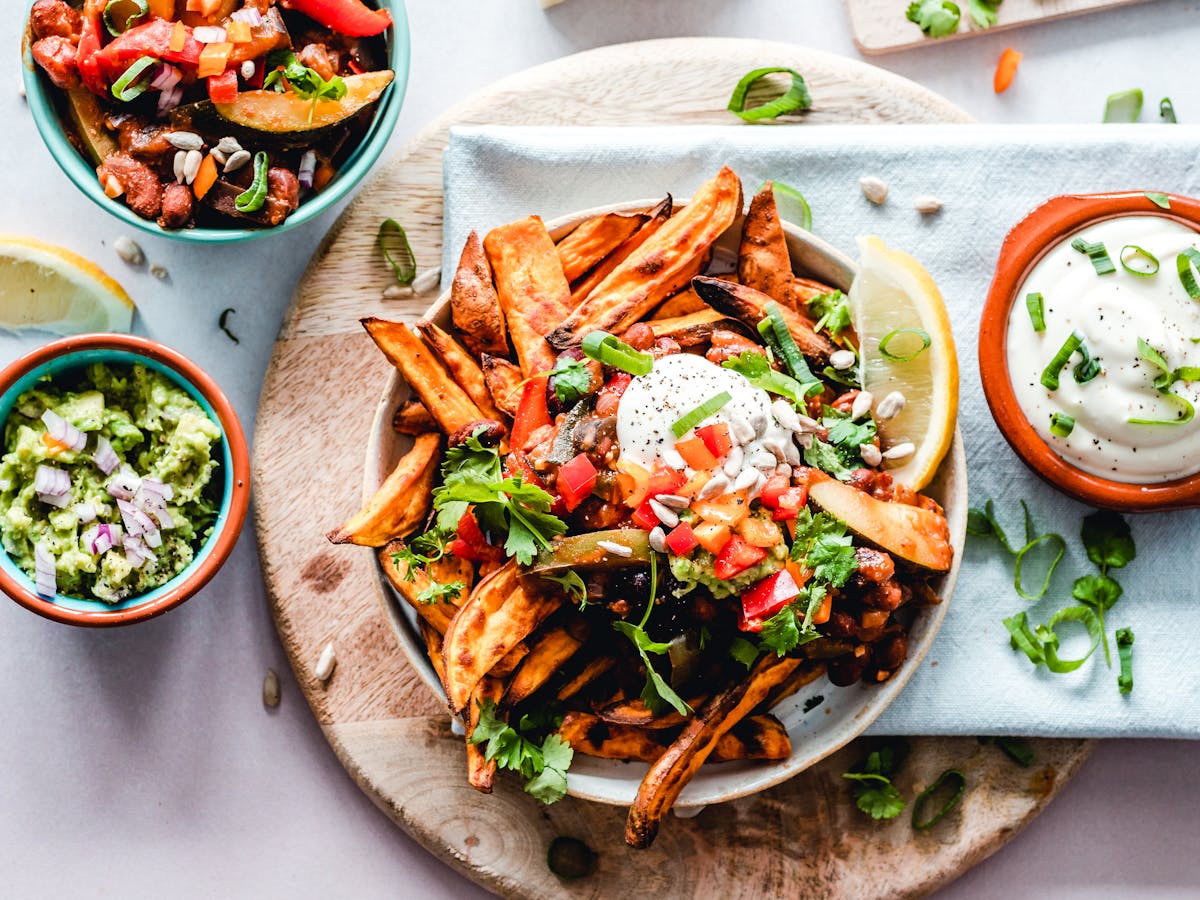
- Freezer‑friendly staples: Cooked beans, lentil soups, and chili freeze well and reheat beautifully for quick lunches.
- Label everything: Date and label leftovers so you use them within a safe window (most cooked dishes: 3–4 days refrigerated).
- Reheating tips: Reheat gently on the stove or in the oven instead of blasting in the microwave whenever you can—textures stay more appealing, which makes your limited eating window feel like a daily feast, not a chore.

Serving Ideas: What Pairs Well with a Fasting‑Friendly Day?
Within your eating window, you can still enjoy food in all its variety. Some meal ideas that tend to play nicely with time‑restricted eating and blood‑sugar balance:
- Breakfast: Veggie omelet with herbs, feta, and a slice of whole‑grain sourdough; or a tofu scramble with turmeric and roasted potatoes.
- Lunch: Lentil and roasted vegetable salad with arugula and walnuts; or grilled fish tacos in corn tortillas with cabbage slaw.
- Snack: Cottage cheese or plant‑based yogurt with seeds and berries; or an apple with a spoonful of nut butter.
Herbal teas, sparkling water with citrus, and lightly salted bone broth or vegetable broth can be lovely during fasting hours, depending on your specific fasting guidelines and health goals.
Common Questions About Intermittent Fasting & Time‑Restricted Eating
Will I automatically lose weight with intermittent fasting?
Not necessarily. Weight change still depends on your overall energy intake, activity, and biology. Many people naturally eat a bit less when they cut late‑night snacking, but some over‑eat during their window and see no change. The strongest emerging benefits are often around metabolic markers and habit structure rather than dramatic weight loss alone.
Is black coffee allowed during the fasting window?
In most popular protocols, unsweetened black coffee, plain tea, and water are allowed during fasts. If you find coffee makes you jittery or hungrier when fasted, try reducing the amount or delaying it until your first meal.
Is this appropriate for vegan or gluten‑free diets?
Yes. Time‑restricted eating describes when you eat, not what you eat. You can build entirely plant‑based, gluten‑free, or other special‑diet meals inside your chosen window. Just be extra mindful about hitting your protein and micronutrient needs.
Bringing It All Together
Intermittent fasting’s current wave is less about heroic willpower and more about gentle structure: aligning meals with daylight, giving your body a chance to rest between feedings, and filling your plate with vibrant, satisfying foods. Whether you’re curious about a simple “no food three hours before bed” rule or ready to try a full early 8‑hour window, remember that your body’s feedback is your best data.
Start slowly, eat warmly and well during your window, and let this be an experiment in caring for your metabolism—not punishing it. Your fasting practice should leave you feeling clearer, steadier, and more at home in your body. If it doesn’t, it’s the plan that needs changing, not you.
