
Inside Will Trent’s Most Devastating Twist: Amanda Wagner’s Death and Why Sonja Sohn Still Owns the Screen
A Cop Show Twist That Actually Hurts: Amanda Wagner’s Exit on Will Trent
Will Trent didn’t just pull off a plot twist with Amanda Wagner’s death in Season 4, Episode 16—it detonated an emotional landmine the series will be stepping around for years. By showing how she died on screen and then sitting in the fallout with Will, Faith, and the rest of the GBI, the show turned what could’ve been a disposable shock into a full-character reckoning. And at the center of that grief, even in absence, is Sonja Sohn, whose performance as Amanda has quietly been one of broadcast TV’s most grounded portraits of authority and vulnerability.
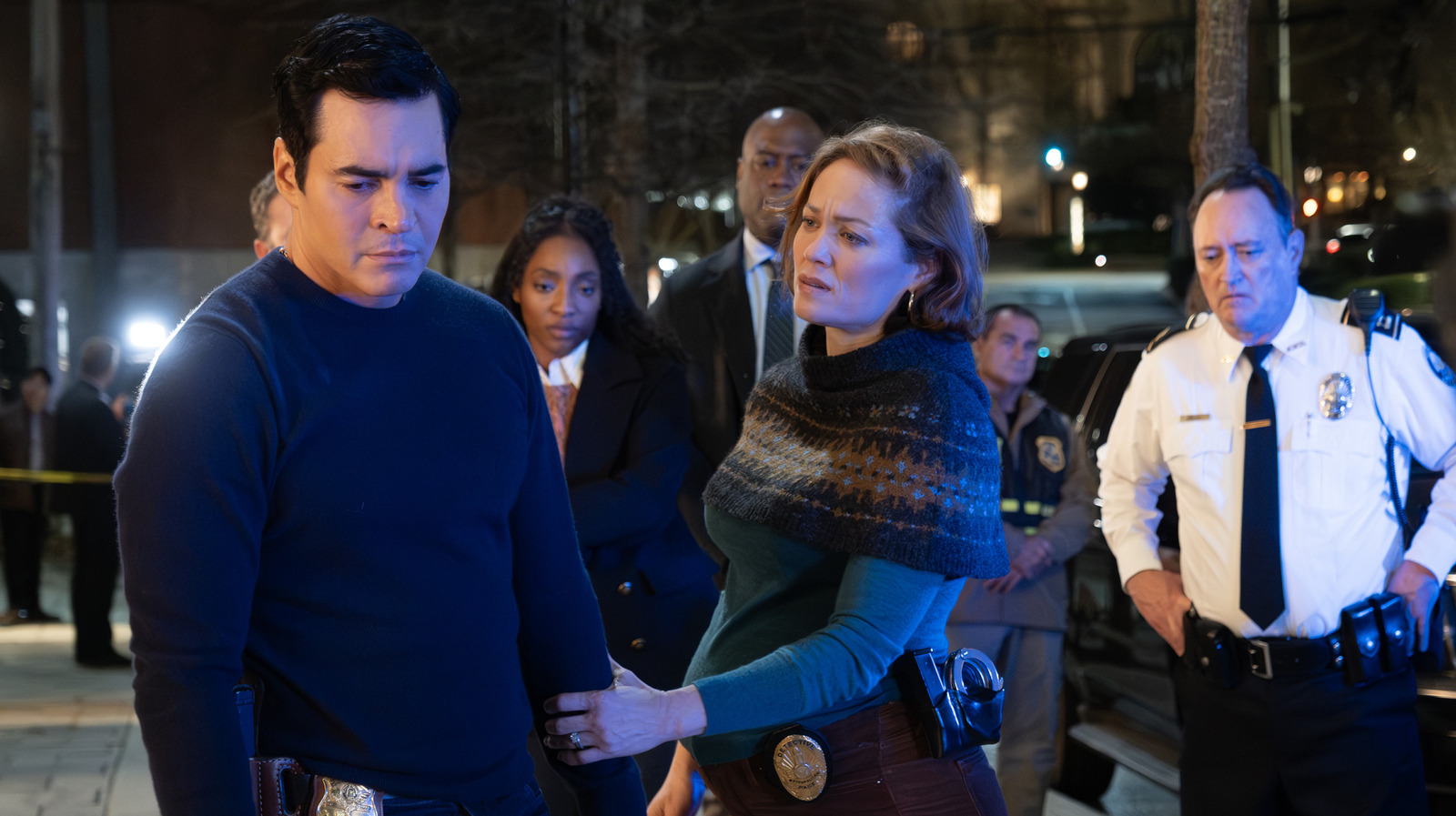
Sonja Sohn, who has spoken on Instagram about being “so touched” by the fan response and the character’s send-off, is mourning alongside the audience. Her absence is more than a casting change—it’s a structural shift in how Will Trent works as a character-driven crime drama.
Where Amanda Wagner Fits in the Will Trent Universe
To understand why Amanda’s death hits so hard, you have to zoom out. In Karin Slaughter’s book series, Amanda Wagner is a linchpin: Will Trent’s boss, sometime tormentor, and secret protector. She’s the person who both benefits from and challenges the system she’s spent her life working inside.
The ABC adaptation has leaned into that dynamic, positioning Amanda as:
- Will’s complicated guardian: She’s the one who pulled him out of the foster system, then trained him in the emotionally brutal language of survival.
- Institutional memory: A senior woman in law enforcement who remembers Georgia before “reform” was trendy and carries those scars.
- A barometer for morality: Not always kind, not always right, but constantly forcing the younger agents to negotiate between justice and procedure.
With that context, killing Amanda isn’t just deleting a character; it’s removing the show’s moral north star—even if that star was often half-obscured by clouds.
Season 4, Episode 16: Turning a Shocking Death into Storytelling Fuel
When a long-running procedural kills a key character, you can usually feel the calculus: contract issues, ratings gambles, a “very special episode.” Will Trent sidestepped the cynicism by actually lingering on the horror and aftermath of Amanda’s death.
By showing her final moments rather than hand-waving them in exposition, the episode:
- Honors her competence: Amanda doesn’t die as collateral damage; she dies working, making choices in real time.
- Refuses emotional shortcuts: We see Will, Faith, and the team process instead of snapping back to case-of-the-week normalcy.
- Bakes consequences into future arcs: The GBI is suddenly without its center of gravity, and the writing leans into that instability.
“I was so touched, just so taken with the response to Amanda. It means a lot that you all felt her the way I did.”
— Sonja Sohn, reflecting on fan reactions in Instagram videos after the episode aired

How Will Trent Processes Amanda’s Death: Trauma, Loyalty, and Anger
Will’s reaction to Amanda’s death is where the episode does its best character work. This isn’t generic “sad cop” mode; it’s the unraveling of a man whose entire adult life has been organized around the woman who rescued him from a system that failed him.
Dramatically, his grief unfolds on several levels:
- Survivor’s guilt: Will cycles through the what-ifs—what if he’d been there, what if he’d pushed harder, what if he’d questioned her decisions sooner.
- Identity crisis: So much of his investigative style is either in reaction to or emulation of Amanda. Without her, where does his moral compass point?
- Misplaced rage: He lashes out at systems, suspects, and even allies, because that’s easier than admitting the raw abandonment he feels.
The series, and Ramón Rodríguez’s performance, lean into the slow-burn nature of that grief. It’s less about a single cathartic breakdown and more about the subtle ways he becomes less precise, less patient, and more willing to bend rules—the very thing Amanda was always half-worried he’d become.

Beyond Will: How Amanda’s Absence Reshapes the GBI
One smart choice the show makes is not centering Amanda’s loss solely through Will. Faith, Ormewood, and the rest of the team each lose something distinct:
- Faith Mitchell: She loses both a boss and a hard-edged role model, someone who proved you could be imperfect and still command a room.
- Michael Ormewood: His uneasy respect for Amanda was tied to his own history of bad decisions. Without her, there’s one less person willing to call him on it.
- The institution itself: The GBI is suddenly without the woman who knew where all the bodies—literal and metaphorical—were buried.
This ensemble approach lets the show examine institutional loss, not just personal grief. It’s about how a workplace shifts when the person who quietly held the place together is gone.
Why Sonja Sohn’s Absence Will Loom So Large
On paper, Amanda Wagner is the kind of role that can easily turn into “tough boss with a heart of gold.” Sonja Sohn refuses that cliché. Anyone who watched her as Kima on The Wire or in Body of Proof knows her superpower: grounding authority in lived-in humanity.
On Will Trent, that meant:
- Micro-expressions over monologues: A slight wince, a pause before a reprimand, a lingering look at Will—small gestures that hinted at oceans of history.
- Making exposition feel like memory: When Amanda referenced the past, it felt like a woman forcing herself to reopen wounds, not a writer dumping backstory.
- Balancing steel and softness: She could undercut someone with a sentence, then stay in the room long enough to make sure they’d survive it.
“She was the kind of boss you’d complain about over drinks and still follow into a burning building.”
— A sentiment echoed by multiple critics and fans in reaction to Amanda’s death

That’s why her absence will loom: the show didn’t just lose a character; it lost a performance style that calibrated every scene she was in. Even when Amanda wasn’t in the frame, people were reacting to her expectations, her judgments, her complicated love.
Did the Show Stick the Landing? Strengths and Missteps
From a TV-criticism angle, Amanda’s death and its depiction come with both clear strengths and a few caveats.
What Will Trent Got Right
- Emotional follow-through: The decision to build an entire follow-up episode around the aftermath—rather than just the incident—signals respect for viewers’ investment.
- Character-first storytelling: Plot mechanics never fully eclipse the human cost; the case is in service to grief, not the other way around.
- Honesty about institutional loss: The show acknowledges that when someone like Amanda dies, the ripple effects are procedural, political, and personal.
Where It Falters
- Risk of narrative over-bleed: Lean too hard on grief, and later episodes could feel stuck in a single emotional mode if the writers don’t allow for tonal variation.
- Fridge-adjacent worries: While Amanda isn’t killed merely to motivate the hero, there’s always a danger, with powerful women in genre TV, that their deaths get subsumed into male angst.
- Book-reader expectations: Fans of Karin Slaughter’s novels will inevitably nitpick deviations, and any major divergence in Amanda’s arc invites comparison on social media and in reviews.

Where This Puts Will Trent in the Current TV Landscape
Among modern crime dramas, Will Trent has carved out a niche as “character-driven but still network-accessible.” It’s not trying to be as nihilistic as True Detective or as light as Castle. Amanda’s death nudges it closer to serialized emotional storytelling without abandoning its procedural bones.
In the broader entertainment context:
- Book-to-TV adaptations: It’s another example of how shows based on crime novels are willing to remix canon for television pacing and actor availability.
- Representation in authority roles: Losing a complex, older woman of color in a leadership position is a non-trivial subtraction in a genre that’s still catching up on representation.
- Fan–creator dialogue: Sonja Sohn’s Instagram response highlights how social media has turned exits like this into ongoing conversations rather than one-way broadcasts.

The Verdict: A Bold, Painful Move That Could Define the Series
Killing Amanda Wagner in Season 4 and then making her death the emotional backbone of Episode 16 is a risky move for Will Trent, but it’s also the clearest statement yet of what kind of show it wants to be. Instead of leaning on shock value, the series sits with the horror, the guilt, and the reconfiguration of power inside the GBI. It trusts viewers to care about more than the twist.
Sonja Sohn’s absence will be felt in every interrogation room, every tense briefing, every moment when Will or Faith reaches for a moral line and doesn’t quite know where it is anymore. That gap isn’t a flaw; it’s the point. If the writers keep honoring that loss—without drowning the show in unending misery—Amanda’s death could become the hinge on which Will Trent moves from solid adaptation to quietly essential crime drama.
Staff Television Critic
For episode details, air dates, and cast information, visit the official Will Trent page on IMDb or check out TVLine’s ongoing coverage.
