
Inside the Michael Jackson Biopic: Can Hollywood Handle the King of Pop’s Full Story?
A new Michael Jackson biopic is gearing up for release, and early tracking suggests it could be one of the decade’s biggest music‑movie hits. Yet the closer Hollywood gets to immortalising the King of Pop on the big screen, the sharper the question becomes: can any glossy, studio‑backed film truly capture both the dizzying artistic heights and the deeply contested, uncomfortable shadows of Jackson’s life?
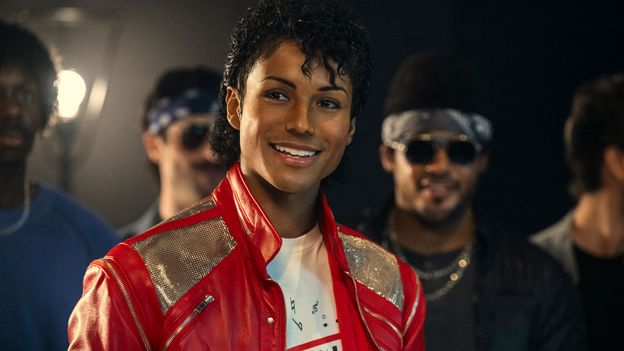
The New Michael Jackson Film: Why This Biopic Matters Now
Biopics about music legends are practically their own cinematic universe at this point. From Bohemian Rhapsody to Rocketman and Elvis, studios have learned that nostalgia plus streaming‑era discovery makes a powerful box‑office cocktail. A Michael Jackson movie, then, feels almost inevitable—a nine‑figure attempt to bottle one of pop culture’s most explosive, divisive legacies.
According to early box‑office tracking reports, this Jackson film is poised for a major opening: strong advance interest, high awareness across generations, and a built‑in global fanbase. For studios, it’s a dream package—IP recognisability, a catalogue of hits, and a story that spans Motown, MTV, tabloid culture, and the streaming age’s endless memory.
Michael Jackson in Context: From Global Icon to Cultural Rorschach Test
Michael Jackson is not just another pop star getting the biopic treatment; he’s a cultural Rorschach test. For some, he’s the kid‑genius from the Jackson 5 who moonwalked into superstardom, reinvented music videos, and shattered racial barriers on MTV. For others, his name is inseparable from years of disturbing allegations, sensationalist coverage, and painful questions that have never fully faded.
Any film about him has to grapple with at least three overlapping Jacksons:
- The innovator: the artist behind Thriller, Bad, and Dangerous, whose choreography, short‑film‑style videos, and production pioneered the grammar of modern pop.
- The spectacle: the megastar whose tours felt quasi‑religious, whose fashion and persona turned into living mythology, and whose private life was endlessly picked apart.
- The controversy: the man scrutinised in courtrooms and documentaries, whose legacy remains under ethical re‑examination in the post‑#MeToo, post‑Leaving Neverland era.
That complexity is exactly why this movie lands at a particularly delicate cultural moment: audiences want big, glossy music films—but they’re also far more attuned to how those stories are framed, who gets to tell them, and what gets left outside the frame.
Hollywood’s Playbook: Can You Tell a “Complete” Story in a Studio Biopic?
The modern music biopic has settled into a fairly recognisable rhythm: personal struggle, breakthrough hit, drugs or crisis, fall from grace, and a cathartic third act powered by a show‑stopping performance. It’s a structure that flatters both star and soundtrack, all while keeping things commercially palatable.
Applying that template to Michael Jackson, however, is fraught. The scale of his success is cinematic, but so is the scale of the questions around his life. For studios, the risk is clear: lean too hard into the adulation and the film looks sanitised; lean too hard into the allegations and you alienate fans and potentially the estate that controls the music rights.
“Biopics are rarely complete portraits—they’re curated myths. The more complicated the subject, the more you should pay attention to what the film doesn’t show you.”
— A common refrain among contemporary film critics examining the rise of music biopics
Behind the scenes, that means negotiations, legal vetting, and a careful PR strategy, all geared toward one thing: delivering a crowd‑pleasing narrative that still feels, at least superficially, like “the truth.”
What Story Will the Michael Jackson Movie Actually Tell?
While full plot details are tightly controlled, industry chatter and casting breakdowns suggest the film will focus on a few key beats:
- Jackson’s childhood in Gary, Indiana, and early fame with the Jackson 5 under intense pressure.
- The reinvention as a solo artist, especially the Off the Wall and Thriller eras, framed as a creative and commercial revolution.
- The years of superstardom, including world tours, groundbreaking music videos, and his increasingly guarded private life.
- Later‑career challenges: health issues, changing trends, and the strain of living inside his own myth.
The most sensitive question is not whether the film will mention the allegations—it almost certainly will in some form—but how. Tread too lightly and the film looks like fan‑service; dwell on them too long and it risks collapsing under its own gravity.
Viewers should expect a narrative that foregrounds Jackson’s artistry and emotional isolation while handling the darkest parts of his story with cautious, carefully lawyered brevity. How satisfying that balance will be—ethically or dramatically—is another matter.
The Legacy Problem: Art, Allegations, and Audience Memory
In the years since documentaries and renewed scrutiny reshaped public discussion of Jackson, his legacy has become more polarised. Some listeners have pulled back from his music; others argue his work should be considered distinct from the contested aspects of his personal life. The new film arrives right in the middle of that unresolved debate.
For supporters, the biopic promises a chance to re‑centre his creative genius and humanise a figure they feel has been reduced to scandal headlines. For critics and sceptical viewers, there’s concern that a major studio release might reframe him primarily as a misunderstood victim of fame and media, glossing over the gravity of long‑running allegations.
“When you build a narrative around genius, you have to resist the temptation to use that genius as an excuse. Otherwise the movie stops being history and becomes pure PR.”
The controversy isn’t just about what the film shows; it’s about what its commercial success might signal. A huge box‑office run could be read as a cultural willingness to re‑embrace Jackson—or as evidence that audiences can compartmentalise in ways that critics find uncomfortable.
Potential Strengths and Weaknesses: What This Film Is Poised to Do Well—and Where It May Struggle
Based on what’s known about the production and the broader biopic trend, a few likely strengths and weaknesses stand out.
Where the Film Will Likely Shine
- Musical set‑pieces: Expect meticulously staged recreations of milestone performances—“Billie Jean” on TV, stadium tours, and high‑concept videos brought to life with modern cinematography and sound design.
- Nostalgia and discovery: Long‑time fans will get a big‑screen immersion in songs they already love, while younger audiences may genuinely “discover” Jackson through the film, much like what happened with Queen after Bohemian Rhapsody.
- Production value: Major biopics now function as prestige calling cards: period detail, costuming, and sound mixing that make the movie feel like an event rather than a history lesson.
Where the Film May Struggle
- Complexity vs. runtime: Jackson’s life is arguably too sprawling and contested for a standard two‑to‑three‑hour film without sacrificing nuance.
- Estate involvement: To the extent that official partners are involved, viewers may question how that shapes the portrayal. A film that feels too authorised risks losing critical credibility.
- Cultural reception: Online discourse around the film is likely to be intense, with competing campaigns from dedicated fandoms, critics, and advocacy voices.
Taken together, that suggests a film that may deliver a powerful audio‑visual experience and a persuasive emotional arc, while still leaving many viewers unsatisfied with how it handles the hardest questions.
How It Compares: From Bohemian Rhapsody to Elvis and Beyond
The Michael Jackson project exists in direct conversation with the recent wave of high‑profile music biopics. Bohemian Rhapsody was criticised for smoothing over Freddie Mercury’s messier realities but still won Oscars and rewrote the box‑office rules. Baz Luhrmann’s Elvis wrapped its subject in operatic excess while glancing at, rather than deeply interrogating, the ethics of his career.
The real precedent for this Jackson film may be less those glossy hits and more the reaction to them. Critics and audiences are now quicker to ask:
- Whose point of view is this story told from?
- Which communities or voices are missing?
- Is the film expanding our understanding of the artist—or just repackaging the greatest hits?

Against that backdrop, the Jackson film will likely be judged not just on its box‑office take but on whether it feels like a genuinely inquisitive portrait or a carefully manicured monument.
Trailers, Soundtrack, and Where to Follow the Film
As the film approaches release, official trailers and teasers will be central to how it positions Jackson’s legacy: watch for which eras get the spotlight, which songs anchor the campaign, and how heavily the marketing leans on phrases like “the untold story” or “the real Michael.”
You can typically find:
- Official trailers and featurettes on the studio’s verified YouTube channel.
- Cast and crew details, plus user and critic reactions, on IMDb once the film’s page is fully live.
- Soundtrack information on major music services, often accompanied by curated “inspired by the film” playlists.
Will This Michael Jackson Biopic Tell the Full Story?
No single film can contain the full story of Michael Jackson—artist, icon, controversy, myth. What this biopic can do is signal how mainstream culture currently wants to remember him. Is he framed primarily as a tragic genius, a victim of fame, a flawed but heroic figure, or something more ambivalent and unresolved?
If the movie leans into complexity—acknowledging not just the brilliance of the work but the discomfort of the discourse—it could become more than another jukebox victory lap. If it doesn’t, it may still succeed as a box‑office phenomenon while leaving the bigger conversation to journalists, historians, and audiences who are unwilling to let the credits roll on the harder questions.
Either way, the controversy surrounding this film isn’t just about Michael Jackson; it’s about how we choose to narrate our cultural giants in an age that is, rightly, far less willing to look away.
