
Inside the Matthew Perry Ketamine Case: What the 'Ketamine Queen' Trial Reveals About Celebrity, Addiction, and Accountability
Matthew Perry, the “Ketamine Queen,” and Hollywood’s Complicated Relationship with Addiction
As sentencing looms for so‑called “Ketamine Queen” Jasveen Sangha in connection with Matthew Perry’s fatal ketamine overdose, the case has become a flashpoint for how the justice system treats celebrity deaths, addiction, and the underground drug economy around Hollywood. Drawing on the latest reporting from the BBC and court filings, this piece unpacks what we know so far, explores the legal and cultural stakes, and considers how Perry’s own outspoken recovery advocacy complicates the public conversation about blame and responsibility.
Perry’s death was never going to be treated as just another tragedy in Los Angeles. This is Chandler Bing from Friends, a sitcom that defined 1990s television and still auto‑plays on streaming queues worldwide. But the story unfolding in court is less about ‘90s nostalgia and more about how a fragile system of pain management, celebrity access, and opportunistic suppliers can end in catastrophe.
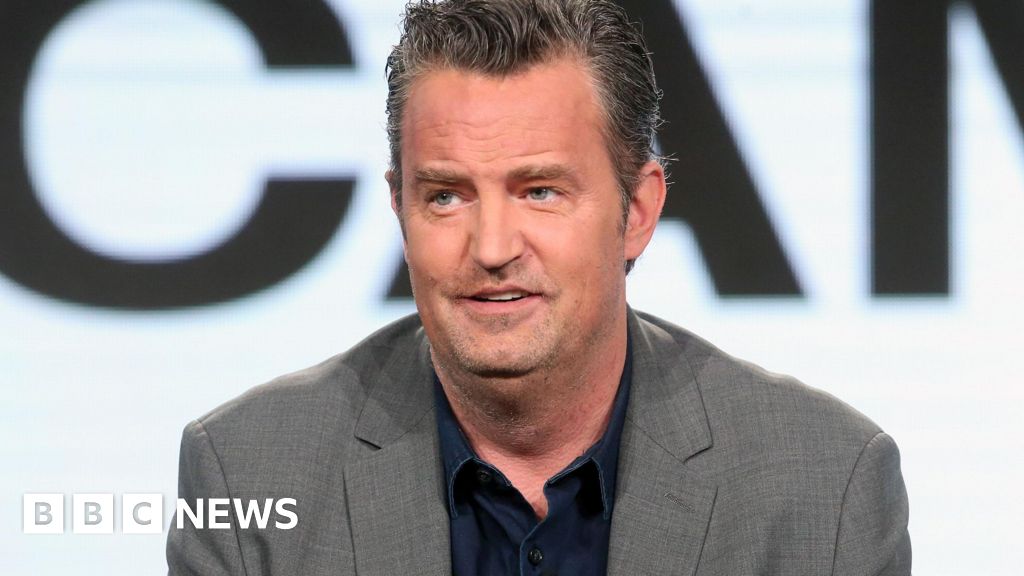
What the Matthew Perry Ketamine Case Is Actually About
According to BBC News reporting and U.S. court documents, prosecutors say Perry obtained ketamine outside legitimate medical channels from a loose network of suppliers. Among them: Jasveen Sangha, dubbed the “Ketamine Queen,” and associates who allegedly sourced the drug and resold it at staggering markups.
One associate, Paula Plasencia, is alleged to have bought ketamine from a provider identified as Chavez and then flipped it to Perry for as much as $2,000 (about £1,500) per vial. In a text message cited by prosecutors, Plasencia reportedly joked:
“I wonder how much this moron will pay.”
That single line has become emblematic of the way prosecutors frame the case: a vulnerable, addicted star targeted by people who saw him as an open wallet rather than a patient in recovery.
- Key substance: Illicit ketamine, separate from any supervised treatment he may have received.
- Allegations: Illegal distribution, inflated pricing, and exploitation of a known addict.
- Potential exposure: Sangha and others face the prospect of decades in prison at sentencing.
Matthew Perry’s Stepmother and the Call for a Maximum Sentence
The emotional center of this case, at least in the public imagination, is Perry’s family. His stepmother has been particularly direct, telling the BBC that the woman labelled the “Ketamine Queen” should receive the maximum sentence for her role in the actor’s death.
“She should get the maximum sentence,” Perry’s stepmother said, framing the loss not just as tragic, but as preventable.
From a cultural standpoint, this positions the family squarely on the side of tough accountability. There’s a long history of families in high‑profile overdose deaths using the courts to send a broader message, not just to defendants but to an entire ecosystem of dealers, prescribers, and enablers orbiting the entertainment industry.
Legally, victims’ family statements don’t dictate a sentence, but they do shape the narrative: are these defendants portrayed as misguided participants in a broken system, or as predatory profiteers? In celebrity cases, that framing often ripples out into broader policy debates about how harshly to punish suppliers versus prioritizing public health.
Ketamine in 2026: From Club Drug to “Therapy” and Back Again
To understand why the Matthew Perry case resonates beyond fan circles, you have to look at ketamine’s strange cultural moment. In 2026, ketamine occupies a liminal space:
- A long‑time club drug with a reputation for dissociative “K‑hole” experiences.
- An increasingly mainstream treatment in controlled doses for severe depression and chronic pain.
- A tempting shortcut in Hollywood, where both mental health crises and access to experimental therapies are common.
Perry’s death sharpened arguments about where the line sits between cutting‑edge treatment and dangerous self‑medication. While the official medical uses of ketamine are carefully regulated, the case against Sangha and others alleges exactly the opposite: unsupervised dosing, opportunistic selling, and a willing but vulnerable buyer.

Matthew Perry’s Addiction Story and Public Persona
Perry’s death hit harder than many celebrity obituaries because he’d already done the unglamorous work of telling his addiction story himself. In his 2022 memoir Friends, Lovers, and the Big Terrible Thing, he laid out years of prescription pill and alcohol misuse, health scares, and the constant tug‑of‑war between fame and sobriety.
“When I die, I don't want Friends to be the first thing that's mentioned — I want helping people to be the first thing that's mentioned,” he said in an interview, underscoring how deeply he wanted his recovery work to outlive his sitcom persona.
That context makes the current legal proceedings feel especially bitter. The man who once turned his Malibu home into a sober living facility is now at the center of a narrative about relapse, exploitation, and preventable death.

In that light, the prosecution’s narrative about people around him texting about “how much this moron will pay” doesn’t just sound callous — it feels like a betrayal of someone who had repeatedly tried to turn his own pain into a roadmap for others.
The Shadow Economy Around Celebrity Addiction
The alleged $2,000‑per‑vial pricing reveals more than just greed; it highlights a familiar pattern in Hollywood’s darker corners. Where there is money, there is always a parallel “concierge” service: private doctors, off‑the‑books suppliers, discreet fixers who trade on secrecy and access.
- Hyper‑inflated prices signal that someone believes the buyer is both desperate and insulated from consequences.
- Text messages like “I wonder how much this moron will pay” reinforce that this is not framed as care, but as exploitation.
- Branding someone as a “Ketamine Queen” glamorizes, however unintentionally, a role that in reality can be grim and dangerous for everyone involved.
Entertainment history is full of similar stories: Prince’s painkiller pipeline, Michael Jackson’s relationship with Conrad Murray, Mac Miller’s suppliers. Each time, the industry acts surprised that informal networks thrive where there is demand, and each time, the pattern repeats.

Justice, Blame, and the Ethics of Punishment in Celebrity Overdose Cases
As Sangha faces the possibility of decades in prison, the case raises uncomfortable questions. What does justice look like when an addicted adult with resources seeks out illegal drugs and dies? Where does personal responsibility end and criminal culpability begin?
The law tends to draw a bright line: supplying illegal substances that lead to a death can trigger extremely serious charges, especially if prosecutors can show intent, profit‑seeking, or awareness of risk. But culturally, the line is blurrier:
- Public health advocates argue that overdose deaths reflect systemic failures — from inadequate treatment access to the stigmatization of addiction.
- Victims’ families often call for maximum penalties, both out of grief and a desire to warn others.
- Courts sit in the middle, weighing deterrence, fairness, and the specifics of each case.
In Perry’s case, the family’s call for the harshest possible sentence will likely carry moral, if not legal, weight. But long prison terms for individual suppliers have historically done little to dismantle the broader networks that thrive wherever addiction and disposable income intersect.

How This Case Fits Into the Legacy of Friends and Modern TV Fandom
The Matthew Perry ketamine case is not just a legal drama; it’s also a test of how modern fandom processes the fallibility of its icons. Friends lives on as a comfort show — streaming endlessly, memed constantly, referenced by generations who weren’t even alive during its original run.
Perry’s Chandler was the guy who undercut every heavy moment with a joke. That persona clashed painfully with his off‑screen reality: hospitalizations, surgeries, and a lifetime of recovery work. The current coverage, including the BBC’s focus on the “Ketamine Queen” and those damning text messages, forces fans to confront that dissonance yet again.
In a media ecosystem obsessed with “true crime,” there’s also a risk of turning Perry’s death into just another binge‑able saga. The challenge — for journalists, fans, and the courts — is to treat the case as more than a lurid Hollywood cautionary tale, and instead as a window into how we talk about addiction, power, and care.
Beyond the “Ketamine Queen”: What Happens After the Sentence
When Jasveen Sangha stands to receive her sentence, the headlines will focus on the number: years, decades, maximum or not. But the deeper story — about how a beloved actor who tried to turn his recovery into a form of service still ended up dying from an illegal ketamine supply — won’t be solved by a single verdict.
If anything, the case underlines a paradox at the heart of entertainment culture: we cheer when stars speak openly about addiction, but we rarely build the support systems and guardrails that would make relapse less lethal. Hollywood has always sold fantasy; this trial, and Perry’s death, are stark reminders of the real‑world costs lurking just off camera.
As the court delivers its judgment, the more important question for the industry — and for audiences — may be what changes afterward: not just in how dealers are sentenced, but in how we treat addiction as part of the story rather than a shameful footnote to it.
