
Inside the Courtroom Drama Over Aaron Carter’s Legacy: What His Mom’s Legal Defeat Really Means
The legal battle over late pop star Aaron Carter’s estate took a decisive turn when a Los Angeles judge rejected his mother Jane Schenck’s challenge against his ex-fiancée Melanie Martin, effectively confirming Martin’s legal standing and reshaping how Carter’s legacy and remaining assets will be managed. Beyond the tabloid headlines, this case taps into bigger questions about posthumous celebrity, family dynamics, and how the law handles an artist’s legacy when their life ends in chaos rather than closure.
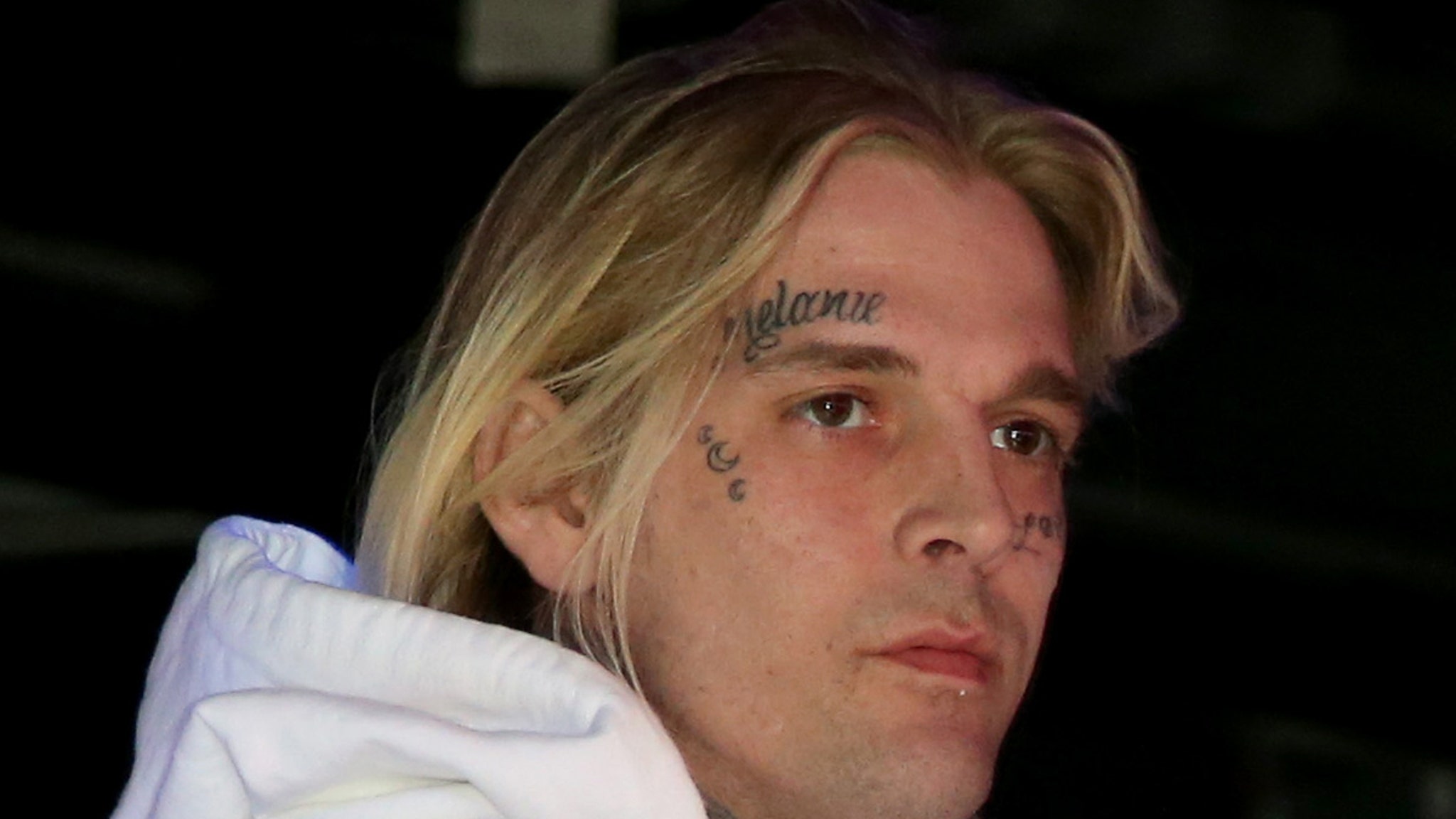
Why Aaron Carter’s Estate Fight Still Matters
Celebrity estate disputes have practically become their own subgenre of entertainment news, from Prince to Michael Jackson. Aaron Carter’s story fits that pattern in miniature: a child star turned reality TV figure, struggling with addiction and mental health, gone too soon and leaving behind grief, questions, and legal confusion. The latest ruling in Los Angeles doesn’t just settle who’s in charge—it quietly shapes how the industry, fans, and family will remember him.
The Road to Court: Aaron Carter, Fame, and Family Tension
Aaron Carter rose to fame in the late ’90s and early 2000s as the kid brother of Backstreet Boys member Nick Carter, scoring teen-pop hits, Disney Channel ubiquity, and a spot in the TRL-era pop canon. As the years went on, the headlines shifted from chart positions to rehab stints, public feuds, and deeply personal livestreams that blurred the line between confession and performance.
By the time of his death in November 2022, Carter’s life had become a familiar Hollywood tragedy: financial instability, strained family relationships, and a social media presence that doubled as a real-time emotional diary. His on‑again, off‑again relationship with Melanie Martin, with whom he shared a son, was often played out in public. That messy context sits beneath the dry language of the latest court ruling.
Inside the Case: Jane Schenck vs. Melanie Martin
According to court documents reported by TMZ, Aaron Carter’s mother, Jane Schenck, challenged the role of his ex‑fiancée Melanie Martin in overseeing matters related to his estate. While the finer procedural details are buried in legal filings, the core tension is clear: who has the legitimate authority—both moral and legal—to speak for Aaron’s interests after his death?
- Jane Schenck sought greater say, objecting to Melanie Martin’s role and decisions.
- Martin, as Carter’s ex‑fiancée and mother of his child, represented a different branch of his “family” in the eyes of the court.
- The judge ultimately shut down Schenck’s challenge, leaving Martin’s position intact.
In celebrity estate law, courts tend to move conservatively: existing legal designations, guardianships, and parental connections generally carry more weight than family disputes playing out in the tabloid press. This ruling follows that pattern.
“Late pop star Aaron Carter’s mom Jane Schenck’s fight with his ex‑fiancée Melanie Martin over his estate was shut down in court, TMZ has learned.”
What the Judge’s Decision Actually Changes
On paper, this is a narrow procedural outcome. In practice, it has far‑reaching ripple effects over how Aaron Carter’s name, image, and remaining assets can be used or protected. With Schenck’s challenge denied, Melanie Martin’s legal footing is significantly strengthened.
- Control over financial decisions: Any remaining royalties, residuals, or licensing income from Aaron’s music, TV, and merch will likely flow under the structure Martin is attached to, especially as it relates to their child.
- Authority over posthumous projects: Documentary proposals, biopics, or authorized podcasts and books often require sign‑off from the estate. The ruling clarifies who studios and producers will have to deal with first.
- Stability for Aaron’s son: Courts often prioritize the welfare of surviving children. For now, this decision leans into stability rather than reopening the field to broader family conflict.

From an industry perspective, this gives labels, streamers, and publishers a clearer path: if they want to work with “the Aaron Carter brand” going forward, this ruling signals who’s in the room.
The Culture of Celebrity Estates: From Grief to Branding
Aaron Carter’s case slots into a broader entertainment pattern: as soon as a star dies, the scramble begins—sometimes quietly, sometimes loudly—over their catalog, their image, and their story. Think of:
- Prince, who died without a will, leaving a labyrinthine estate battle that still shapes how his archive is rolled out.
- Whitney Houston, whose posthumous hologram tours and biopics sparked debates over taste and exploitation.
- Michael Jackson, where the estate became a powerful corporate entity in its own right.
Carter isn’t operating on that scale, but the logic is the same. Even relatively modest estates can become contested when issues of reputation, responsibility, and trauma are layered on top of money. For fans raised on his pop hits, the fight can feel jarring—another reminder of how quickly nostalgia gives way to legal wrangling.

Family vs. Fiancée: Who “Owns” the Memory of a Pop Star?
At the heart of this case is an uncomfortable, deeply human question: when someone dies young, who gets to decide what their life meant? The law has one set of answers—based on blood relations, paperwork, and parental rights—but culture has another, shaped by who was there in the hard years, and who the public thinks “deserves” to speak.
Jane Schenck represents the traditional family claim: a mother who says she’s been fighting for her son’s truth, sometimes vocally and controversially in the media. Melanie Martin represents the partner claim: the person who shared a child and a relationship with Aaron in his final years, however volatile.
Fans are often split along similar lines. Some still blame family dynamics for Aaron’s struggles; others see Martin as part of the chaos that surrounded him. The judge’s ruling doesn’t settle those emotional debates—it just decides who signs the documents.
TMZ, Tabloids, and the Narratives We Keep Clicking
The fact that this most recent development surfaced via TMZ is not incidental. For a certain tier of celebrity, outlets like TMZ have become the de facto archive: arrests, custody battles, estate fights, and shaky candid videos live side by side with red‑carpet moments.
In Aaron Carter’s case, the tabloid press effectively co‑authored his late‑career image. His Instagram livestreams and highly public arguments fed directly into an attention economy that rewards spectacle but rarely rewards recovery. Now, the estate battle gets folded into the same cycle—just one more chapter in a life too often reduced to “drama.”
“The media doesn’t just report on celebrity breakdowns; it scaffolds them,” a cultural critic for a major entertainment outlet once observed about the early‑2000s tabloid era. Aaron Carter’s story is very much a product of that ecosystem.

The Ruling’s Upside—and What Still Feels Unresolved
Judged strictly on legal terms, the decision offers some clear positives, especially for those concerned about Aaron Carter’s young son and the practical realities of the estate.
- Strengths:
- Provides clearer authority for third parties (labels, streamers, publishers) who want to work with Aaron’s catalog or likeness.
- Reduces the likelihood of multiple, competing “official” narratives vying for control.
- Signals stability in what was becoming a messy, highly public tug‑of‑war.
- Weaknesses and concerns:
- Doesn’t resolve deeper family grievances or questions about how Aaron was treated in his final years.
- Risks turning his legacy into a negotiation between a small group of people whose relationships with him were complicated at best.
- Leaves fans mostly in the role of spectators, watching the story unfold through second‑hand legal summaries and tabloid updates.

Aaron Carter’s Legacy: Beyond the Courtroom
As legal skirmishes settle, what remains of Aaron Carter in the cultural imagination is a split‑screen image: on one side, the bubblegum‑pop kid playing arenas and Nickelodeon specials; on the other, a visibly struggling adult whose battles with addiction, mental health, and public scrutiny were impossible to separate from his fame.
The hope—perhaps naïve, but still worth voicing—is that whoever holds the legal keys to his estate will prioritize projects that treat that complexity with care. Thoughtful documentaries, well‑curated reissues, and honest interviews can do more for his legacy than quick, sensationalist cash‑ins.
For fans, the most meaningful tribute may be quieter: revisiting the music without pretending the pain wasn’t there, and recognizing Aaron Carter as more than a cautionary tale from the TRL era. The court has made its ruling; the culture is still making up its mind.

For official confirmations and evolving details around Aaron Carter’s filmography and credits, see his profile on IMDb, and for ongoing legal coverage, outlets like TMZ and Variety will continue to track the estate story as it develops.
