
Inside Celebrity Longevity Diets: Biohacking Meals You Can Actually Cook at Home
Celebrity Longevity Diets, Biohacking Meals & a Vibrant Longevity Power Bowl Recipe
Celebrity “longevity diets” are everywhere right now—tech founders sipping black coffee through 18-hour fasts, actors posting DEXA scans, and athletes weighing every olive on their salad. Beneath the hype, there’s a genuinely delicious core: colorful, plant-forward meals, smart use of healthy fats, plenty of fiber, and a gentle awareness of how food supports a long, active life. This page unpacks the trend in clear, evidence-informed language—and then brings it back to the kitchen with a warm, satisfying Longevity Power Bowl recipe you can cook tonight.
Think of this as a calm, food-loving answer to the online noise: we’ll talk fasting, plants, supplements, and what really matters for healthspan—then build a bowl full of roasted vegetables, creamy hummus, lemony olive oil, and crunchy seeds that feels luxurious, not restrictive.
Why Celebrity Longevity Diets Are Trending
Across social media and podcasts, high-profile tech leaders, entertainers, and elite athletes are promoting—or having rumored—longevity-focused eating patterns. These “biohacking meals” prioritize healthspan (those years you live vibrantly and independently) rather than just how your body looks in the mirror.
- High-visibility examples: Public figures share bloodwork, continuous glucose monitor graphs, and strict day-in-the-life food logs.
- Longevity researchers & podcasters: Evidence-informed discussions about fasting, protein intake, and Mediterranean-style diets have become mainstream.
- Curiosity & skepticism: For every person inspired by these routines, another questions whether extreme protocols are sustainable—or even necessary.
Underneath the spectacle, there’s a clear through-line: more whole plants, fewer ultra-processed foods, better metabolic markers, and respect for muscle mass. That’s a trend we can happily bring into our kitchens.
Key Elements of Celebrity Longevity Diets
1. Time-Restricted Eating and Fasting
Many longevity enthusiasts use time-restricted eating—for example, fasting 14–18 hours overnight and eating within a 6–10 hour window. Some occasionally add 24–72 hour fasts under medical guidance.
Online conversations often revolve around:
- Early eating windows: Finishing dinner earlier to align with circadian rhythms.
- “Clean” fasting: Black coffee, plain tea, and electrolytes without calories.
- Training while fasting: Strategies to preserve muscle, like resistance training and sufficient protein in the eating window.
2. Plant-Forward, Nutrient-Dense Meals
Here’s the part that tastes wonderful: most longevity plates look a lot like a Mediterranean or Blue Zones meal. Picture a big bowl with:
- Heaps of non-starchy vegetables and leafy greens.
- Legumes (lentils, chickpeas, beans) as core protein and fiber.
- Whole grains in moderate portions: farro, quinoa, barley, brown rice.
- Healthy fats from extra-virgin olive oil, nuts, and seeds.
- Less red and processed meat, more fish (especially fatty fish) and some poultry.
These patterns correlate with lower cardiovascular risk and longer average lifespans in observational research—without requiring perfection or extremes.
3. Calorie Awareness & Body-Composition Tracking
Many biohackers track weight, body-fat percentage, and even visceral fat via smart scales or DEXA scans. The goal is often a gentle calorie deficit or maintenance of a lean, muscular physique with:
- Healthy fasting glucose and insulin levels.
- Lower triglycerides and blood pressure.
- Enough muscle mass to support strength and mobility with age.
The simplest home version? Fill half your plate with vegetables, add a palm-sized portion of protein, include some whole grains or starchy veg, and drizzle with healthy fats. Then eat slowly and stop at comfortable fullness.
4. Supplement Stacks
Celebrity longevity routines often come with impressive supplement line-ups. Common, evidence-backed players include:
- Vitamin D for bone and immune health (especially if levels are low).
- Omega-3s from fish oil or algae-based DHA for heart and brain health.
- Magnesium for muscle function, sleep, and blood pressure.
- Creatine, not just for bodybuilding, but also cognitive and muscular support.
More experimental compounds—like high-dose polyphenol extracts (resveratrol, quercetin)—have mixed human data and should be viewed with caution.
5. Criticisms & Caution Around Extreme Longevity Diets
Dietitians and physicians frequently warn about the risks of taking longevity diets too far:
- Chronic undereating can lead to nutrient deficiencies, low energy, hormonal issues, and loss of lean mass.
- Rigid rules may worsen or trigger disordered eating patterns.
- Some anti-aging claims rely heavily on animal studies or small early human trials.
The most robust, consistent advice? Prioritize whole plant foods, stay active with resistance training, protect your sleep, avoid smoking, and moderate alcohol. The rest is fine-tuning.
A Biohacker-Inspired Longevity Power Bowl You’ll Actually Crave
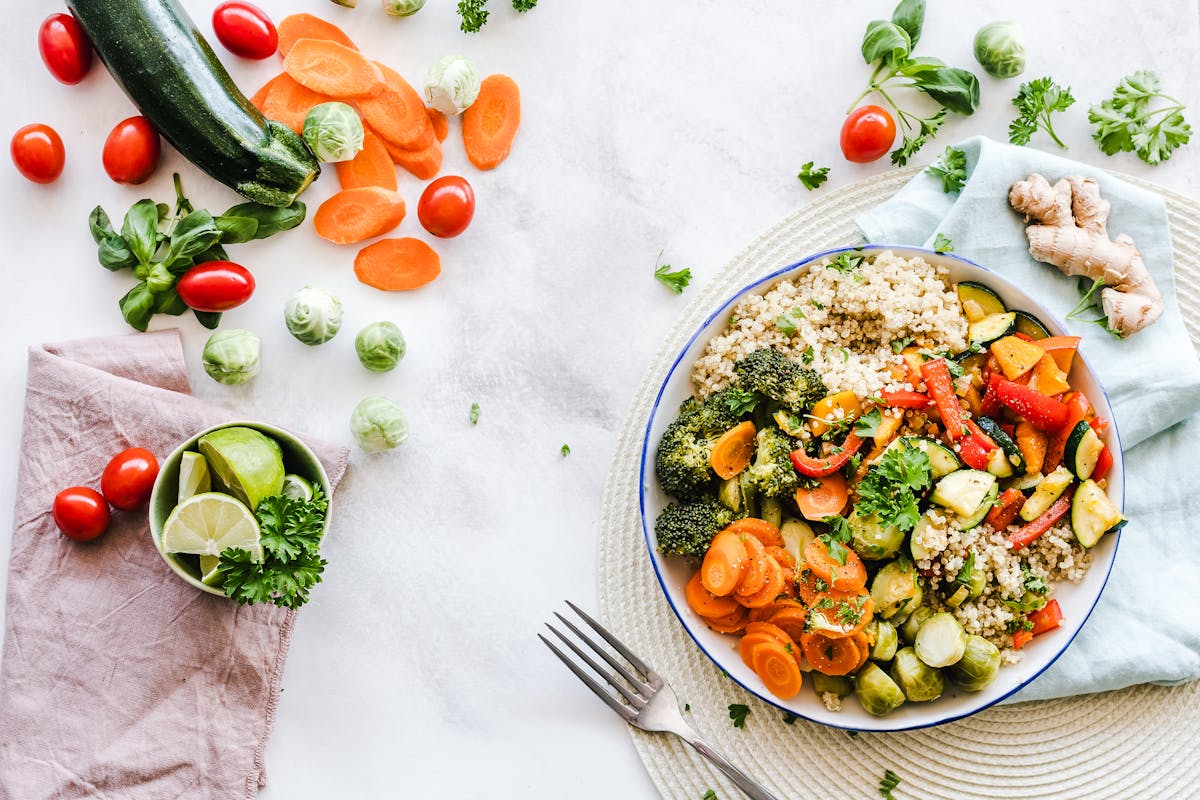
Let’s turn all of this into something you can taste: a colorful, Mediterranean-style Longevity Power Bowl. It’s plant-forward, protein-rich, and naturally high in fiber and healthy fats—very much in line with Blue Zone and celebrity longevity patterns, but grounded in comfort and flavor, not perfectionism.
Imagine warm roasted broccoli and sweet carrots, nutty quinoa, lemony olive oil, creamy hummus, and crunchy seeds, finished with bright herbs. It’s as good cold from the fridge as it is fresh from the oven—a meal-prep dream for busy weeks.
Longevity Power Bowl Recipe Overview
Prep Time: 20 minutes
Cook Time: 25 minutes
Total Time: 45 minutes
Servings: 4 bowls
Difficulty: Easy – great for weeknights
Diet: Vegan, high-fiber, Mediterranean-inspired
Recipe Structured Data (SEO)
The following embedded structured data helps search engines understand this longevity recipe and its nutritional focus:
Ingredients for the Longevity Power Bowl
These amounts make 4 hearty bowls. You can easily scale up or down for meal prep or smaller households.
Base & Grains
- 1 cup (190 g) dry quinoa, rinsed
- 2 cups (480 ml) water or low-sodium vegetable broth (for extra flavor)
Roasted Vegetables & Legumes
- 1 medium head broccoli, cut into bite-size florets
- 3 medium carrots, sliced on a bias (angled slices for more surface area)
- 1 small red onion, cut into thick wedges
- 2 cups (about 300 g) cooked chickpeas or lentils, rinsed and drained
- 2 tbsp extra-virgin olive oil (for roasting)
- 1 tsp ground cumin
- 1 tsp smoked or sweet paprika
- 1/2 tsp ground turmeric
- Salt and freshly ground black pepper, to taste
Fresh Toppings & Healthy Fats
- 1 cup (240 g) hummus (store-bought or homemade)
- 1 medium cucumber, diced
- 1 cup cherry tomatoes, halved
- 1/4 cup (30 g) toasted pumpkin seeds
- 1/4 cup (30 g) toasted sunflower seeds or chopped walnuts
- Small bunch fresh parsley or cilantro, chopped
- 1 tbsp extra-virgin olive oil (for finishing drizzle)
- 1 large lemon, cut into wedges
Optional Add-Ons
- 1 avocado, sliced (adds creaminess and healthy fats)
- Crumbled feta cheese (omit for vegan or dairy-free)
- Pinch of red pepper flakes for gentle heat
Equipment You’ll Need
- Medium saucepan with lid (for quinoa)
- Large baking sheet, preferably rimmed
- Parchment paper or silicone baking mat (for easy cleanup)
- Mixing bowl for tossing vegetables
- Cutting board and sharp chef’s knife
- Small skillet (for toasting seeds or nuts)
- Measuring cups and spoons
- 4 serving bowls
Step-by-Step Visual Guide




How to Make the Longevity Power Bowl
Cook the quinoa.
Rinse the quinoa under cold water in a fine-mesh sieve; this removes its natural bitterness. In a medium saucepan, combine the quinoa with the water or vegetable broth.
Bring to a gentle boil over medium heat, then reduce to low, cover, and simmer for about 15 minutes, until the liquid is absorbed. Turn off the heat and let it rest, covered, for another 5 minutes, then fluff with a fork.
Preheat your oven and prep the roasting tray.
Preheat the oven to 400°F (200°C). Line a large baking sheet with parchment paper or a silicone mat for easy cleanup.
Season the vegetables.
In a large mixing bowl, combine the broccoli florets, carrot slices, and red onion wedges. Drizzle with 2 tablespoons olive oil, then sprinkle on the cumin, paprika, turmeric, salt, and pepper.
Toss thoroughly so every piece glistens lightly with oil and spices—this is where the aroma starts to bloom.
Roast to caramelized perfection.
Spread the vegetables in a single layer on the prepared baking sheet. Roast for 20–25 minutes, stirring once halfway through.
You’re looking for golden, slightly crisp edges and tender centers. In the last 5 minutes of roasting, scatter the chickpeas or lentils over one side of the tray to warm through and dry slightly for better texture.
Prep the fresh components.
While the oven does its magic, dice the cucumber, halve the cherry tomatoes, and finely chop the parsley or cilantro. Toast the pumpkin seeds and sunflower seeds (or walnuts) in a dry skillet over medium heat for 3–4 minutes, stirring often, until fragrant and just starting to color.
Slice the avocado if using, and cut the lemon into wedges.
Season to taste.
Taste the quinoa and roasted vegetables. Add a little more salt, pepper, or a squeeze of lemon if needed. Adjusting seasoning at the end is key to restaurant-level flavor.
Assemble your longevity bowls.
Divide the fluffy quinoa between 4 bowls. Top each portion with an even share of roasted vegetables and warm chickpeas or lentils.
Add a generous spoonful (about 1/4 cup) of hummus to each bowl. Arrange cucumber, tomatoes, and avocado slices around the edges for a beautiful, colorful presentation.
Sprinkle with toasted seeds or nuts and plenty of chopped herbs. Drizzle with the remaining 1 tablespoon olive oil and finish with a squeeze of fresh lemon at the table.
Serve and enjoy mindfully.
Serve warm or at room temperature. Take a moment to notice the colors, textures, and aromas: the nuttiness of quinoa, savory roasted notes, bright citrus, and creamy hummus.
Eating slowly and with attention isn’t just pleasant—it’s one of the simplest “biohacks” for better digestion and satisfaction.
Ingredient Swaps & Dietary Adaptations
This recipe is flexible by design—longevity eating works best when it adapts to your culture, tastes, and needs.
Protein & Legumes
- Swap chickpeas for black beans, kidney beans, or firm tofu cubes.
- For higher protein without meat, add a scoop of seasoned baked tofu or a sprinkle of hemp seeds.
- If you eat fish, serve with a side of grilled salmon or sardines for a classic omega-3 and longevity pairing.
Grain Base
- Use farro, barley, brown rice, or millet instead of quinoa.
- For lower carbs, try a half-and-half mix of quinoa and riced cauliflower.
Allergies & Special Diets
- Gluten-free: Keep quinoa and avoid barley or farro; verify hummus and broth are certified gluten-free.
- Nut-free: Use only seeds (pumpkin, sunflower) and skip walnuts.
- Oil-conscious: Reduce olive oil for roasting and add a splash of broth or water; keep a little oil for flavor and nutrient absorption.
Storage, Meal Prep & Reheating Tips
This longevity bowl is ideal for meal prep—a habit many longevity-focused celebrities lean on to keep healthy choices effortless.
- Fridge: Store quinoa, roasted vegetables/legumes, and fresh toppings separately in airtight containers for up to 4 days.
- Hummus & sauces: Keep in a small covered container; it stays fresh for about 5–6 days.
- Reheating: Reheat quinoa and roasted veggies in a skillet over medium heat with a splash of water or broth, or in the microwave until warm. Add fresh veg, herbs, and hummus after warming.
- Freezer: Cooked quinoa and roasted vegetables freeze well for up to 2 months. Thaw overnight in the fridge before reheating; add fresh toppings just before serving.
Serving Suggestions & Complementary Dishes
Make your longevity-inspired meal feel like a small celebration with simple, supportive sides.
- Simple leafy salad: Mixed greens with olive oil, vinegar, and a sprinkle of nuts or seeds for extra crunch.
- Fermented side: A spoonful of sauerkraut or kimchi adds gut-friendly microbes and a tangy kick.
- Light dessert: Fresh berries drizzled with a little tahini or yogurt and a dusting of cinnamon.
- Longevity-style beverage: Sparkling water with lemon or herbal tea—many researchers recommend keeping sugary drinks and heavy alcohol to a minimum.
A Balanced Take on Longevity Diets & Biohacking Meals
Celebrity longevity routines can be fascinating—and sometimes intimidating. But you don’t need a continuous glucose monitor, a supplement stack, or perfectly timed fasting windows to benefit from the core principles:
- Prioritize whole, minimally processed foods, especially plants.
- Include adequate protein and regularly challenge your muscles.
- Use extra-virgin olive oil, nuts, and seeds as your main fats.
- Watch your sleep, stress, and movement along with food.
Most of all, choose a way of eating that you can enjoy for years, not weeks. Let this Longevity Power Bowl be one delicious step toward that—colorful, comforting, and quietly supportive of the long, active life you’re building.
